Industrial Power Cable for Reliable Systems

application/industrial-power-cable, application/industrial-power-cable, 
Inquiry
Inquiry

industrial power cable

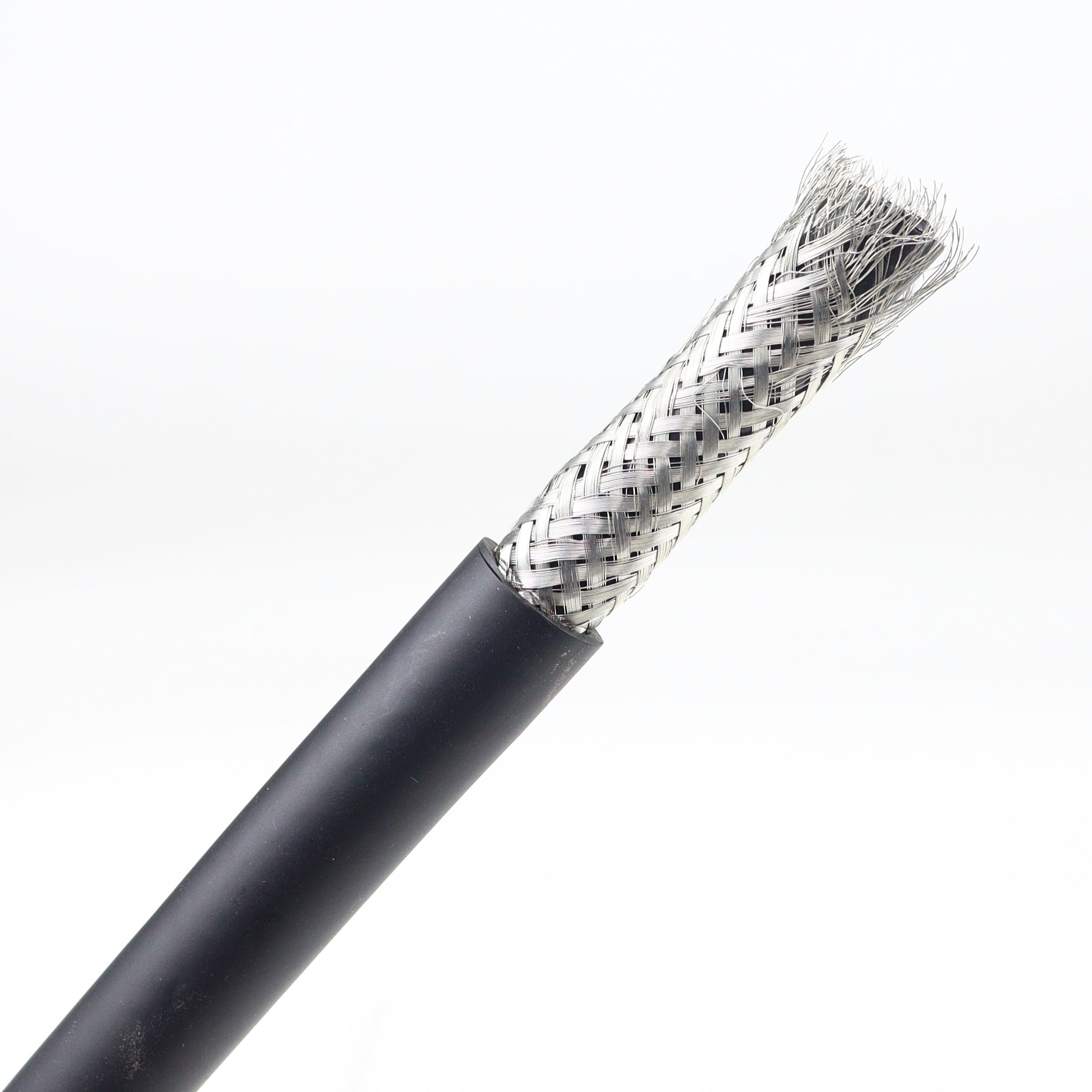
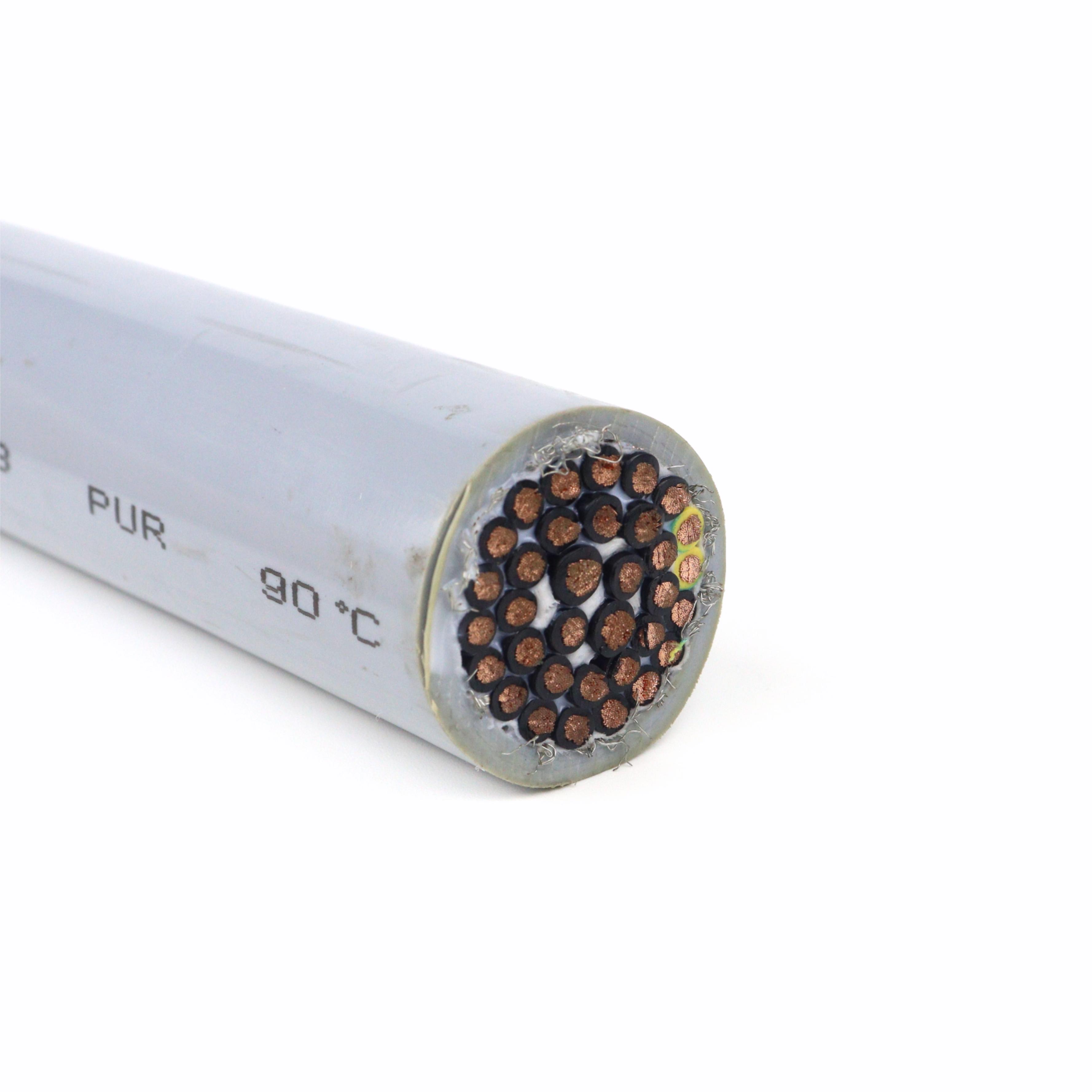
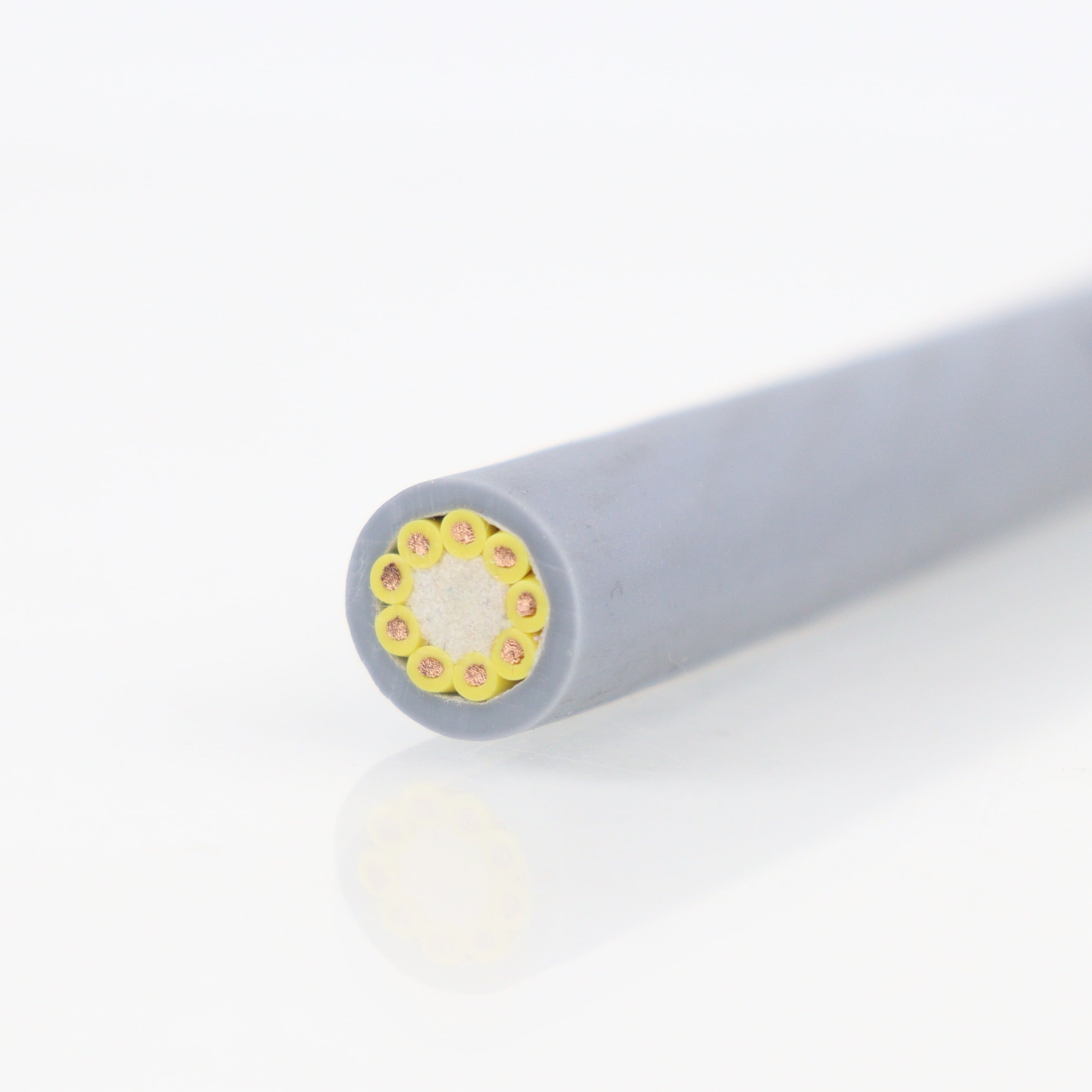
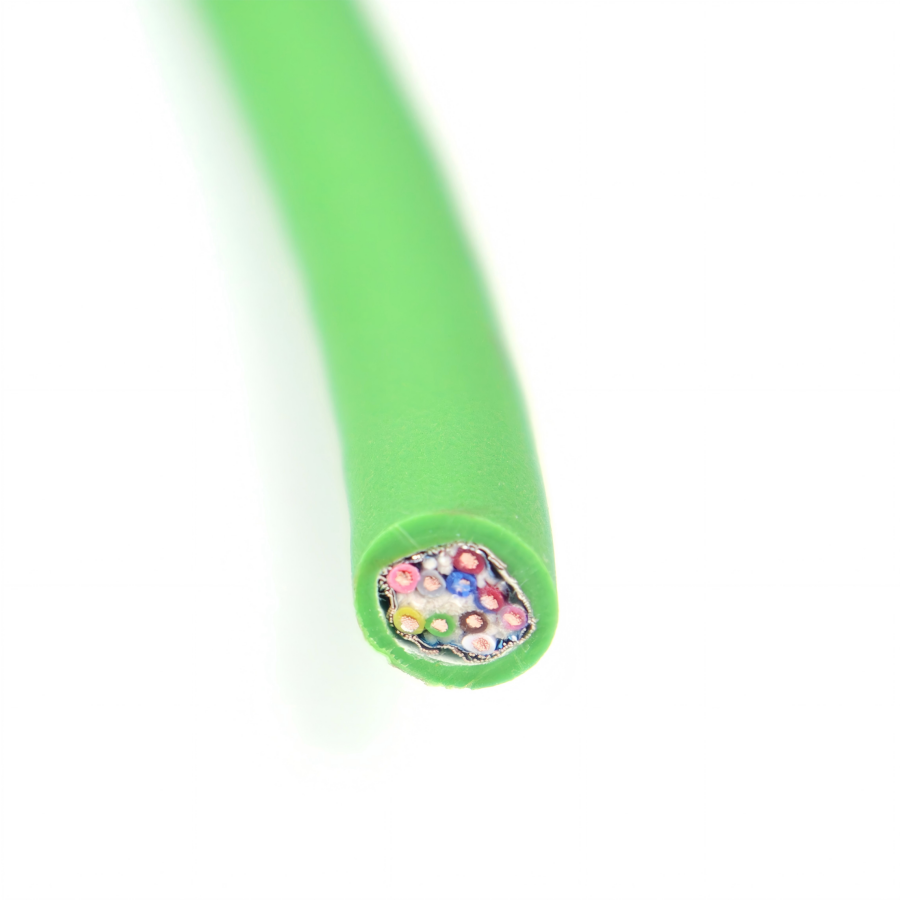
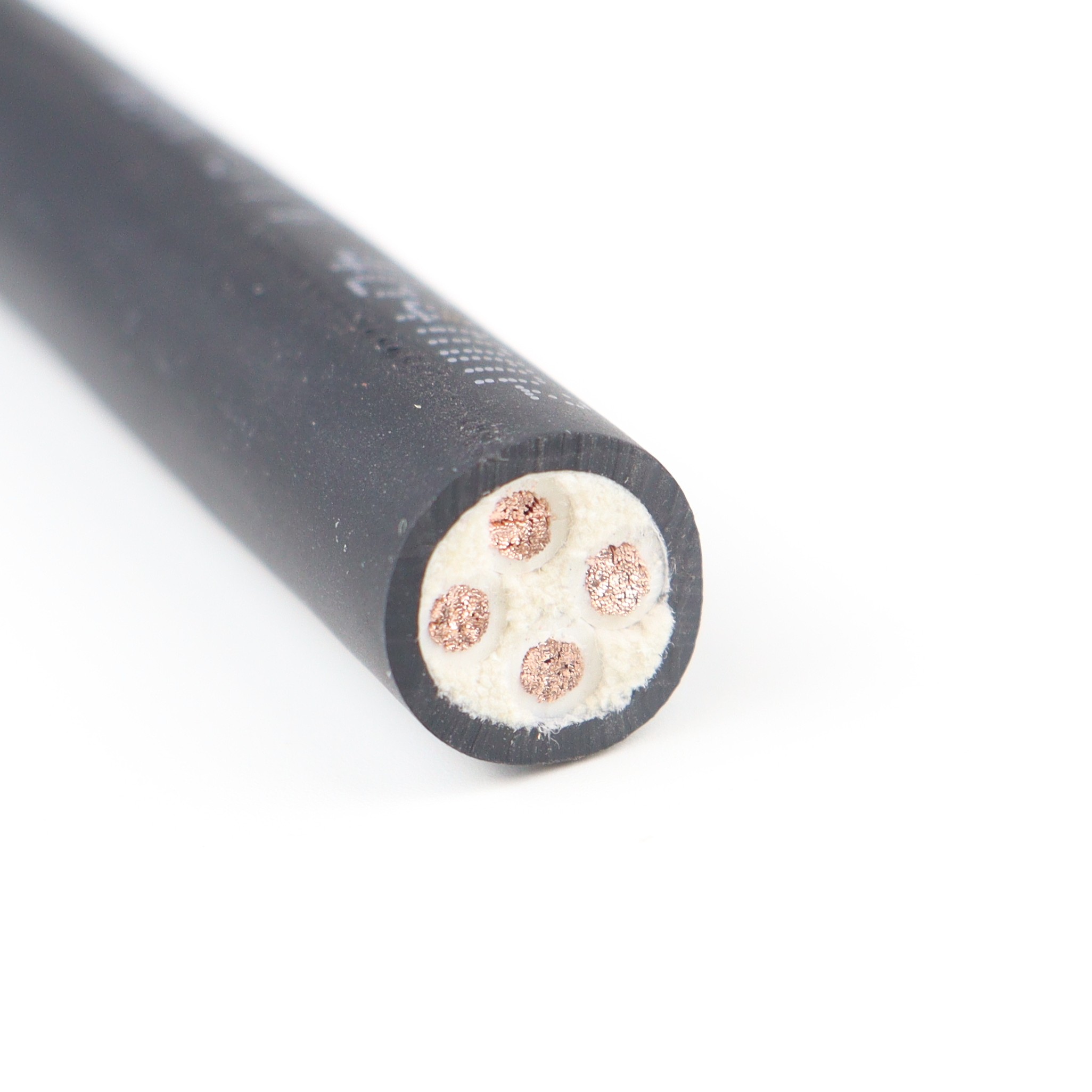
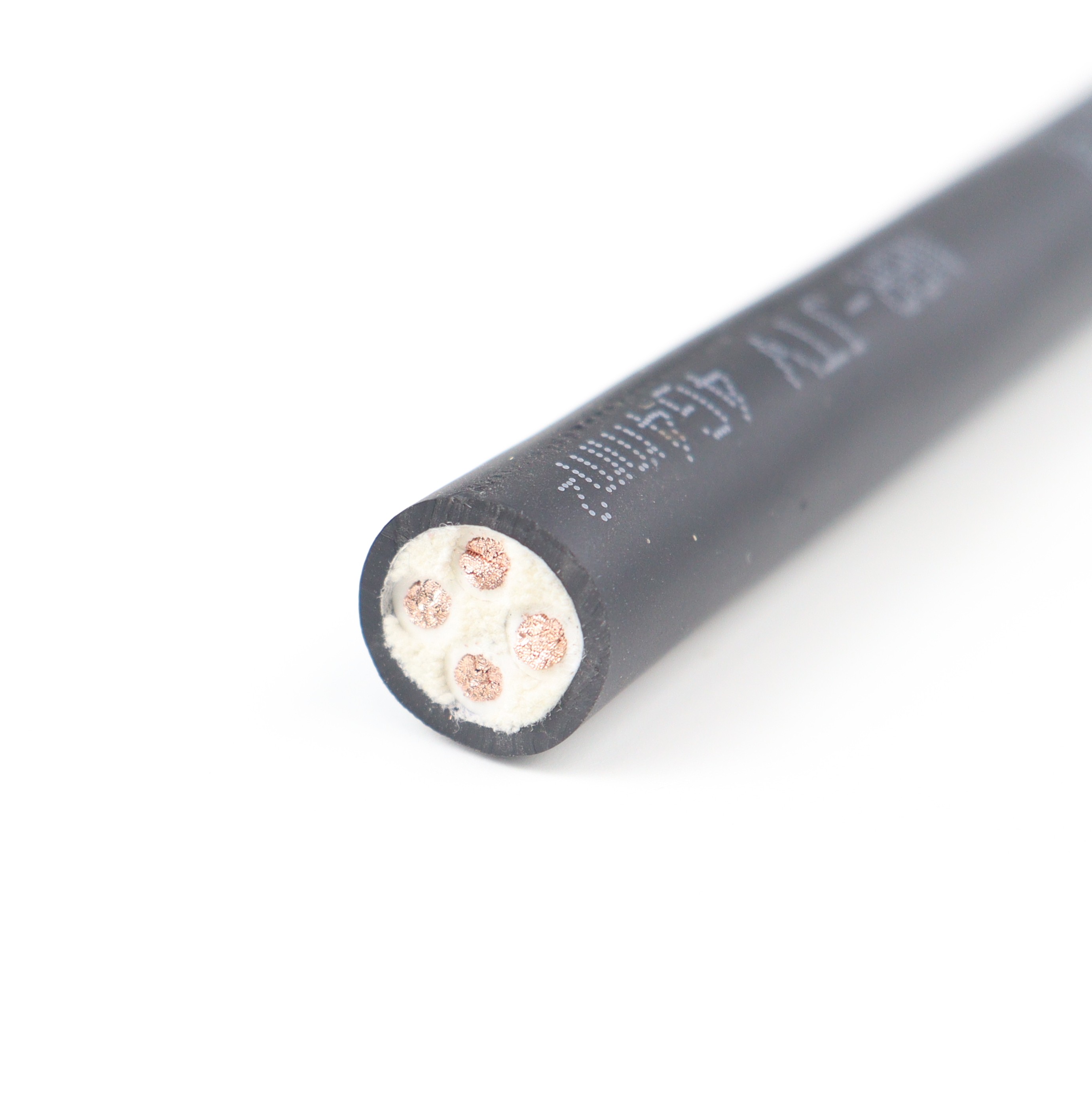
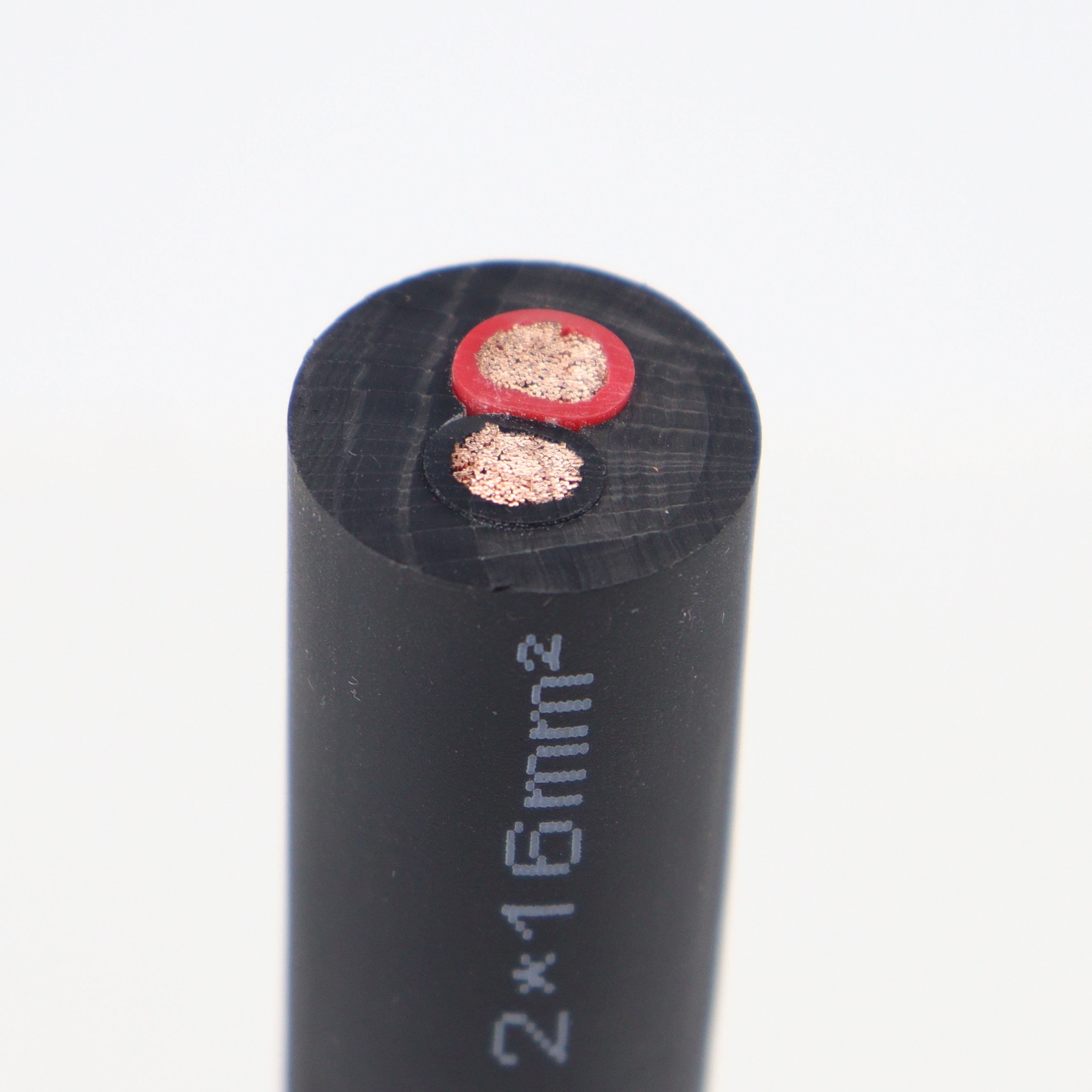
An industrial power cable is a heavy-duty electrical cable designed to move electricity safely and continuously through factories, plants, construction sites, utility facilities, and large commercial buildings. Unlike a household lead, an industrial power cable must handle higher loads, longer operating hours, physical movement, moisture, heat, oil, and possible contact with chemicals. Its main function is to connect generators, transformers, switchboards, motors, machines, and distribution panels while reducing energy loss and maintaining stable supply. An industrial power cable can carry low, medium, or high voltage, depending on the system design and installation requirements. Construction normally includes a copper or aluminum conductor, insulation, protective layers, and an outer jacket. Copper offers strong conductivity and flexibility, while aluminum can reduce weight and material cost. A modern industrial power cable may include cross-linked insulation, shielding, armoring, flame-resistant compounds, and low-smoke materials. These features help control electrical stress, limit fire spread, and protect the core from impact or abrasion. Each industrial power cable should match the voltage, current, temperature, bending radius, installation method, and local safety rules. Options include single-core and multicore designs, flexible cable for moving equipment, and armored cable for buried or exposed routes. A suitable industrial power cable supports reliable energy delivery in fixed and mobile systems. Engineers and buyers commonly select it for motors, pumps, conveyors, cranes, renewable energy equipment, control centers, and process machinery. For an industrial power cable to perform well, correct sizing, secure termination, proper routing, and regular inspection remain essential.
Choosing an industrial power cable gives operators a dependable route for delivering electricity to demanding equipment. The first buyer benefit is continuity. A correctly selected industrial power cable reduces voltage drop, supports steady motor starting, and helps machinery run without avoidable interruptions. This can protect production schedules and lower the cost of unplanned downtime. Strong insulation also improves safety by separating energized conductors from workers, metal surfaces, and nearby circuits. Many designs resist heat, water, oil, sunlight, flame, and abrasion. That protection extends service life and reduces the frequency of replacement. A durable industrial power cable can therefore provide better value over the full ownership period, even when its purchase price is higher than a light-duty alternative. Installation flexibility is another practical advantage. Flexible versions suit robotics, cranes, hoists, portable generators, and machines that move repeatedly. Armored versions offer added protection in trenches, factories, outdoor yards, and areas where impact may occur. Multicore construction can simplify routing when several circuits share one path, while single-core products can support high-current distribution. Buyers should compare conductor material, voltage rating, current capacity, insulation type, jacket compound, bend limit, and environmental rating before ordering. This decision prevents oversizing, underperformance, and early damage. A reliable industrial power cable also supports cleaner maintenance planning because its expected behavior is easier to inspect and document. It can connect equipment over long distances while maintaining predictable performance. For expansion projects, the right industrial power cable leaves room for future load planning and compatible accessories. Customers gain a safer installation, stronger uptime, simpler asset management, and a clearer return on their electrical infrastructure investment.

Latest News

Shanghai Libin Cable Showcases Robot and Automation Cable Solutions at CMES Shanghai Industrial Automation & Robotics Exhibition

16

Oct

Shanghai Libin Cable Showcases Robot and Automation Cable Solutions at CMES Shanghai Industrial Automation & Robotics Exhibition

View More
Shanghai Libin Cable Showcases Crane Cable Solutions at the 11th China (Changyuan) International Crane Equipment Expo

16

Oct

Shanghai Libin Cable Showcases Crane Cable Solutions at the 11th China (Changyuan) International Crane Equipment Expo

View More
Why Drag Chain Cables Fail: Four Common Causes and How to Select Correctly

16

Oct

Why Drag Chain Cables Fail: Four Common Causes and How to Select Correctly

View More
Industrial Robot Combination Cable: Routing Power and Signal Together in a Small-Bend-Radius Drag Chain

16

Oct

Industrial Robot Combination Cable: Routing Power and Signal Together in a Small-Bend-Radius Drag Chain

View More

Get a Free Quote

Our representative will contact you soon.
0/1000
Built for Harsh Working Conditions

Built for Harsh Working Conditions

A key strength of an industrial power cable is its ability to keep working where ordinary electrical leads may deteriorate quickly. The outer jacket can resist abrasion, water, oil, sunlight, and selected chemicals, while reinforced layers protect the conductors from crushing and impact. Heat-resistant insulation helps the industrial power cable carry energy near furnaces, motors, compressors, and process equipment without rapid aging. Flame-retardant and low-smoke options can also limit fire growth and improve evacuation conditions in enclosed facilities. These protective choices give buyers more freedom when planning routes through workshops, tunnels, utility rooms, outdoor yards, and production lines. Instead of replacing damaged cable after every harsh exposure, operators can select a construction suited to the actual site. That supports longer service life, fewer interruptions, and more predictable maintenance costs. The industrial power cable remains valuable because protection is built into the product rather than added through temporary covers or frequent repairs.
Stable Delivery for High Loads

Stable Delivery for High Loads

An industrial power cable helps provide steady electricity to equipment that demands substantial and continuous current. Its conductor size, insulation system, and voltage rating work together to control heating and reduce energy loss along the route. For buyers, this means motors can start more reliably, pumps can maintain output, and automated production equipment can receive a consistent supply. A properly matched industrial power cable also reduces the risk of overheating caused by undersized wiring. Copper versions offer excellent conductivity and flexibility, while aluminum versions can lower weight and material expense in suitable installations. Engineers can choose single-core products for major distribution paths or multicore designs for organized equipment connections. This range makes the industrial power cable practical for factories, substations, data centers, mines, renewable energy sites, and large buildings. The result is dependable operation, better energy management, and a stronger foundation for future capacity. Correct calculation remains important, since load, distance, ambient temperature, grouping, and installation method affect actual performance.
Flexible and Easier to Apply

Flexible and Easier to Apply

Modern industrial power cable designs support both permanent infrastructure and equipment that moves during normal operation. Flexible constructions use carefully selected strands and insulation so the cable can bend repeatedly without quickly losing performance. This makes the industrial power cable suitable for cranes, elevators, robotic arms, drag chains, welding machines, mobile generators, and material-handling systems. Fixed versions provide efficient routing between panels, transformers, motors, and distribution points. Armored options add protection for buried paths or exposed locations, while compact multicore versions can reduce the number of separate runs. This application range helps customers standardize more of their electrical purchases without forcing one design into every environment. A suitable industrial power cable can simplify installation, improve route organization, and reduce the need for extra protective hardware. Clear markings and compatible terminals also support faster identification during servicing. Buyers should still confirm bend radius, movement speed, temperature, pulling force, and local installation rules. With those checks complete, the industrial power cable delivers practical flexibility, safer handling, and a more efficient project workflow.