Shielded Electrical Wire for Reliable Power

application/shielded-electrical-wire, application/shielded-electrical-wire, 
Inquiry
Inquiry

shielded electrical wire

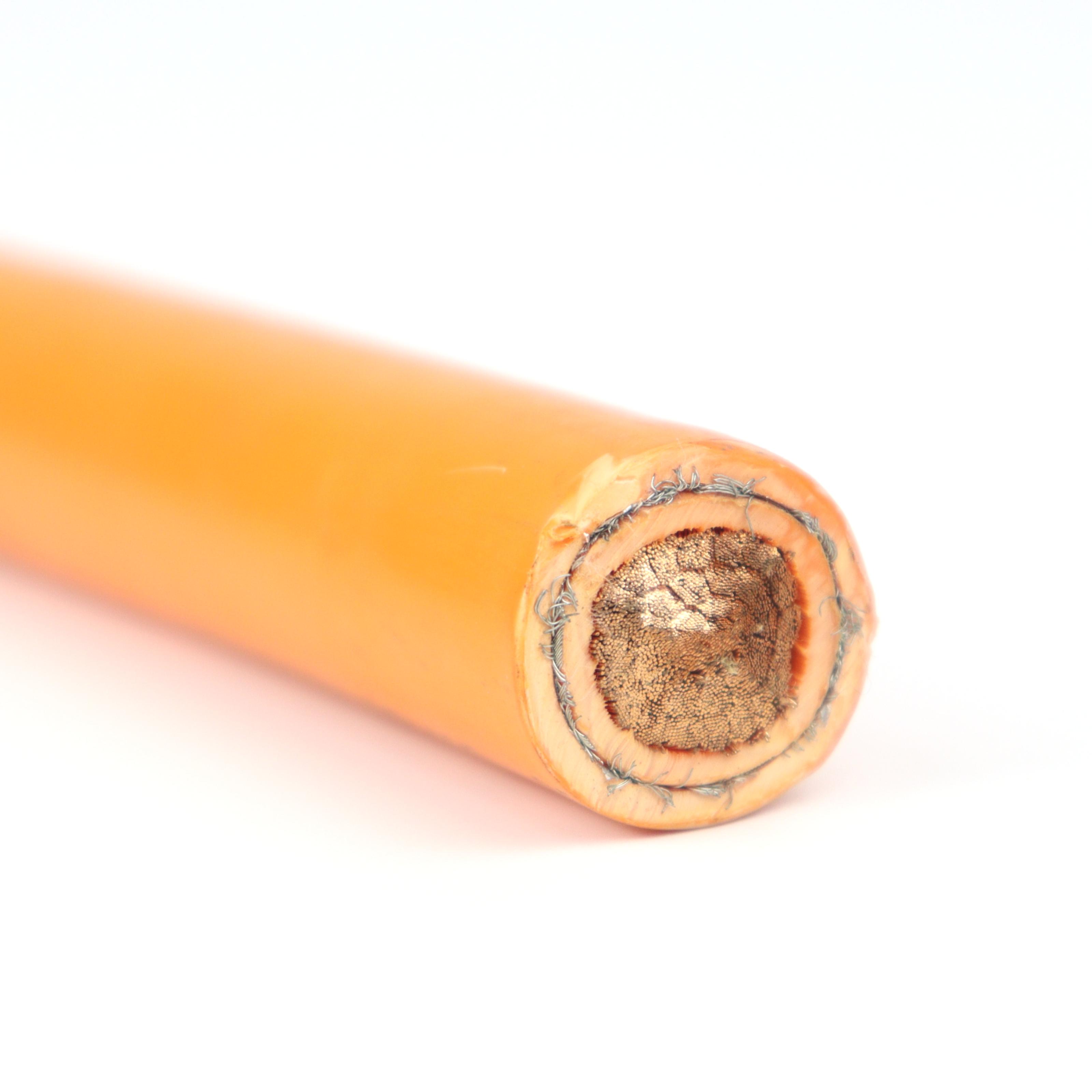
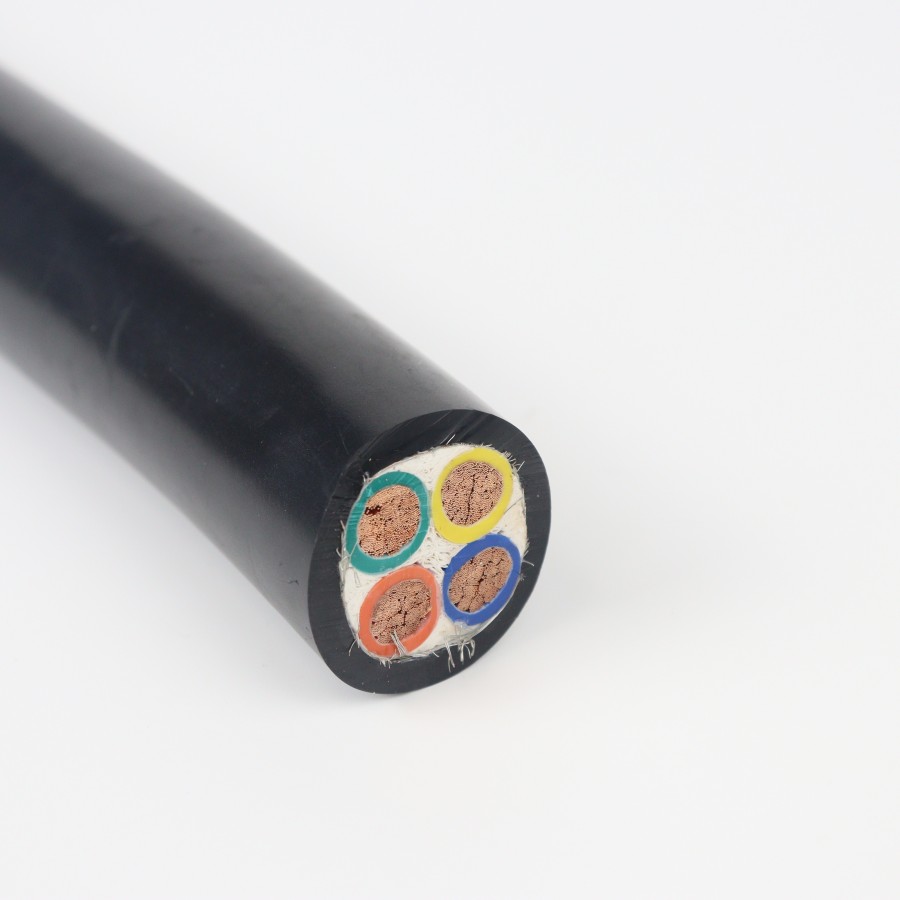
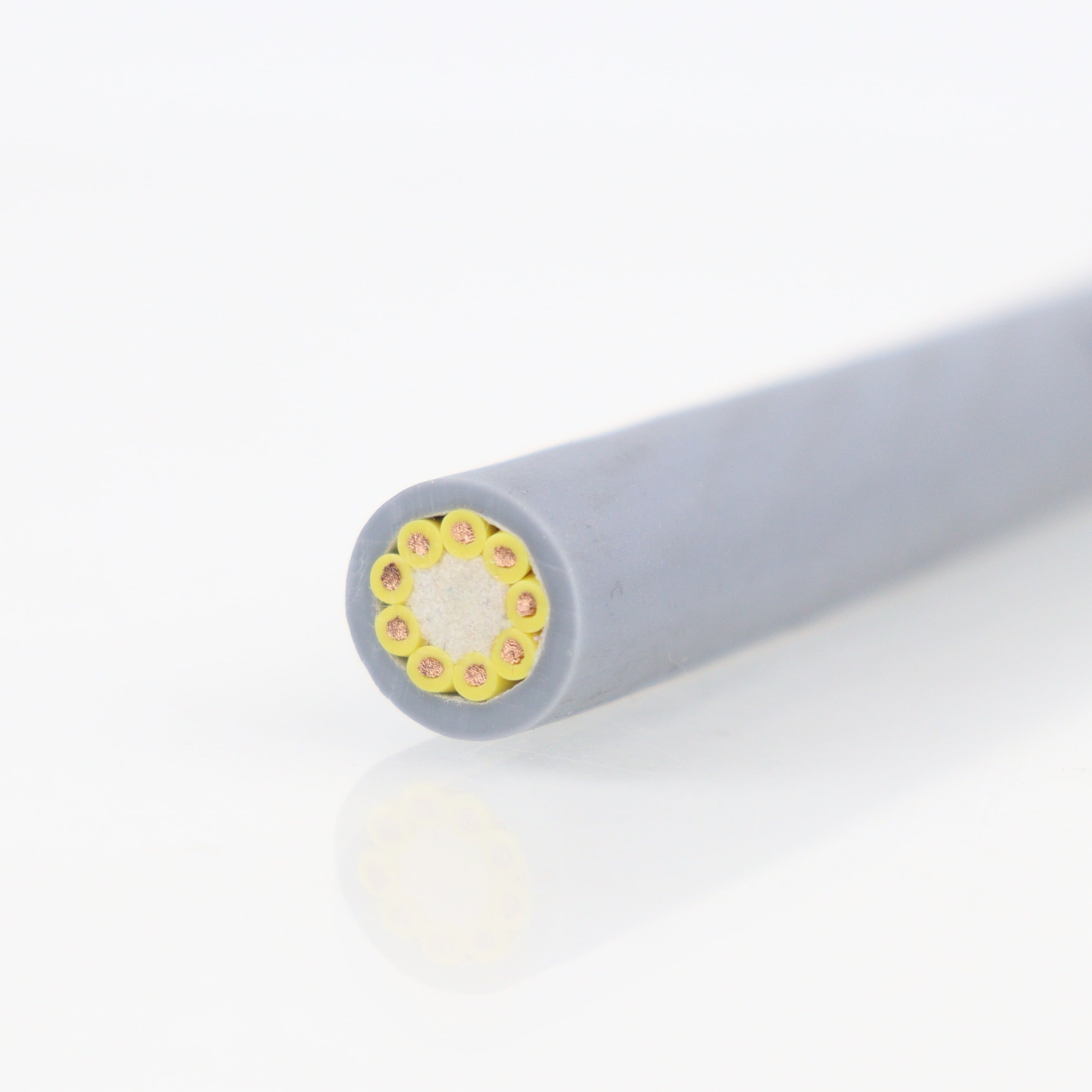
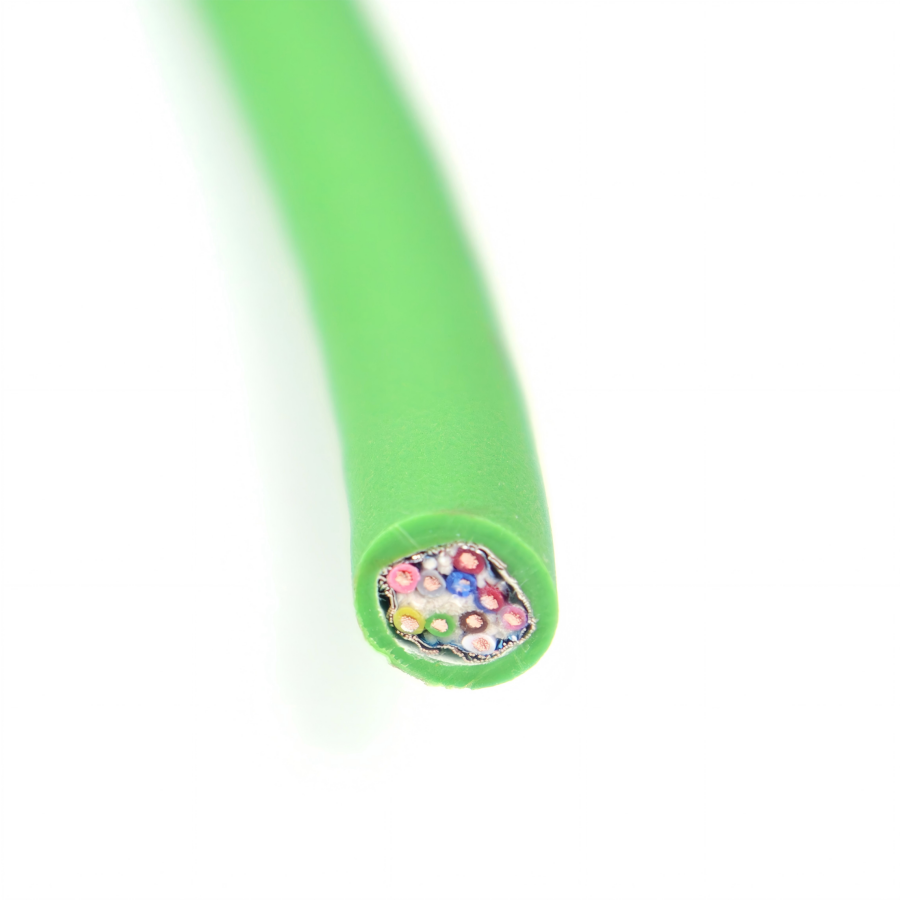
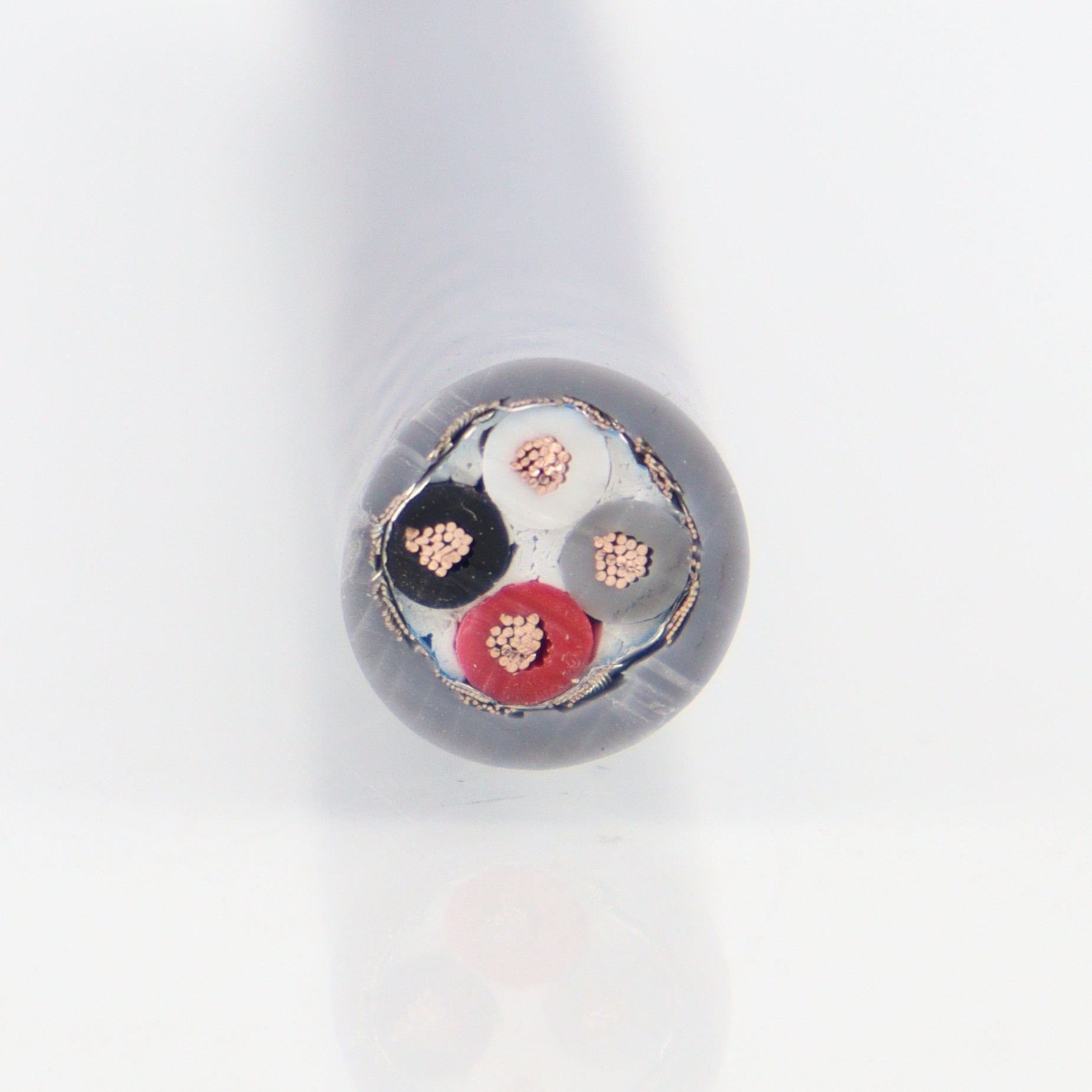
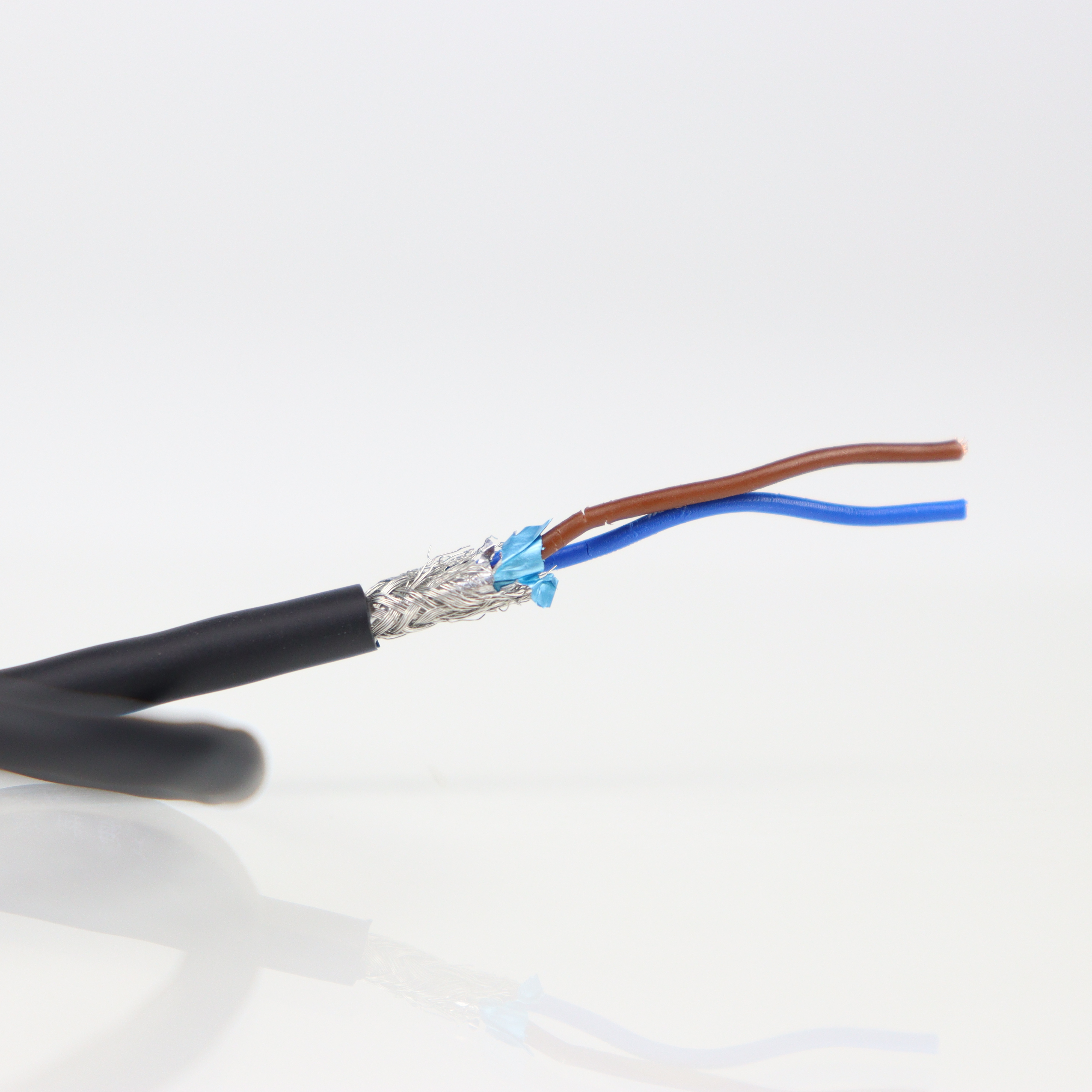
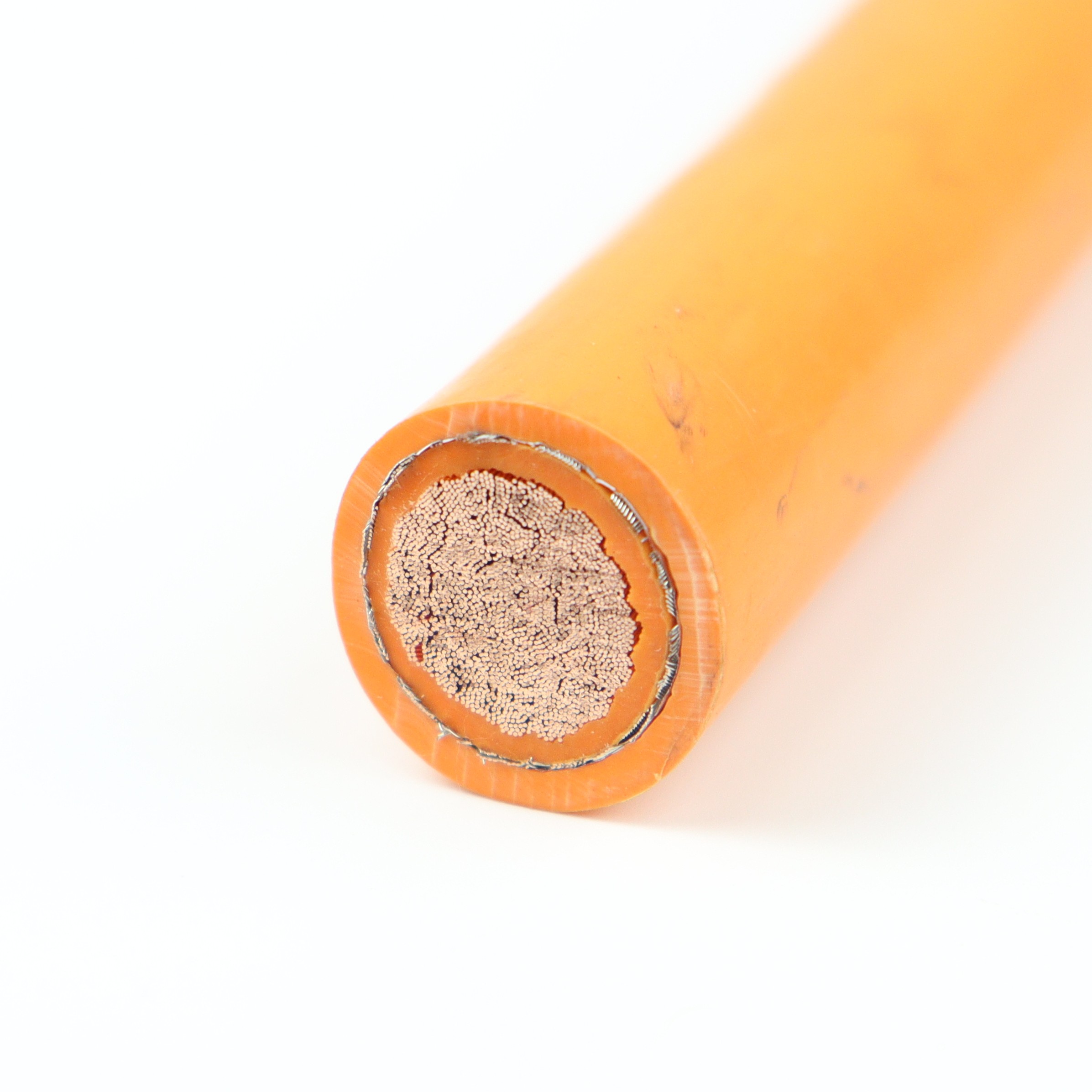
A shielded electrical wire carries power or signals while a protective conductive layer limits unwanted electrical interference. This design helps equipment work reliably where motors, drives, radios, computers, or long cable runs create noise. A shielded electrical wire typically includes a copper or aluminum conductor, insulation, a foil or braided shield, and an outer jacket. The conductor carries current, the insulation separates live parts, and the shield redirects interference toward ground through a suitable termination. Depending on the model, a shielded electrical wire may use one conductor, multiple conductors, a drain wire, or a combined foil-and-braid screen. Buyers can select solid conductors for fixed wiring or stranded conductors for repeated movement. The shielded electrical wire may also offer PVC, XLPE, LSZH, polyurethane, or other jacket materials to match heat, moisture, chemical, and abrasion conditions. Its main functions include reducing signal distortion, controlling electromagnetic noise, supporting stable data transfer, and improving electrical safety when installed correctly. A shielded electrical wire suits control panels, sensors, industrial machines, audio systems, security equipment, automation networks, and building infrastructure. In sensitive installations, the shielded electrical wire helps separate useful signals from nearby power sources and switching devices. Cable size, voltage rating, temperature range, bend radius, shielding coverage, and grounding method determine product suitability. A shielded electrical wire is not automatically suitable for every circuit; installers must match the construction with the load, environment, local code, and connector system. When selected and terminated properly, a shielded electrical wire provides a practical balance of dependable performance, protection, and installation flexibility for demanding electrical and electronic systems.
The main advantage of shielded electrical wire is cleaner operation. By reducing interference from motors, transformers, switching equipment, and nearby cables, a shielded electrical wire can help sensors provide steadier readings and communication links lose fewer signals. This benefit can reduce false alarms, unexpected stops, data errors, and time spent troubleshooting. For a business, that means more predictable production and lower maintenance effort. A shielded electrical wire also supports better equipment compatibility. It can connect controllers, drives, instruments, cameras, and audio devices in areas where ordinary cable may pick up unwanted noise. The shielded electrical wire gives buyers more freedom when planning crowded control cabinets, factory floors, laboratories, and commercial buildings. Different conductor sizes and core arrangements let users choose a product for low-level signals, control circuits, or suitable power duties. Flexible versions simplify routing around machines, while stronger jackets support outdoor paths, moving equipment, or locations exposed to oil and abrasion. A shielded electrical wire can also improve installation confidence because its construction provides a clear path for managing interference when the shield is grounded according to the system design. Foil screens offer broad coverage, while braided screens can add flexibility and mechanical strength; combined designs address more demanding conditions. Buyers should compare voltage, current capacity, temperature rating, jacket material, bend needs, and certification rather than choosing by appearance alone. The shielded electrical wire may cost more than unshielded cable, but reduced downtime and fewer signal problems can provide better long-term value. Correct connectors and termination hardware remain essential. A well-chosen shielded electrical wire is especially useful when reliability matters more than the lowest purchase price. It helps protect product quality, simplifies fault finding, and supports stable performance across many electrical applications.

Latest News

Shanghai Libin Cable Showcases Robot and Automation Cable Solutions at CMES Shanghai Industrial Automation & Robotics Exhibition

16

Oct

Shanghai Libin Cable Showcases Robot and Automation Cable Solutions at CMES Shanghai Industrial Automation & Robotics Exhibition

View More
Shanghai Libin Cable Showcases Crane Cable Solutions at the 11th China (Changyuan) International Crane Equipment Expo

16

Oct

Shanghai Libin Cable Showcases Crane Cable Solutions at the 11th China (Changyuan) International Crane Equipment Expo

View More
Why Drag Chain Cables Fail: Four Common Causes and How to Select Correctly

16

Oct

Why Drag Chain Cables Fail: Four Common Causes and How to Select Correctly

View More
Industrial Robot Combination Cable: Routing Power and Signal Together in a Small-Bend-Radius Drag Chain

16

Oct

Industrial Robot Combination Cable: Routing Power and Signal Together in a Small-Bend-Radius Drag Chain

View More

Get a Free Quote

Our representative will contact you soon.
0/1000
Reliable Signal Protection

Reliable Signal Protection

A key strength of shielded electrical wire is its ability to limit noise before that noise reaches a sensitive circuit. The shield surrounds the insulated conductors and helps direct unwanted electrical energy away from the signal path. This makes a shielded electrical wire valuable for sensors, measurement devices, communication lines, audio equipment, and automation controls. In practical use, cleaner signals can produce more accurate readings, smoother machine responses, and fewer communication interruptions. The shielded electrical wire is especially helpful near variable-speed drives, relays, welding equipment, and large motors, where electrical activity can change quickly. Buyers gain a more stable connection without needing to redesign the entire installation. Performance still depends on correct grounding, suitable connectors, and proper routing, so the shield should be handled as part of the complete system. When those details receive attention, a shielded electrical wire can reduce service calls and protect the consistency of connected equipment. This feature delivers value through dependable operation rather than simply adding another layer to the cable.
Construction for Demanding Sites

Construction for Demanding Sites

A shielded electrical wire can combine electrical protection with a construction selected for the installation environment. Buyers may choose copper conductors for dependable conductivity, stranded designs for movement, and jackets that resist heat, moisture, oils, sunlight, or abrasion. The shielded electrical wire may use foil for broad coverage, braid for flexibility and strength, or both for demanding industrial routes. This range helps users match the cable to fixed panels, machine chains, outdoor equipment, production lines, and commercial building systems. A properly selected shielded electrical wire can remain easier to route and less vulnerable to everyday physical stress than a basic cable with limited protection. Product details still matter: confirm conductor gauge, insulation type, voltage rating, temperature range, bend radius, and jacket approval before purchase. Choosing the right construction can extend service life and reduce replacement work. The shielded electrical wire therefore gives customers useful design options instead of forcing one cable type into every setting. That flexibility supports safer planning, cleaner installations, and better value over the working life of the equipment.
Practical Installation and Long-Term Value

Practical Installation and Long-Term Value

The value of shielded electrical wire extends beyond its interference barrier. A well-specified cable can help installers organize control cabinets, connect equipment over longer routes, and separate sensitive circuits from noisy power systems. The shielded electrical wire gives maintenance teams a clear method for managing interference when they follow the recommended grounding and termination practice. This can make faults easier to identify and reduce the time required to restore equipment. The shielded electrical wire also supports future upgrades because a stable cable route may handle new sensors, controllers, or communication devices with fewer signal concerns. For buyers, that can mean lower downtime, fewer emergency replacements, and more predictable operating costs. The right product can suit factories, buildings, security systems, laboratories, transport equipment, and specialist electronics. Users should not treat shielding as a substitute for correct sizing or code compliance; current capacity, insulation, connectors, and installation conditions remain important. Even so, a shielded electrical wire offers a practical investment when dependable performance affects output, safety, or customer service. Its benefits are clearest in systems where a small signal problem can cause a large operational cost.