shielded network cable
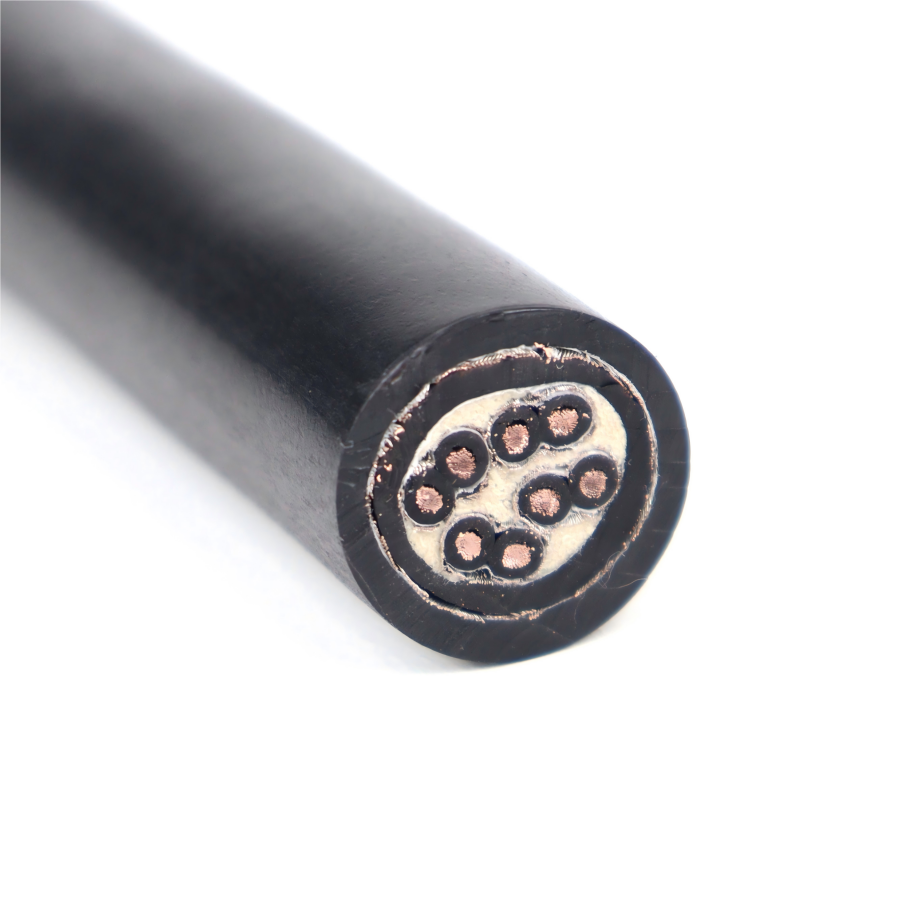
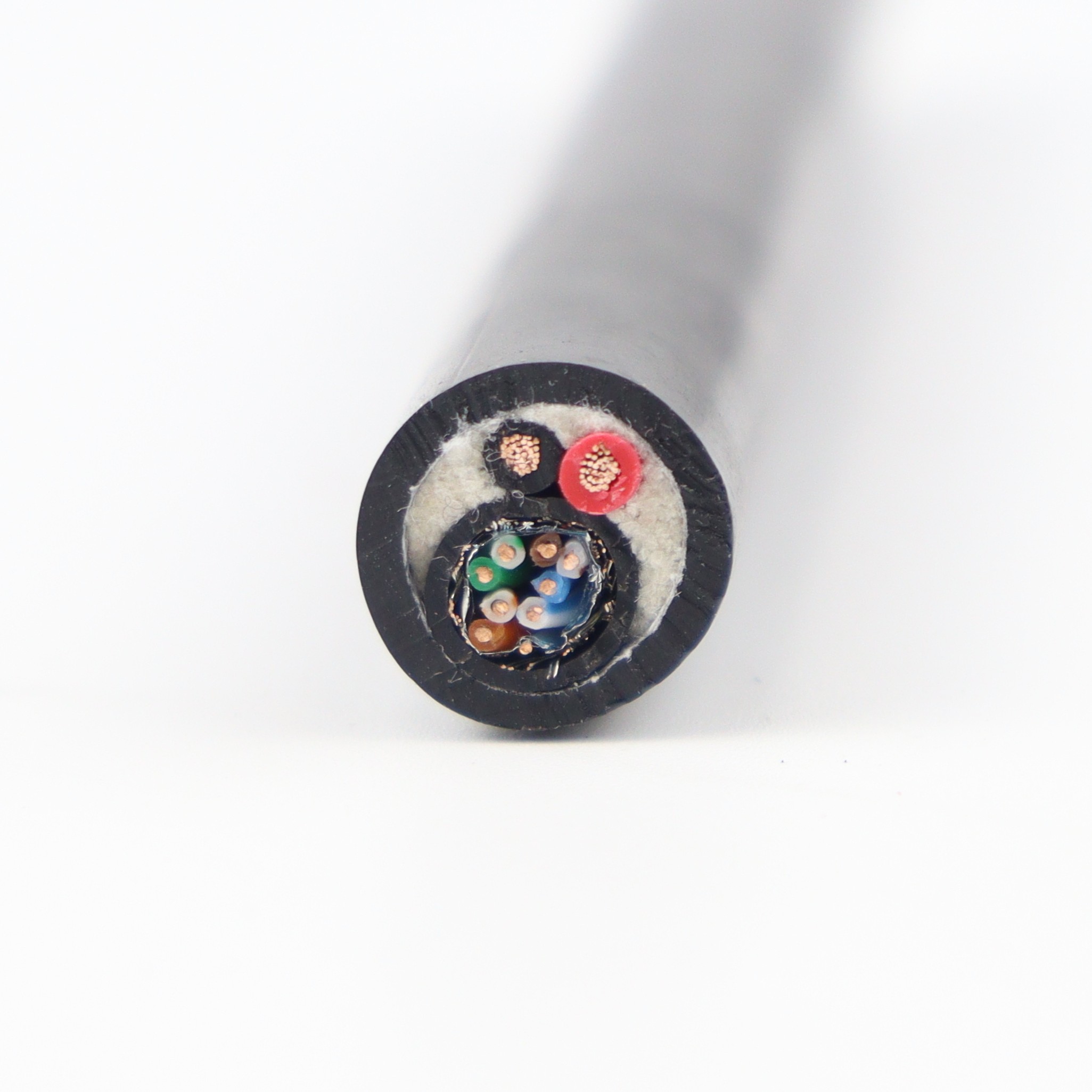
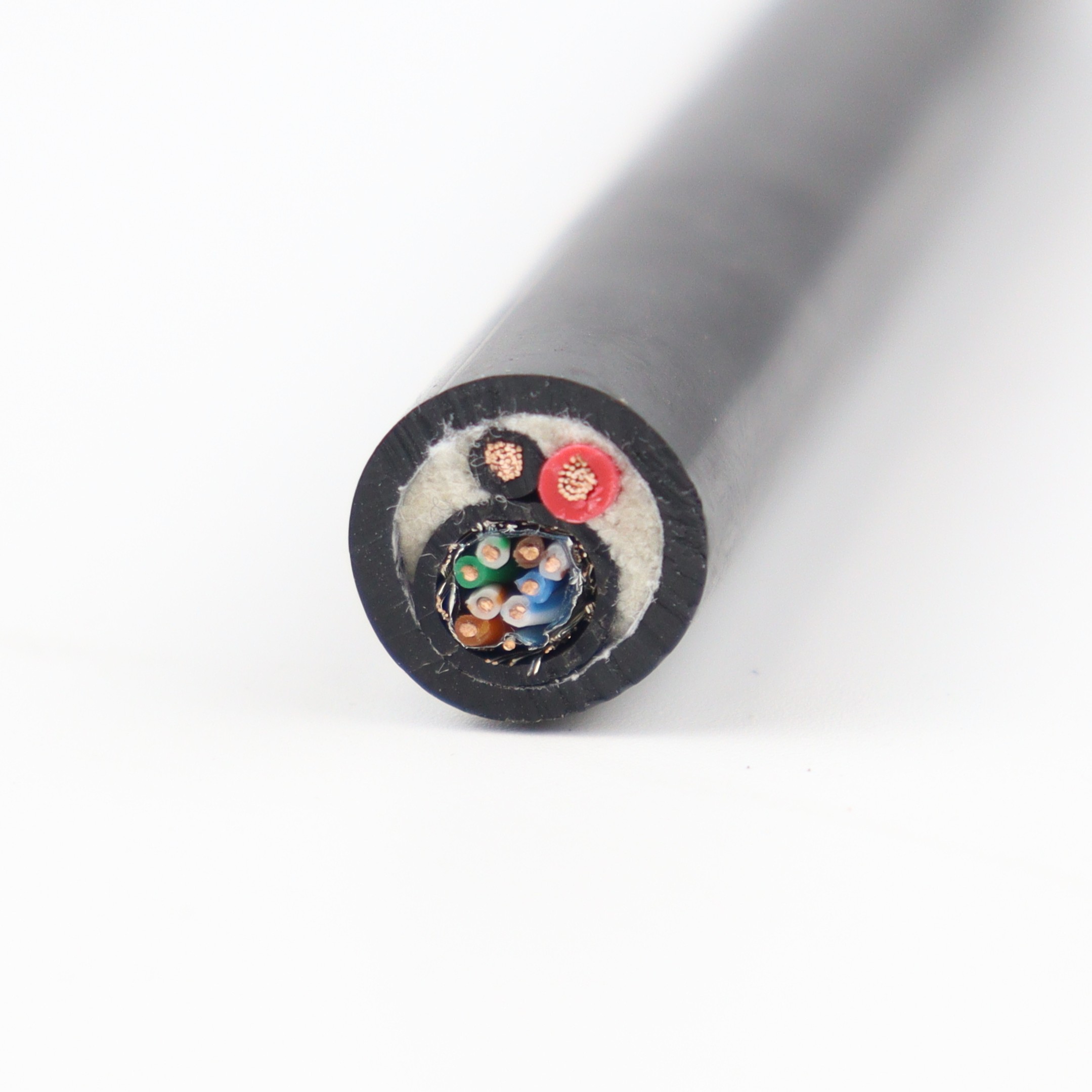
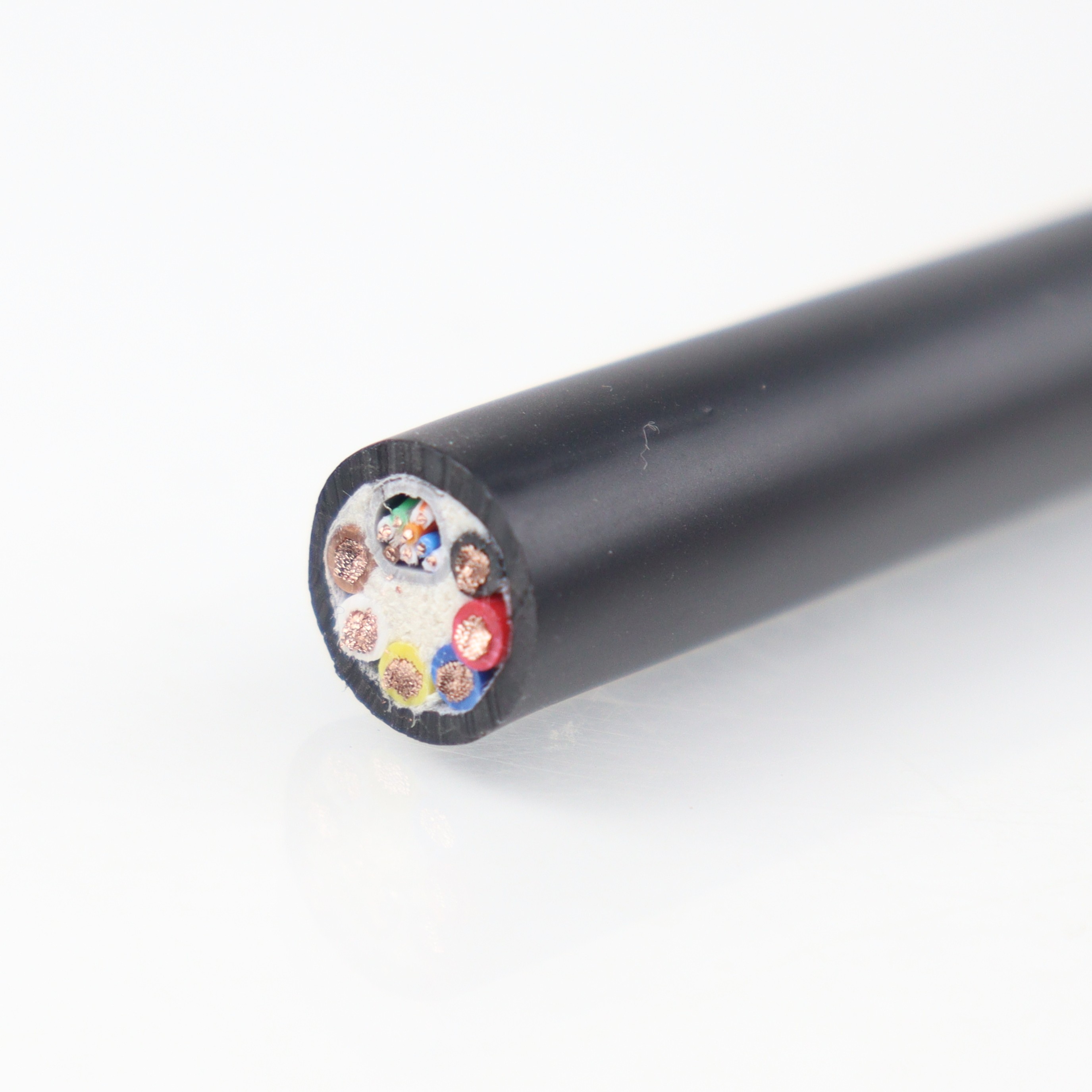
A shielded network cable is a wired connection cable designed to move data while limiting the effect of electrical noise. It places one or more protective metal layers around the copper conductors, helping the shielded network cable maintain a cleaner signal than an unshielded design in difficult environments. The shield may use foil, braided metal, or both, while a drain wire can help connect the protection to ground. The shielded network cable is available in common categories such as Cat5e, Cat6, Cat6a, and higher-performance options, allowing buyers to match bandwidth and distance requirements. Depending on the model, the shielded network cable supports Ethernet data, Power over Ethernet, voice, video, and control signals. Its twisted pairs reduce interference between the conductors, and its outer jacket protects the internal parts from moisture, abrasion, and everyday handling. The shielded network cable can connect computers, switches, routers, wireless access points, cameras, industrial controllers, servers, and building automation equipment. Installation styles include patch cords, solid-core horizontal cable, stranded flexible cable, indoor cable, outdoor cable, and versions suited to riser or plenum spaces. A shielded network cable becomes especially useful near motors, fluorescent lighting, power lines, medical equipment, factory machinery, or dense communications racks. Correct grounding, compatible connectors, and careful bend control help the shield perform as intended. In practical terms, the shielded network cable provides a dependable physical path for stable network performance where electrical interference, long operating hours, or high equipment density could otherwise cause errors and interruptions.