Copper Shielded Cable | Reliable Signal

application/copper-shielded-cable, application/copper-shielded-cable, 
Inquiry
Inquiry

copper shielded cable

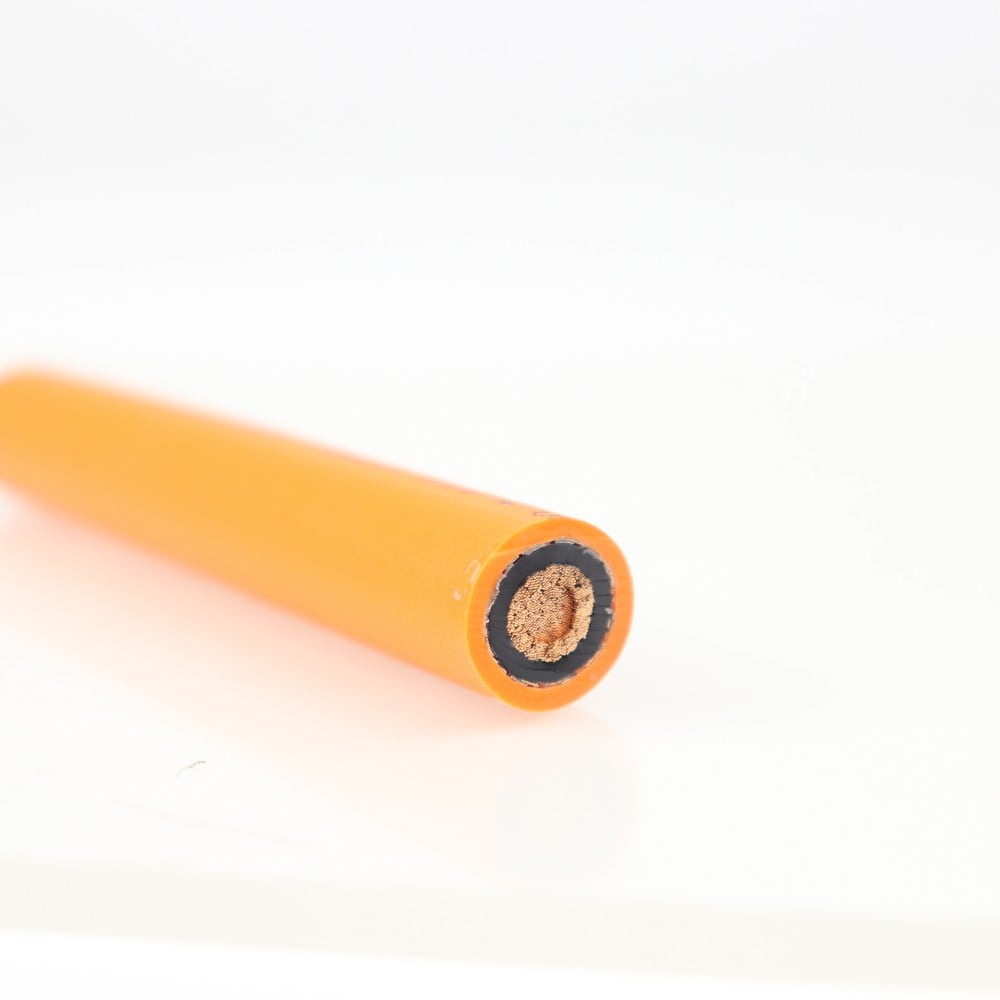
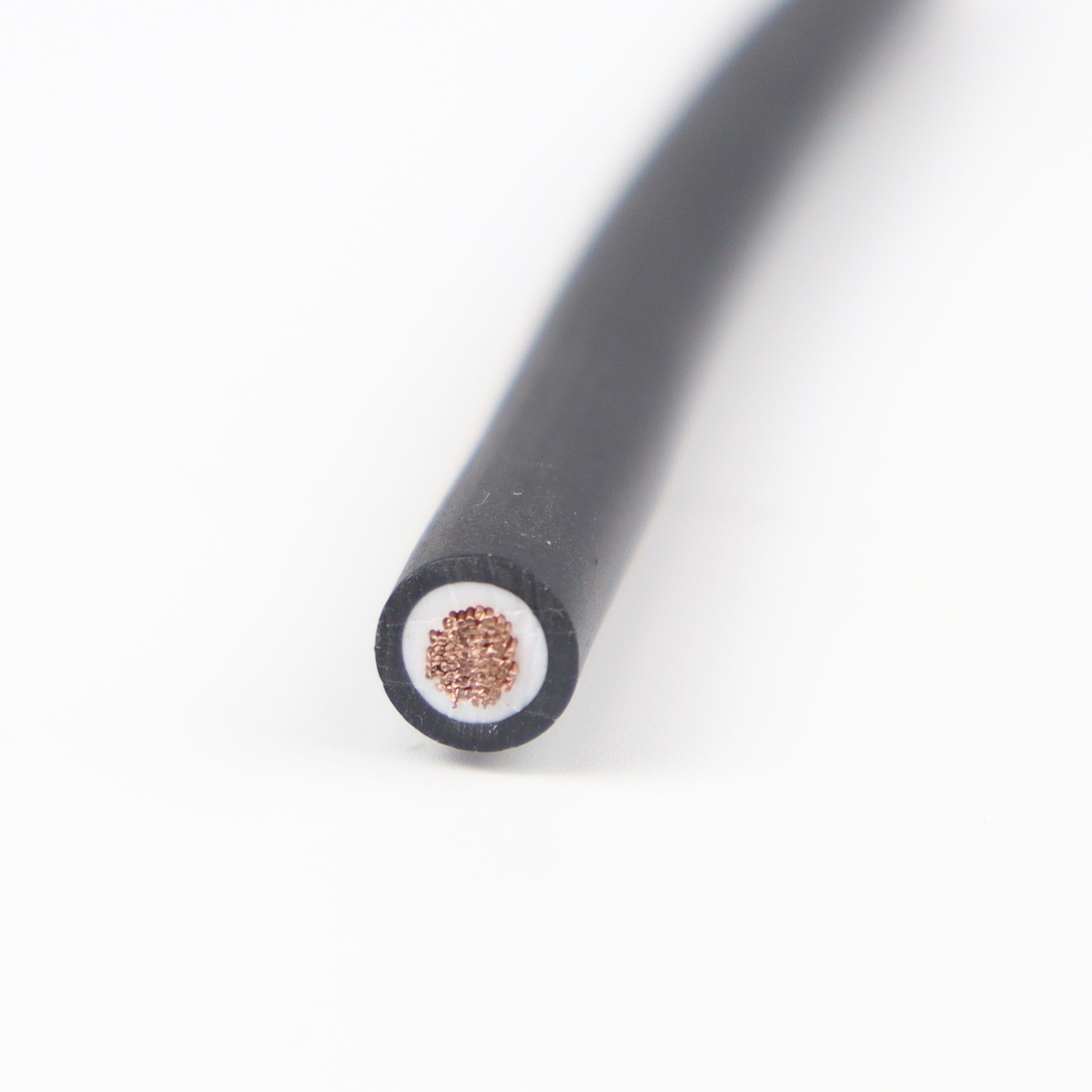
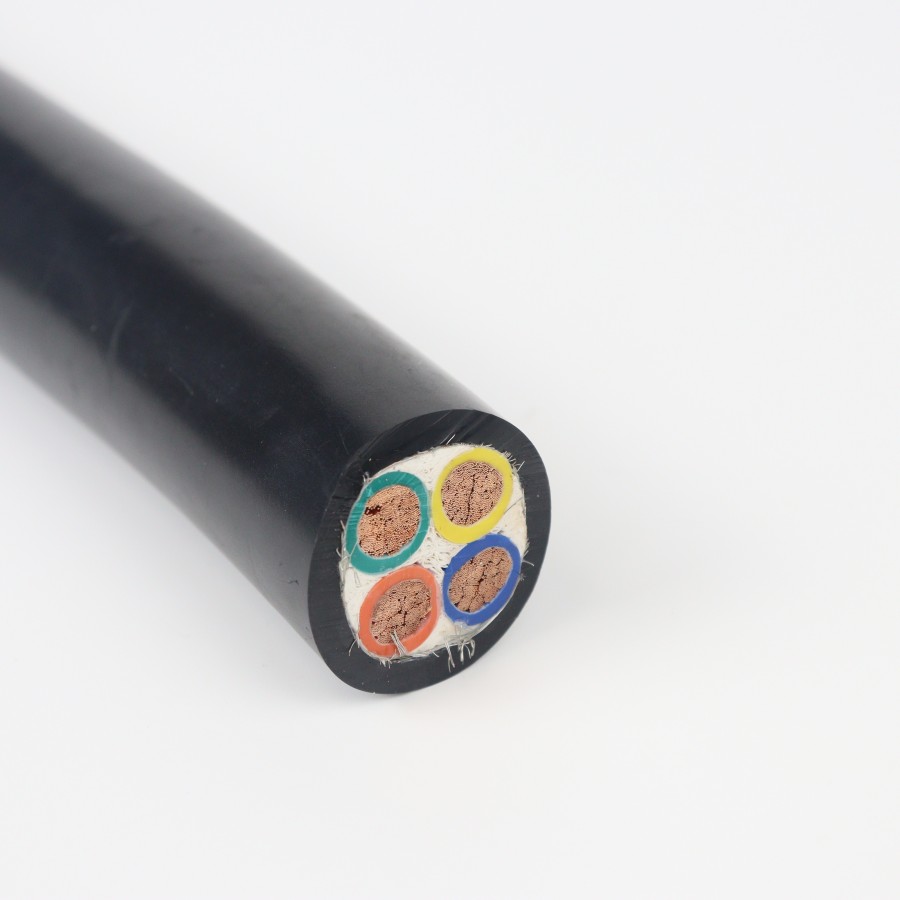
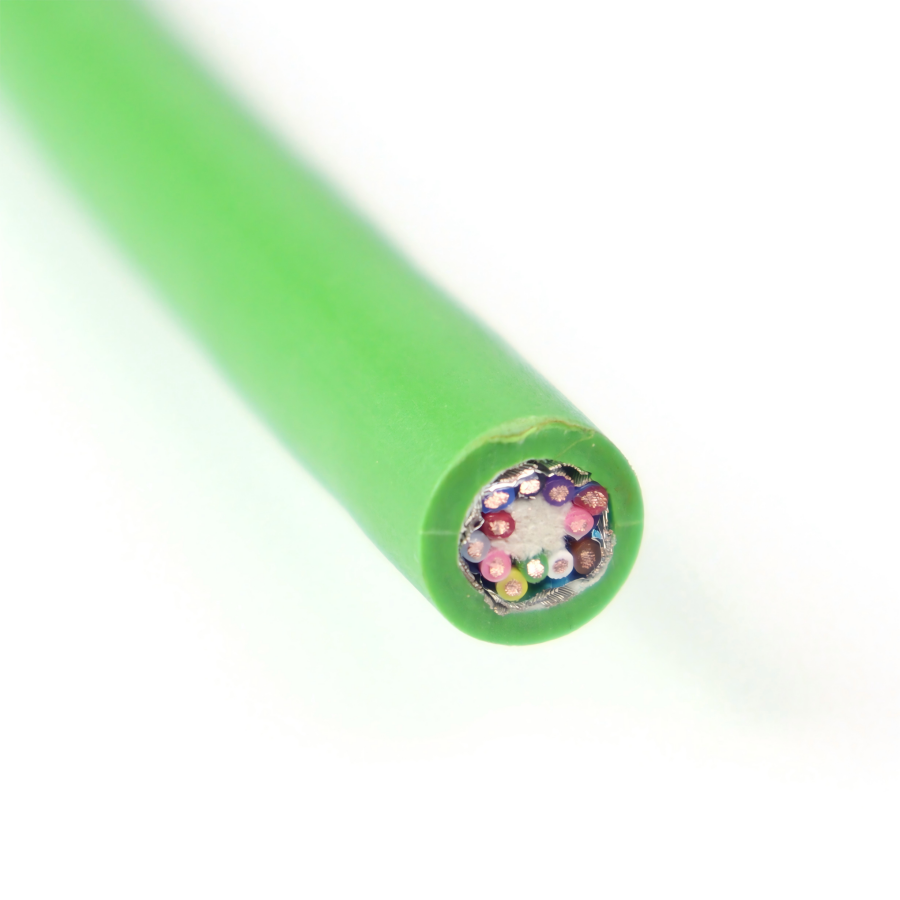
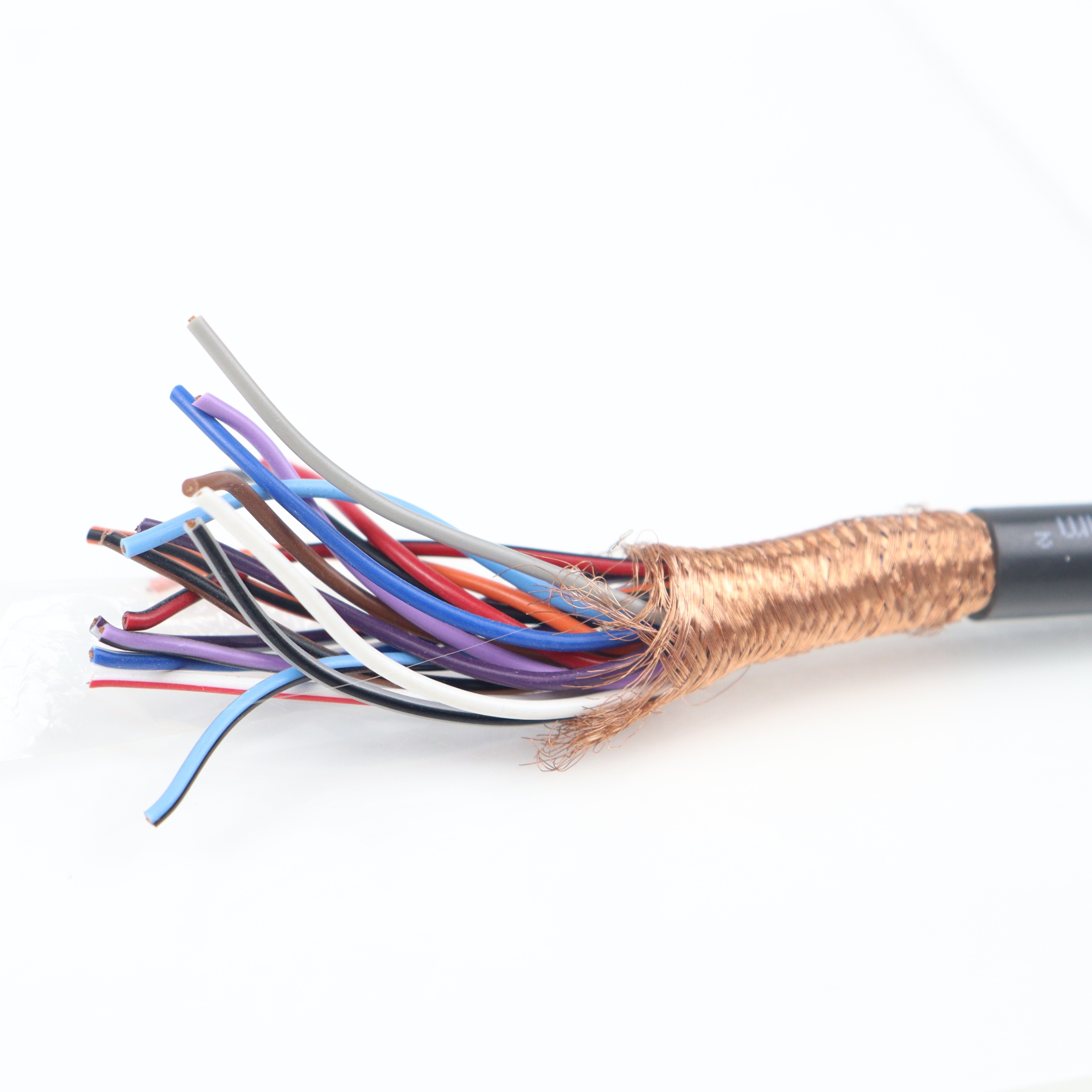
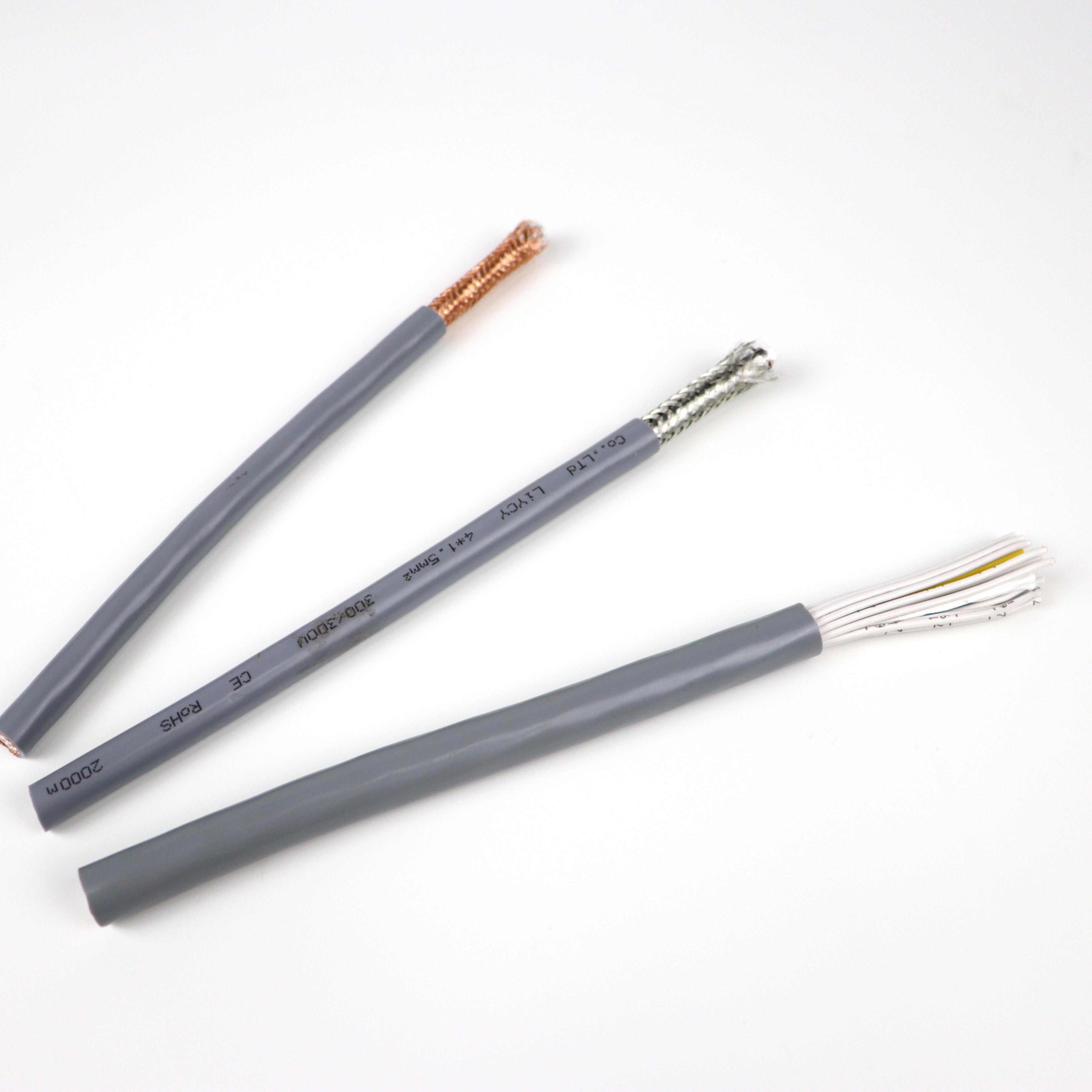
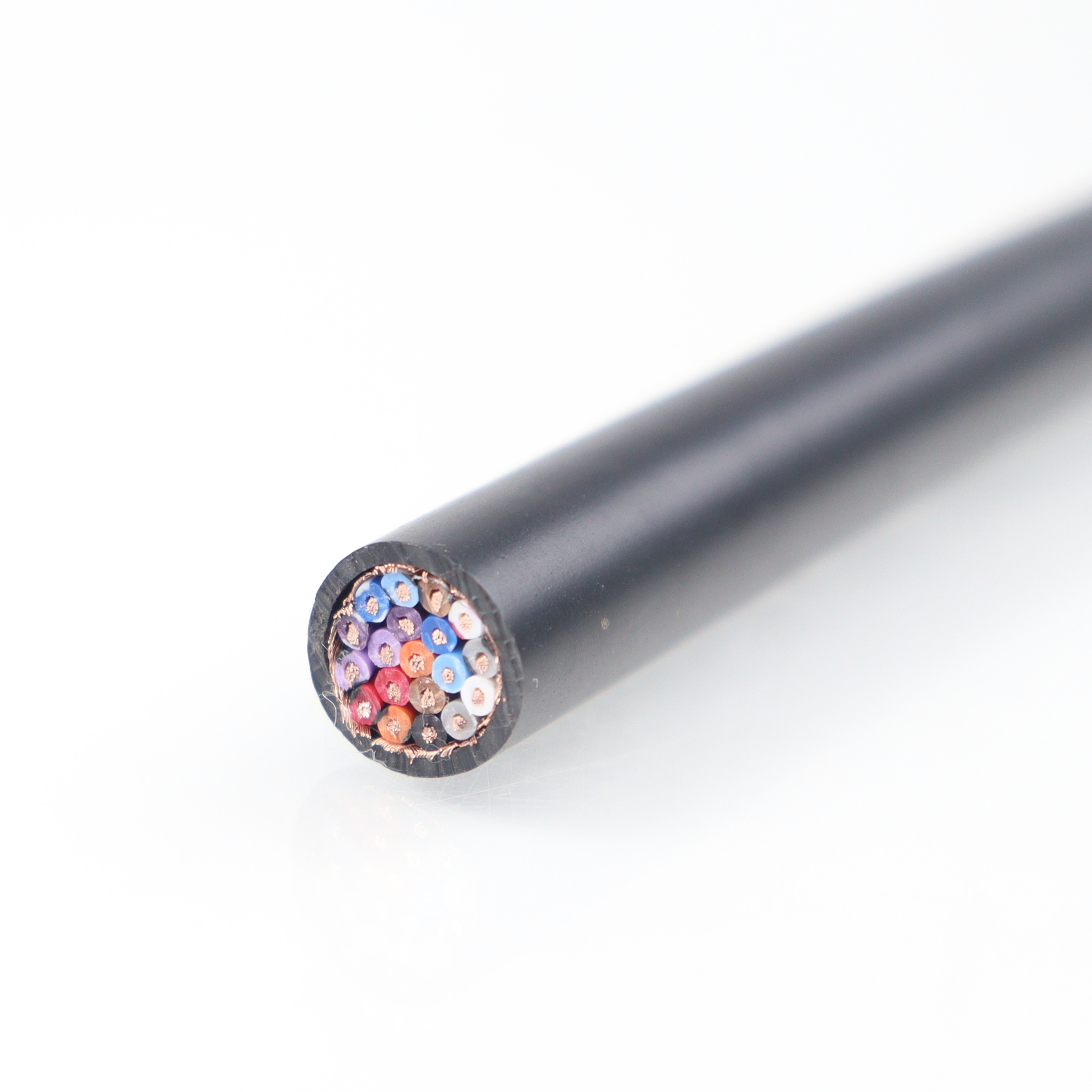
A copper shielded cable is an electrical cable designed to carry power, control signals, or data while limiting interference from nearby equipment. Its copper conductors provide efficient current flow and dependable signal transmission. A surrounding shield, usually made from copper braid, foil, or both, helps block electromagnetic noise and reduces signal leakage. This makes a copper shielded cable a practical choice where motors, drives, transformers, or other electrical devices could affect communication quality. A copper shielded cable may include one conductor, multiple cores, or twisted pairs, depending on the required circuit. The outer jacket protects the internal structure from moisture, abrasion, chemicals, and everyday handling. With the correct jacket material, a copper shielded cable can support indoor, outdoor, fixed, or flexible installation. A copper shielded cable also supports grounding through its shield, which helps control electrical noise and improves system stability. Depending on its design, it can serve instrumentation, automation, security, audio, networking, and power control systems. A copper shielded cable is available in different conductor sizes, insulation materials, voltage ratings, shield coverage levels, and temperature ranges. These options allow buyers to match the product to load, distance, environment, and installation method. When selecting a copper shielded cable, users should check conductor size, core count, shielding type, jacket rating, bending needs, and required standards. A copper shielded cable does not remove every source of interference, but proper grounding and installation greatly improve its performance. In short, this cable combines conductive copper, protective insulation, and noise control in one dependable solution. It helps equipment communicate clearly, operate safely, and maintain consistent performance in electrically demanding locations.
The main advantage of a copper shielded cable is cleaner signal performance. The shield reduces the effect of electromagnetic interference, so control systems, sensors, and communication devices receive more reliable information. A copper shielded cable can help prevent false readings, unexpected resets, data errors, and audible noise. This can reduce troubleshooting time and protect production schedules. Copper also offers low electrical resistance, which supports efficient current transfer and stable signal levels over practical distances. For buyers, that means dependable operation without immediately moving to a more expensive transmission medium. A copper shielded cable is often easier to terminate, repair, and source than specialized alternatives because installers are familiar with copper construction and common connectors. The design also gives customers flexibility. A copper shielded cable can suit fixed machine wiring, control cabinets, building services, industrial sensors, audio equipment, and low-voltage communication links. Buyers can choose foil shielding for broad coverage, braid shielding for strength and grounding, or a combined design when the environment is especially noisy. The outer jacket adds another layer of value by protecting conductors from abrasion, oil, sunlight, moisture, and temperature changes when the right material is selected. A copper shielded cable can therefore support longer service life and fewer unplanned replacements. It is important to match the product to the application. Check voltage, current, frequency, conductor size, shield coverage, bend radius, jacket material, and installation conditions before ordering. Proper routing and grounding remain essential, because even the best copper shielded cable can perform poorly if installed beside high-power lines without suitable separation. For many projects, the result is a balanced combination of signal quality, serviceability, broad application range, and predictable ownership cost.

Latest News

Shanghai Libin Cable Showcases Robot and Automation Cable Solutions at CMES Shanghai Industrial Automation & Robotics Exhibition

16

Oct

Shanghai Libin Cable Showcases Robot and Automation Cable Solutions at CMES Shanghai Industrial Automation & Robotics Exhibition

View More
Shanghai Libin Cable Showcases Crane Cable Solutions at the 11th China (Changyuan) International Crane Equipment Expo

16

Oct

Shanghai Libin Cable Showcases Crane Cable Solutions at the 11th China (Changyuan) International Crane Equipment Expo

View More
Why Drag Chain Cables Fail: Four Common Causes and How to Select Correctly

16

Oct

Why Drag Chain Cables Fail: Four Common Causes and How to Select Correctly

View More
Industrial Robot Combination Cable: Routing Power and Signal Together in a Small-Bend-Radius Drag Chain

16

Oct

Industrial Robot Combination Cable: Routing Power and Signal Together in a Small-Bend-Radius Drag Chain

View More

Get a Free Quote

Our representative will contact you soon.
0/1000
Reliable Noise Control for Clear Signals

Reliable Noise Control for Clear Signals

The defining feature of a copper shielded cable is its ability to control electrical noise around sensitive circuits. Industrial motors, variable-speed drives, lighting systems, and power converters can create interference that distorts signals. A conductive shield forms a protective barrier around the inner conductors and gives unwanted energy a controlled path to ground when the installation is designed correctly. This helps a copper shielded cable preserve accurate sensor readings, steady control commands, and cleaner audio or data transmission. The benefit is practical: operators see fewer alarms, maintenance teams spend less time tracing random faults, and connected equipment can work more consistently. Shield construction can be selected for the environment. Foil offers broad coverage, braid adds mechanical strength and grounding performance, and foil-braid combinations provide stronger overall protection. For customers comparing cable options, this means a copper shielded cable can be configured to match the expected noise level rather than using one design for every application. Good termination and grounding complete the protection system.
Strong Conductivity and Flexible Design Choices

Strong Conductivity and Flexible Design Choices

Copper conductors give a copper shielded cable dependable electrical performance across many low-voltage and control applications. Copper carries current efficiently and maintains useful signal strength, helping equipment receive stable power or accurate information. It also accepts common terminals, lugs, plugs, and connectors, which can simplify installation and future maintenance. A copper shielded cable can be produced with solid or stranded conductors. Solid versions suit fixed routes where the cable will remain still, while stranded versions handle repeated movement more effectively. Multiple cores, twisted pairs, drain wires, and different insulation thicknesses further expand the available configurations. This design flexibility helps buyers select only the features their project needs. A copper shielded cable may be sized for compact control panels, machine wiring, instrumentation, security systems, or larger industrial assemblies. By matching conductor area and insulation to the load, distance, and temperature, customers can avoid both under-sizing and unnecessary material cost. The result is a practical product that supports efficient installation, dependable service, and easier replacement planning.
Protection for Demanding Operating Environments

Protection for Demanding Operating Environments

A copper shielded cable can deliver long-term value when its jacket and construction match the installation environment. The outer jacket protects the shield and conductors from physical wear, moisture, oils, chemicals, sunlight, and temperature changes. Customers can select materials suited to indoor equipment, outdoor routes, industrial floors, control cabinets, or areas that require improved flame performance. This protection reduces the chance of cracks, exposed conductors, and early cable failure. The cable can also support organized installations because its core layout, marking, and available sizes help technicians identify and route circuits efficiently. In a fixed installation, a suitable copper shielded cable can provide stable service for years with limited attention. In a moving application, a flexible version with the correct bend radius can withstand repeated movement more effectively. This makes the product suitable for automation equipment, production lines, monitoring systems, and building controls. Buyers should still confirm temperature, movement, chemical exposure, voltage, and local standards before purchase. Selecting the correct copper shielded cable at the planning stage can lower replacement costs, reduce downtime, and improve overall system safety.