Shielded Electrical Cable for Reliable Power

application/shielded-electrical-cable, application/shielded-electrical-cable, 
Inquiry
Inquiry

shielded electrical cable

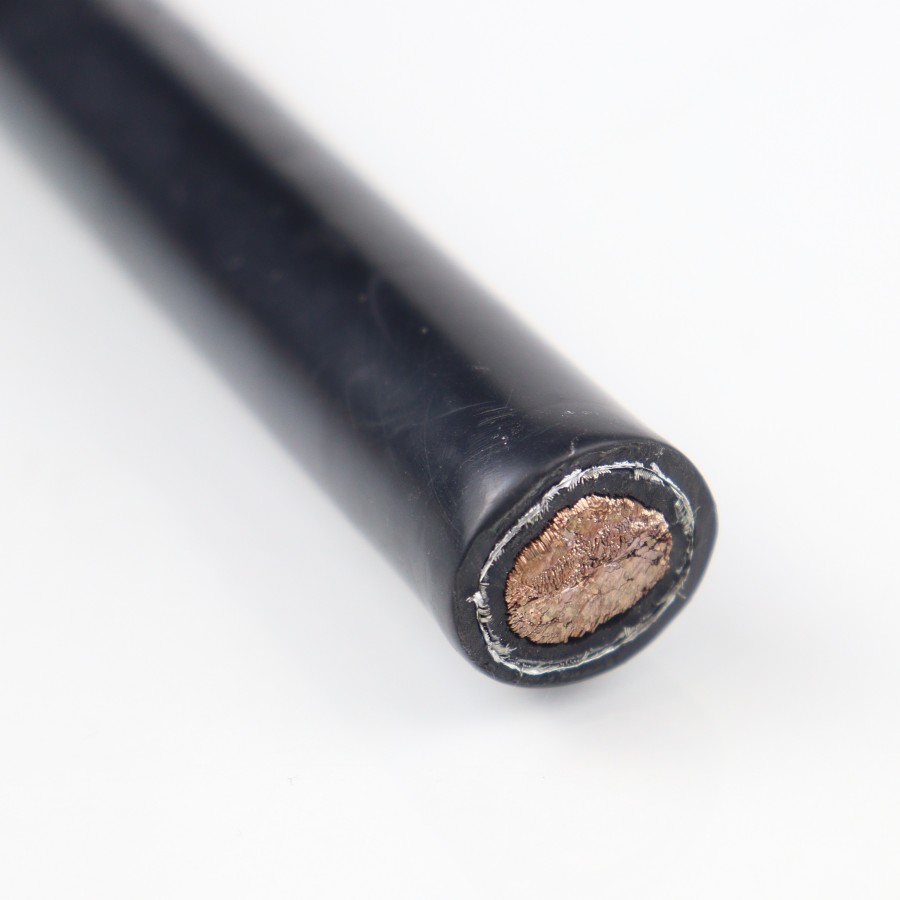
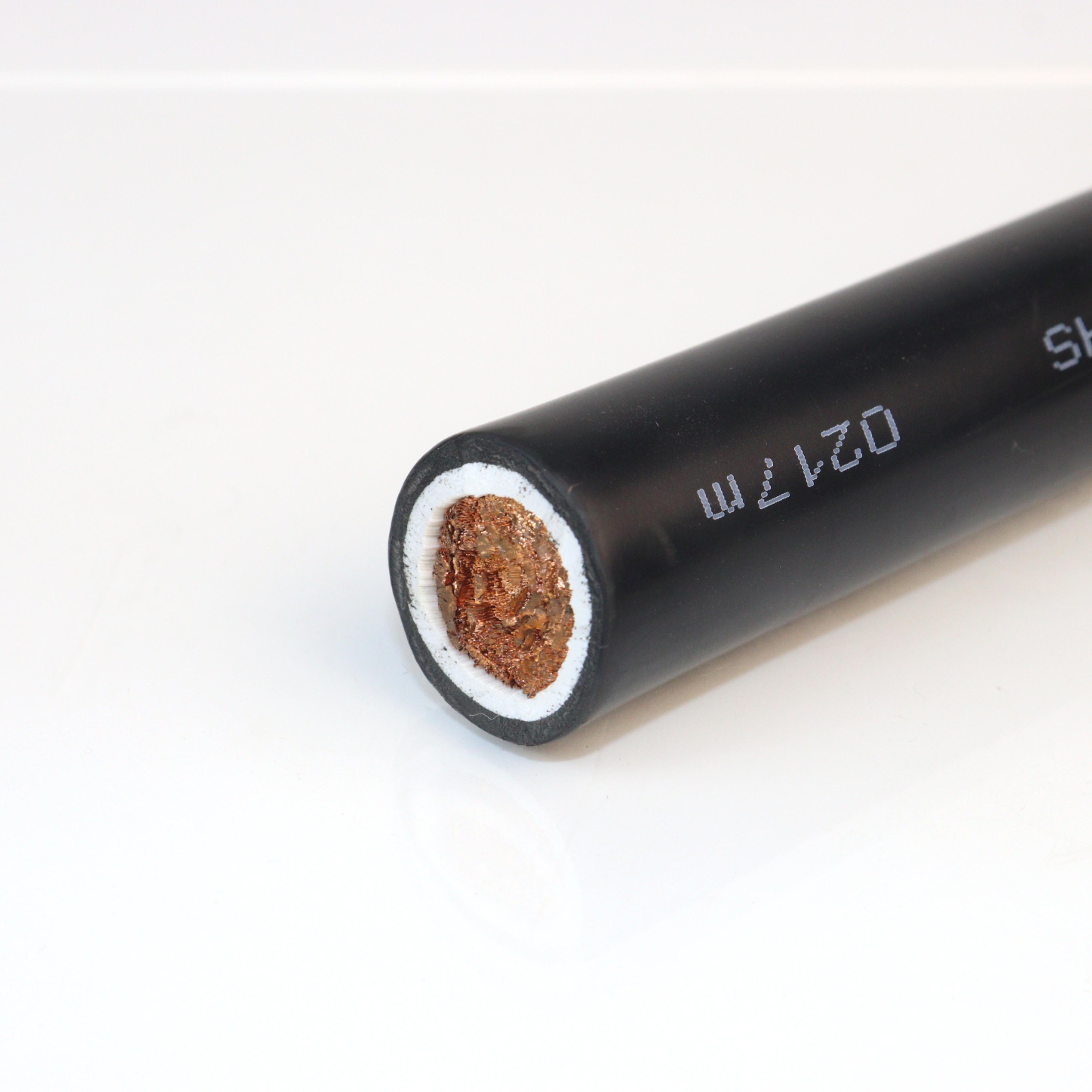
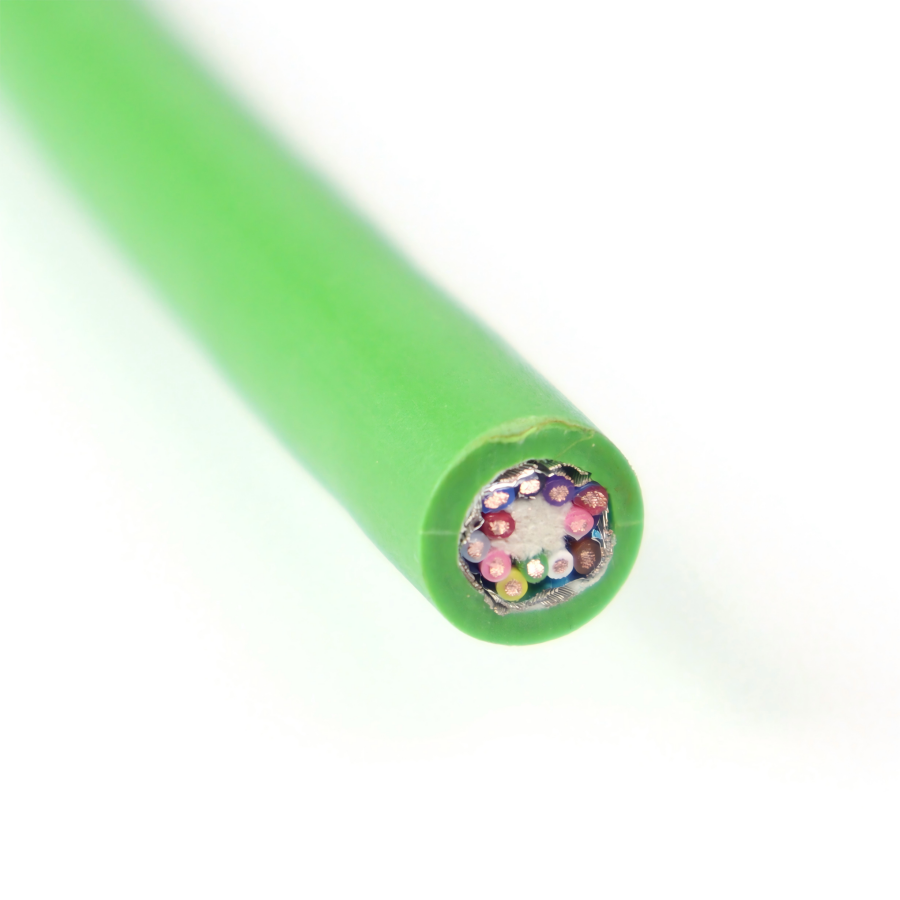
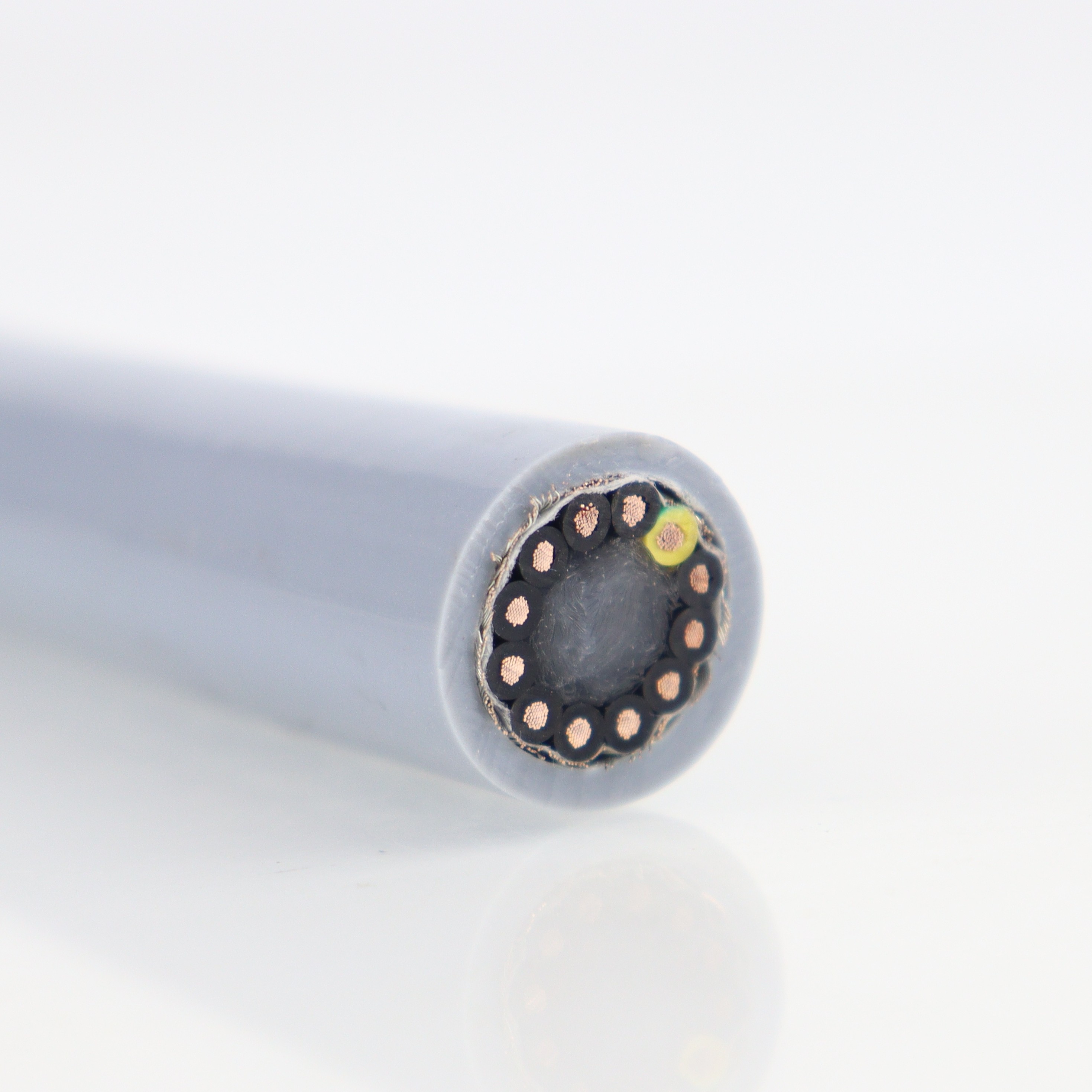
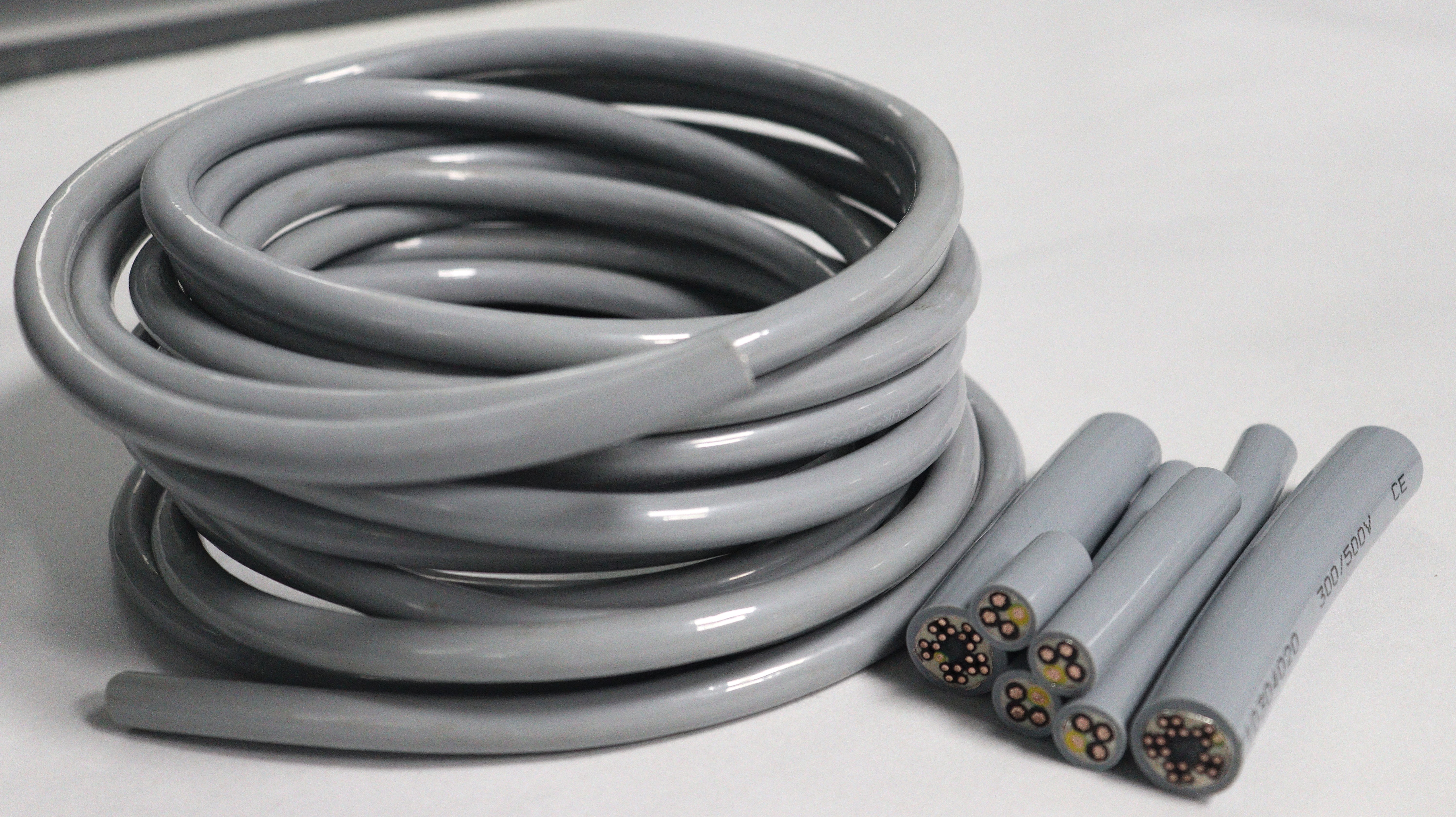
A shielded electrical cable carries power or signals while protecting the conductors from unwanted electrical interference. It combines one or more insulated conductors with a conductive shield, usually made from copper braid, foil, or a combination of both. An outer jacket then protects the assembly from moisture, abrasion, chemicals, and handling damage. This construction makes a shielded electrical cable a practical choice wherever clean signal transmission and dependable power delivery matter. The shield works by directing electromagnetic noise away from the conductors and toward ground when the system is correctly installed. As a result, a shielded electrical cable can reduce static, signal distortion, data errors, and unexpected equipment behavior. The cable may also limit emissions from the equipment itself, helping nearby devices operate with less interference. Available designs include single-core, multi-core, control, instrumentation, data, and power versions. Buyers can select different conductor sizes, insulation materials, voltage ratings, bend radii, temperature ranges, and jacket types to match the installation. A flexible shielded electrical cable suits moving machinery, while a rugged fixed-installation model supports factories, buildings, and outdoor systems. Proper grounding, connector selection, and routing remain important because the shield cannot compensate for poor installation. In practical terms, a shielded electrical cable helps maintain stable performance in environments containing motors, drives, radio equipment, switching systems, or long cable runs. It supports safer, more reliable connections in automation, telecommunications, audio systems, medical equipment, renewable energy installations, and commercial power networks. For projects that require consistent operation near electrical noise, a shielded electrical cable offers a clear balance of protection, flexibility, and long service life.
The main advantage of a shielded electrical cable is more dependable equipment operation. By reducing interference, a shielded electrical cable helps controllers, sensors, drives, and communication devices receive cleaner signals. This can prevent false readings, communication dropouts, audio noise, and unplanned shutdowns. For a buyer, that means fewer service calls, less troubleshooting time, and greater confidence that the installation will perform as expected. A shielded electrical cable also supports better protection in busy electrical environments. Factories often place power lines, motors, variable-speed drives, and control wiring close together. The shield helps separate these competing electrical effects, making the cable suitable for automation panels, production lines, robotics, and process equipment. In offices and commercial buildings, it can help preserve data quality near lighting systems, elevators, generators, and other sources of electrical activity. Another benefit involves equipment life and system stability. A shielded electrical cable reduces the chance that noise will cause repeated switching, inaccurate feedback, or stress on connected components. Although it does not replace proper grounding or surge protection, it adds an important layer of control. Buyers can also choose a design that matches the job instead of over-specifying every installation. Foil shields provide broad coverage and can keep cable size and cost low. Braided shields offer strong mechanical support and good flexibility, while combined shields provide higher protection for demanding locations. Jacket materials can add resistance to oil, sunlight, moisture, heat, or movement. For moving machines, a flexible shielded electrical cable can withstand repeated bending when its motion rating is suitable. For fixed routes, a tougher jacket can improve long-term durability. Before purchase, compare voltage, current capacity, conductor size, temperature rating, shielding method, bend radius, approvals, and installation conditions. This practical check helps customers avoid compatibility problems and select a shielded electrical cable that delivers reliable value rather than simply choosing the lowest initial price.

Practical Tips

Shanghai Libin Cable Showcases Robot and Automation Cable Solutions at CMES Shanghai Industrial Automation & Robotics Exhibition

16

Oct

Shanghai Libin Cable Showcases Robot and Automation Cable Solutions at CMES Shanghai Industrial Automation & Robotics Exhibition

View More
Shanghai Libin Cable Showcases Crane Cable Solutions at the 11th China (Changyuan) International Crane Equipment Expo

16

Oct

Shanghai Libin Cable Showcases Crane Cable Solutions at the 11th China (Changyuan) International Crane Equipment Expo

View More
Why Drag Chain Cables Fail: Four Common Causes and How to Select Correctly

16

Oct

Why Drag Chain Cables Fail: Four Common Causes and How to Select Correctly

View More
Industrial Robot Combination Cable: Routing Power and Signal Together in a Small-Bend-Radius Drag Chain

16

Oct

Industrial Robot Combination Cable: Routing Power and Signal Together in a Small-Bend-Radius Drag Chain

View More

Get a Free Quote

Our representative will contact you soon.
0/1000
Cleaner Signals in Noisy Environments

Cleaner Signals in Noisy Environments

A key selling point of a shielded electrical cable is its ability to control electromagnetic interference. The conductive layer surrounds the insulated conductors and helps divert unwanted electrical energy away from the working signal. This matters when equipment operates near motors, inverters, relays, transformers, wireless transmitters, or other switching devices. With less noise entering the circuit, a shielded electrical cable can improve sensor accuracy, maintain communication quality, and reduce audible hum in audio equipment. Customers gain a more stable system without needing to redesign the entire installation. The feature is especially valuable for automation and instrumentation, where a small signal error can trigger a larger production problem. It also supports dependable data transmission across longer routes, provided the cable rating and grounding method suit the application. Selecting the correct shield type gives buyers a practical way to balance signal protection, flexibility, space, and cost. The result is clearer performance and fewer interruptions in demanding electrical environments.
Durable Construction for Long Service

Durable Construction for Long Service

A shielded electrical cable does more than block interference; its layered construction can also protect the conductors during everyday use. Insulation separates the cores, the shield adds coverage and mechanical support, and the outer jacket guards against abrasion, moisture, oil, sunlight, and handling damage. Depending on the design, a shielded electrical cable can serve fixed routes, control cabinets, outdoor equipment, or moving machinery. This flexibility helps customers select one product family for different project conditions while still matching important technical requirements. A suitable jacket reduces premature cracking and helps maintain insulation performance over time. Strong shielding can also resist handling stress during installation, although installers must follow the specified bend radius and pulling limits. For buyers, durable construction can lower replacement frequency and reduce downtime linked to cable damage. It can also simplify maintenance because a dependable cable is less likely to create intermittent faults that are difficult to locate. Choosing the right material and motion rating delivers useful service life and predictable operating cost.
Flexible Options for Many Applications

Flexible Options for Many Applications

The product range behind a shielded electrical cable makes it suitable for more than one type of project. Customers can choose single-core or multi-core formats, different conductor sizes, varied voltage ratings, and insulation designed for heat, chemicals, outdoor exposure, or continuous movement. A shielded electrical cable can therefore support control signals, instrumentation, data links, audio systems, industrial power, renewable energy equipment, and building services. This range gives engineers and purchasing teams room to match the cable to actual operating conditions rather than relying on a general-purpose option. Flexible versions fit robotic arms and moving machinery, while compact versions help organize crowded control panels. Higher-rated designs suit demanding industrial routes, and lighter options may reduce installation effort in commercial systems. Buyers should confirm current capacity, grounding requirements, connector compatibility, environmental ratings, approvals, and installation method before ordering. That check turns product variety into a practical advantage. The right shielded electrical cable can improve compatibility, simplify procurement, and provide dependable performance across a wide range of electrical applications.