Flexible Shielded Cable for Reliable Control

application/flexible-shielded-cable, application/flexible-shielded-cable, 
Inquiry
Inquiry

flexible shielded cable

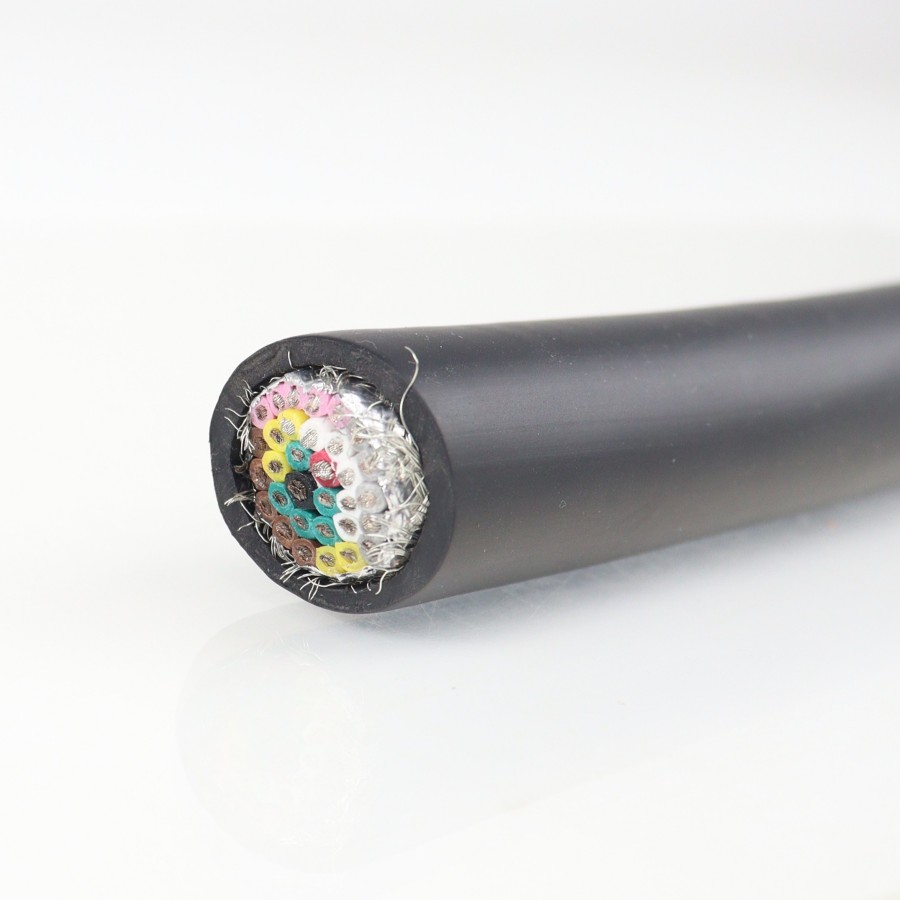
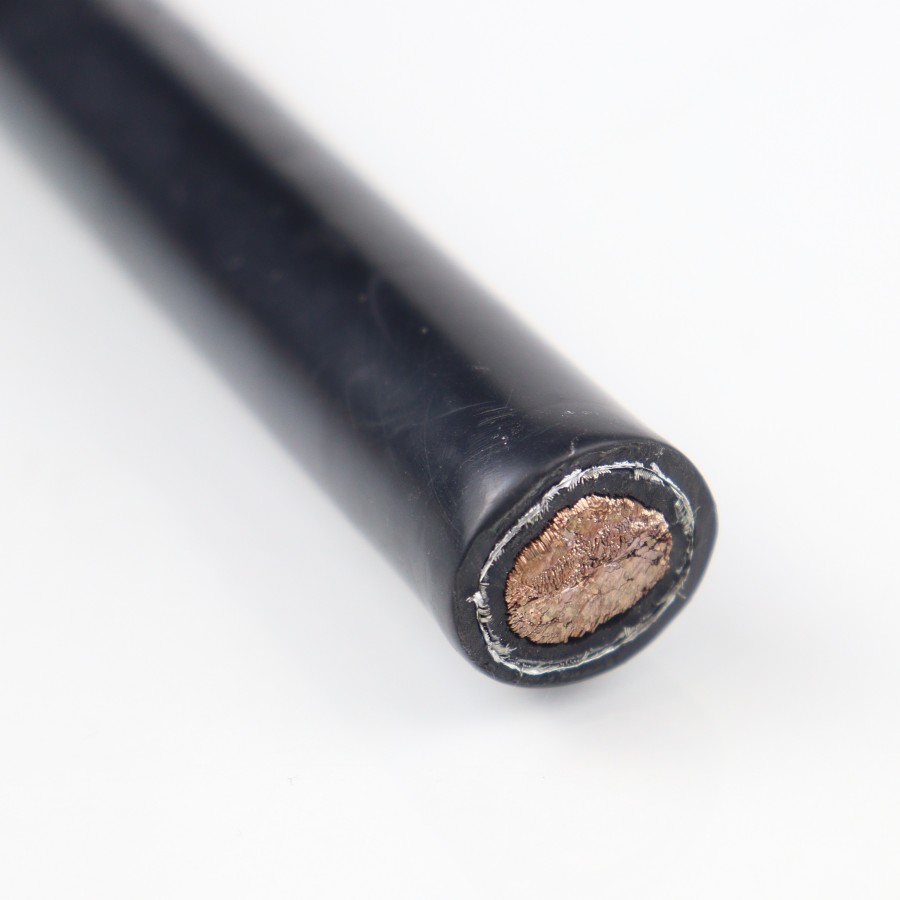
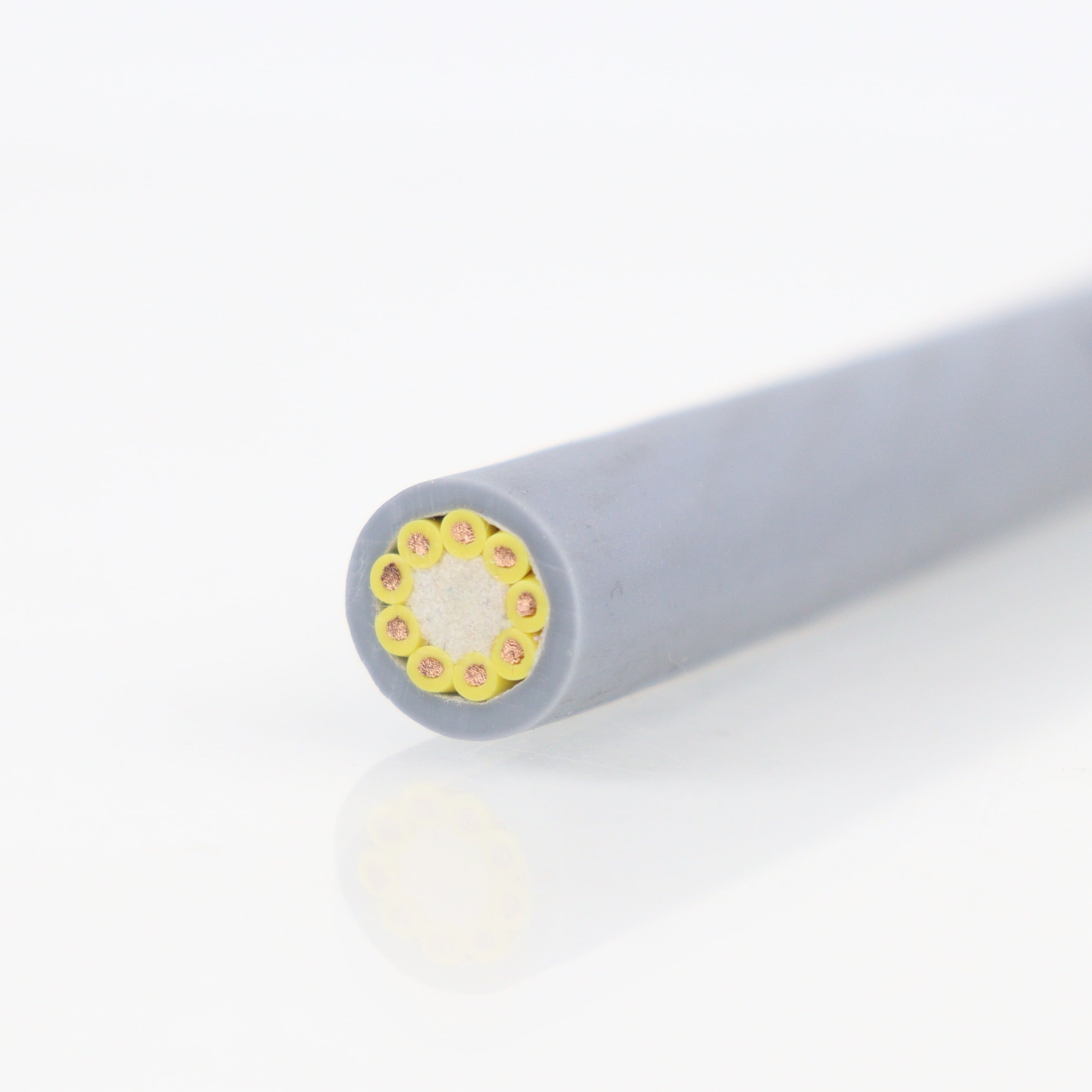
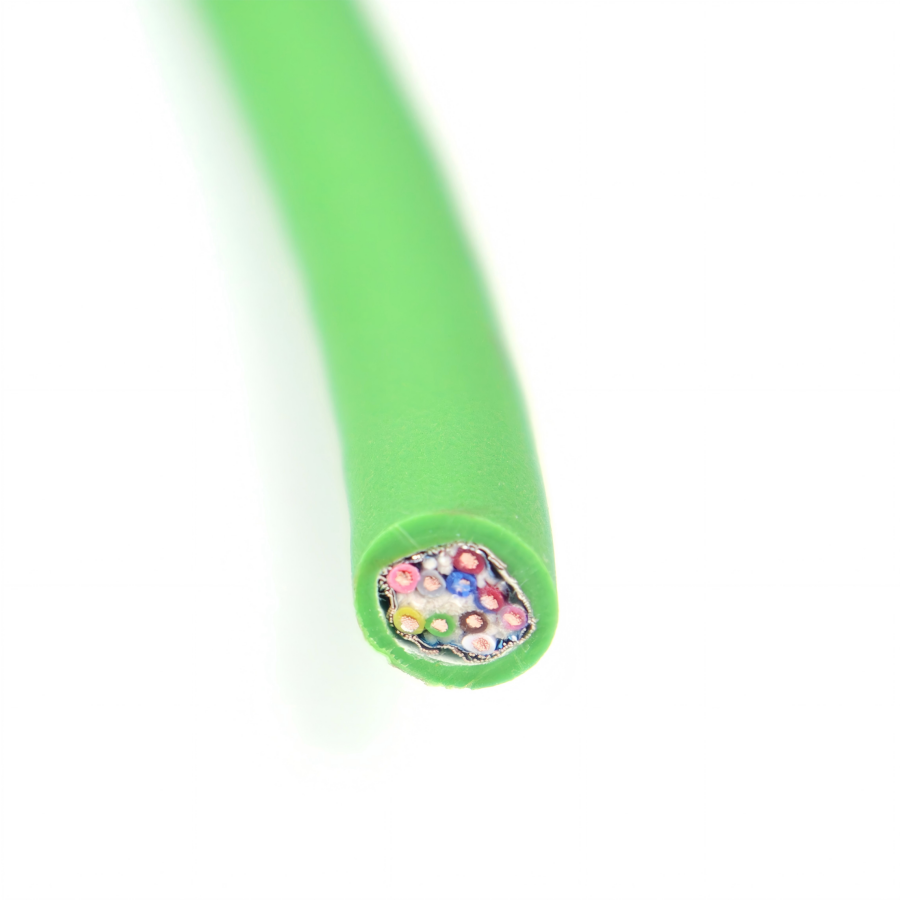
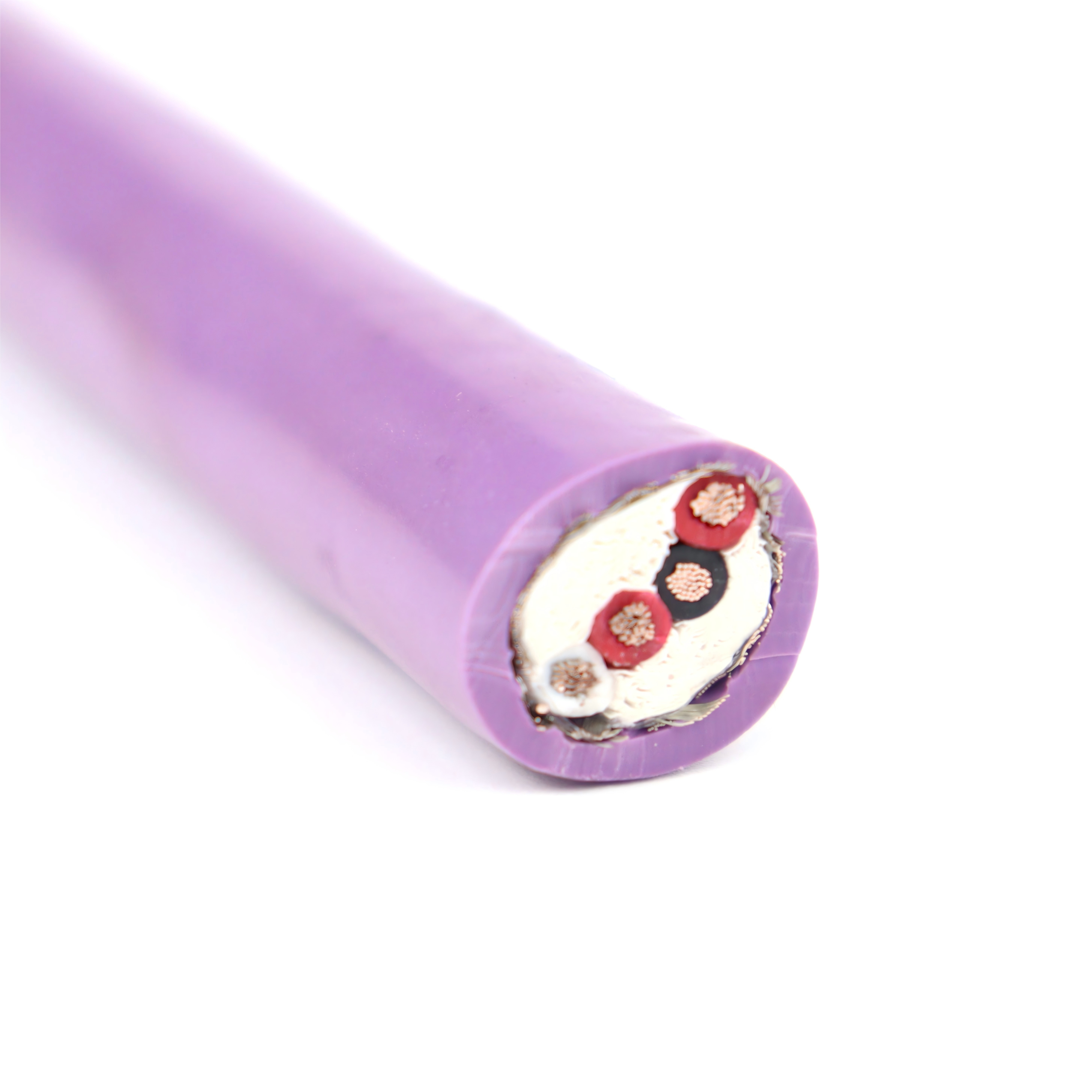
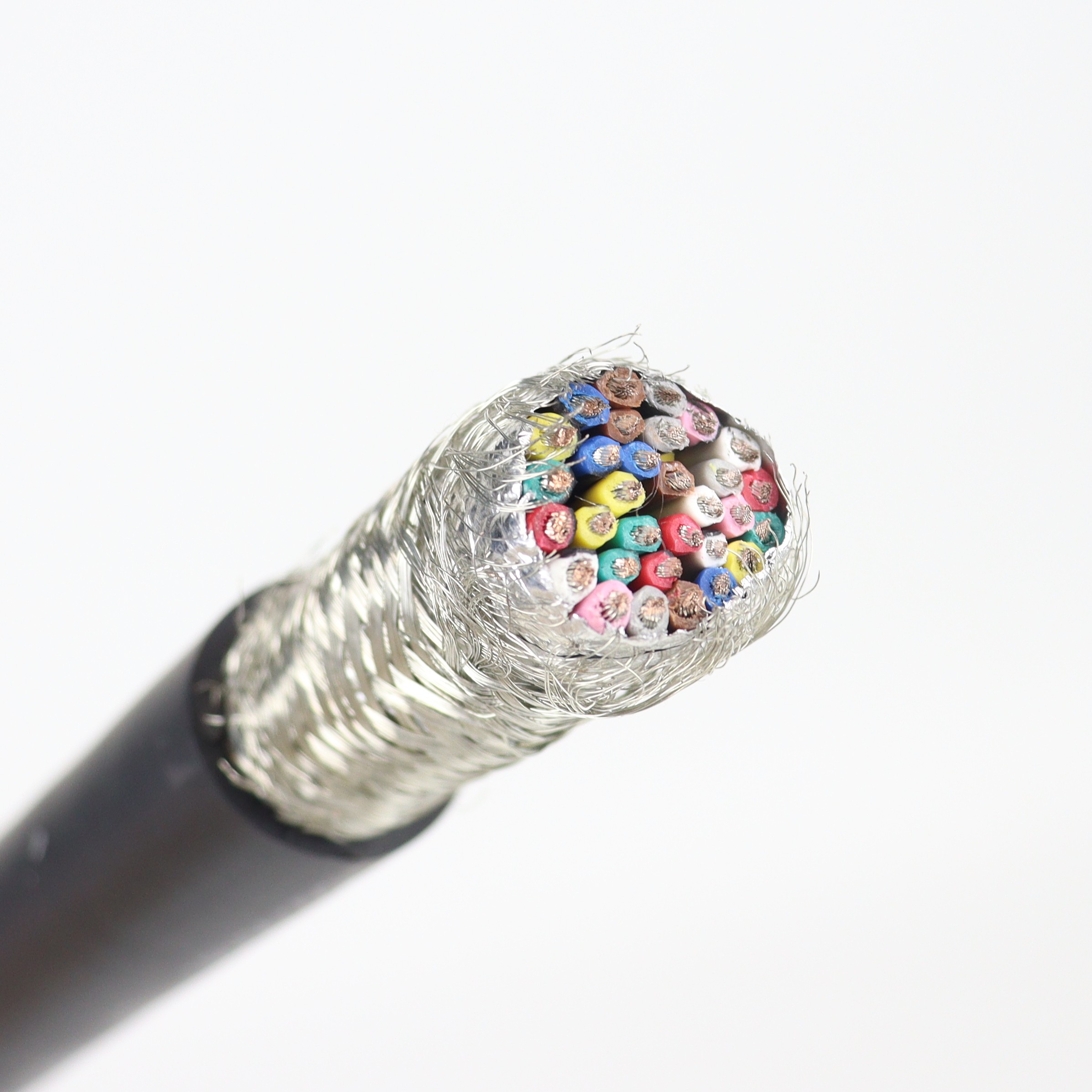
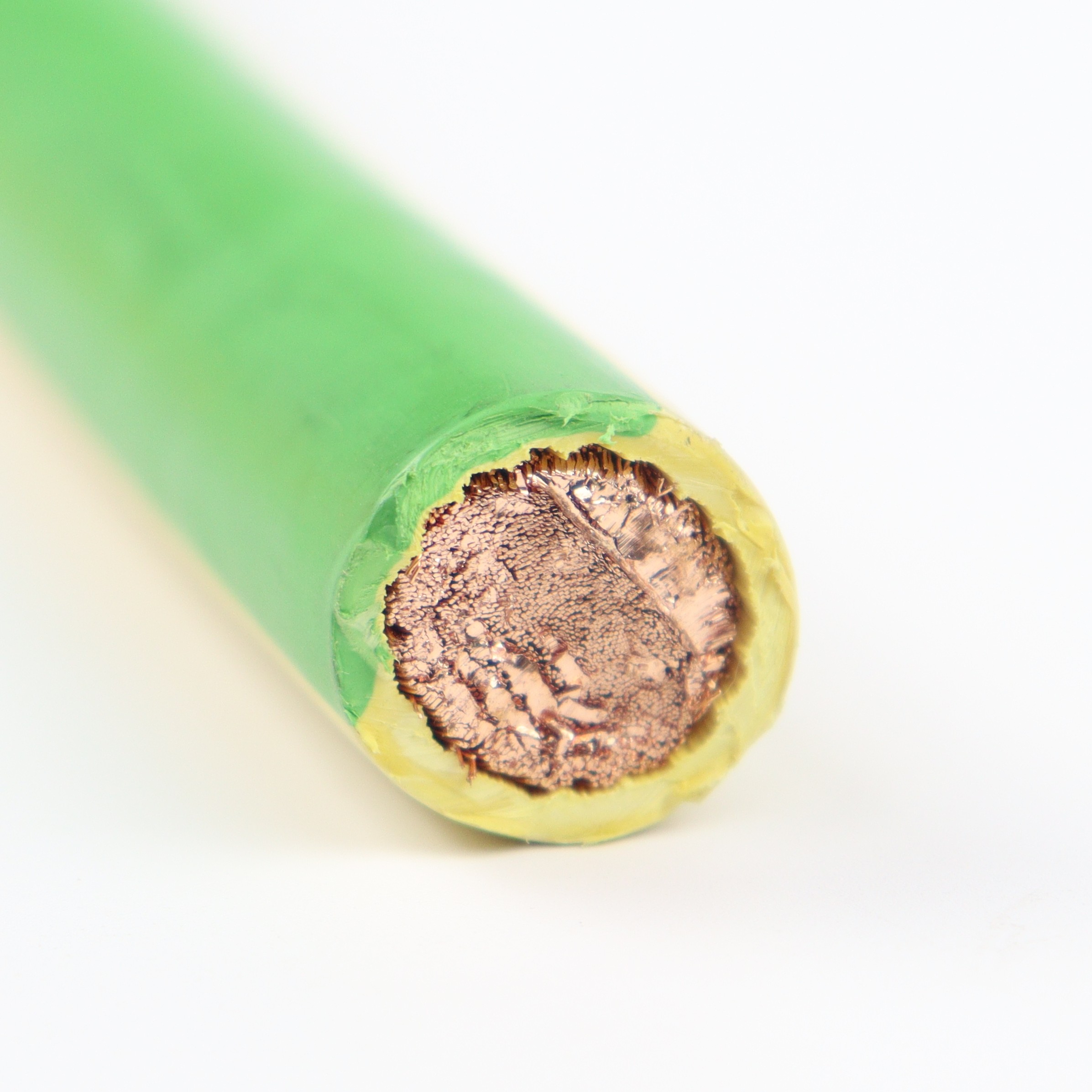
A flexible shielded cable combines easy movement with protection against electrical interference. It carries power, control signals, data, or audio signals while a conductive shield reduces noise from motors, drives, relays, and nearby wiring. This flexible shielded cable is built for equipment that bends, twists, or travels repeatedly, making it suitable for machine tools, robots, conveyors, packaging systems, and automated production lines. A flexible shielded cable commonly uses fine-stranded copper conductors, insulation, a foil or braided shield, and an outer jacket. Fine strands support repeated motion, while the shield helps maintain stable signal quality. Depending on the design, the cable may include a drain wire, protective separator, oil-resistant jacket, flame-retardant material, or enhanced resistance to abrasion and chemicals. The flexible shielded cable can also support different voltage, temperature, bending radius, and speed requirements. Its main function is to connect moving or vibration-prone components without allowing unwanted electrical noise to disrupt operation. During installation, flexible shielded cable can simplify routing through drag chains, tight machine spaces, and moving assemblies. In industrial controls, flexible shielded cable helps sensors, encoders, motors, and control panels communicate consistently. In commercial equipment, flexible shielded cable supports reliable connections in printers, medical devices, test systems, and sound equipment. Selecting a flexible shielded cable requires attention to conductor size, number of cores, shielding coverage, jacket material, bend cycles, and environmental conditions. With the right specification, flexible shielded cable improves connection stability and supports dependable long-term equipment performance.
The biggest advantage of flexible shielded cable is reliable performance in electrically noisy locations. A shield limits interference that can create false readings, unstable data, motor control errors, or unwanted audio noise. This flexible shielded cable therefore helps equipment deliver more predictable results without requiring major changes to the surrounding system. Flexibility also creates practical value. The cable bends more easily than a rigid design, so installers can route it around moving parts, cabinets, hinges, and narrow channels. A flexible shielded cable can reduce installation time and help prevent sharp bends that damage conductors. In repeated-motion equipment, flexible shielded cable supports smoother travel and can reduce stress at connection points. That can lower unplanned maintenance and extend replacement intervals. Buyers also gain application choice. A flexible shielded cable may serve robots, CNC machines, conveyors, automated inspection units, packaging equipment, and control cabinets, depending on its rated construction. Options with oil-resistant, flame-retardant, low-smoke, or abrasion-resistant jackets can match demanding work areas. The flexible shielded cable can protect signal quality while supporting compact machine layouts, which helps engineers save space and simplify cable management. Product selection still matters. Buyers should compare conductor size, voltage rating, operating temperature, bending radius, motion frequency, shield type, jacket material, and required length. A flexible shielded cable designed for fixed installation may not suit continuous motion, while a high-flex version may offer better value in drag-chain service. Choosing the correct flexible shielded cable at the start can reduce downtime, service calls, rewiring, and performance complaints. For customers, the result is a practical balance of clean signals, easier installation, dependable movement, and lower ownership risk.

Tips And Tricks

Shanghai Libin Cable Showcases Robot and Automation Cable Solutions at CMES Shanghai Industrial Automation & Robotics Exhibition

16

Oct

Shanghai Libin Cable Showcases Robot and Automation Cable Solutions at CMES Shanghai Industrial Automation & Robotics Exhibition

View More
Shanghai Libin Cable Showcases Crane Cable Solutions at the 11th China (Changyuan) International Crane Equipment Expo

16

Oct

Shanghai Libin Cable Showcases Crane Cable Solutions at the 11th China (Changyuan) International Crane Equipment Expo

View More
Why Drag Chain Cables Fail: Four Common Causes and How to Select Correctly

16

Oct

Why Drag Chain Cables Fail: Four Common Causes and How to Select Correctly

View More
Industrial Robot Combination Cable: Routing Power and Signal Together in a Small-Bend-Radius Drag Chain

16

Oct

Industrial Robot Combination Cable: Routing Power and Signal Together in a Small-Bend-Radius Drag Chain

View More

Get a Free Quote

Our representative will contact you soon.
0/1000
Stable Signals in Noisy Equipment

Stable Signals in Noisy Equipment

A flexible shielded cable helps keep useful signals separate from electrical disturbance. Its conductive shield surrounds the signal path and directs much of the unwanted noise away from sensitive conductors. This matters when cables run near servo motors, variable-frequency drives, transformers, contactors, or high-current power lines. With a flexible shielded cable, sensors can send clearer readings and control systems can receive more consistent commands. The design supports dependable communication without forcing the user to move every cable away from a noisy source. A flexible shielded cable can also reduce audio hum and data errors in specialized equipment. Shield construction may use foil, braid, or a combined layer, so buyers can choose coverage suited to the application. Proper grounding remains important, but the cable provides a strong first line of defense. The result is fewer nuisance faults, more stable production, and greater confidence when equipment operates continuously. For systems where accurate feedback affects quality, this noise-control feature delivers clear operational value.
Built for Repeated Movement

Built for Repeated Movement

A flexible shielded cable supports machines that move every day rather than simply connecting fixed points. Fine-stranded conductors allow the cable to bend repeatedly with less internal stress than standard solid or low-flex designs. This makes a flexible shielded cable well suited to robotic arms, drag chains, pick-and-place units, gantries, and moving inspection heads. A carefully designed flexible shielded cable also uses suitable insulation, separators, and jacket materials to manage friction during travel. When the cable follows the correct bend radius, it can withstand frequent cycles while maintaining electrical performance. This reduces the chance of cracked insulation, broken conductors, or intermittent signals caused by constant movement. Buyers benefit from fewer cable changes and less production disruption. Installers also gain easier routing because the cable follows machine contours without excessive force. Application suitability depends on travel distance, speed, bend radius, cycle count, and the surrounding environment. Selecting a motion-rated flexible shielded cable gives equipment designers a more dependable connection and helps protect the investment in automated machinery.
Protection for Demanding Workplaces

Protection for Demanding Workplaces

A flexible shielded cable can combine signal protection with a jacket designed for real industrial conditions. Depending on the product, the outer layer may resist oil, coolants, moisture, abrasion, heat, flame, or low temperatures. This makes a flexible shielded cable useful in workshops, factories, processing areas, transport equipment, and outdoor enclosures. The shield protects signal integrity, while the jacket helps guard the internal conductors from everyday exposure. A flexible shielded cable with the right environmental rating can reduce premature aging and make routine cable management easier. It also supports safer, cleaner installations when the product meets the required flame or smoke standard. Buyers should match the jacket and temperature range to actual conditions instead of choosing only by price. Check whether the cable faces chemicals, washdown, sharp edges, sunlight, or continuous flexing. The correct choice can lower replacement frequency and help preserve system availability. For equipment builders, one well-specified flexible shielded cable can support dependable operation across multiple machine designs and reduce the need for frequent redesigns.