shielded ribbon cable
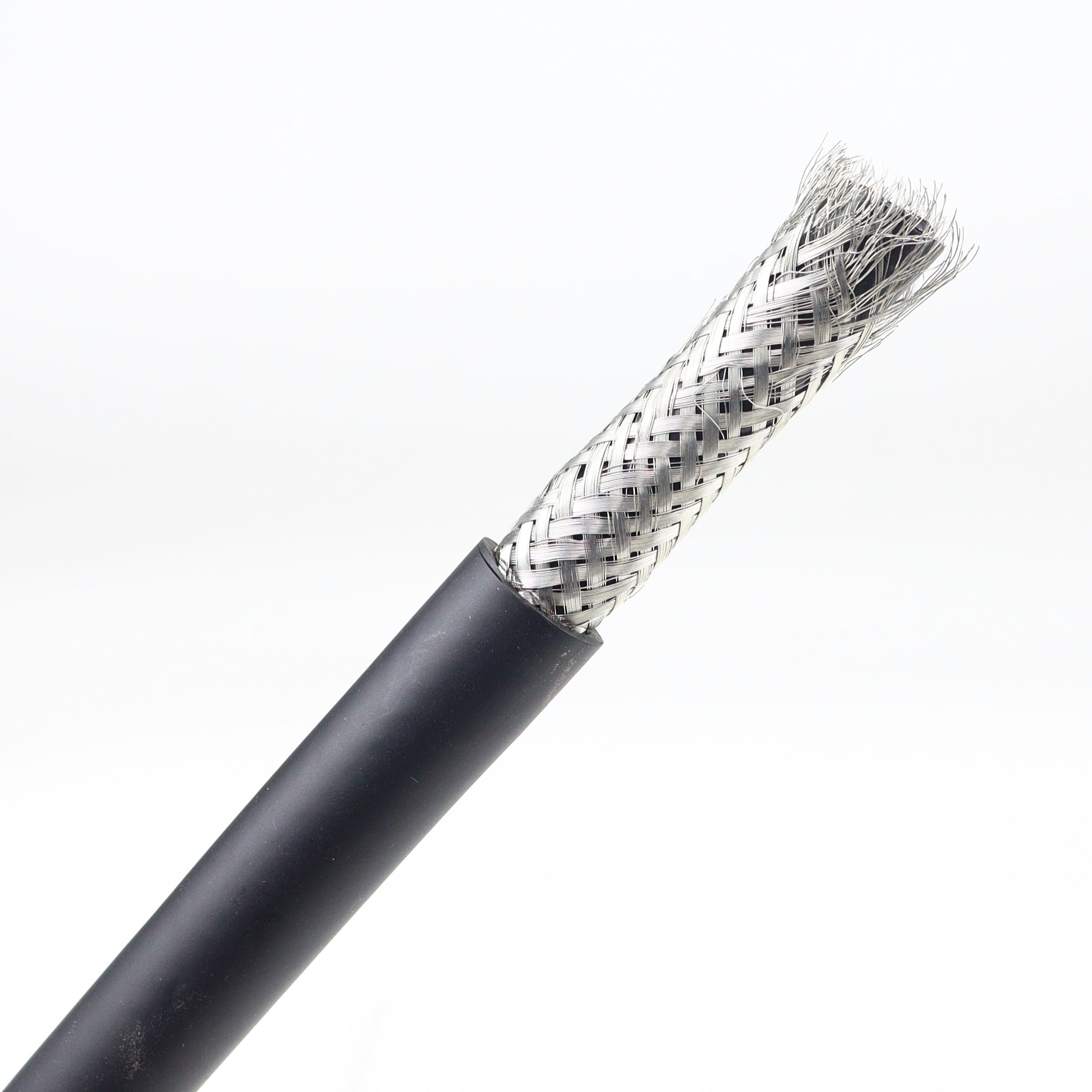
A shielded ribbon cable is a flat, multi-conductor cable designed to carry several electrical signals in an organized, space-saving format while reducing interference. Its parallel conductors sit in a consistent arrangement, which makes the shielded ribbon cable easy to route between boards, connectors, sensors, and control equipment. The outer conductive layer, usually foil, braid, or a combination of both, helps block electromagnetic and radio-frequency noise that can weaken signal quality.
The shielded ribbon cable supports power, control, data, and low-voltage communication circuits. A drain wire or grounding path may connect the shield to system ground, giving unwanted energy a controlled route away from the conductors. Depending on the design, the shielded ribbon cable may use PVC, LSZH, or other flexible jackets selected for temperature, chemical, and flame requirements. Conductors can be tin-plated copper or bare copper, with different sizes and spacing options for varied electrical loads.
Manufacturers offer the shielded ribbon cable with IDC, D-sub, board, or custom connectors. Its flat profile supports neat panel layouts and helps engineers maintain consistent wire order during installation. Some versions include polarized connectors, strain relief, color coding, or numbered conductors to reduce assembly mistakes. A shielded ribbon cable also supports repeatable production because machines can terminate many contacts in one operation.
Common uses include industrial controllers, computers, test instruments, medical equipment, robotics, automation panels, and communication hardware. For projects that place signal wires near motors, relays, switching supplies, or wireless devices, selecting a shielded ribbon cable can improve stability. Overall, the shielded ribbon cable combines compact routing, organized connections, and practical noise protection in one readily configurable assembly.