Shielded Flex Cable for Reliable Signal Control

application/shielded-flex-cable, application/shielded-flex-cable, 
Inquiry
Inquiry

shielded flex cable

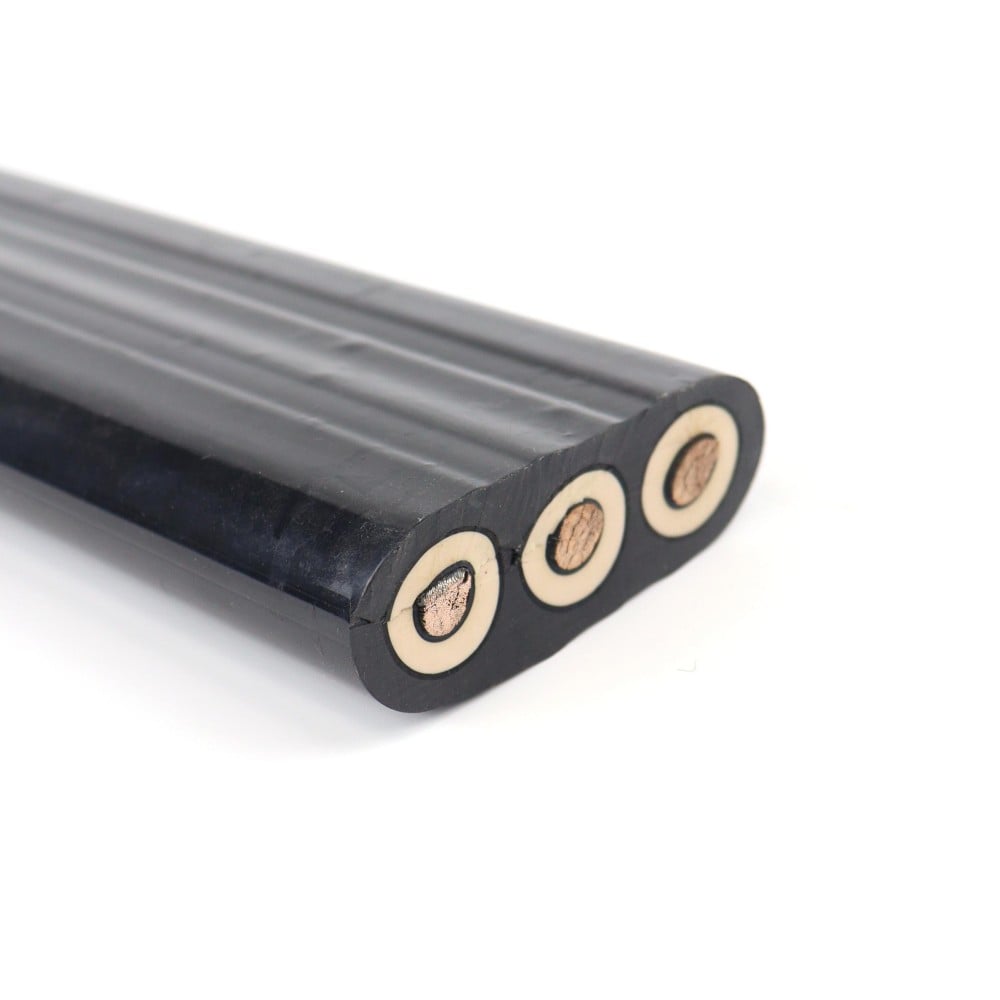
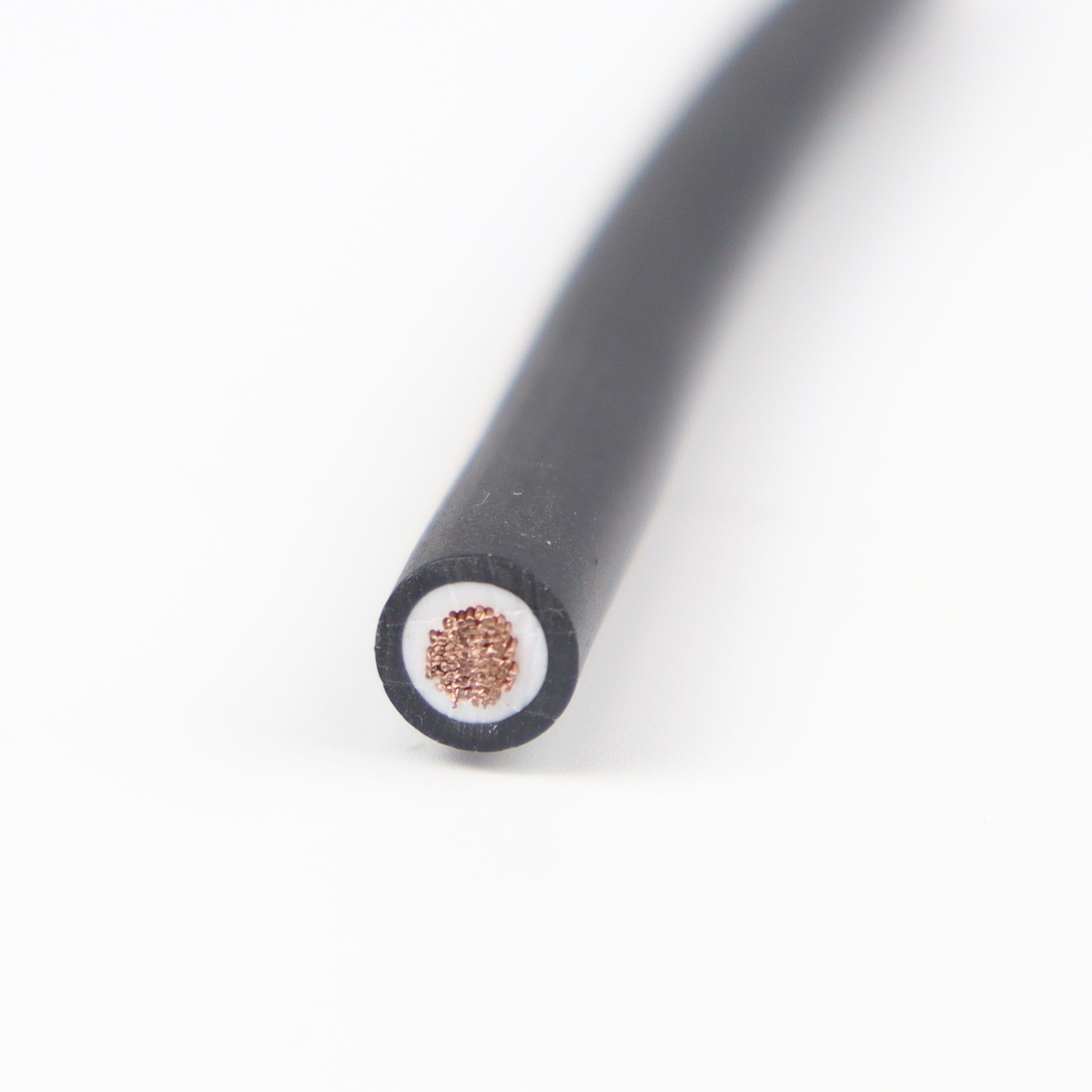
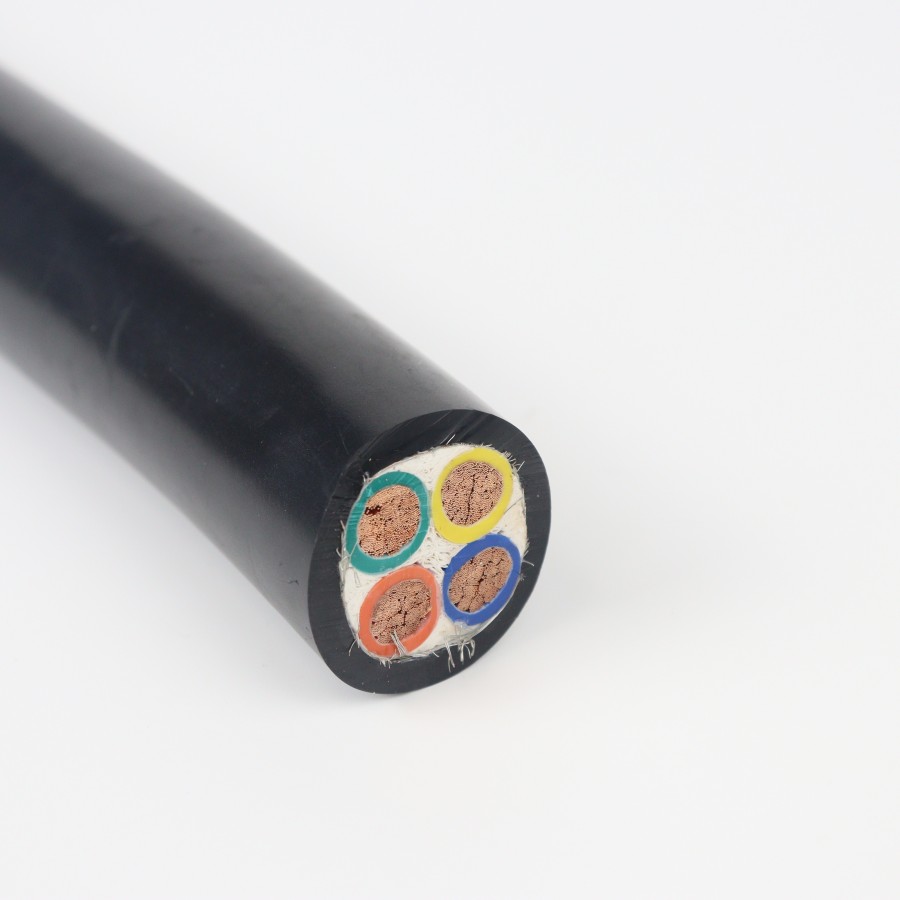
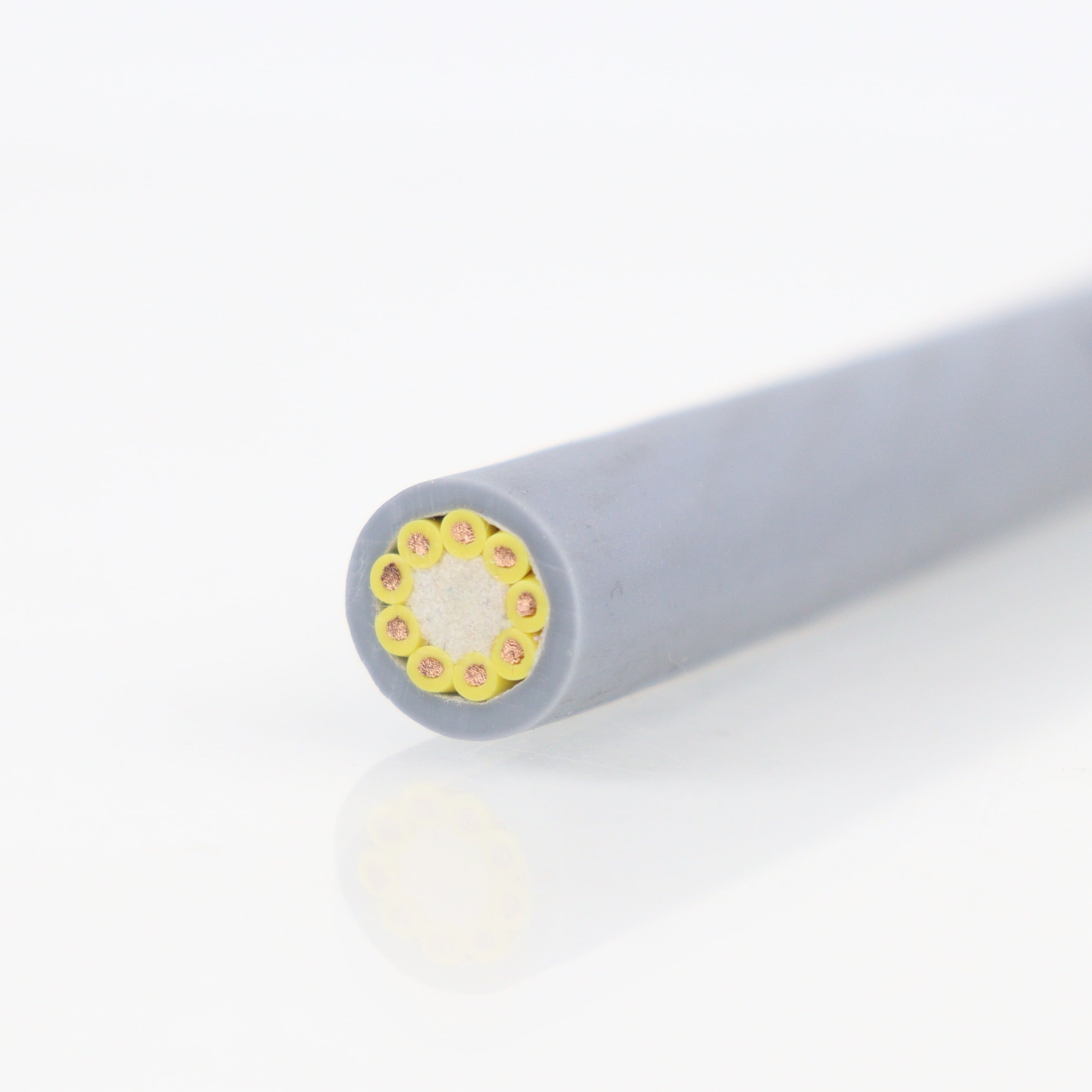
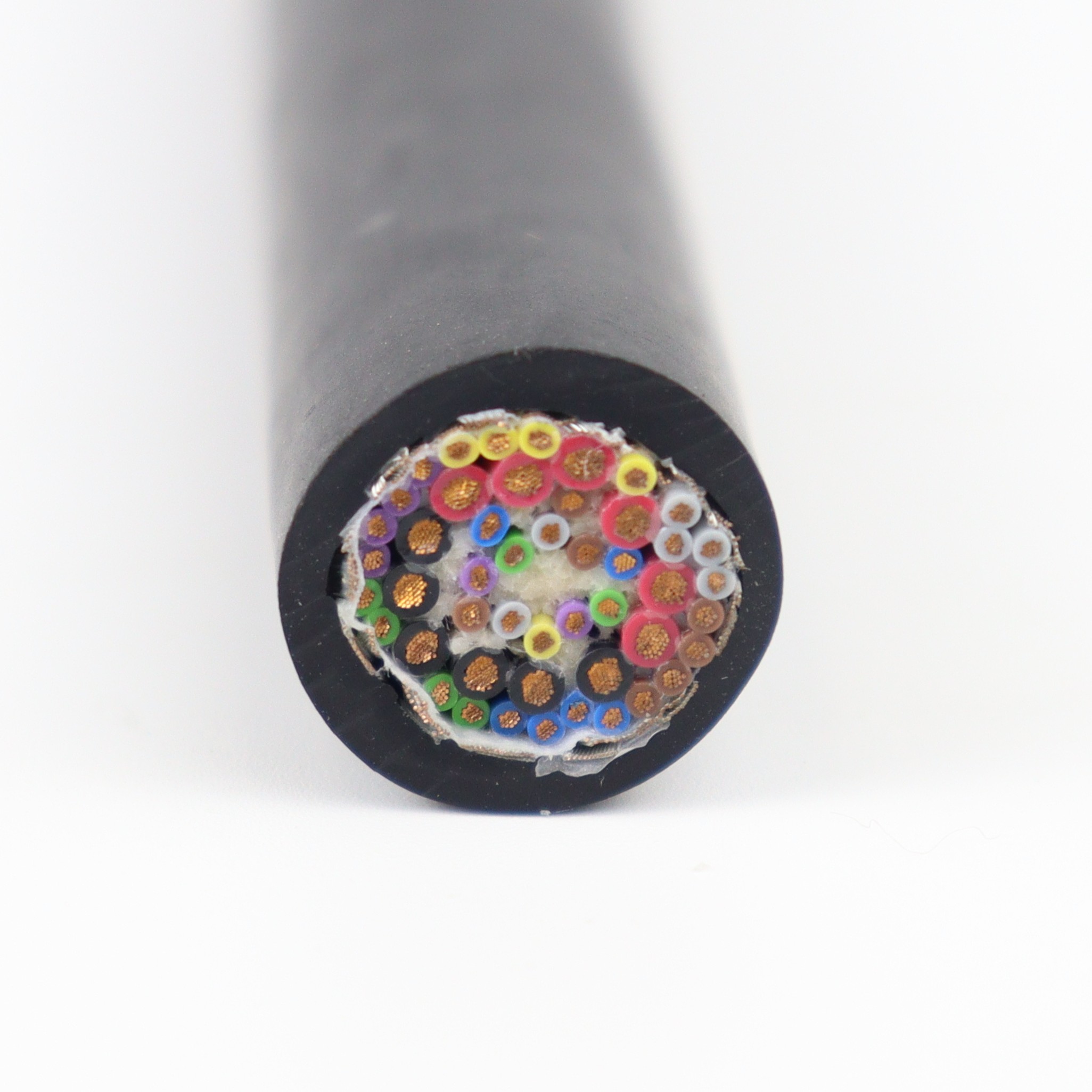
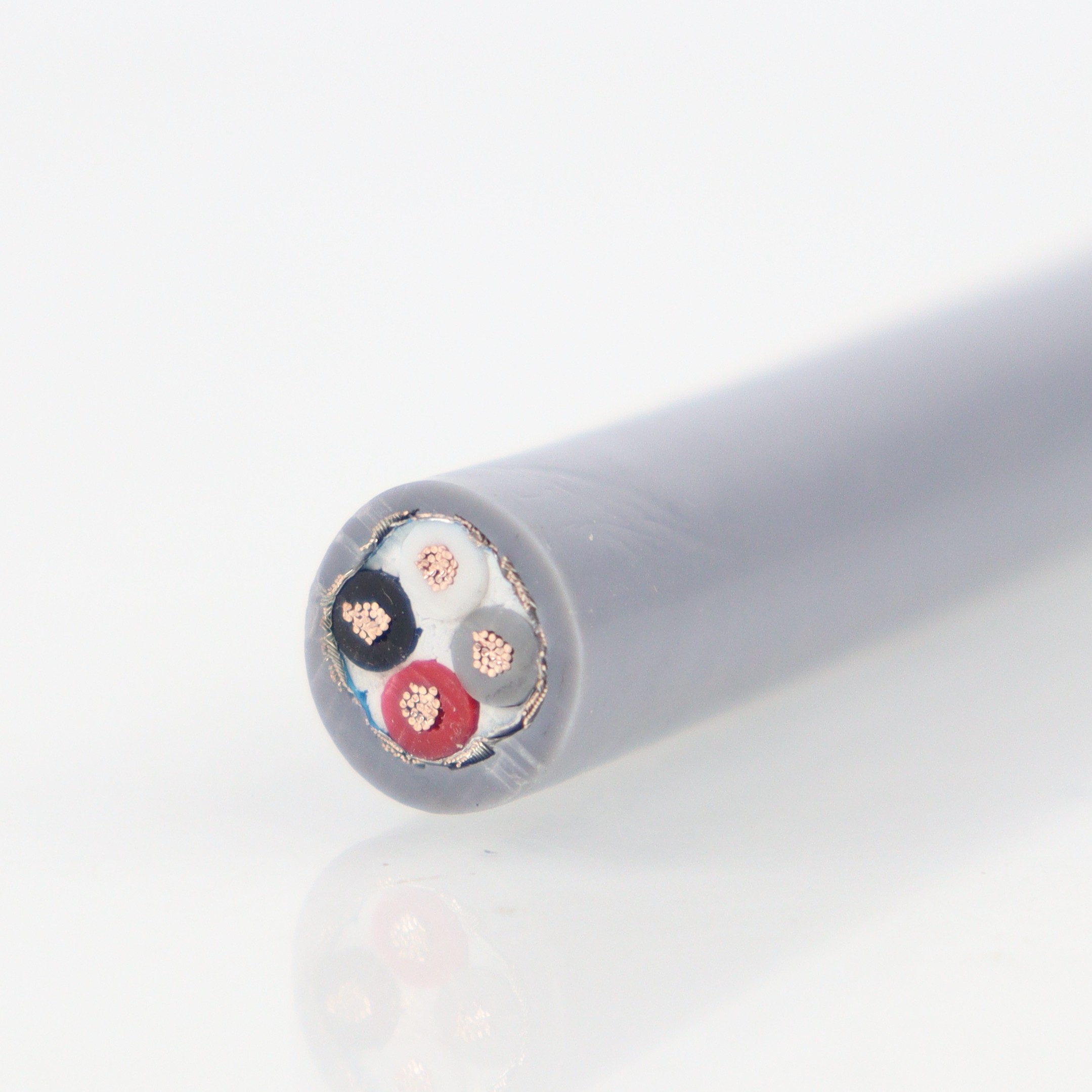
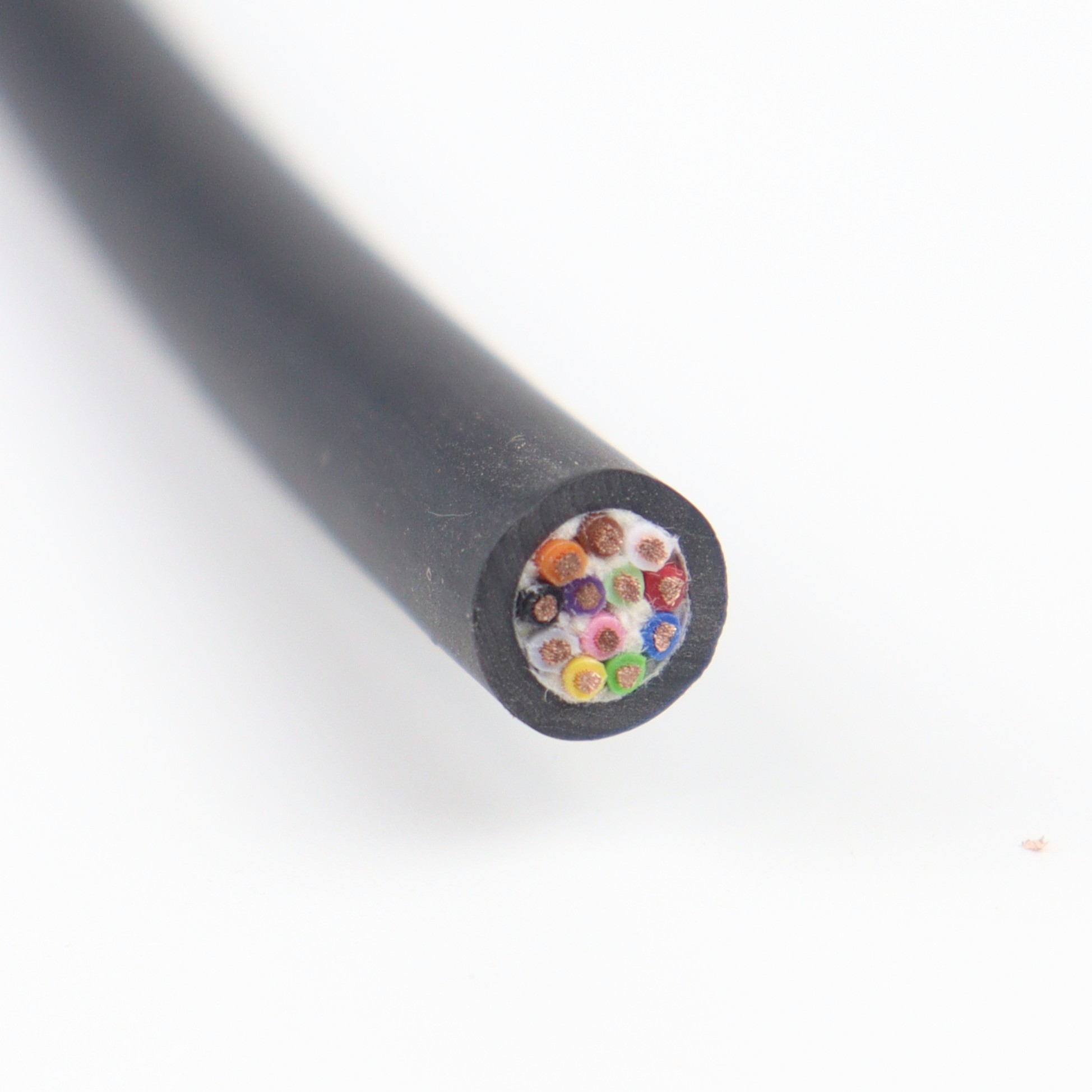
A shielded flex cable is a flexible electrical cable designed to carry power or data while reducing interference from nearby equipment. Its main function is to maintain dependable signal quality in spaces where cables move, bend, or pass close to motors, drives, relays, and wireless devices. A shielded flex cable combines stranded conductors with an insulating layer, a conductive shield, and an outer jacket. The shield may use foil, braided metal, or a combination of both, depending on the required protection level. This shielded flex cable construction helps block electromagnetic noise and limits unwanted signal radiation. Because the conductors use fine strands, the shielded flex cable can handle repeated bending more effectively than a rigid cable. It can support moving machine parts, compact control cabinets, robotic joints, sensor assemblies, and guided cable tracks. A shielded flex cable may also include drain wires, color-coded cores, molded connectors, or custom lengths to simplify installation. Jacket materials can be selected for oil resistance, abrasion protection, heat tolerance, or outdoor exposure. The shielded flex cable carries control signals, sensor outputs, communications, audio, video, or low-voltage power, based on its design. Proper grounding allows the shield to divert interference away from the conductors. For buyers, a shielded flex cable offers a practical balance of movement, signal stability, and installation efficiency. In short, this cable type suits equipment that needs both flexibility and electrical protection. Selecting a shielded flex cable helps reduce communication errors, unexpected machine stops, and maintenance caused by noise or repeated cable movement.
The first advantage of a shielded flex cable is cleaner signal transmission. The conductive layer helps reduce interference created by motors, switching devices, converters, and other electrical sources. This benefit matters when equipment depends on accurate sensor readings, stable data exchange, or precise control commands. A shielded flex cable can therefore help prevent false alarms, corrupted data, and inconsistent machine behavior. A second benefit is reliable movement. Fine-stranded conductors allow the cable to bend repeatedly without becoming stiff too quickly. This makes a shielded flex cable suitable for robotic arms, pick-and-place systems, moving tables, inspection machines, and cable carriers. Customers can route the cable through tight spaces while keeping the installation neat. Correct bend radius, strain relief, and mounting remain important, but the flexible design supports longer service life when the cable matches the motion profile. The shielded flex cable also gives buyers useful design flexibility. Suppliers can provide different core counts, conductor sizes, jacket compounds, shielding methods, lengths, and connector options. A shielded flex cable can carry power, data, or mixed low-voltage circuits when its electrical ratings permit. This allows one cable solution to fit control panels, medical equipment, factory tools, vehicles, and electronic assemblies. Operationally, a shielded flex cable may reduce troubleshooting time because stable signals make faults easier to isolate. Its protection can also lower the risk of replacing damaged components caused by electrical noise. For demanding installations, a shielded flex cable with a durable jacket can resist abrasion, oil, heat, or moisture. Buyers should compare voltage, current, frequency, shielding coverage, grounding method, bend life, temperature range, and connector compatibility before ordering. In practical terms, the right shielded flex cable improves uptime, supports cleaner layouts, and provides dependable performance without sacrificing movement.

Latest News

Shanghai Libin Cable Showcases Robot and Automation Cable Solutions at CMES Shanghai Industrial Automation & Robotics Exhibition

16

Oct

Shanghai Libin Cable Showcases Robot and Automation Cable Solutions at CMES Shanghai Industrial Automation & Robotics Exhibition

View More
Shanghai Libin Cable Showcases Crane Cable Solutions at the 11th China (Changyuan) International Crane Equipment Expo

16

Oct

Shanghai Libin Cable Showcases Crane Cable Solutions at the 11th China (Changyuan) International Crane Equipment Expo

View More
Why Drag Chain Cables Fail: Four Common Causes and How to Select Correctly

16

Oct

Why Drag Chain Cables Fail: Four Common Causes and How to Select Correctly

View More
Industrial Robot Combination Cable: Routing Power and Signal Together in a Small-Bend-Radius Drag Chain

16

Oct

Industrial Robot Combination Cable: Routing Power and Signal Together in a Small-Bend-Radius Drag Chain

View More

Get a Free Quote

Our representative will contact you soon.
0/1000
Effective Protection Against Electrical Noise

Effective Protection Against Electrical Noise

A key strength of a shielded flex cable is its ability to control electrical interference. Motors, variable-speed drives, switching power supplies, and relays can create noise that affects nearby signal lines. The shield provides a conductive barrier that helps prevent this energy from reaching the inner conductors or escaping into surrounding equipment. When installed and grounded correctly, a shielded flex cable supports cleaner readings from sensors and more dependable communication between controllers and devices. This feature has direct value for customers. It can reduce unexplained resets, communication faults, inaccurate measurements, and machine pauses. The shielded flex cable is especially useful when a signal route must run beside power cables or inside a crowded control cabinet. Buyers can choose foil shielding for broad coverage or braided shielding for stronger mechanical support and repeated movement. A combined design may offer both benefits. By selecting the suitable construction, users gain a practical way to protect sensitive electronics without redesigning the whole system.
Flexible Construction for Moving Equipment

Flexible Construction for Moving Equipment

The shielded flex cable combines electrical protection with a design made for movement. Fine copper strands give the conductors the flexibility needed for repeated bending, while the outer jacket protects the internal layers from normal wear. This makes the shielded flex cable a strong choice for robots, automated slides, machine tools, packaging equipment, and cable tracks. It can follow a controlled path while the machine operates, helping prevent tangled wiring and sudden strain at connection points. For buyers, movement capability can simplify equipment design and reduce service interruptions. A suitable shielded flex cable can replace several rigid connections or awkward cable assemblies, creating a cleaner route through limited space. Its long-term performance still depends on the correct bend radius, travel length, speed, temperature, and support system. When these factors match the product specification, the shielded flex cable can deliver consistent operation through many motion cycles. That supports dependable production and helps reduce frequent cable replacement.
Configurable Options for Diverse Applications

Configurable Options for Diverse Applications

Another selling point is the range of available configurations. A shielded flex cable can be supplied with different conductor sizes, core counts, insulation materials, shielding coverage, jacket compounds, lengths, and connector styles. This allows customers to select a product that matches the voltage, current, data rate, environment, and installation space of the application. A shielded flex cable may serve a sensor circuit, industrial network, camera link, medical device, vehicle system, or compact electronic assembly. Customization also improves project efficiency. Pre-cut lengths and fitted connectors can shorten installation time and reduce wiring mistakes. A shielded flex cable with an oil-resistant or abrasion-resistant jacket can better suit factory floors, while a heat-rated version can support equipment near warm components. Buyers should provide movement details, electrical ratings, environmental conditions, and termination requirements when requesting a quotation. The result is a shielded flex cable that fits the real system instead of forcing the system to adapt to a generic part.