Twisted Pair Shielded Cable Guide

application/twisted-pair-shielded-cable, application/twisted-pair-shielded-cable, 
Inquiry
Inquiry

twisted pair shielded cable

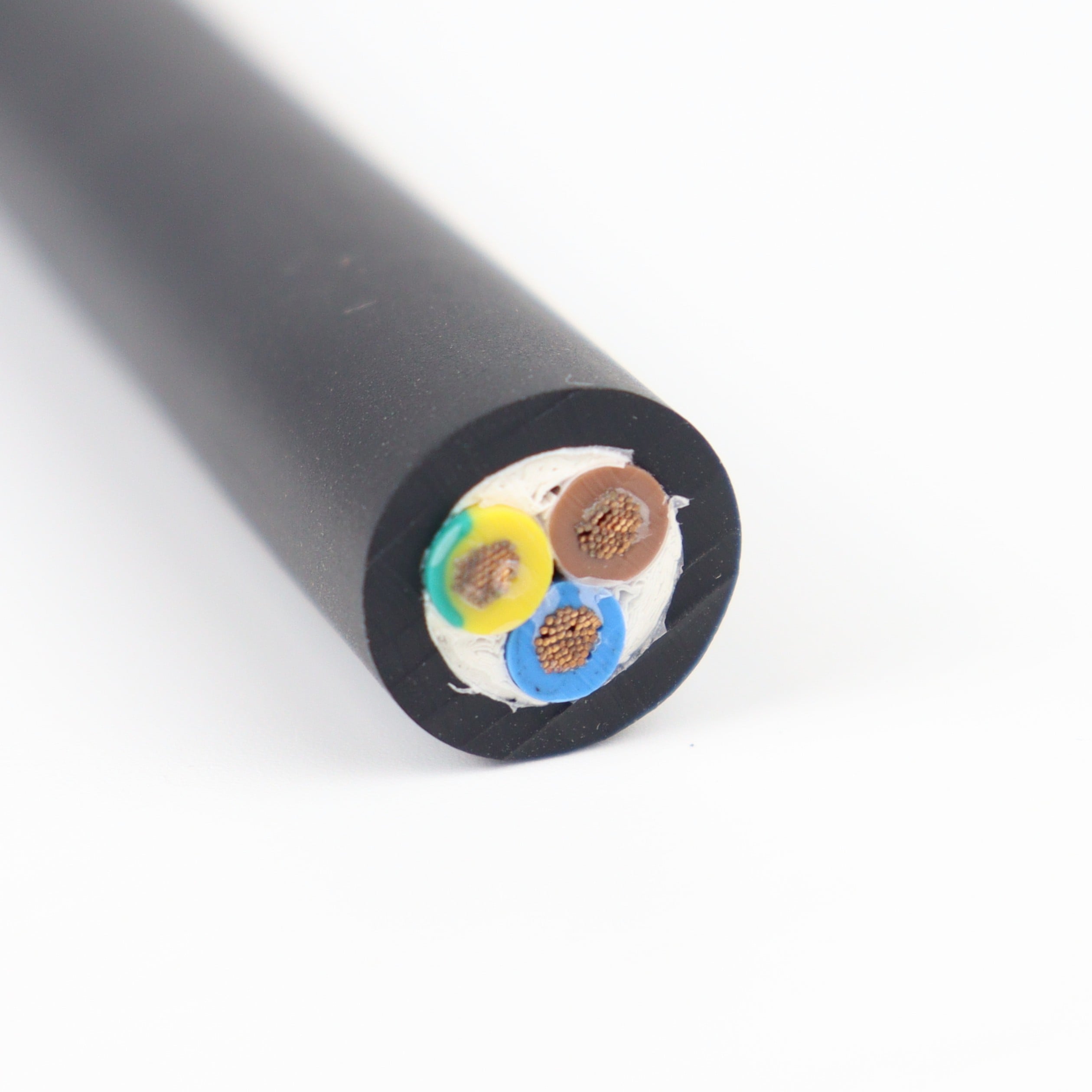
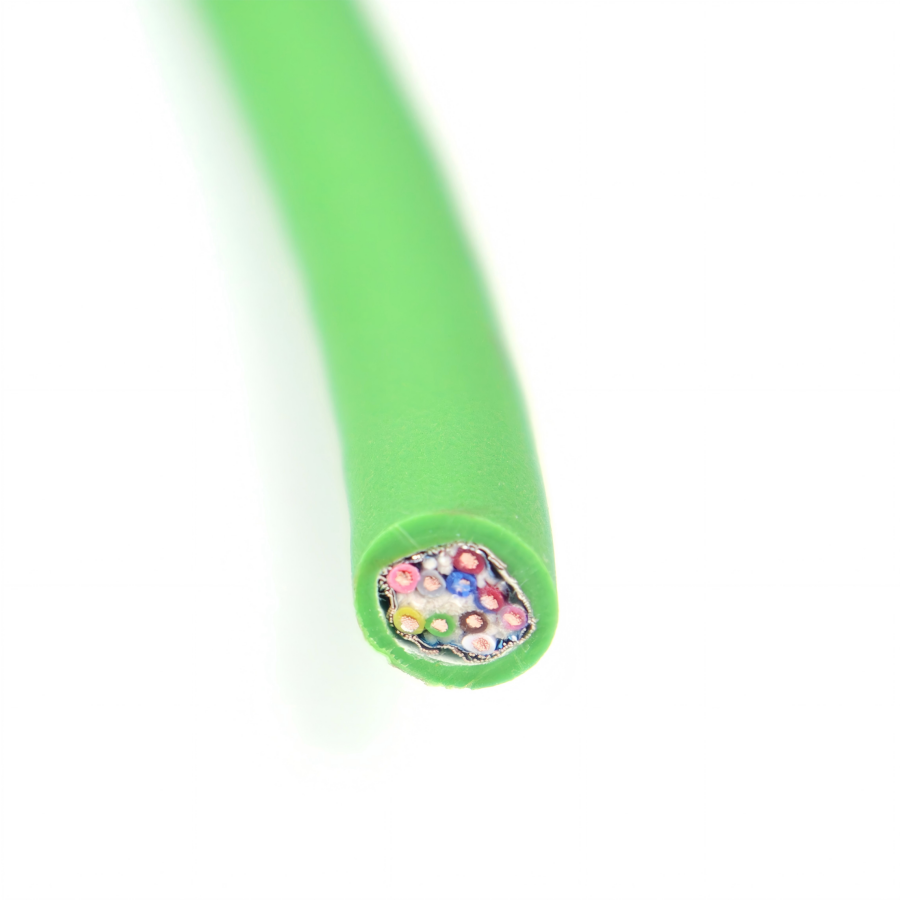
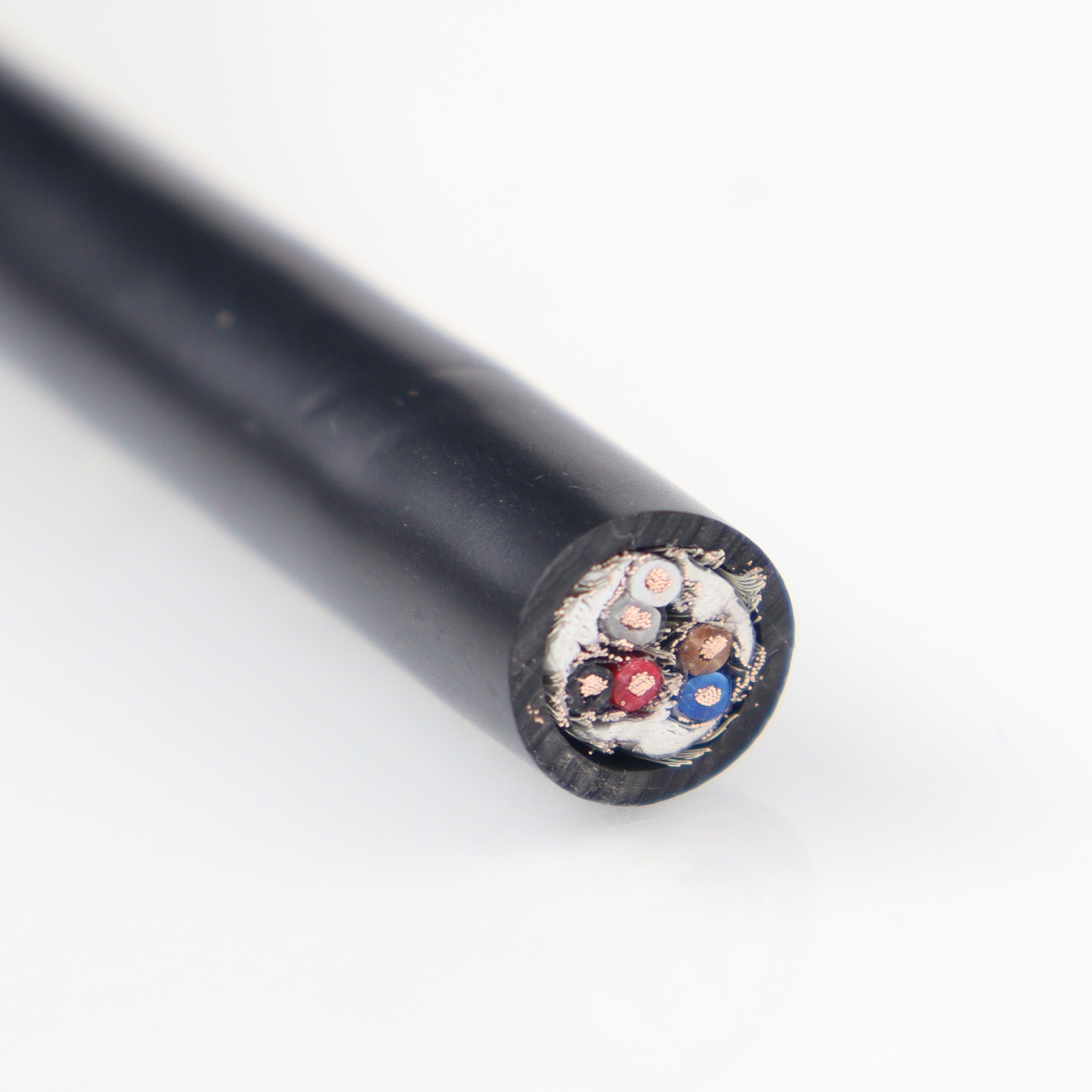
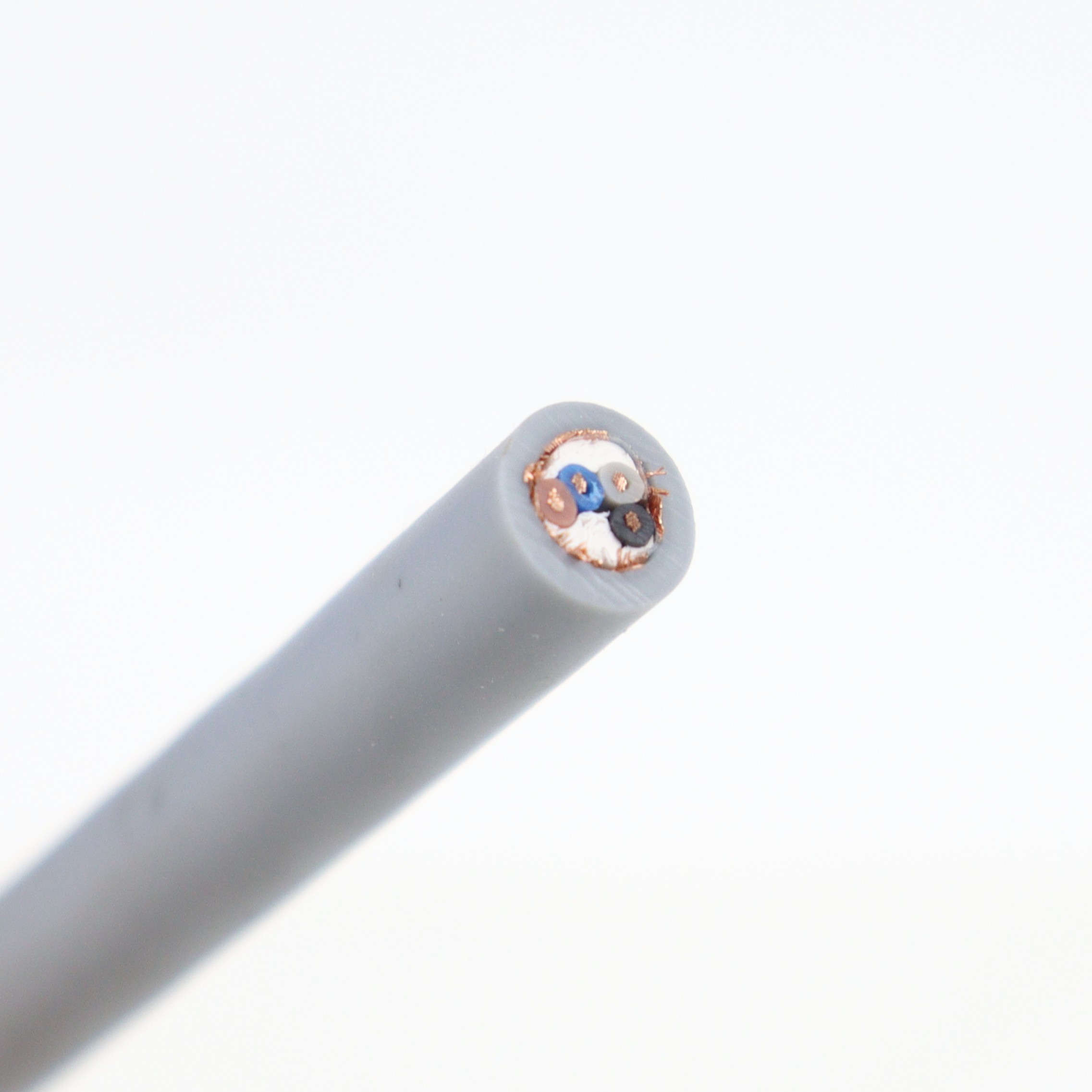
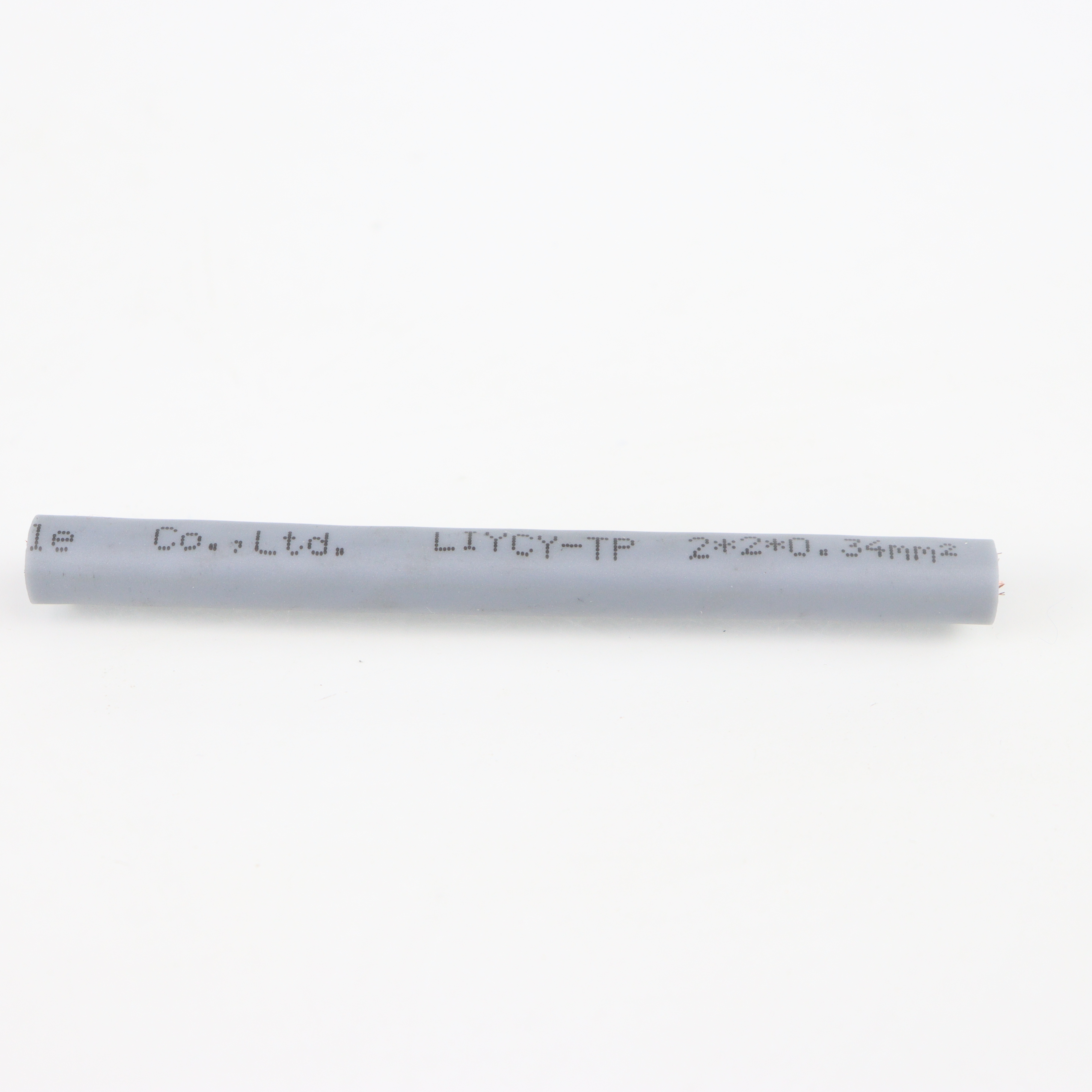
A twisted pair shielded cable is a data and signal cable designed to carry information while reducing interference. It contains two insulated copper conductors twisted around each other. The twists help cancel unwanted electrical noise, while a foil, braid, or combined shield adds another barrier against interference from motors, power lines, radio equipment, and nearby cables. A twisted pair shielded cable gives networks and control systems a cleaner path for reliable communication. The cable normally includes an outer jacket that protects the conductors from moisture, abrasion, chemicals, and handling damage. Depending on the model, the jacket may use PVC, LSZH, polyurethane, or another material suited to the installation environment. A twisted pair shielded cable may also include a drain wire that helps connect the shield to ground. Common versions support Ethernet, industrial communication, instrumentation, automation, audio, security, and building control systems. Buyers can select different conductor sizes, pair counts, shield designs, temperature ratings, and transmission categories to match their equipment. A twisted pair shielded cable can use solid conductors for fixed installation or stranded conductors for flexible movement. Some products meet recognized performance standards for impedance, bandwidth, flame behavior, and electromagnetic compatibility. The main function remains clear: transmit data or low-level signals accurately in places where electrical noise could cause errors, dropouts, or unstable operation. By combining pair twisting, shielding, insulation, and a durable jacket, a twisted pair shielded cable supports dependable connections across offices, factories, transportation systems, data rooms, and equipment panels.
Choosing a twisted pair shielded cable helps protect communication quality in demanding operating conditions. The shield reduces the effect of electrical noise, so connected devices receive cleaner signals and experience fewer data errors. This practical benefit can improve network stability, reduce troubleshooting time, and help operators avoid repeated resets or unexplained communication failures. A twisted pair shielded cable also supports longer, more dependable connections when equipment operates near motors, drives, transformers, lighting systems, or other sources of interference. Buyers can therefore place control and communication lines closer to working machinery without immediately adding costly separation or extra corrective equipment. Another advantage is installation flexibility. A twisted pair shielded cable comes in several pair counts and performance grades, allowing one product family to serve Ethernet links, sensors, controllers, cameras, access systems, and instrument panels. Solid-core options suit permanent routes, while flexible designs work better where cables move or face regular servicing. The outer jacket provides another layer of value by helping the cable withstand pulling, bending, moisture, oil, dust, and everyday abrasion. Selecting the right jacket material and temperature rating can extend service life and reduce replacement work. A twisted pair shielded cable also makes a sensible choice when signal integrity matters more than the lowest initial purchase price. Stable communication protects production schedules, supports accurate monitoring, and lowers the hidden cost of downtime. For buyers, the decision should consider transmission speed, distance, conductor size, shield type, grounding method, bending needs, installation space, and local safety requirements. A twisted pair shielded cable is especially suitable for factories, control cabinets, offices with dense equipment, security systems, and transport installations where reliability must continue despite electrical activity. In short, it combines practical protection, broad application support, and predictable long-term performance.

Latest News

Shanghai Libin Cable Showcases Robot and Automation Cable Solutions at CMES Shanghai Industrial Automation & Robotics Exhibition

16

Oct

Shanghai Libin Cable Showcases Robot and Automation Cable Solutions at CMES Shanghai Industrial Automation & Robotics Exhibition

View More
Shanghai Libin Cable Showcases Crane Cable Solutions at the 11th China (Changyuan) International Crane Equipment Expo

16

Oct

Shanghai Libin Cable Showcases Crane Cable Solutions at the 11th China (Changyuan) International Crane Equipment Expo

View More
Why Drag Chain Cables Fail: Four Common Causes and How to Select Correctly

16

Oct

Why Drag Chain Cables Fail: Four Common Causes and How to Select Correctly

View More
Industrial Robot Combination Cable: Routing Power and Signal Together in a Small-Bend-Radius Drag Chain

16

Oct

Industrial Robot Combination Cable: Routing Power and Signal Together in a Small-Bend-Radius Drag Chain

View More

Get a Free Quote

Our representative will contact you soon.
0/1000
Reliable Signal Protection in Noisy Areas

Reliable Signal Protection in Noisy Areas

The strongest selling point of a twisted pair shielded cable is its ability to control interference. Each conductor pair twists at a controlled rate, which helps cancel noise that reaches both wires. The surrounding foil or braid adds further protection against interference entering from nearby power equipment. This design makes a twisted pair shielded cable valuable in production floors, workshops, control rooms, and communication cabinets where electrical activity changes throughout the day. Cleaner signals can reduce packet loss, audio disturbance, false readings, and controller alarms. Customers gain a more stable connection without depending only on software corrections or repeated maintenance visits. The shield also helps protect sensitive signals from surrounding cables, making route planning easier in crowded installations. For a network builder or equipment manufacturer, this feature supports consistent operation and simplifies the task of maintaining dependable data flow. It offers practical security for systems that cannot tolerate random interruptions.
Flexible Choices for Different Installations

Flexible Choices for Different Installations

A twisted pair shielded cable can be specified around the actual needs of a project rather than treated as a one-size-fits-all item. Buyers can choose the number of pairs, conductor gauge, transmission category, shield construction, jacket material, and temperature range. A solid-core twisted pair shielded cable provides strong electrical performance on fixed routes, while stranded versions handle movement and frequent connection changes more effectively. Foil shielding can offer broad coverage with a compact design, and braided shielding can add strength and repeated-flex performance. Some versions use low-smoke, halogen-free jackets for enclosed public spaces, while industrial jackets may resist oil, sunlight, chemicals, or moisture. This range helps installers match the product to network speed, cable length, available space, environmental exposure, and bending conditions. The result is a cleaner specification, fewer compatibility concerns, and better value over the full service life of the installation.
Lower Downtime and Easier System Maintenance

Lower Downtime and Easier System Maintenance

A well-selected twisted pair shielded cable supports dependable communication from installation through long-term operation. By limiting interference and protecting internal conductors, it can reduce intermittent faults that are difficult to locate and expensive to diagnose. A twisted pair shielded cable with a durable jacket also withstands common installation stresses, including pulling, vibration, bending, moisture, and contact with dust or oils. Fewer cable failures mean less production disruption, fewer emergency callouts, and more predictable maintenance planning. Clear labeling and compatible shield termination further help technicians inspect, replace, or expand a system without disturbing healthy connections. In factories, this reliability can protect controller-to-device communication and maintain accurate process data. In offices and data rooms, it can support stable links across busy cable pathways. In security or building control systems, it helps preserve timely signals from cameras, readers, sensors, and automated equipment. The investment delivers value through continuity, service confidence, and reduced lifecycle cost.