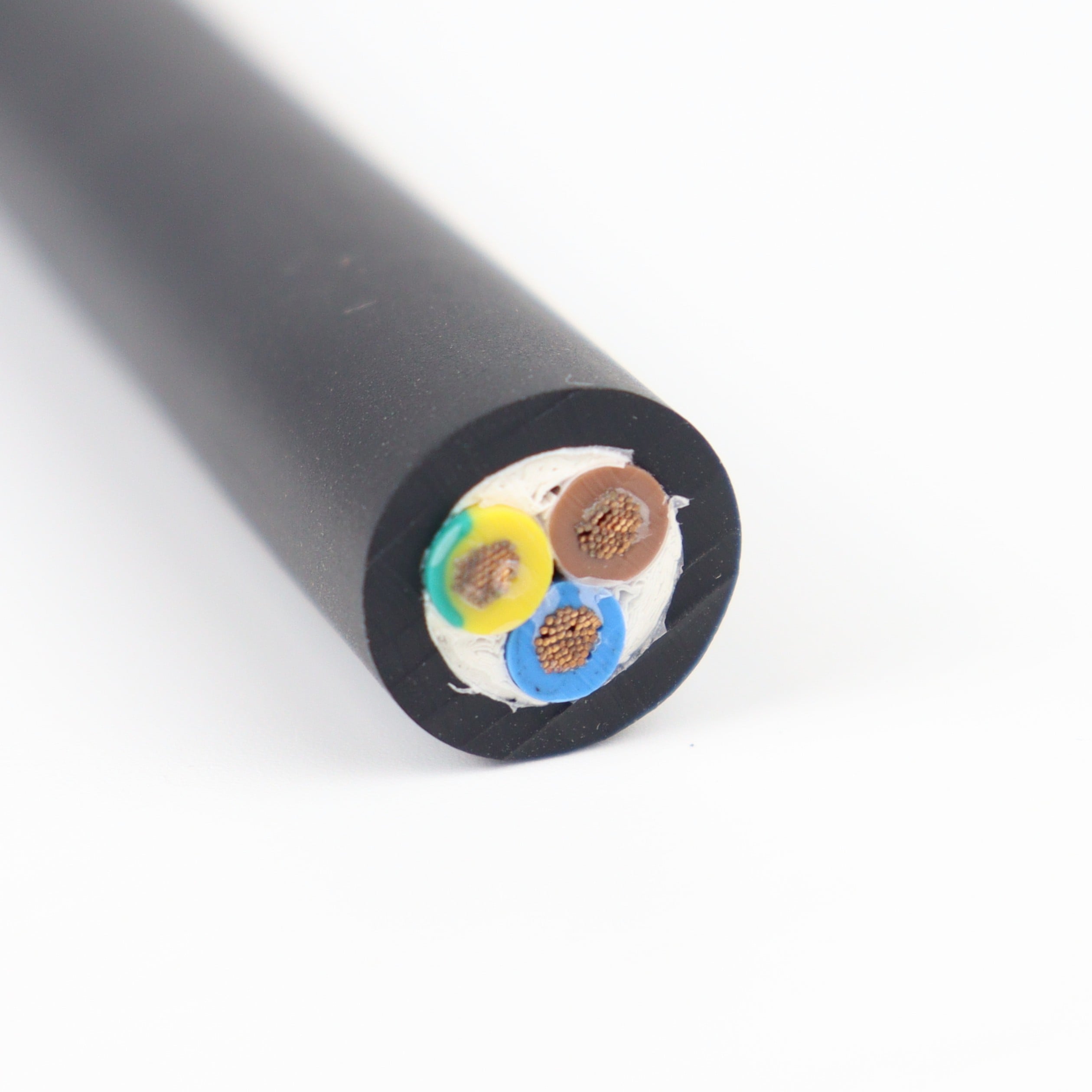
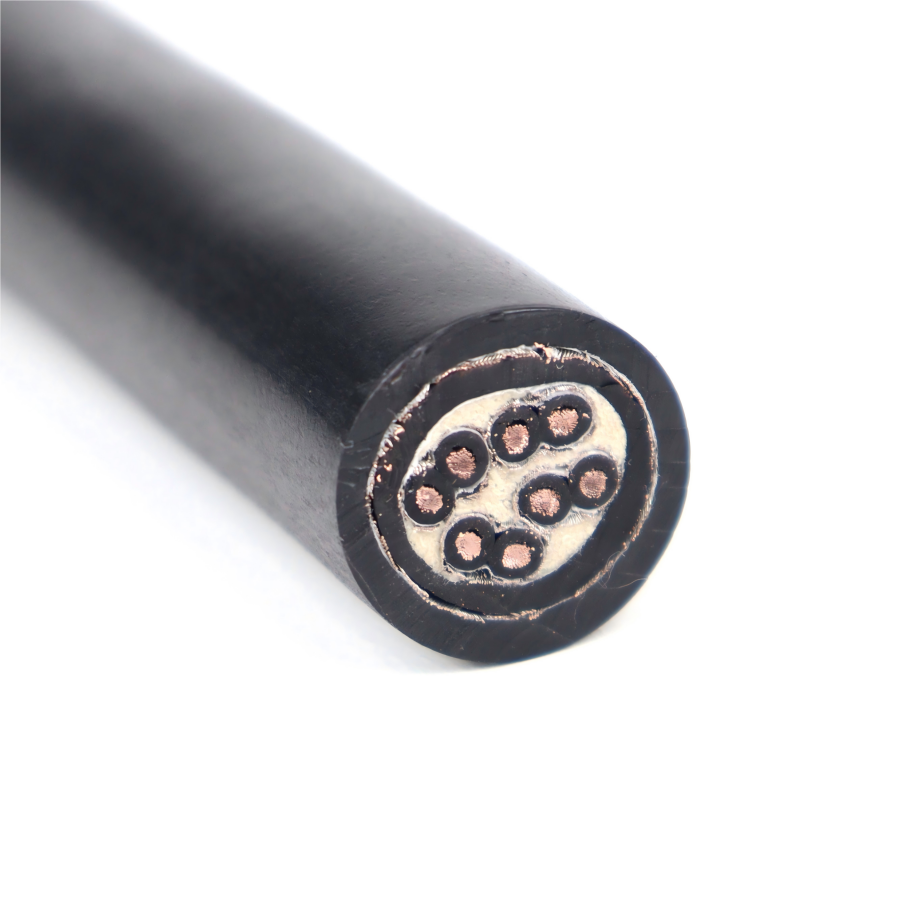
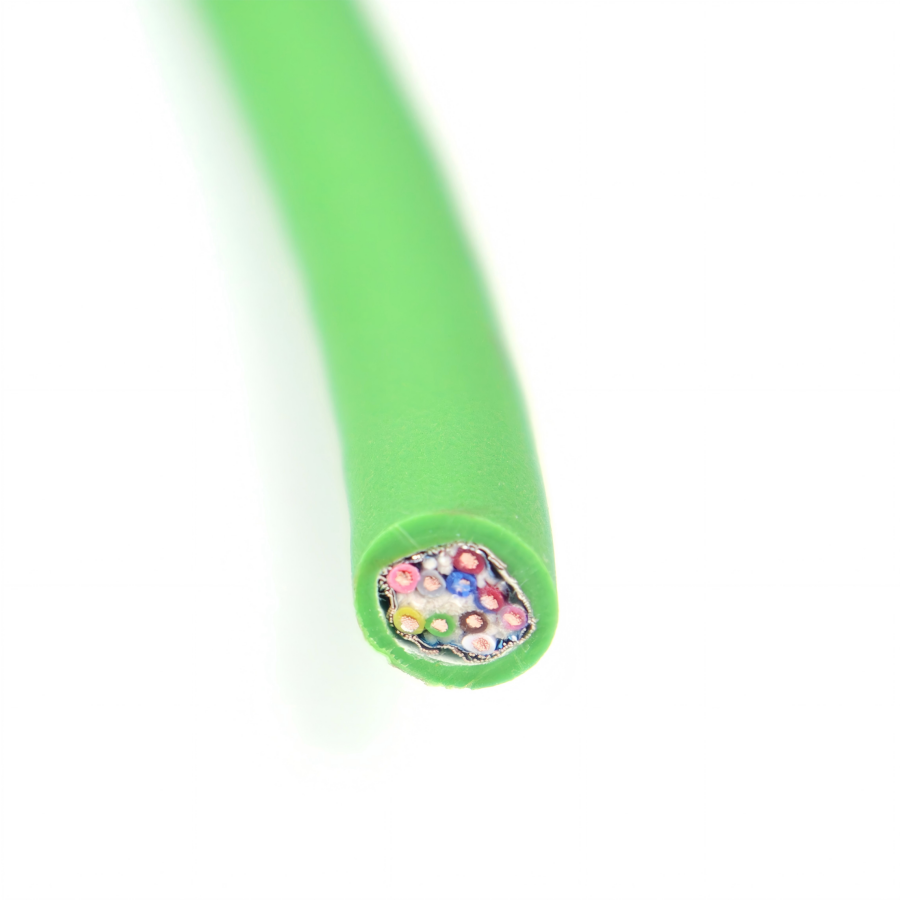
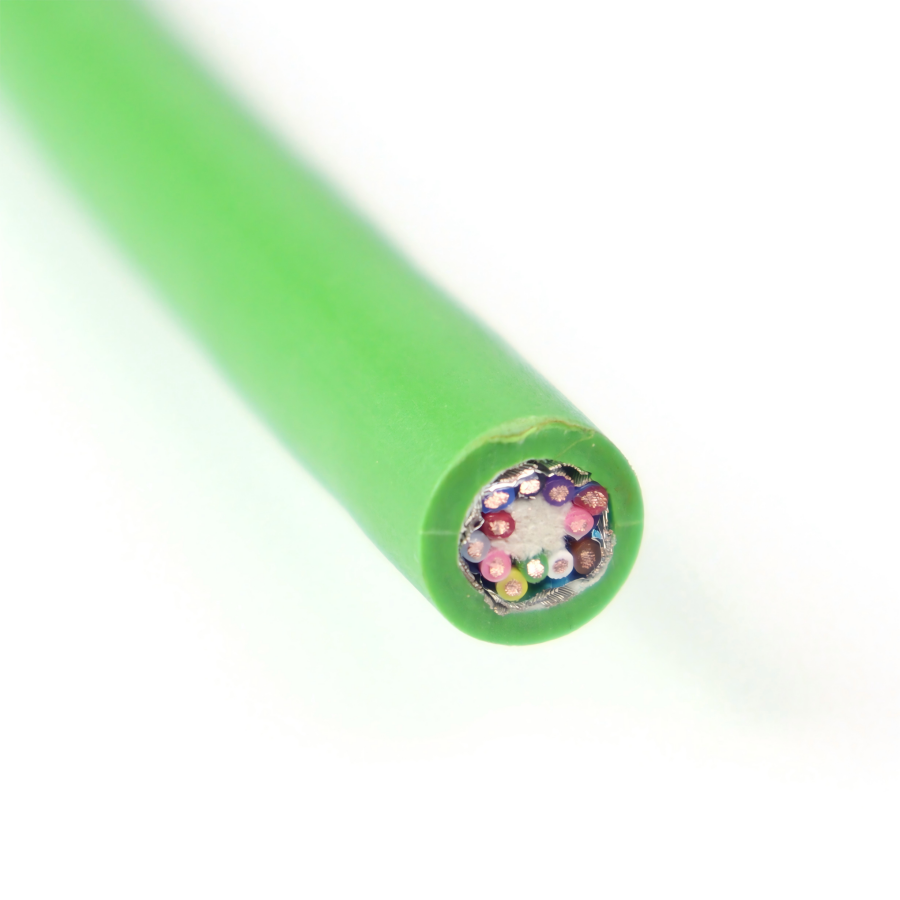
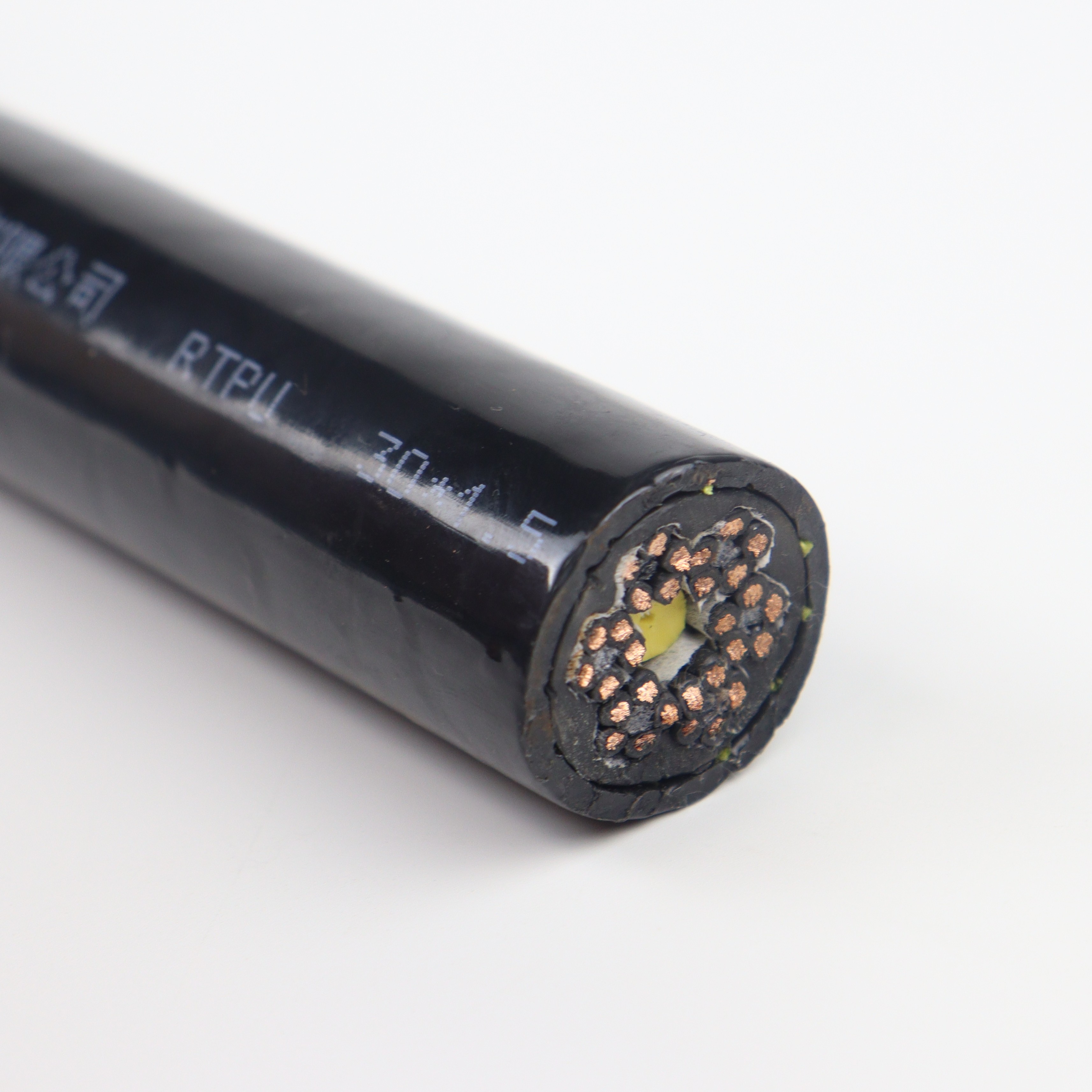
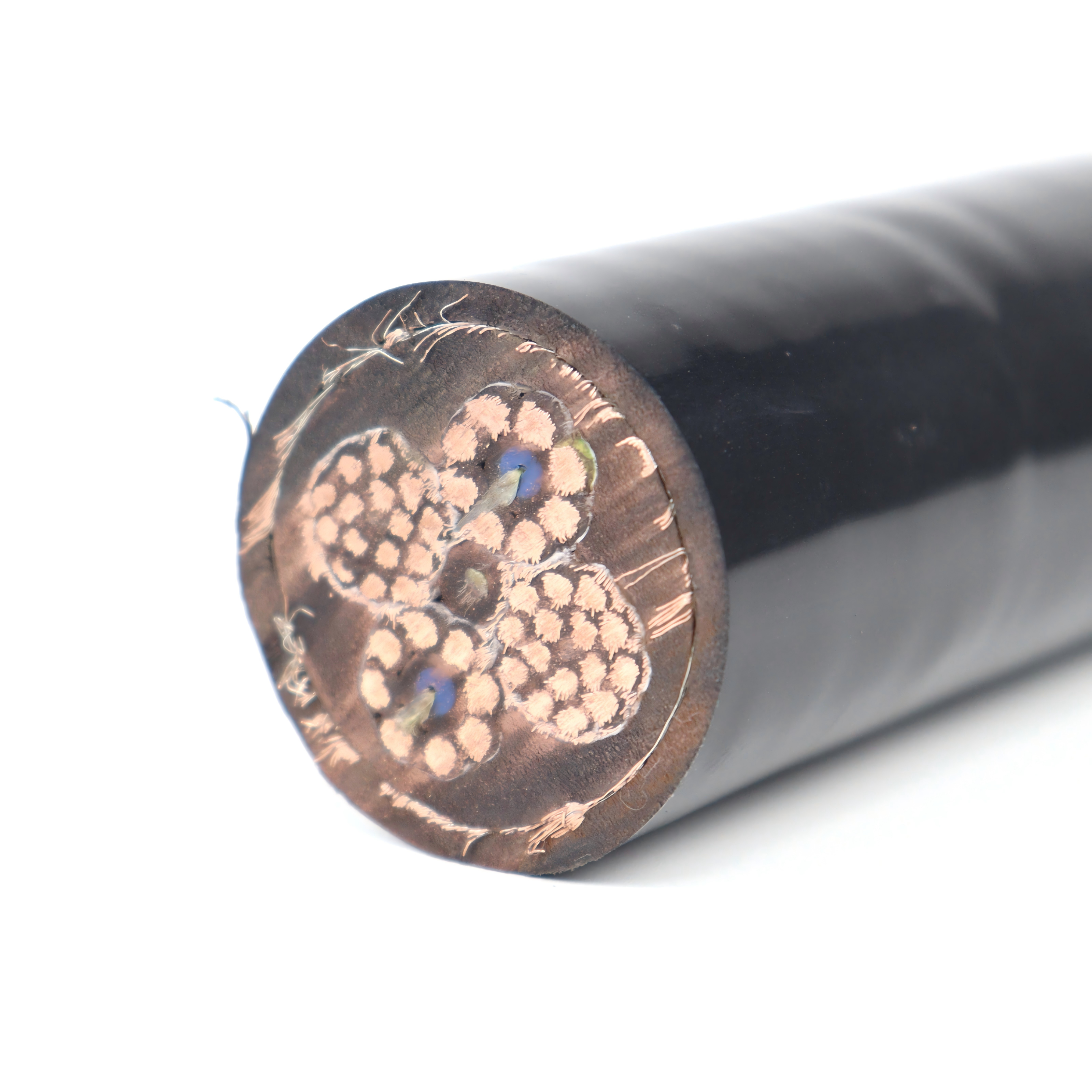
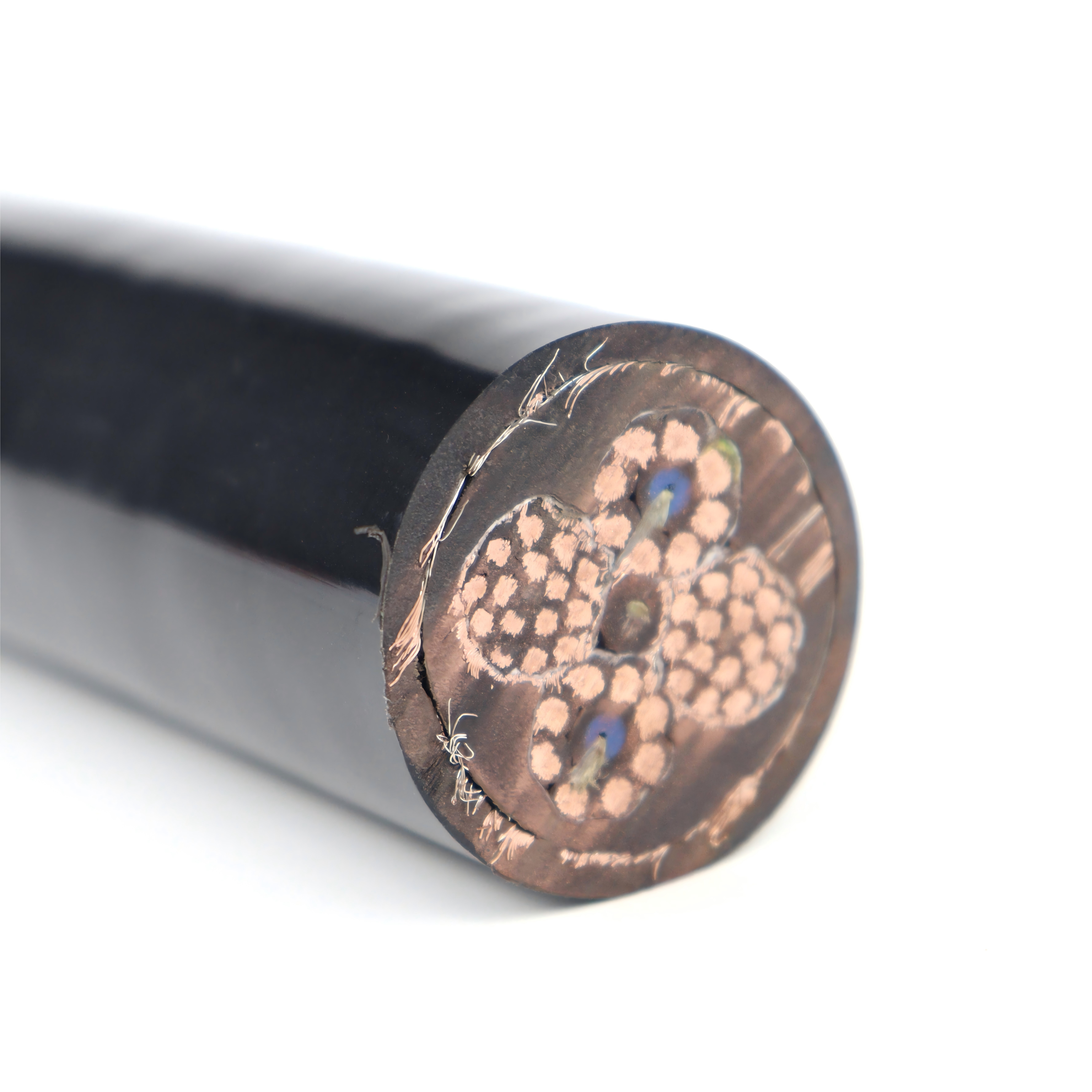
shielded control cable
A shielded control cable is a purpose-built electrical cable that carries commands, feedback, and low-voltage power between control equipment and machines. Its main job is to keep signals accurate when motors, drives, relays, or other electrical devices create unwanted interference. The shielded control cable uses one or more insulated conductors inside a protective metallic layer, usually foil, braided wire, or both. This layer helps block external electrical noise and reduces signal leakage. A shielded control cable can also improve system stability by limiting crosstalk between nearby circuits. Depending on the design, a shielded control cable may include flexible PVC, PUR, or other jackets that resist oil, moisture, abrasion, heat, and routine movement. A shielded control cable is available with different conductor counts, conductor sizes, voltage ratings, bending performance, and jacket materials. These options help users match the product to fixed cabinets, moving machinery, production lines, or outdoor control points. During installation, the shielded control cable normally connects to a grounded termination so interference can drain away safely. Correct routing and termination are important because even a high-quality shielded control cable cannot compensate for poor installation practices. Common applications include industrial automation, robotics, conveyor systems, packaging machines, HVAC controls, process equipment, elevators, and building management systems. In each setting, the shielded control cable supports dependable communication between sensors, switches, controllers, motors, and actuators. Buyers choose this cable when clean signals, reliable operation, and durable protection matter more than using a basic unshielded design.