flexible control cable
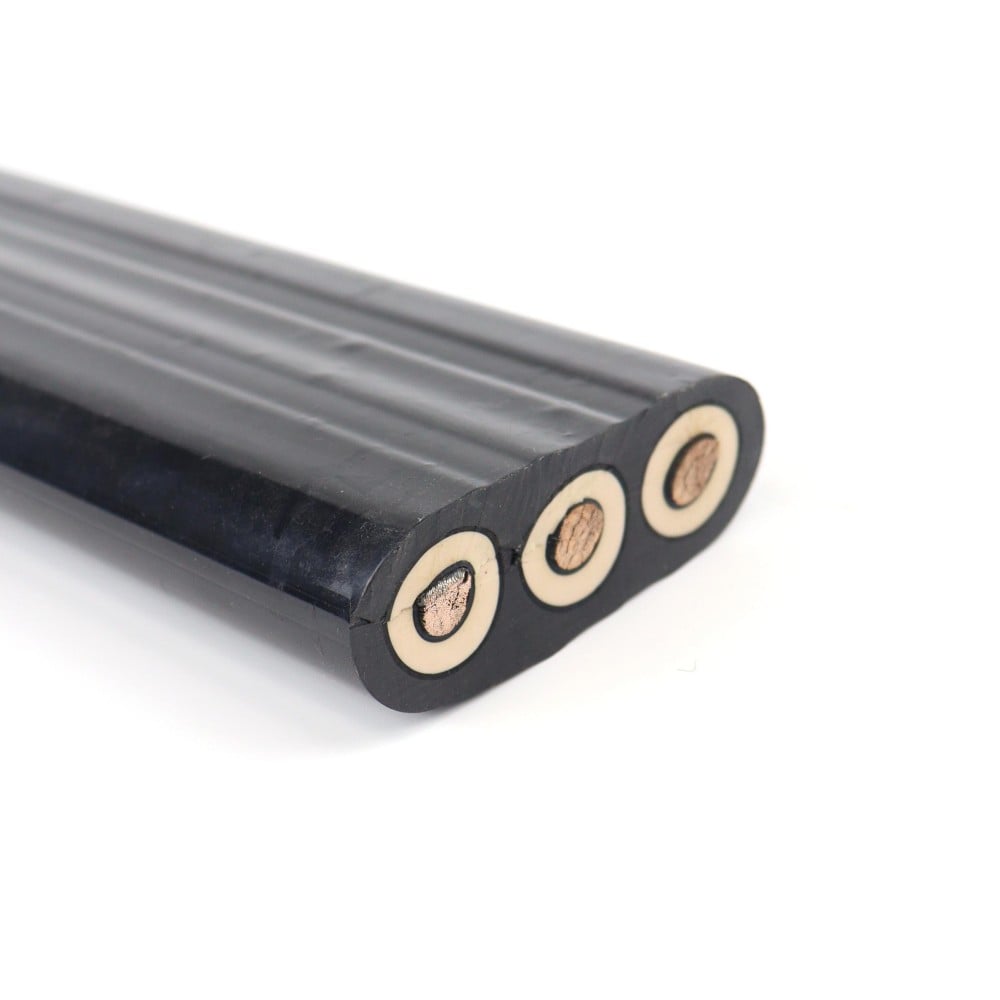
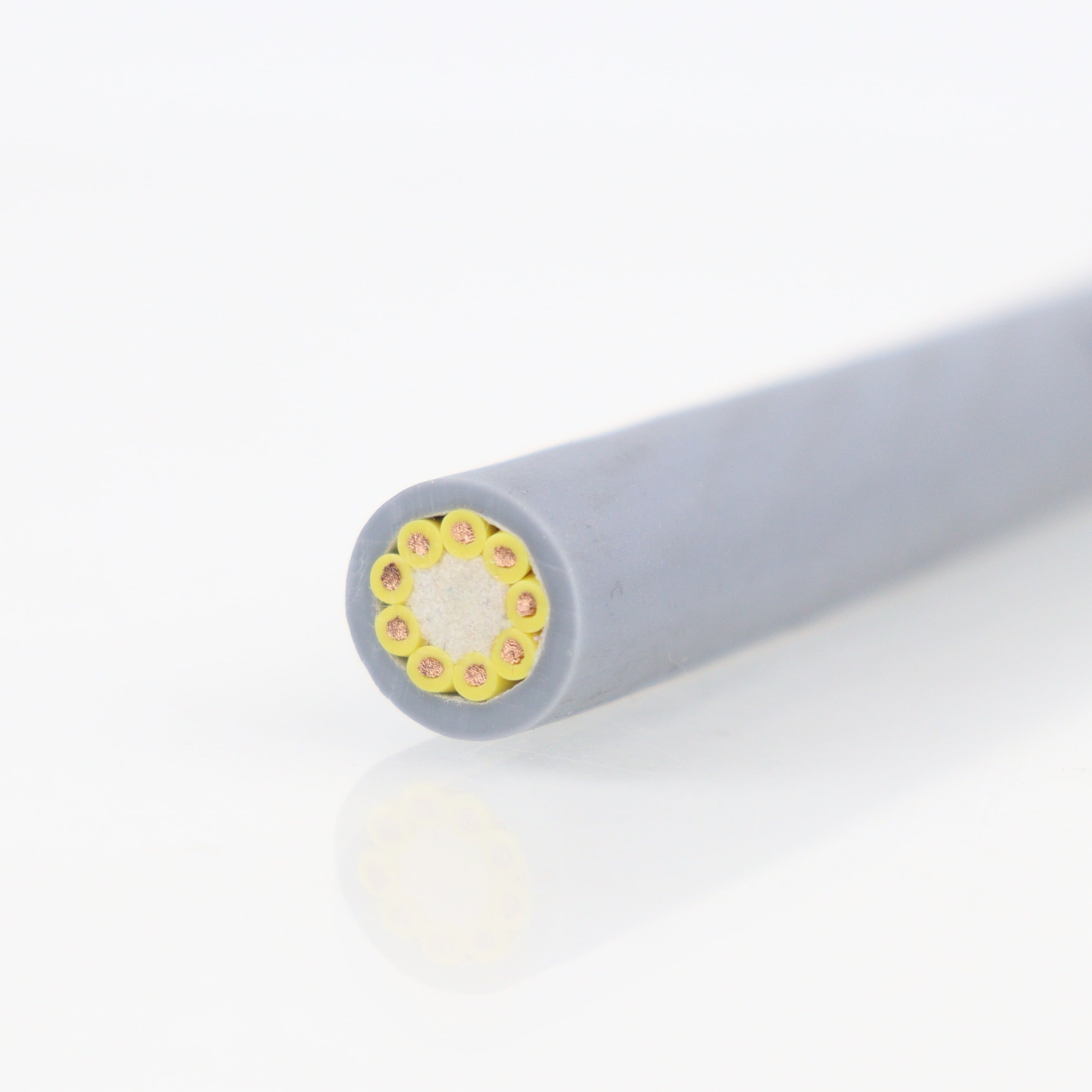
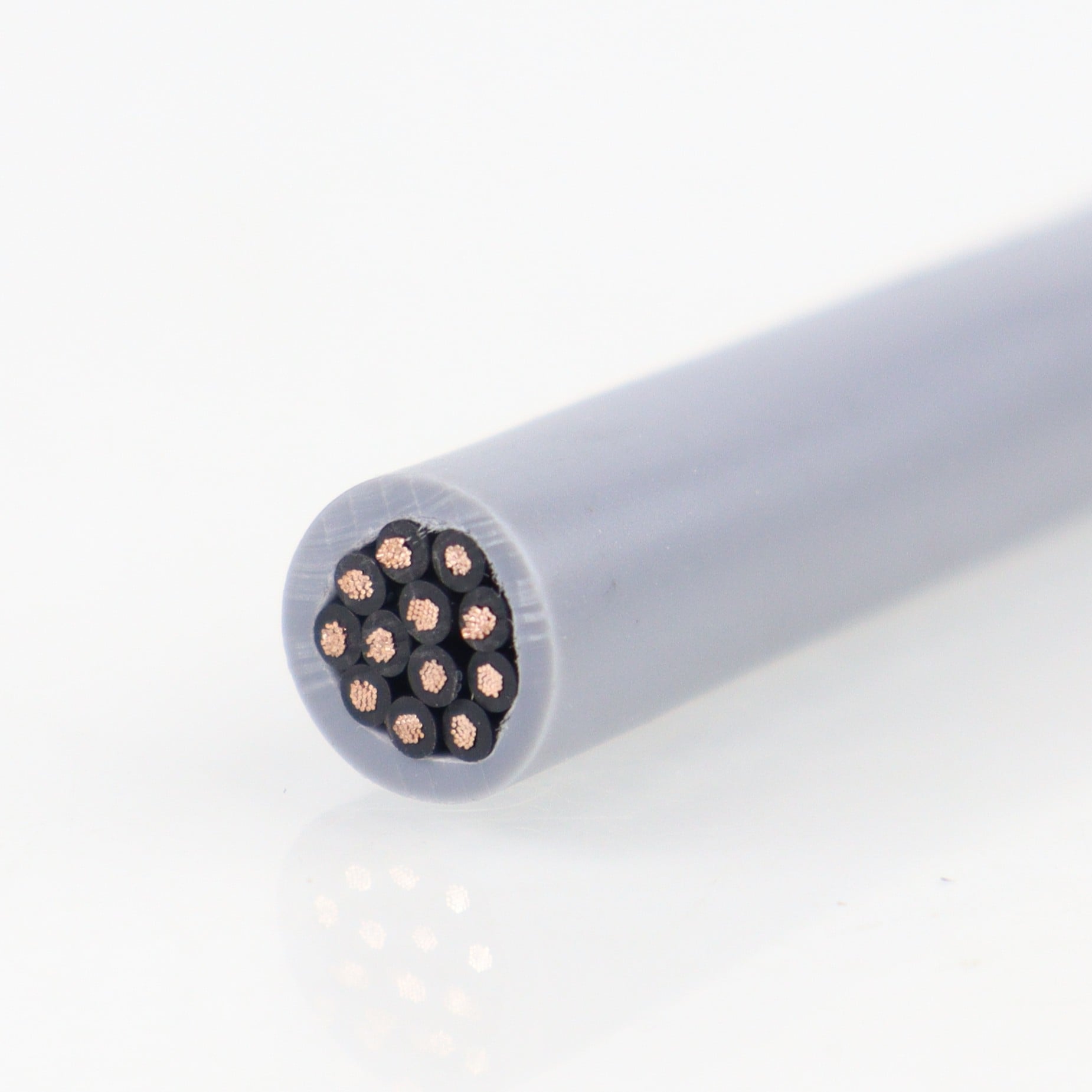
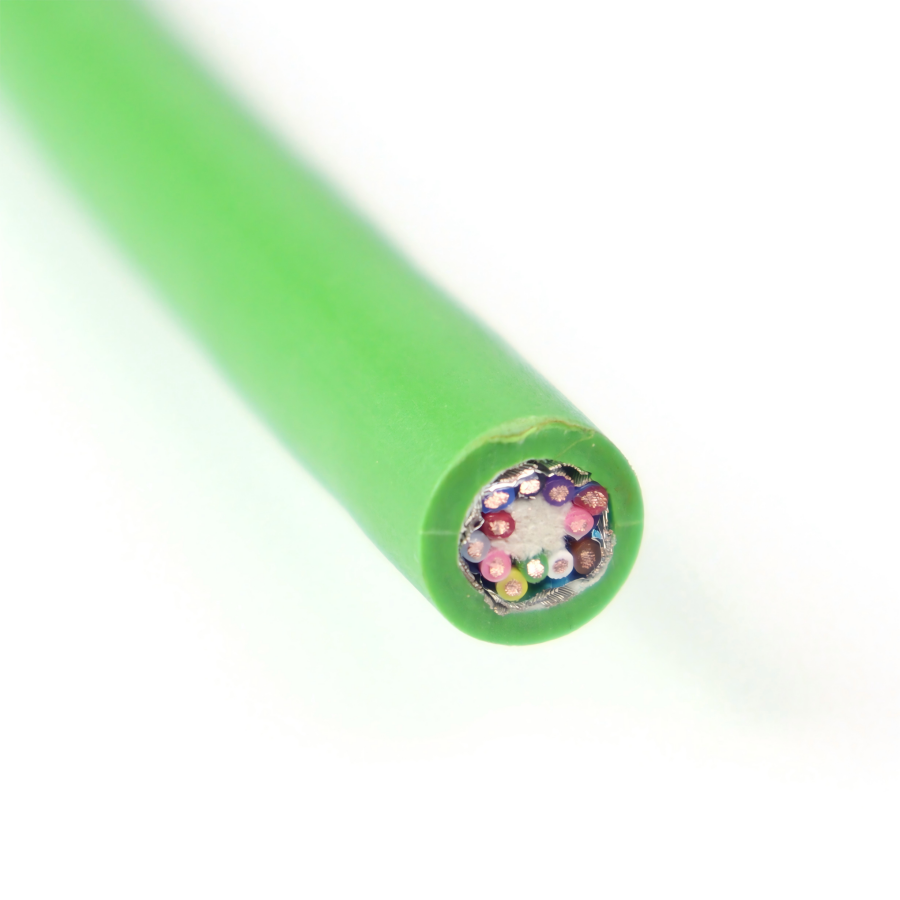
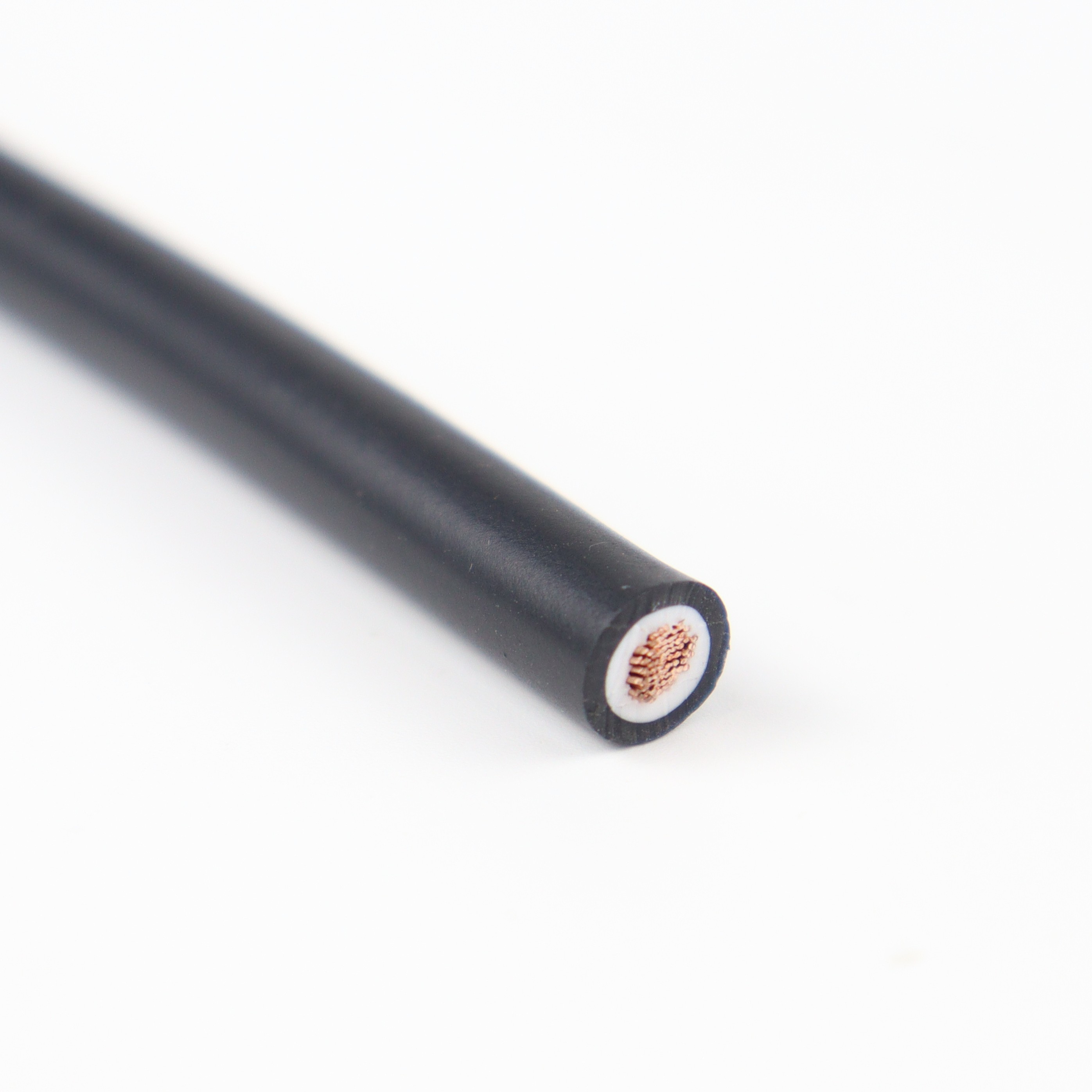
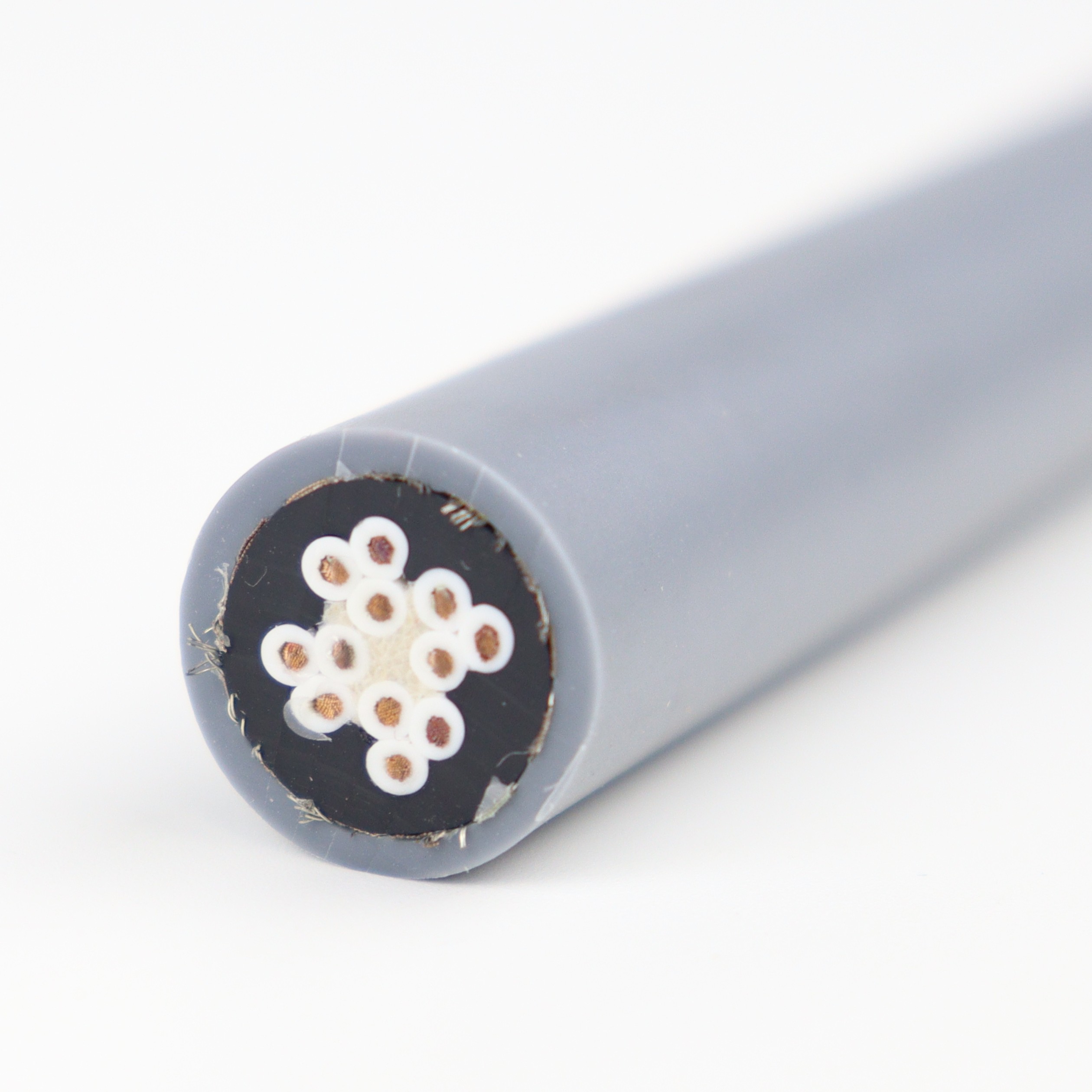
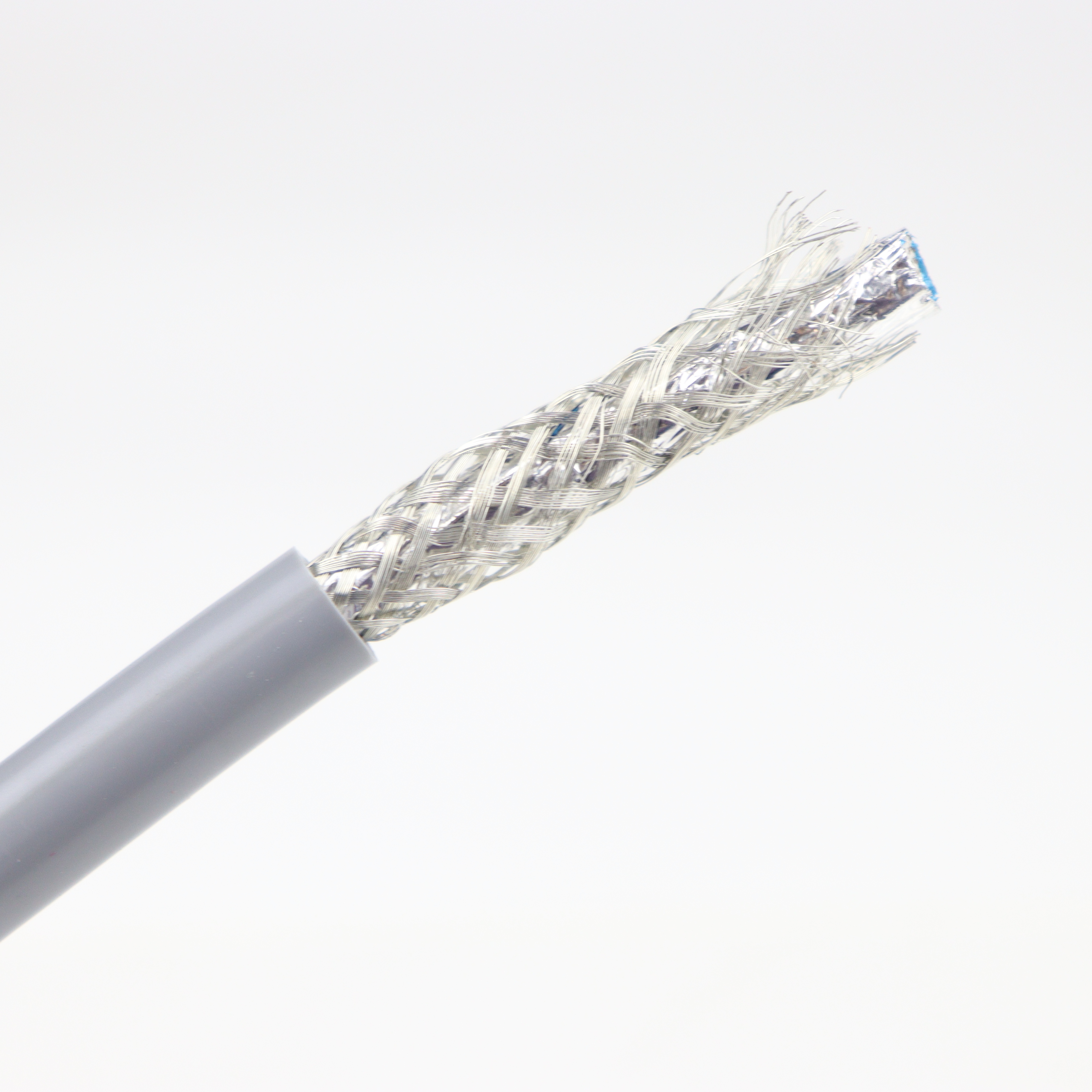
A flexible control cable is designed to carry electrical signals and power while moving repeatedly through machines, equipment, and automated systems. Unlike a fixed cable, a flexible control cable bends, twists, and travels through cable carriers without quickly cracking or losing performance. This makes the flexible control cable a practical choice for moving parts, robotics, production lines, packaging machines, CNC equipment, and material handling systems. A flexible control cable usually combines fine-strand copper conductors with a soft insulating layer and a durable outer jacket. The conductor carries stable signals, while the insulation separates circuits and helps prevent short circuits. The jacket protects the inside from abrasion, oil, moisture, dust, and moderate temperature changes. Depending on the design, a flexible control cable may include shielding to reduce electrical interference near motors, drives, sensors, or communication devices. A flexible control cable can also use color coding, numbered cores, and clear markings to simplify wiring and maintenance. Its bend radius, travel distance, speed rating, voltage level, and environmental resistance should match the machine before purchase. In continuous-motion equipment, the flexible control cable supports repeated movement with less stress on conductors and connection points. In control cabinets and factory machinery, a flexible control cable helps link switches, valves, sensors, actuators, and controllers. The right flexible control cable improves signal reliability, supports organized installation, and reduces unplanned replacement. Buyers should review conductor size, core count, jacket material, shielding, temperature range, and certification needs. Selecting a flexible control cable with the correct mechanical and electrical ratings creates a dependable connection for modern automation.