Copper Control Cable | Reliable Signal Wiring

application/copper-control-cable, application/copper-control-cable, 
Inquiry
Inquiry

copper control cable

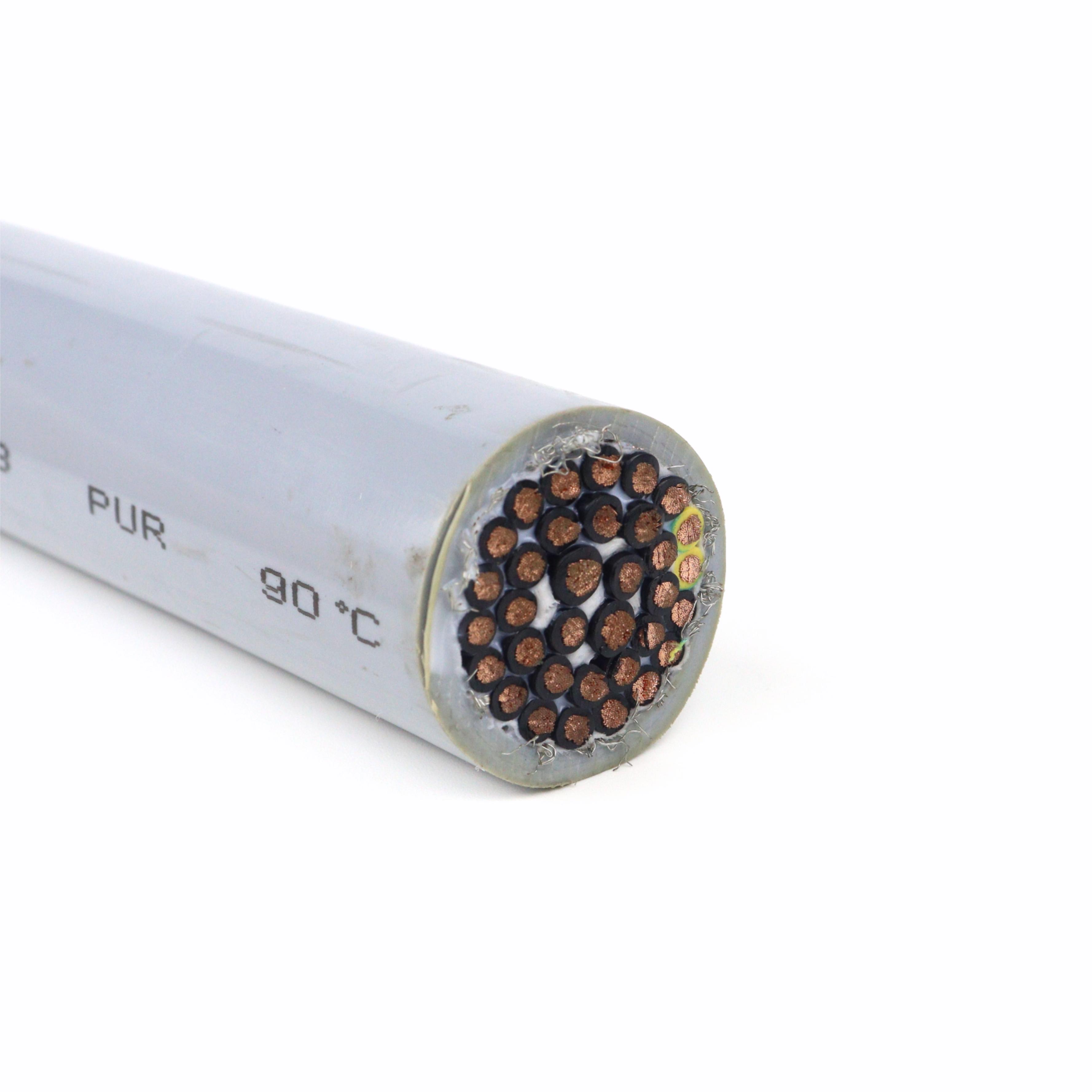
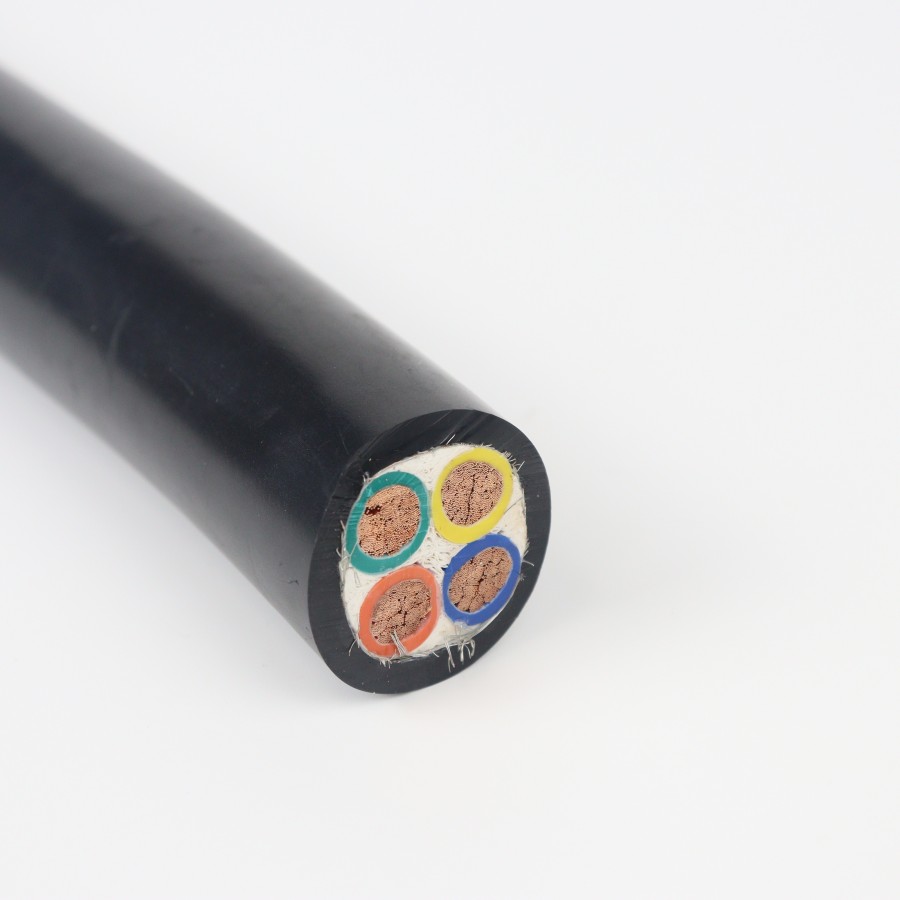
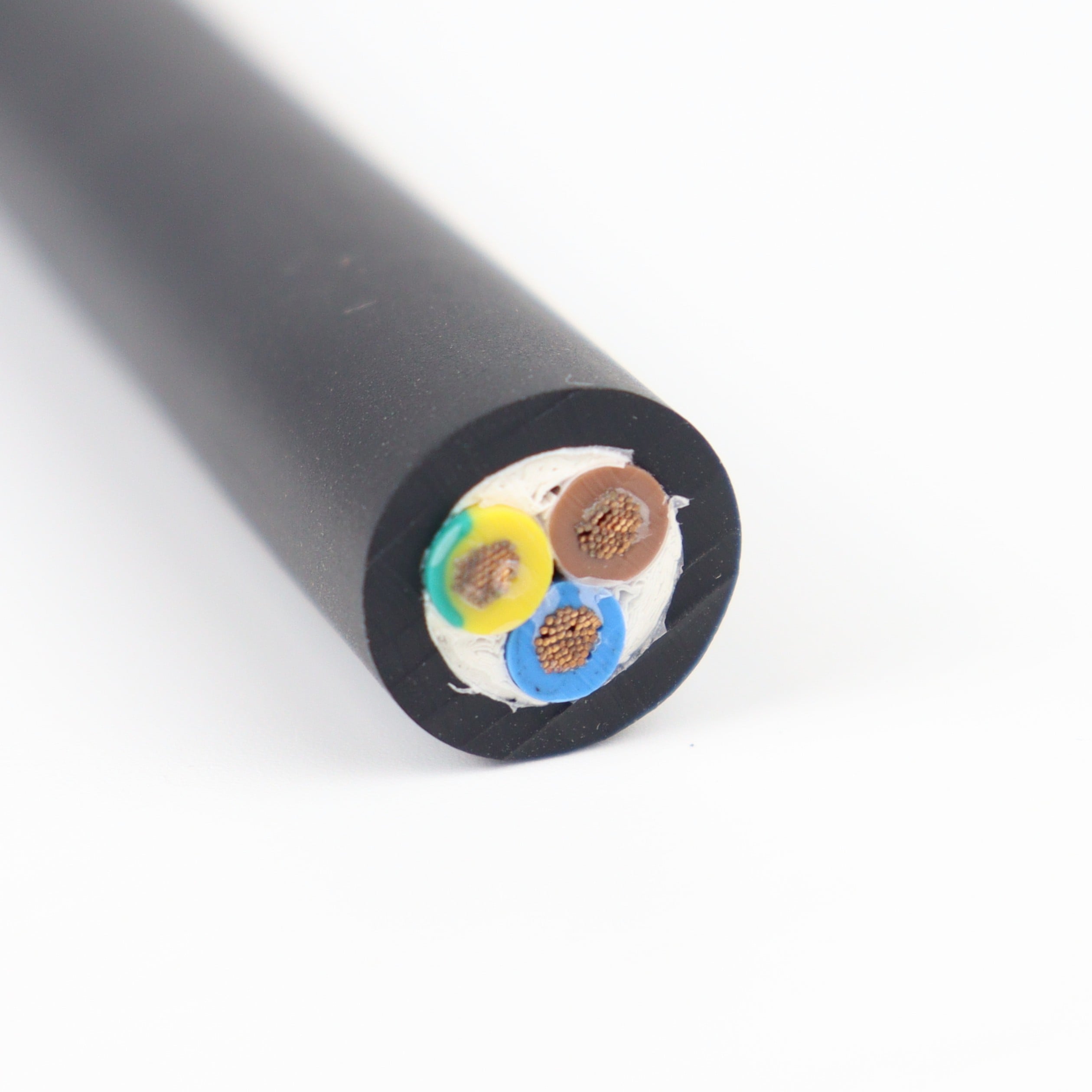
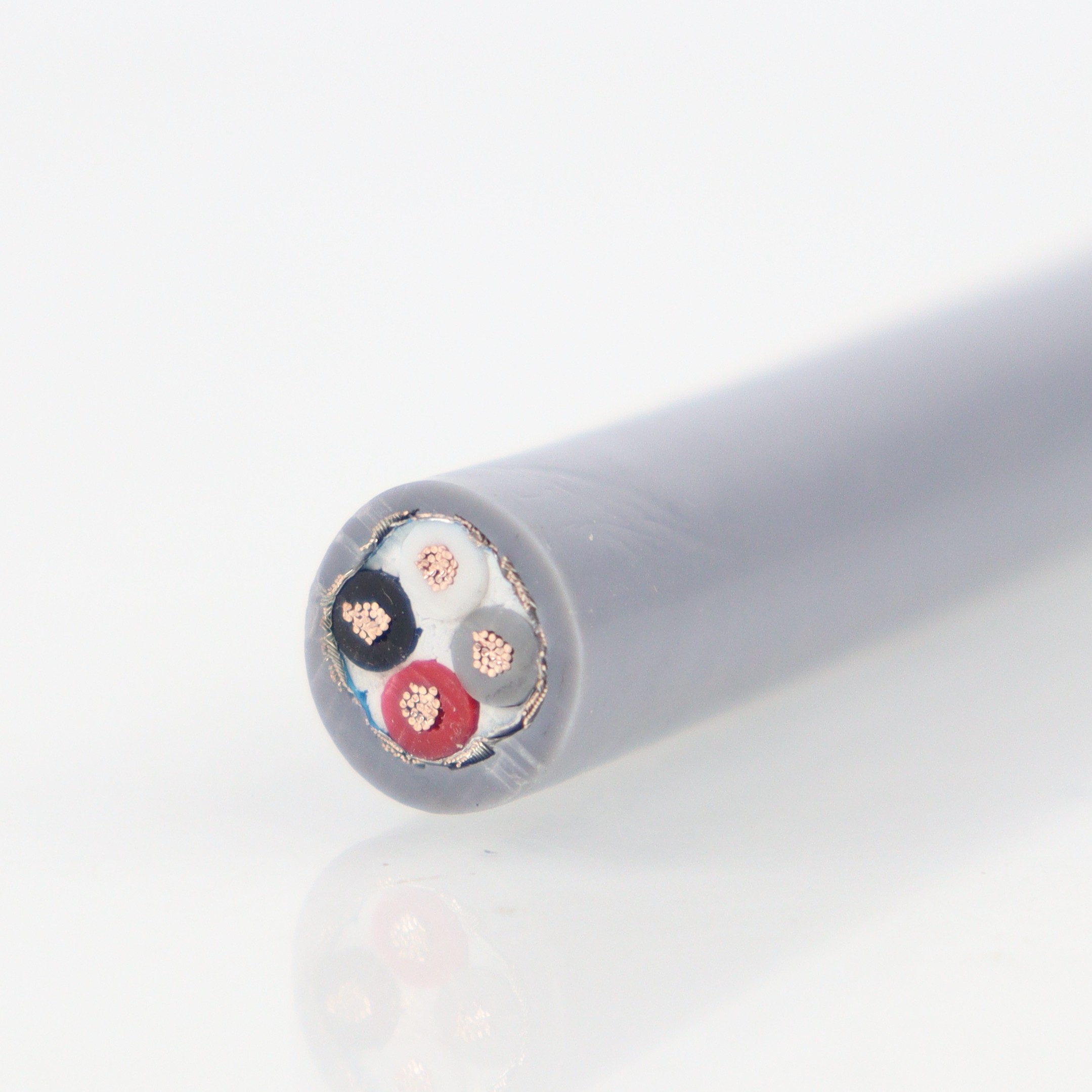
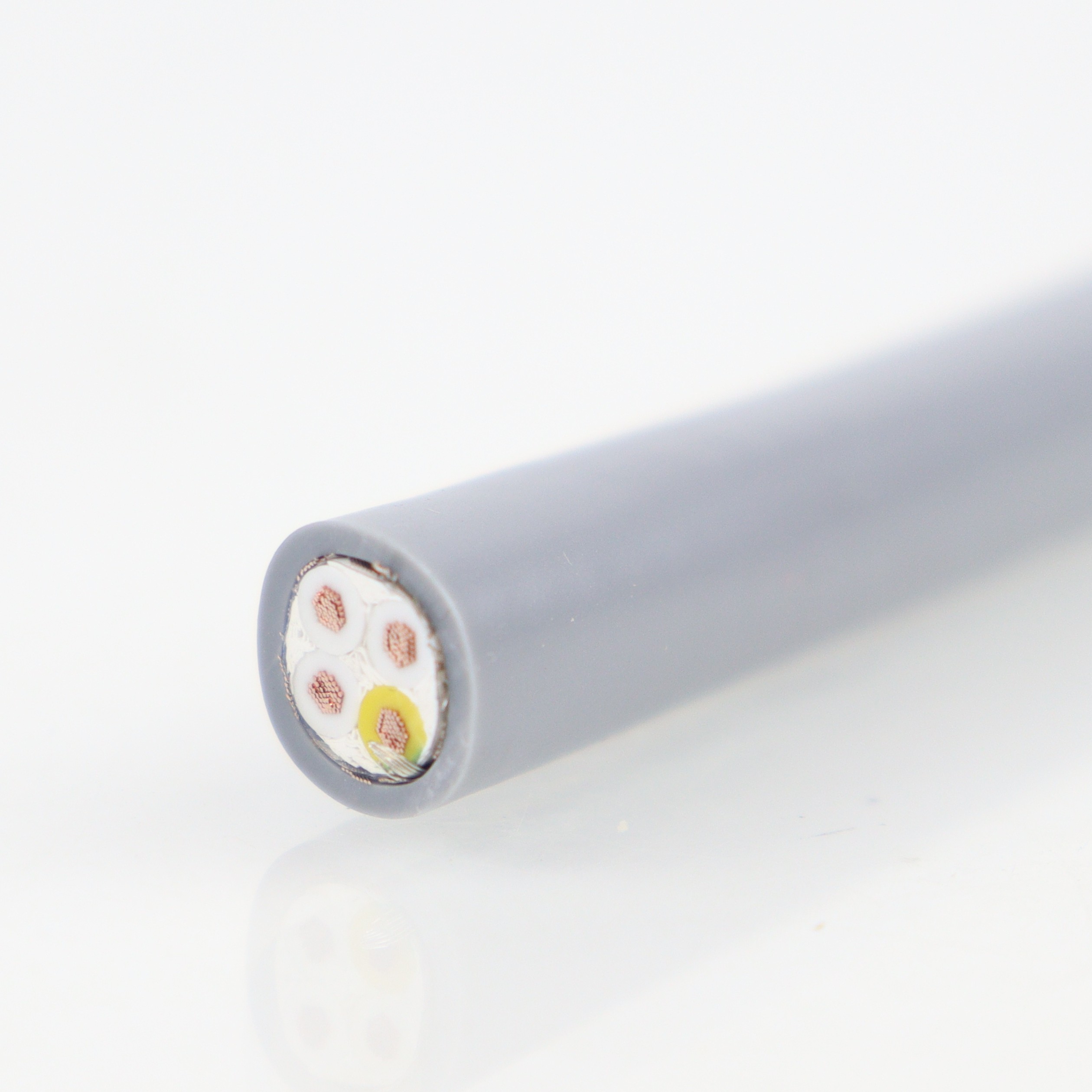
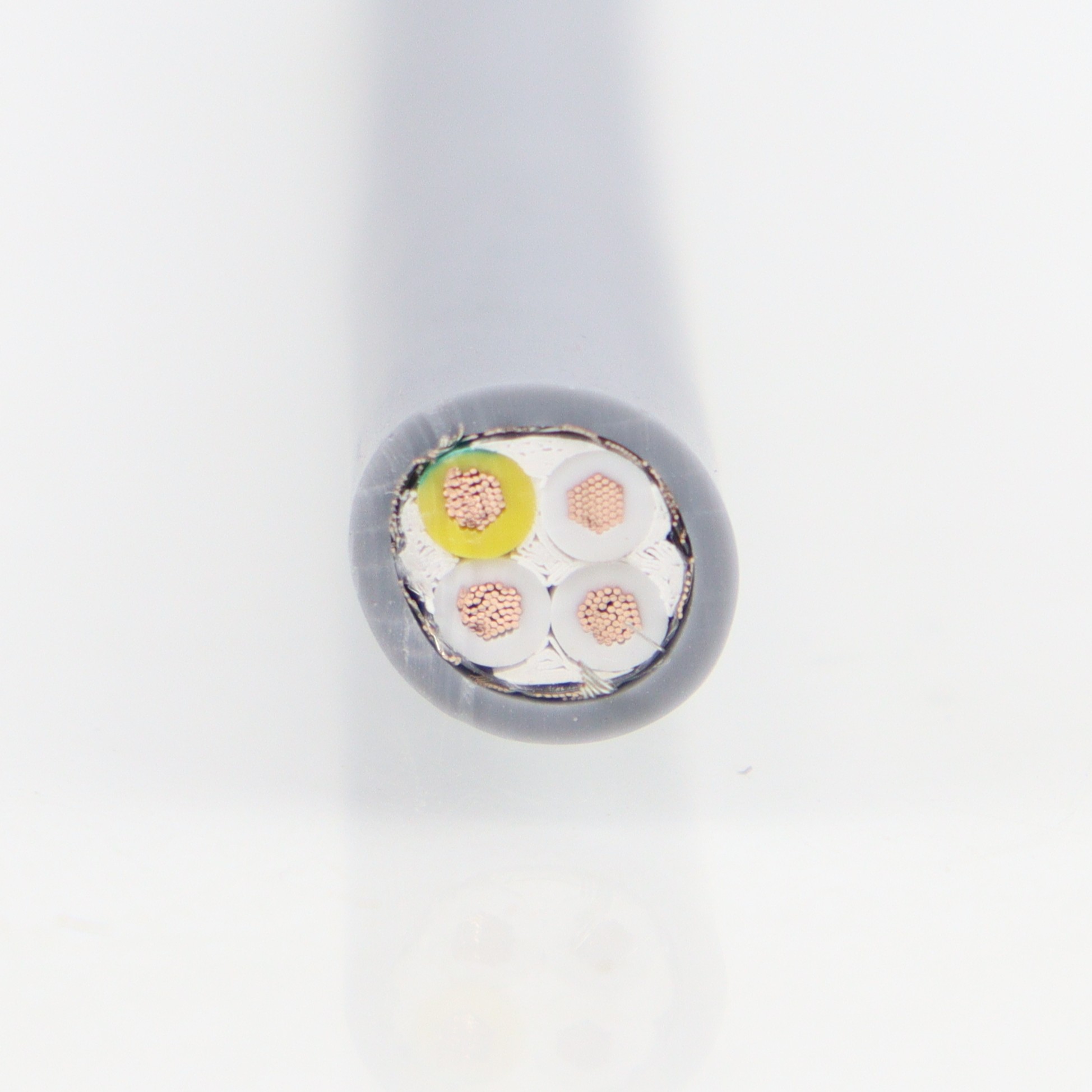
A copper control cable is a wired solution for carrying commands, measurement signals, and control data between machines, sensors, instruments, and automation equipment. Unlike a power cable, a copper control cable mainly supports reliable communication and switching rather than supplying large amounts of energy. Its copper conductors provide a stable path for low-voltage signals, helping equipment respond accurately and consistently. A copper control cable can connect control panels with motors, valves, relays, switches, sensors, and programmable controllers. The copper control cable may include multiple cores, numbered conductors, color identification, and flexible stranding to simplify installation and maintenance. Depending on the design, the copper control cable can use PVC, PE, or other protective insulation suited to indoor, outdoor, dry, wet, or industrial conditions. Shielded versions of the copper control cable help reduce interference from motors, drives, and nearby power circuits. Armored versions add protection against impact, crushing, or demanding installation environments. A copper control cable also supports organized wiring because one jacket can carry several separate control circuits. This reduces clutter inside cabinets and lowers the time needed for termination. When selected correctly, the copper control cable delivers dependable signal transfer, clear circuit identification, and long service life. Common applications include factory automation, conveyor systems, building controls, process equipment, HVAC units, packaging lines, machine tools, and security systems. The right copper control cable depends on voltage, core count, flexibility, temperature, shielding, installation method, and local safety requirements.
Choosing a copper control cable gives buyers a practical balance of signal reliability, installation convenience, and long-term value. Copper carries control signals with low resistance, so a copper control cable can help equipment receive clean commands over planned distances. This supports more stable machine operation and reduces faults caused by weak or inconsistent connections. A copper control cable also makes troubleshooting easier because installers can identify individual cores and trace circuits without replacing an entire wiring system. For panel builders, the copper control cable can combine several control paths in one organized jacket. That saves cabinet space, reduces cable congestion, and creates a neater finished installation. Flexible versions allow quicker routing around hinges, moving machine parts, and tight bends, which can lower labor time and limit strain on terminals. A shielded copper control cable suits areas where electrical noise could affect sensors, measurement devices, or data signals. In harsher locations, an armored copper control cable adds protection from impact and accidental damage. Buyers can select insulation and jacket materials that match oil exposure, moisture, heat, sunlight, or routine industrial wear. This avoids paying for unnecessary protection while still supporting safe service. A copper control cable works well in fixed equipment, production machinery, building systems, and automated lines, making it a versatile purchasing choice. Standard sizes and clear identification can also simplify stock management and future repairs. When comparing products, customers should review conductor size, core arrangement, voltage rating, temperature range, bending needs, shielding, jacket quality, and compliance documentation. A well-matched copper control cable reduces unplanned downtime, supports predictable maintenance, and helps protect the wider control system. It also offers a familiar installation method for electricians, which can shorten training and reduce connection errors.

Latest News

Shanghai Libin Cable Showcases Robot and Automation Cable Solutions at CMES Shanghai Industrial Automation & Robotics Exhibition

16

Oct

Shanghai Libin Cable Showcases Robot and Automation Cable Solutions at CMES Shanghai Industrial Automation & Robotics Exhibition

View More
Shanghai Libin Cable Showcases Crane Cable Solutions at the 11th China (Changyuan) International Crane Equipment Expo

16

Oct

Shanghai Libin Cable Showcases Crane Cable Solutions at the 11th China (Changyuan) International Crane Equipment Expo

View More
Why Drag Chain Cables Fail: Four Common Causes and How to Select Correctly

16

Oct

Why Drag Chain Cables Fail: Four Common Causes and How to Select Correctly

View More
Industrial Robot Combination Cable: Routing Power and Signal Together in a Small-Bend-Radius Drag Chain

16

Oct

Industrial Robot Combination Cable: Routing Power and Signal Together in a Small-Bend-Radius Drag Chain

View More

Get a Free Quote

Our representative will contact you soon.
0/1000
Reliable Signal Transfer

Reliable Signal Transfer

A key strength of the copper control cable is its dependable signal path. Copper conductors carry switching commands and sensor outputs with consistent electrical performance, allowing connected equipment to react as intended. In an automated line, this means a controller can receive a clear input from a limit switch, temperature sensor, or emergency stop. The copper control cable helps reduce signal loss across practical installation distances when the conductor size matches the circuit. Its stable performance supports repeatable machine cycles and fewer nuisance alarms. For customers, this reliability can protect production time and reduce the cost of tracing intermittent faults. A copper control cable also supports accurate circuit separation through multiple insulated cores. Installers can assign different cores to separate functions while keeping the wiring protected under one outer jacket. This makes the copper control cable a useful option for control cabinets, packaging equipment, pumps, and process panels where dependable commands matter every day.
Flexible Designs for Real Installations

Flexible Designs for Real Installations

The copper control cable is available in designs that match different installation conditions, giving buyers more freedom during system planning. Fine-stranded conductors make the copper control cable easier to route through narrow spaces, around cabinet doors, and along moving equipment. Fixed versions provide an economical choice for permanent runs, while flexible versions suit repeated movement and vibration. Shielding can be added when nearby motors, variable-speed drives, or power wiring may disturb sensitive signals. An armored copper control cable adds another layer of defense where tools, machinery, or rough handling could damage the jacket. These options help customers choose protection based on actual site risks rather than using one expensive design everywhere. The copper control cable can also use insulation and jackets rated for heat, moisture, oil, sunlight, or general industrial exposure. As a result, the copper control cable fits factory automation, HVAC controls, conveyors, robotics, and building management systems.
Simpler Maintenance and Lower Ownership Cost

Simpler Maintenance and Lower Ownership Cost

A well-designed copper control cable can deliver value beyond its initial purchase price. Numbered cores, clear color coding, and a tidy outer jacket help technicians install, test, and repair circuits faster. When a fault occurs, the copper control cable lets maintenance teams trace a signal path without disturbing unrelated wiring. This can shorten downtime and reduce the need for repeated labor. Copper also has a long record of use in industrial control systems, so many electricians already understand its termination, testing, and replacement requirements. That familiarity can simplify training and support faster service decisions. A copper control cable may combine several circuits in one run, reducing the number of separate cables, glands, and supports required. Fewer components can mean a cleaner installation and easier future expansion. By selecting the correct copper control cable for load, environment, movement, and shielding needs, buyers can avoid early replacement and support dependable operation. The result is a practical cable choice that balances performance, serviceability, and total ownership cost.