control cable wire
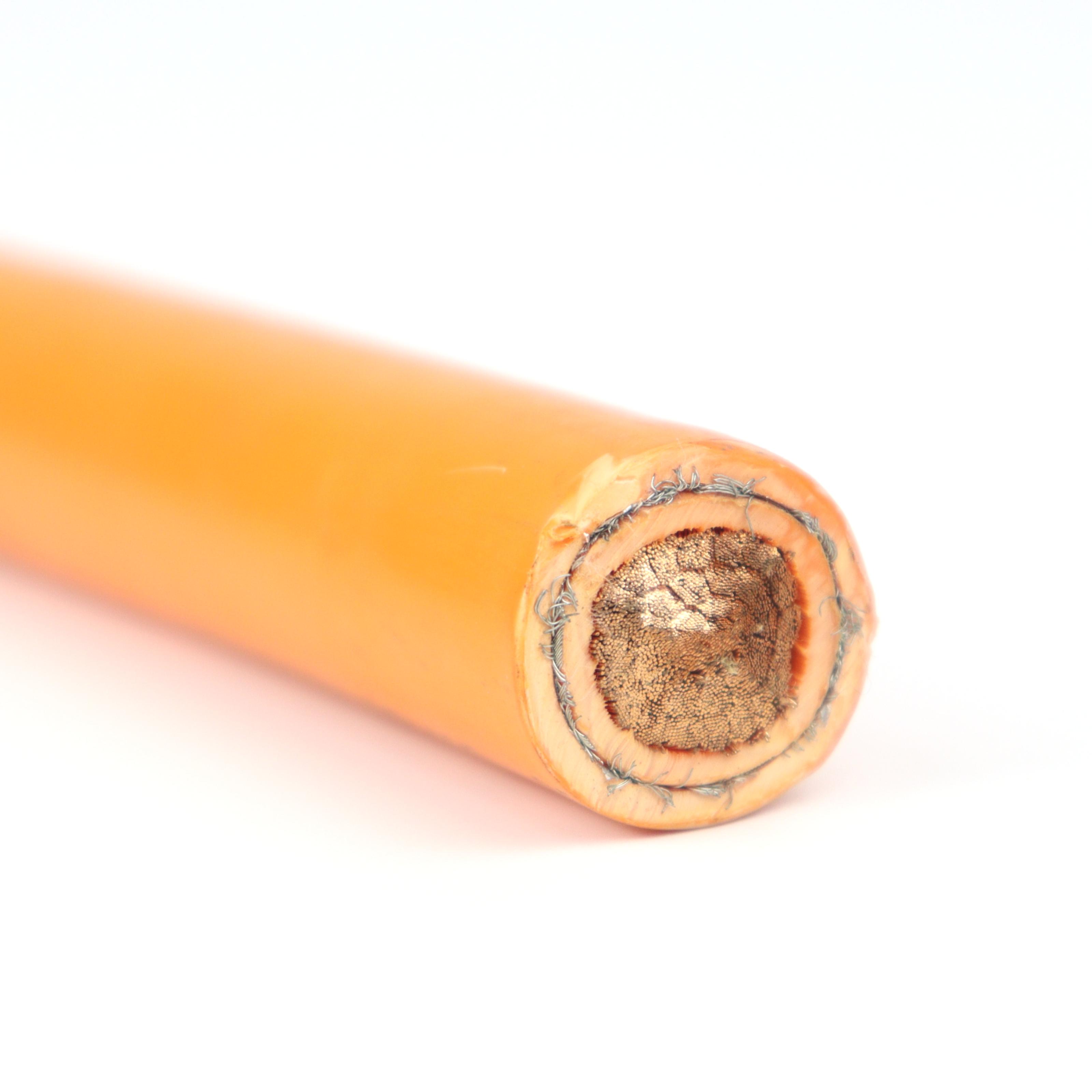
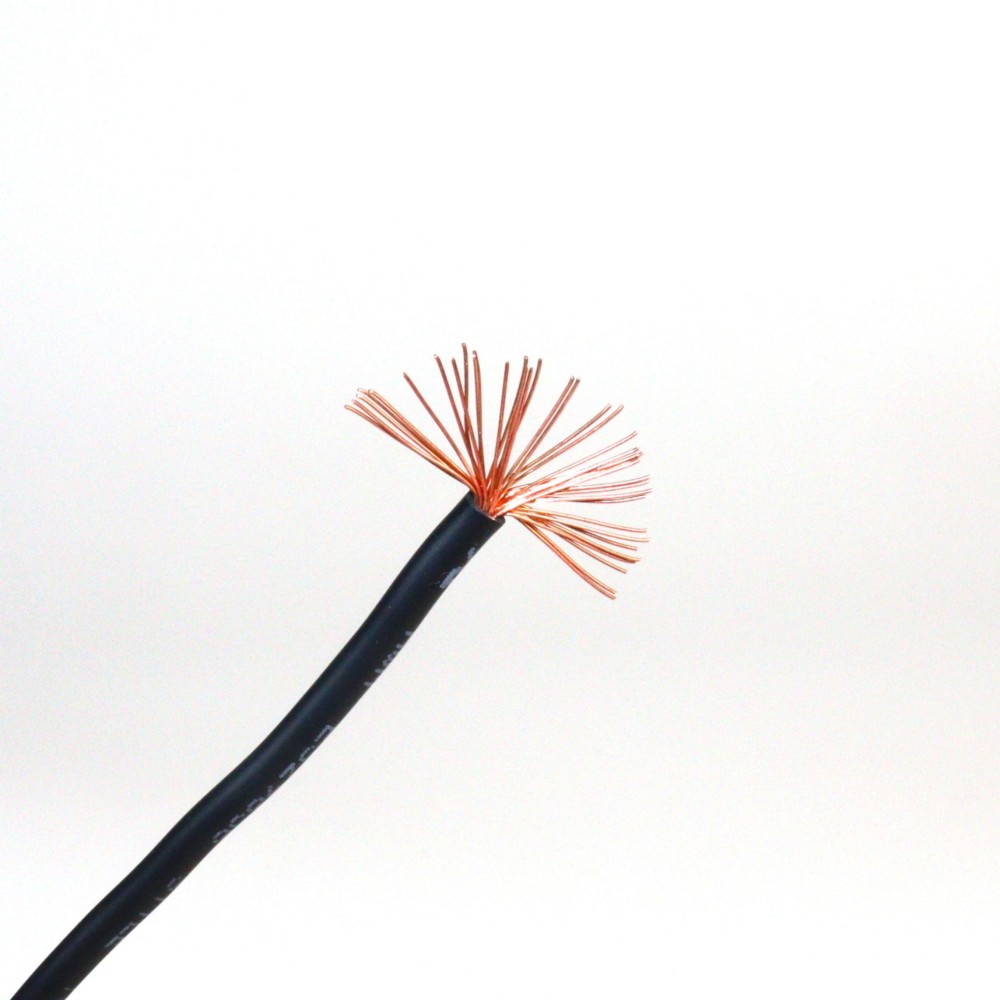
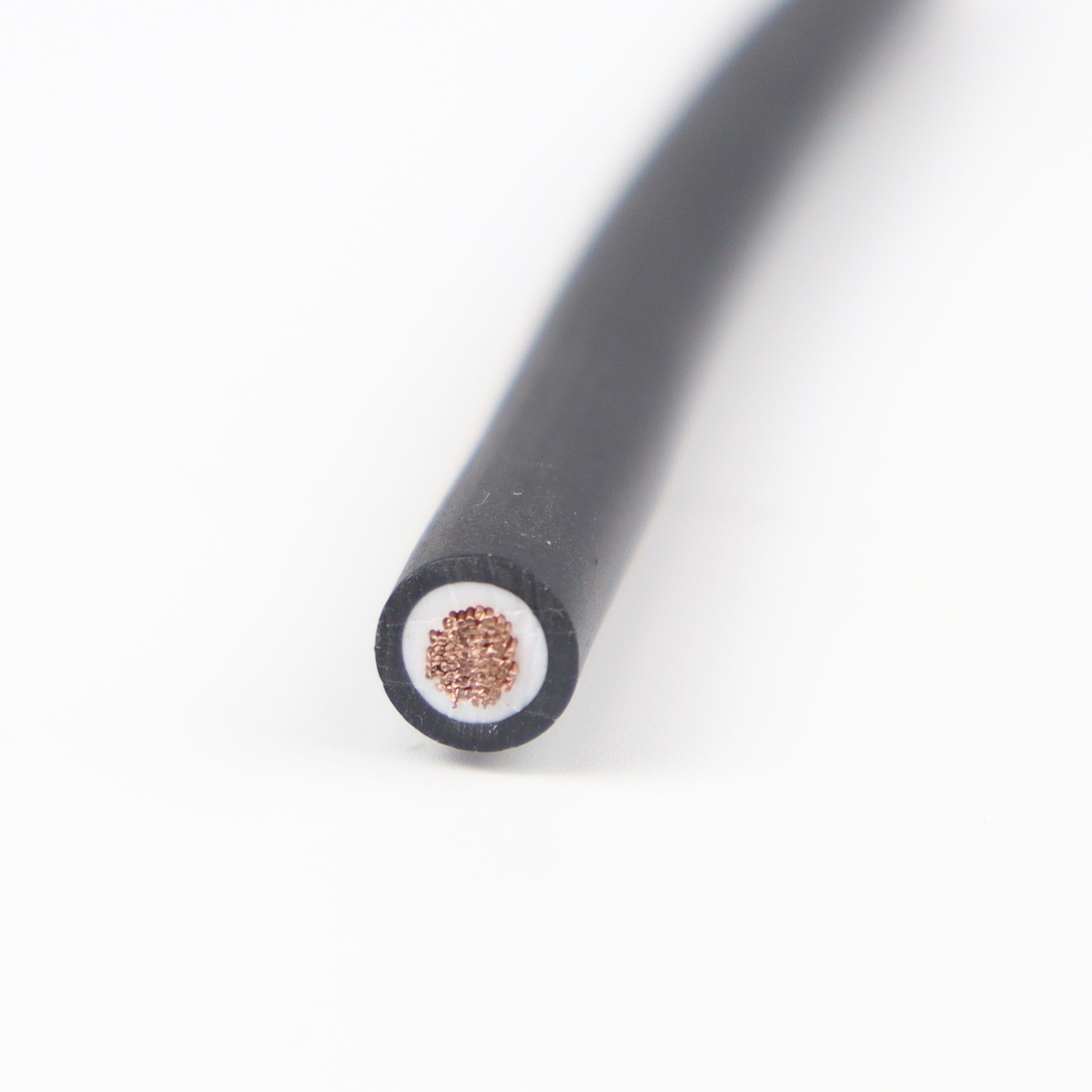
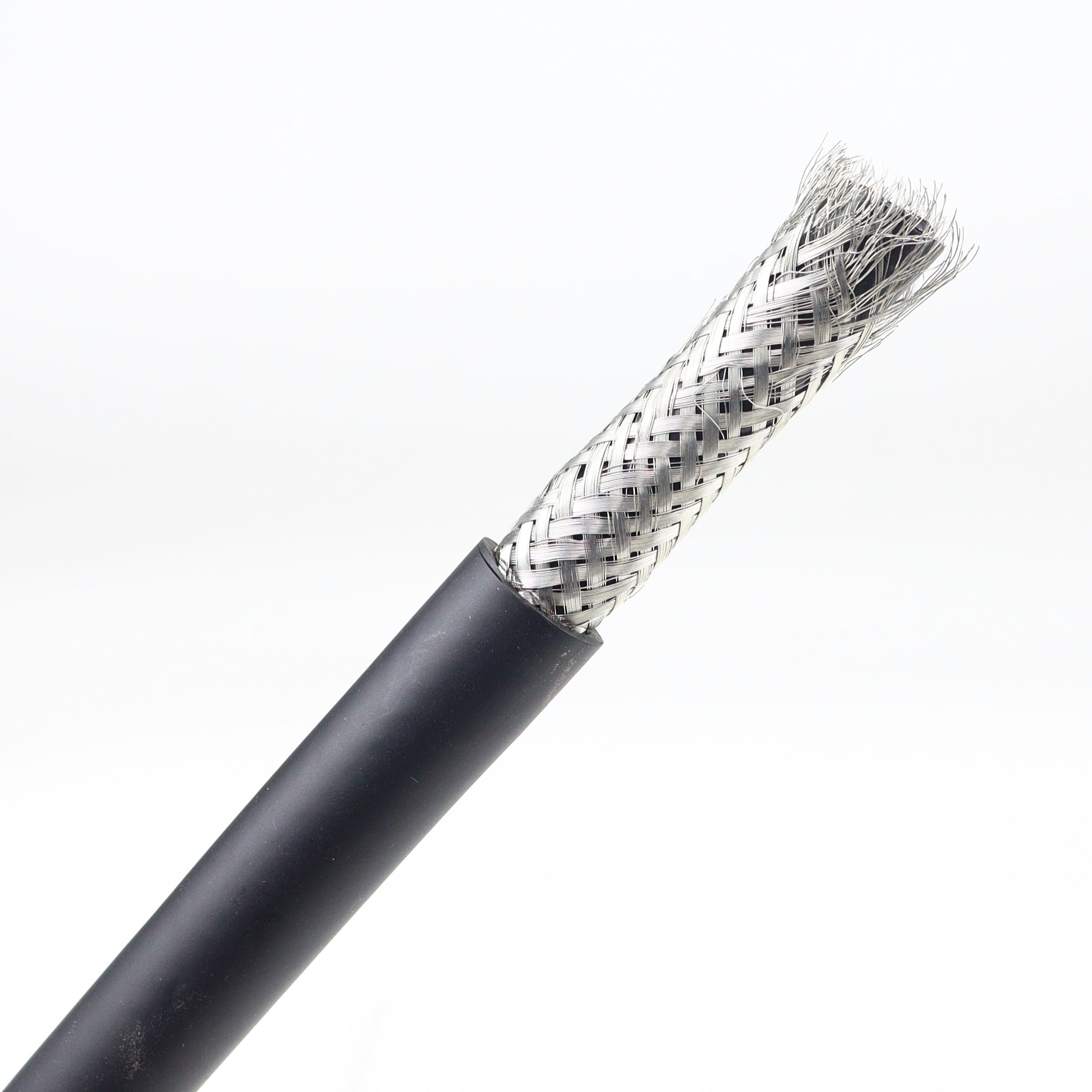
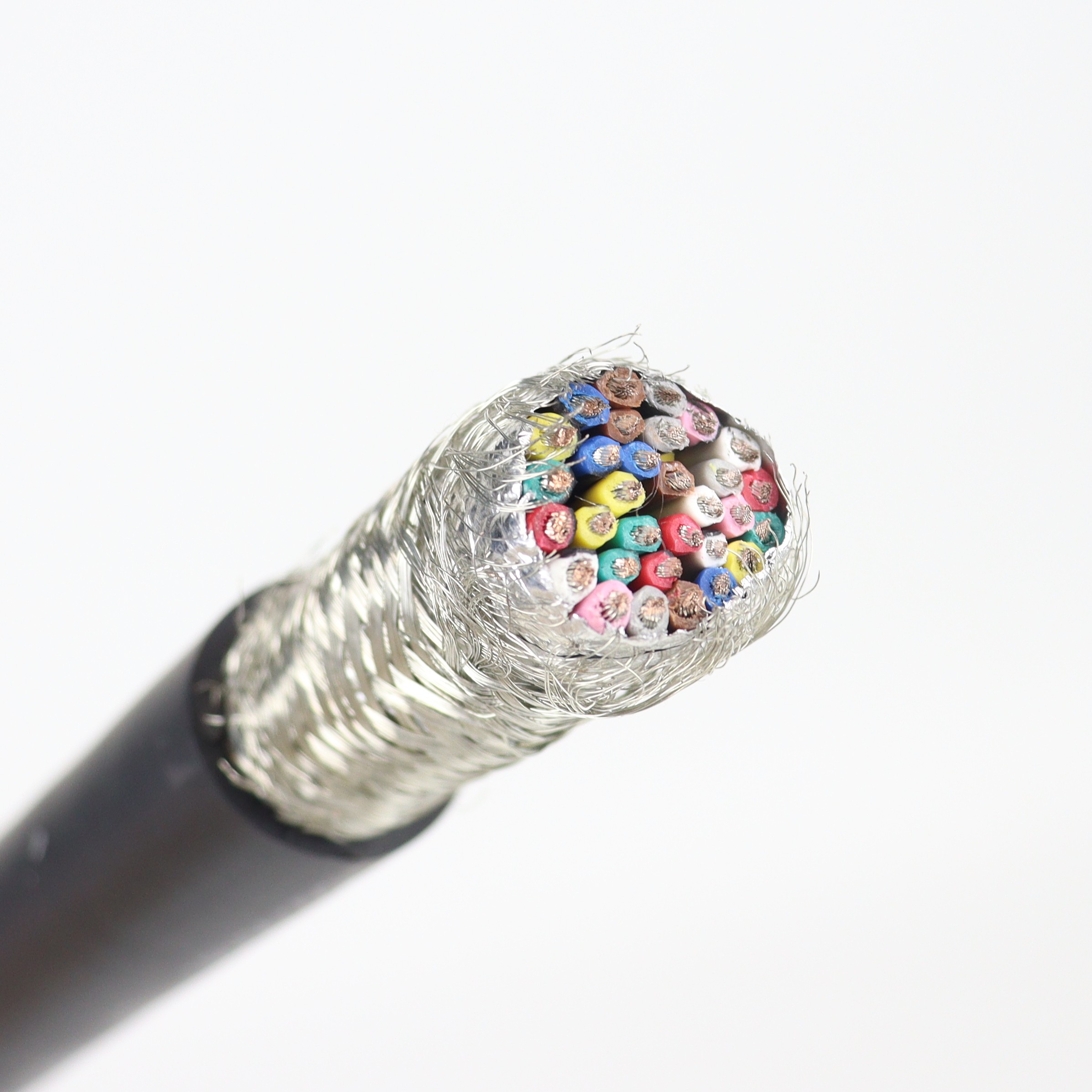
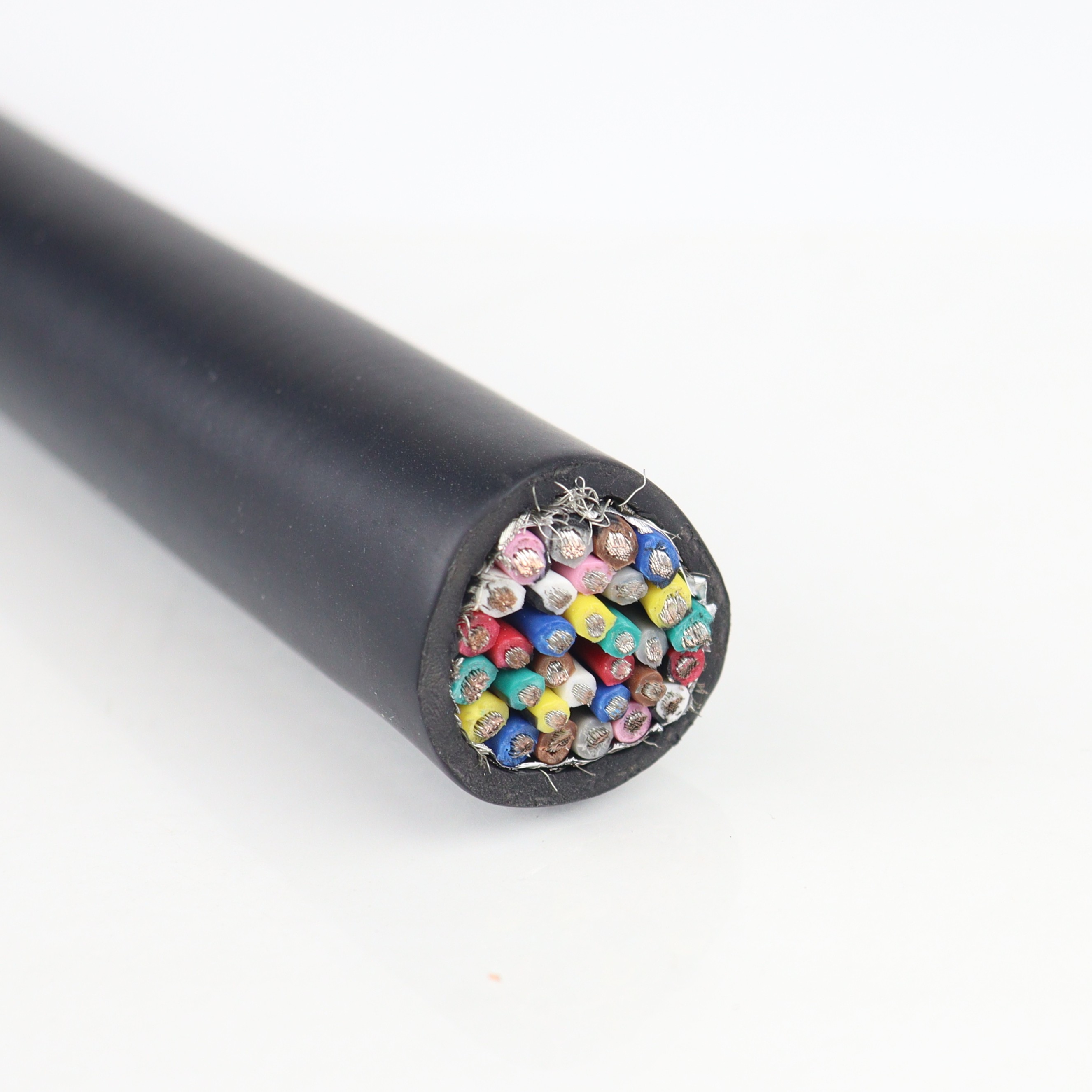
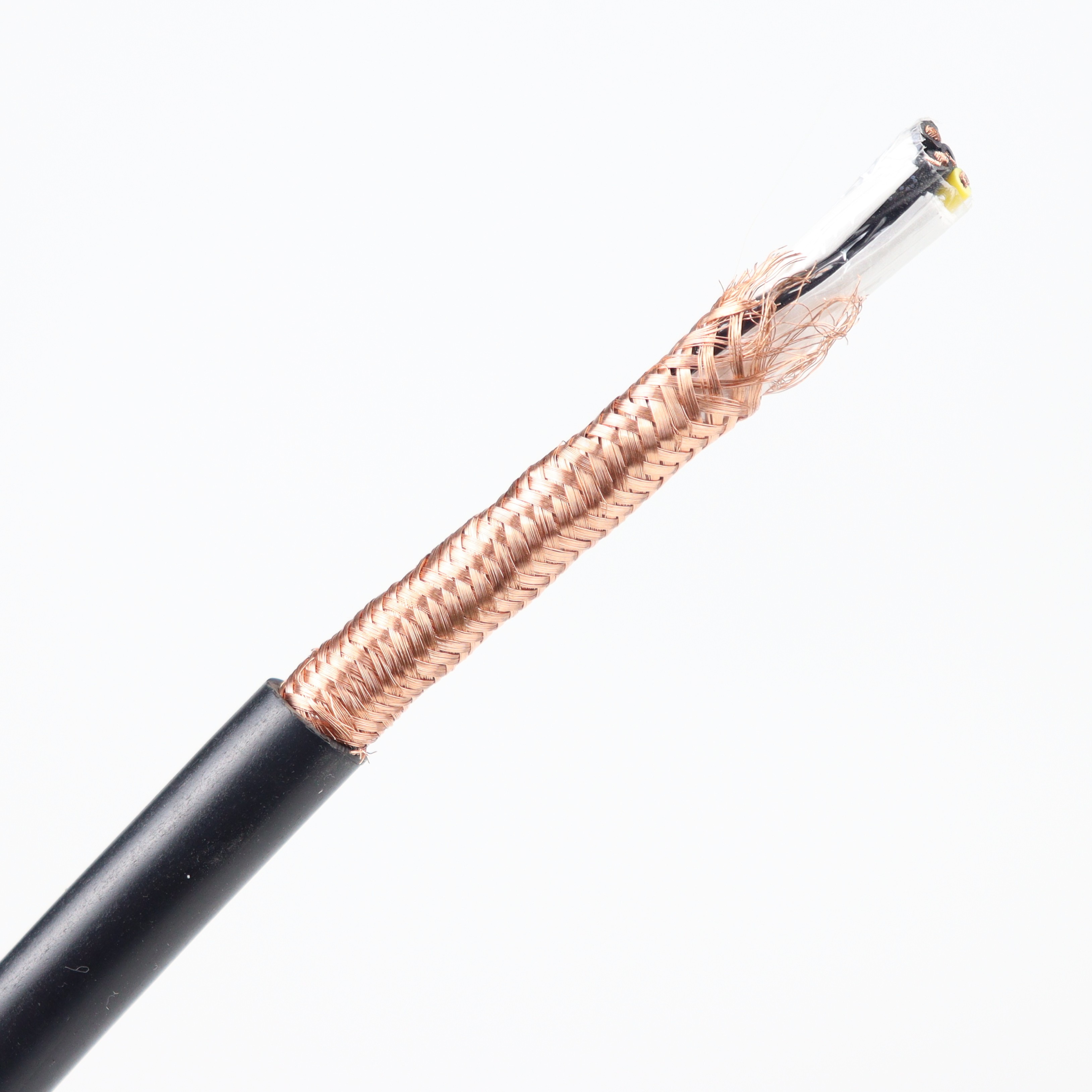
A control cable wire is an electrical cable designed to carry commands, feedback, or low-power signals between control equipment and the machines it operates. Unlike a power cable, a control cable wire focuses on accurate communication and dependable movement rather than supplying large amounts of energy. This control cable wire commonly links switches, sensors, relays, motors, valves, panels, and automated controls. The control cable wire helps a machine start, stop, adjust speed, change direction, or report operating conditions. With suitable insulation and shielding, a control cable wire can protect signals from moisture, abrasion, heat, oil, and electrical interference. Each control cable wire may contain multiple copper conductors, allowing one cable to manage several commands or circuits in a compact installation. A well selected control cable wire also supports repeated bending, vibration, and movement in equipment such as machine tools, conveyors, cranes, packaging lines, and industrial robots. In moving equipment, control cable wire construction may include flexible strands, a tough outer jacket, and reinforcement that reduces damage during continuous travel. When control cable wire is correctly rated, it improves signal stability and lowers the risk of unexpected stoppages. Buyers can specify control cable wire by conductor count, voltage rating, temperature range, flexibility, jacket material, shielding, and installation environment. Overall, control cable wire gives designers a practical connection between human instructions, automatic controllers, and machine functions. Its main value comes from safe, organized, and repeatable control in both fixed and moving applications.