multicore control cable
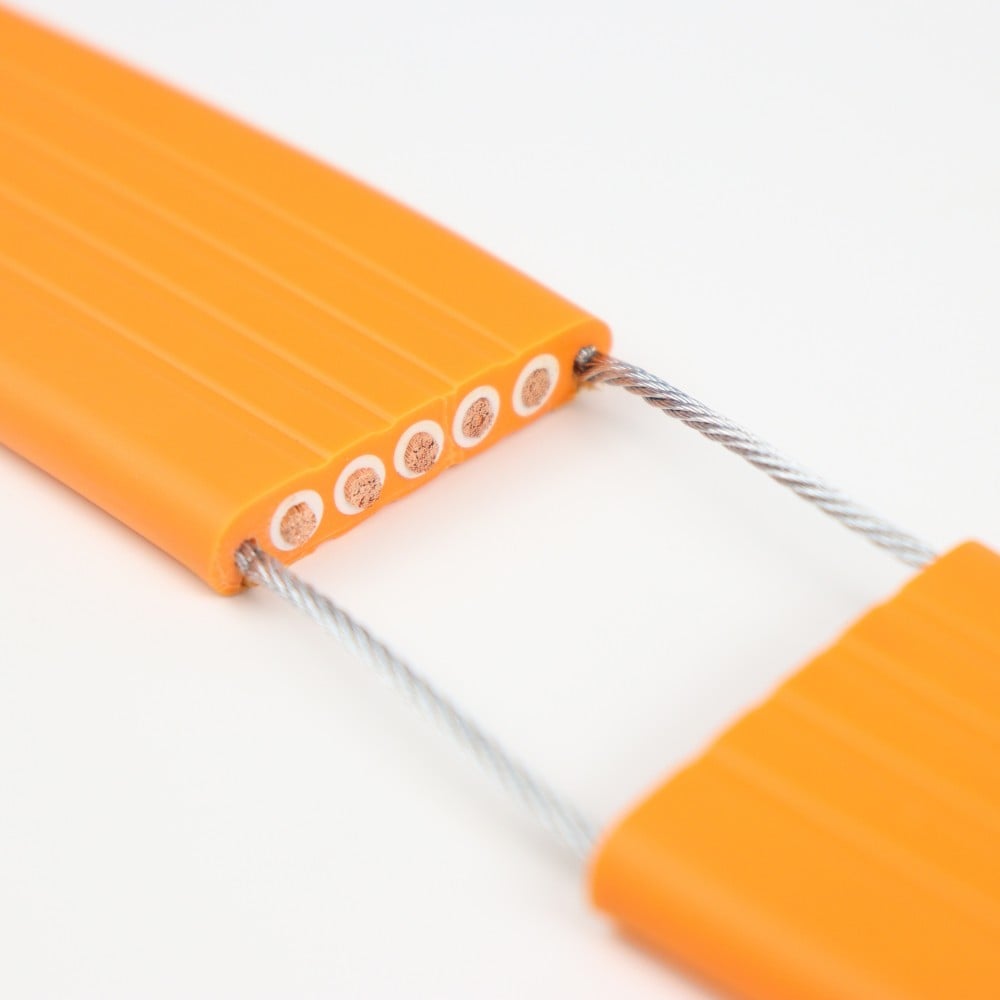
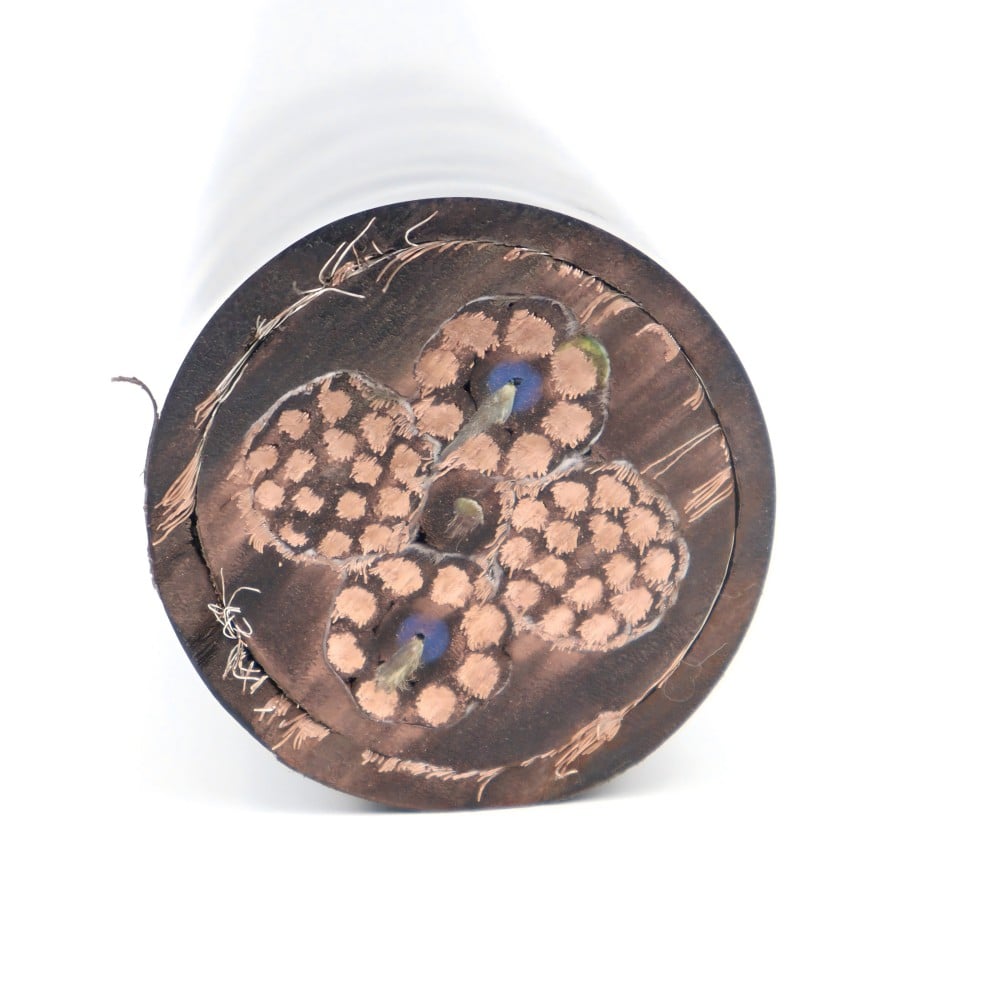
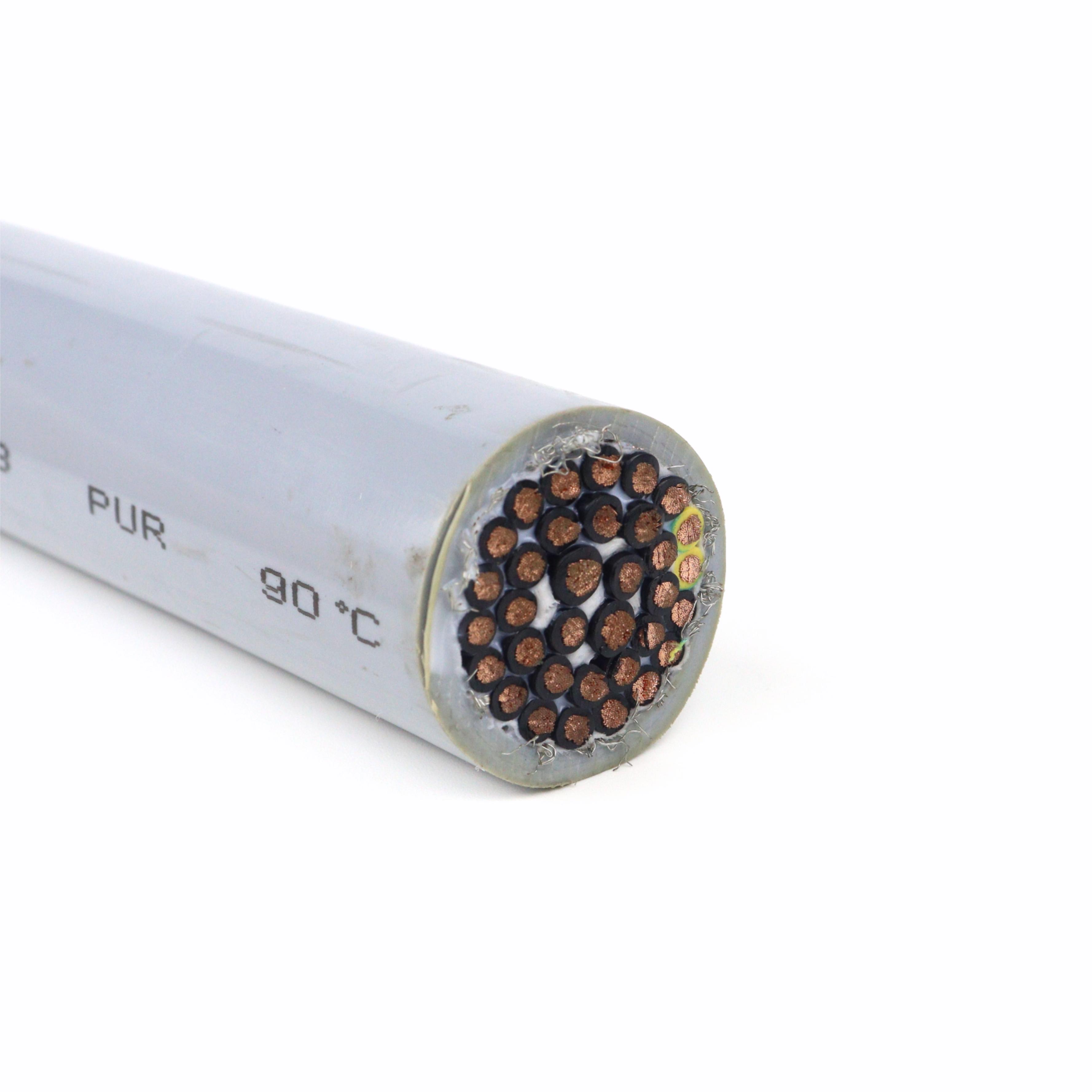
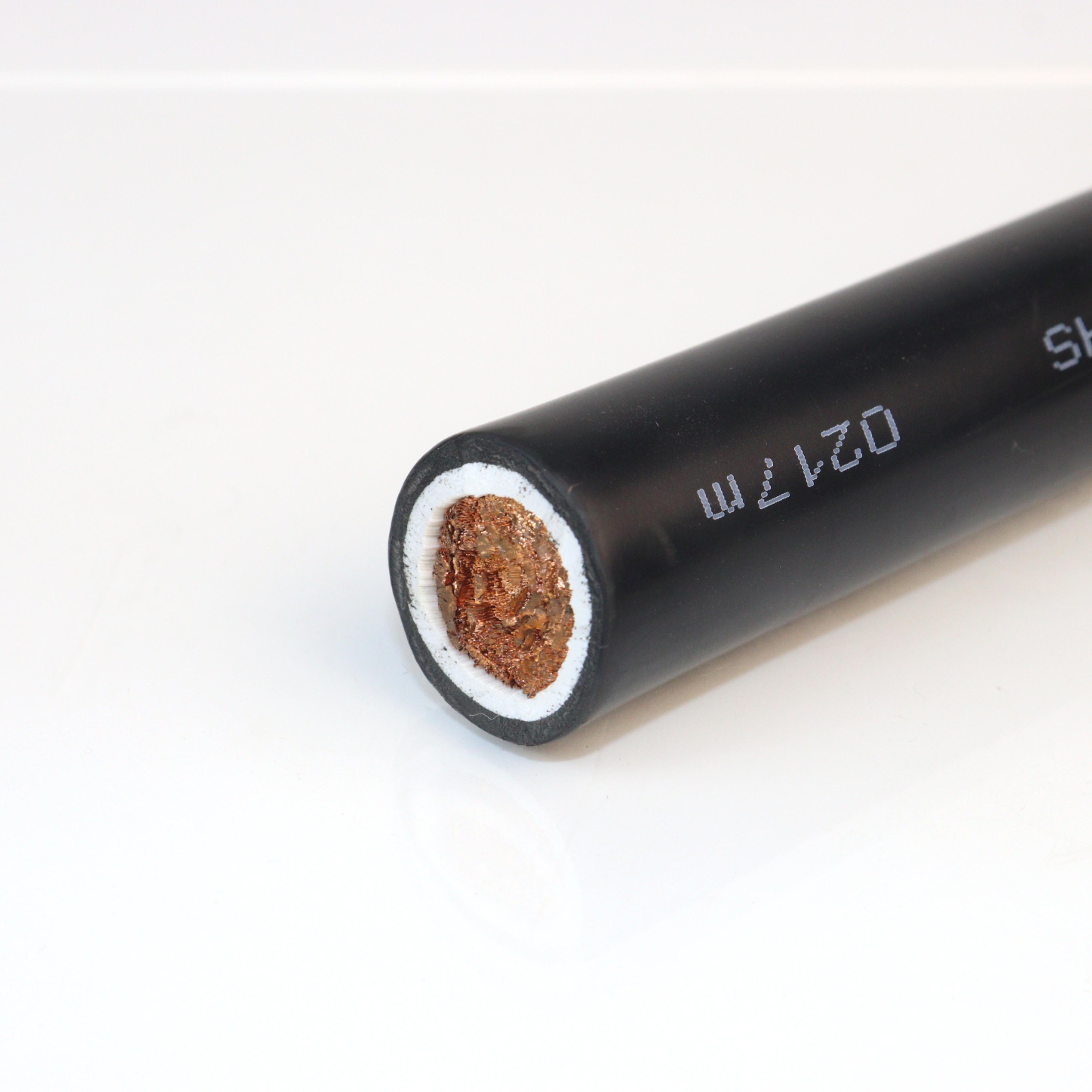
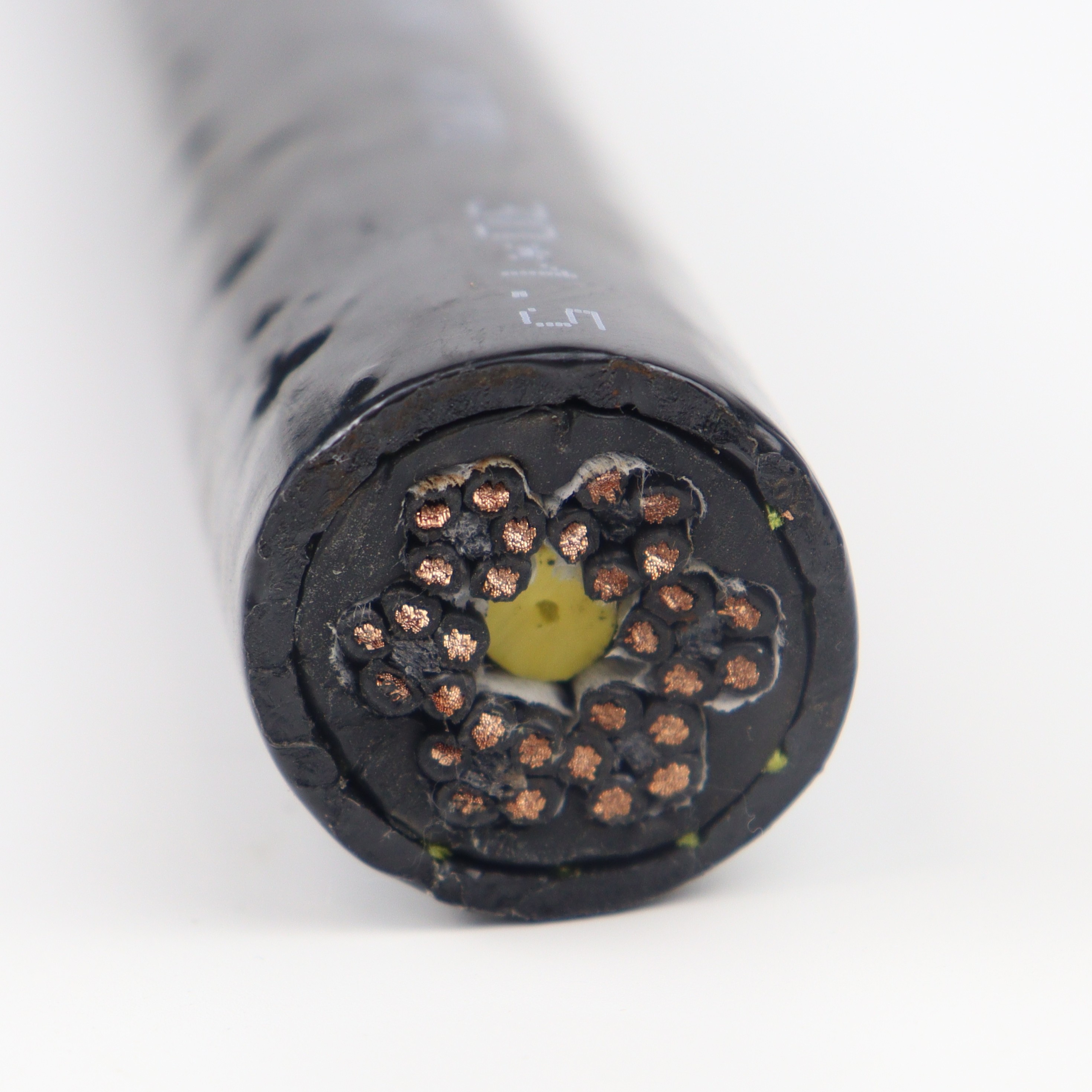
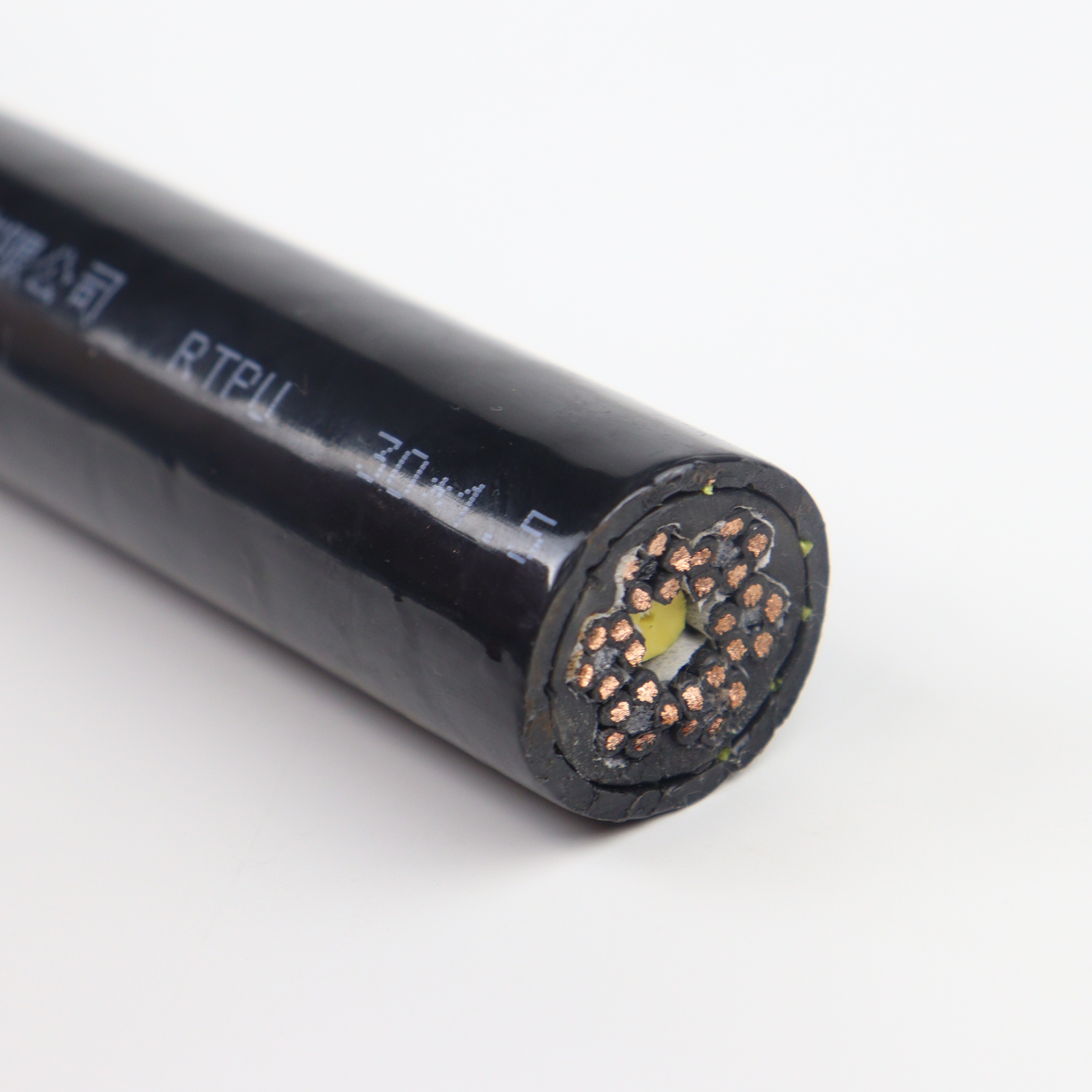
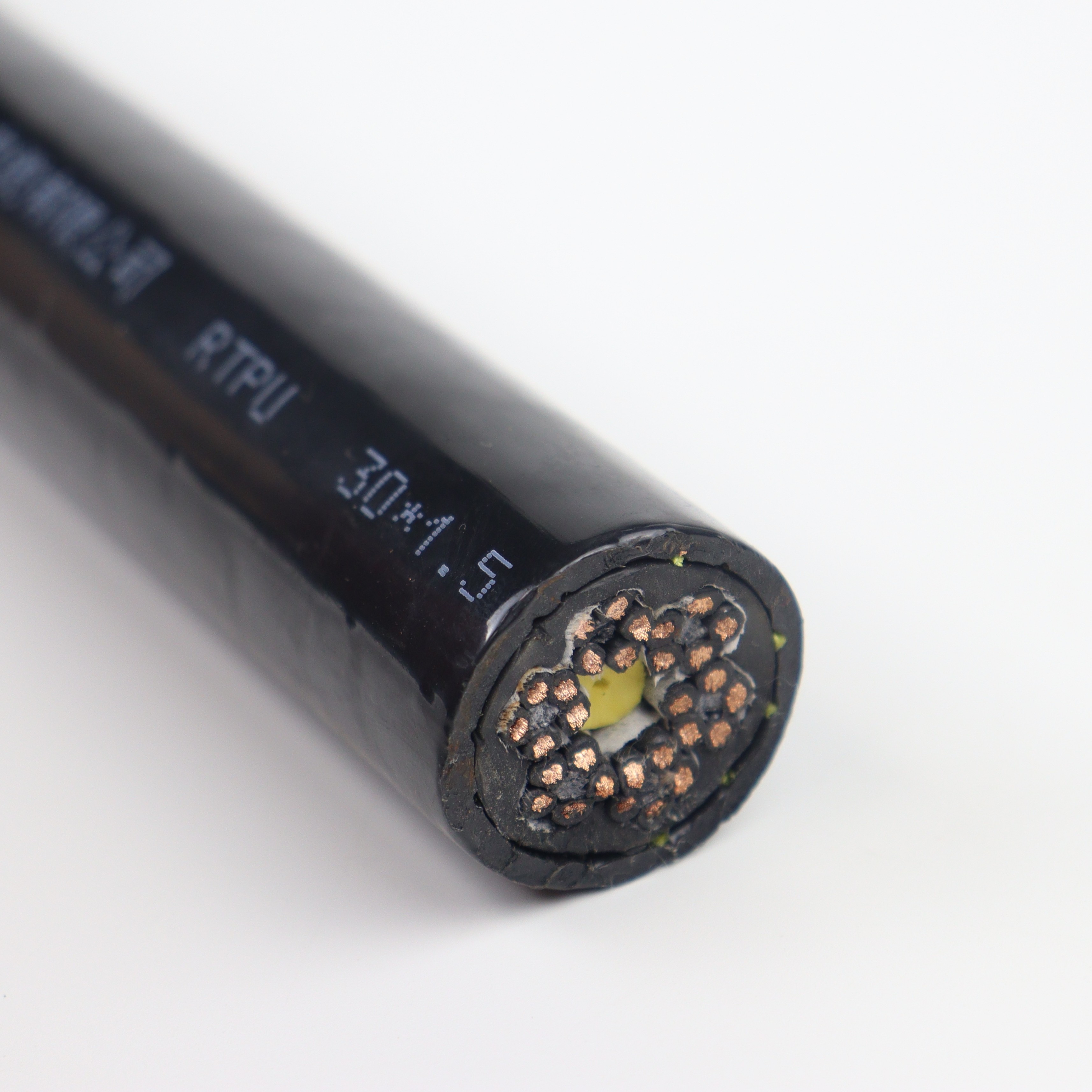
A multicore control cable carries several electrical circuits inside one protected outer jacket. It lets equipment exchange commands, status signals, and low-power control data without installing a separate cable for every connection. This design makes a multicore control cable a practical choice for control panels, production lines, machines, and building systems. Each core has its own conductor and insulation, while an overall sheath keeps the group organized and protected. Depending on the model, a multicore control cable may use flexible copper conductors for repeated movement or solid conductors for fixed installation. PVC, LSZH, or other jacket materials can support different fire, smoke, oil, moisture, and temperature requirements. Some versions include shielding to reduce electrical interference near motors, drives, or switching equipment. A multicore control cable can also include numbered cores, color identification, and metric or imperial size options, which simplify termination and maintenance. Its main function is reliable signal and command transmission between sensors, switches, relays, controllers, actuators, and other devices. Compared with many individual wires, a multicore control cable reduces clutter, saves panel and tray space, and shortens installation time. A multicore control cable is not normally intended to replace a power cable where high current or high voltage demands apply. Instead, it supports control, measurement, monitoring, and communication circuits within their rated limits. Selecting the right multicore control cable requires checking conductor count, cross-sectional area, voltage rating, flexibility, shielding, jacket performance, installation environment, and compliance markings. With the correct specification, a multicore control cable provides an orderly, dependable connection for both simple and complex automation networks.