PVC Control Cable for Reliable Automation

application/pvc-control-cable, application/pvc-control-cable, 
Inquiry
Inquiry

pvc control cable

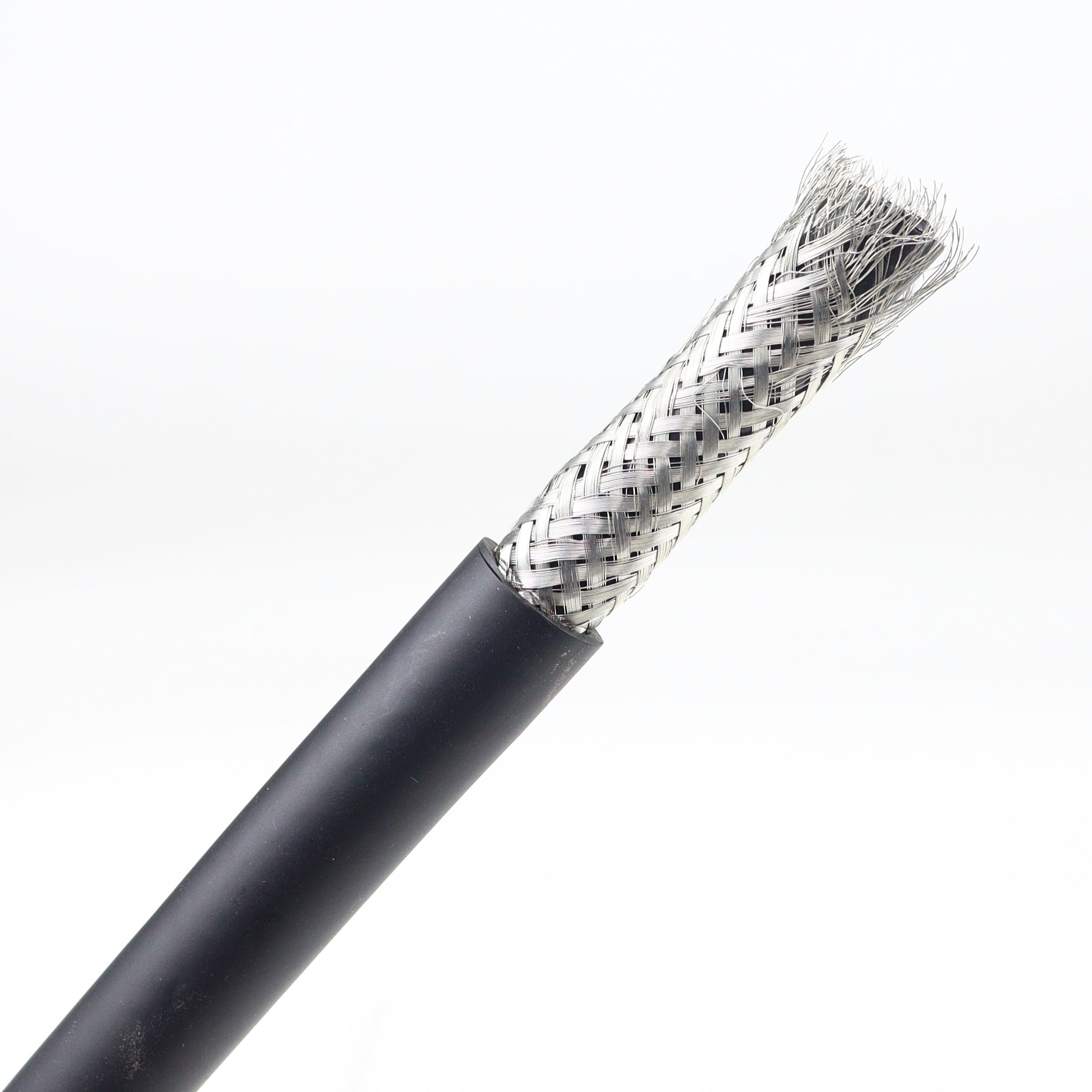
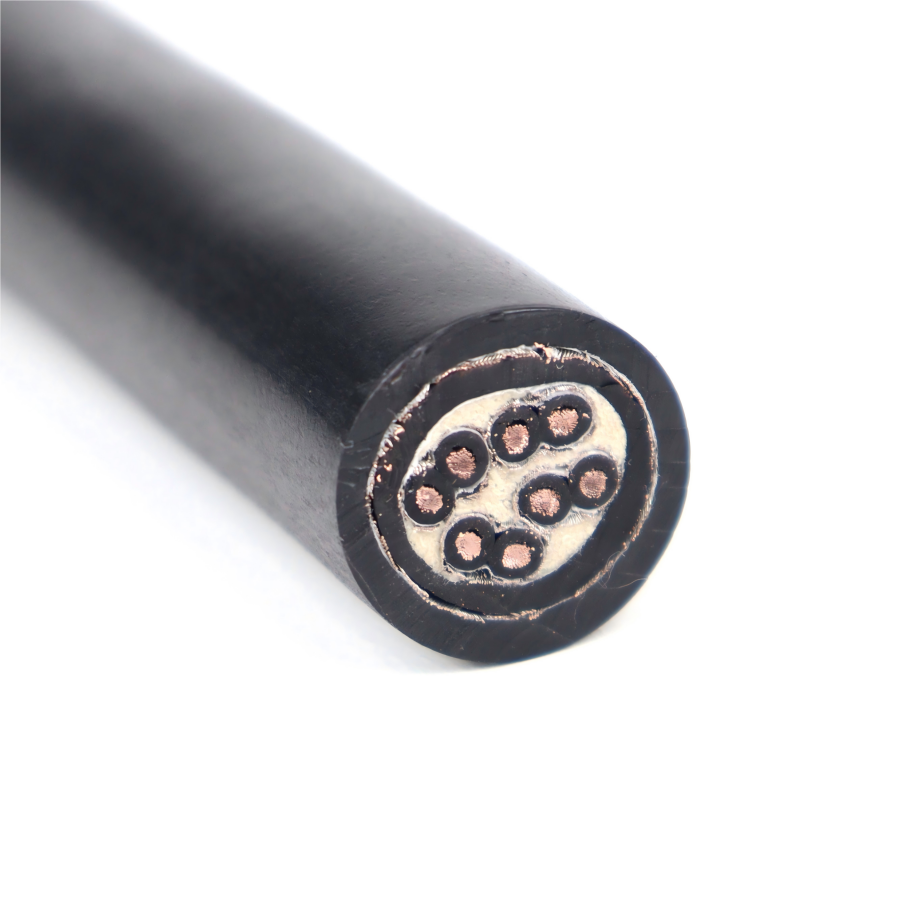
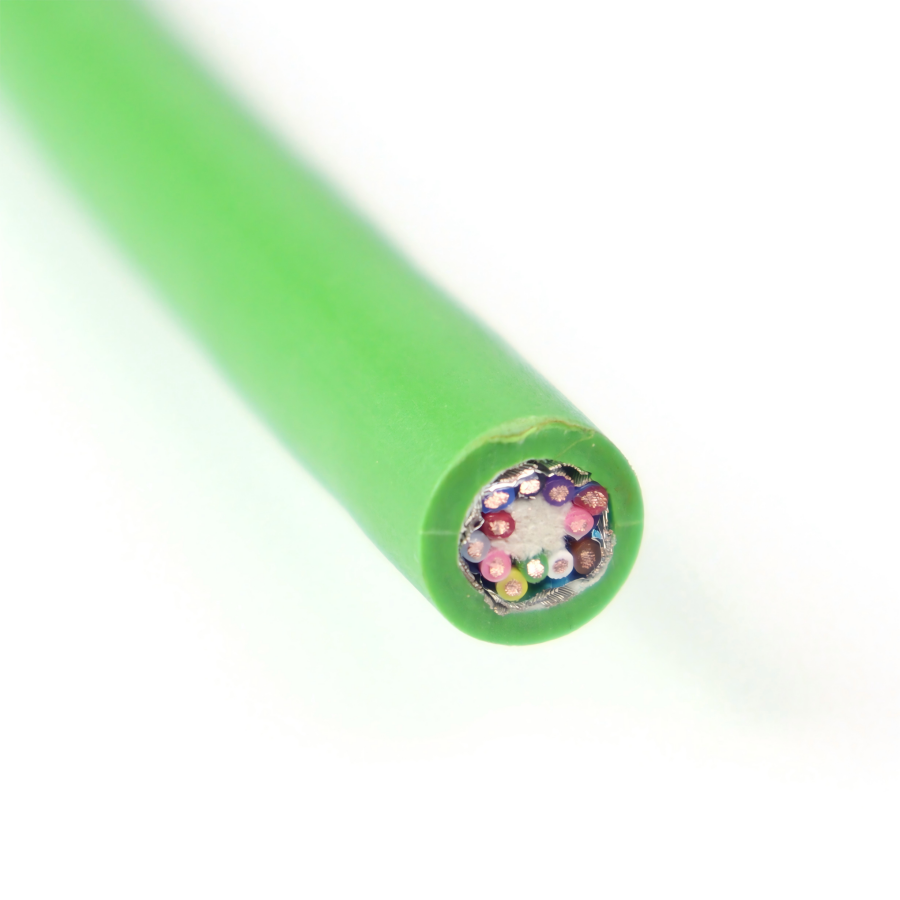
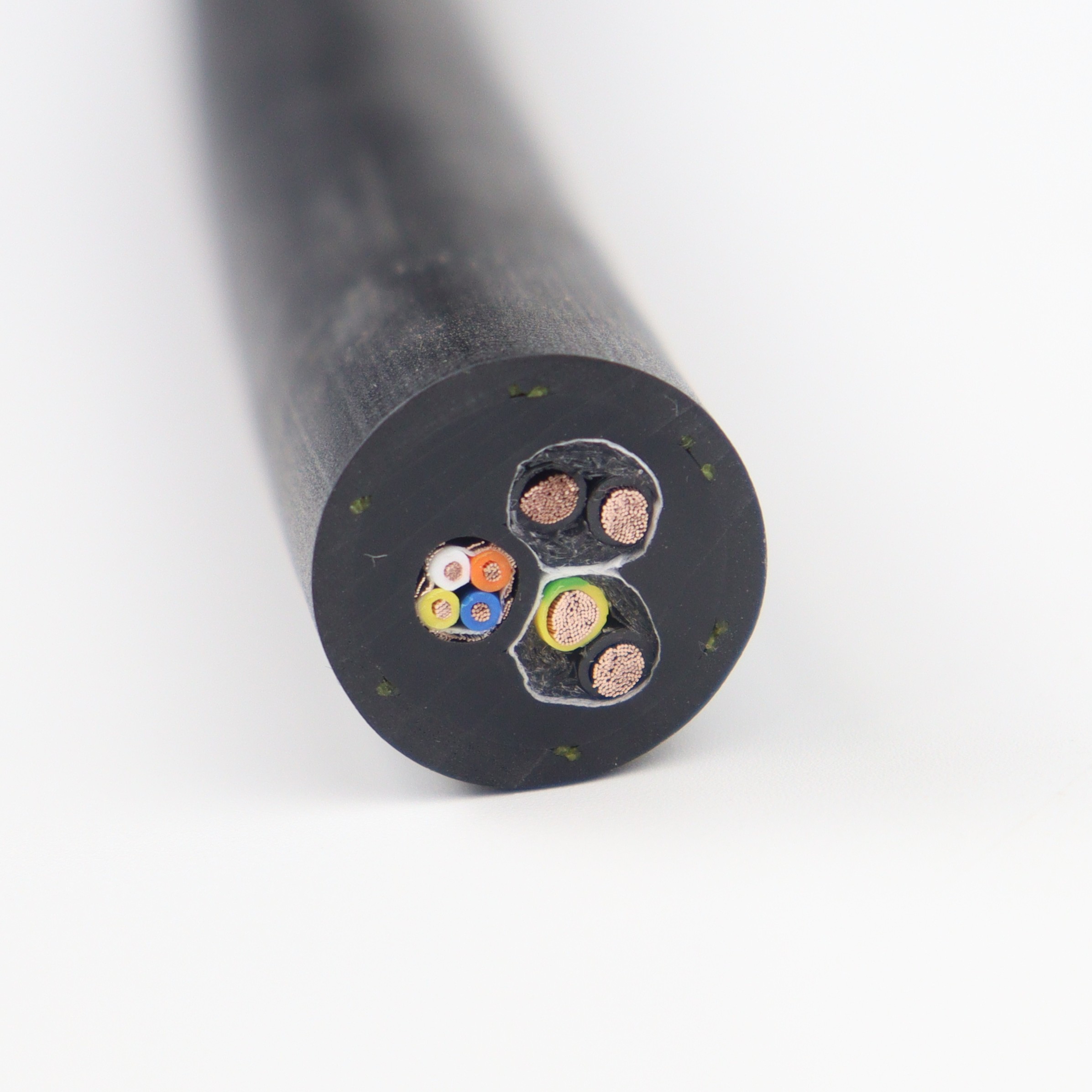
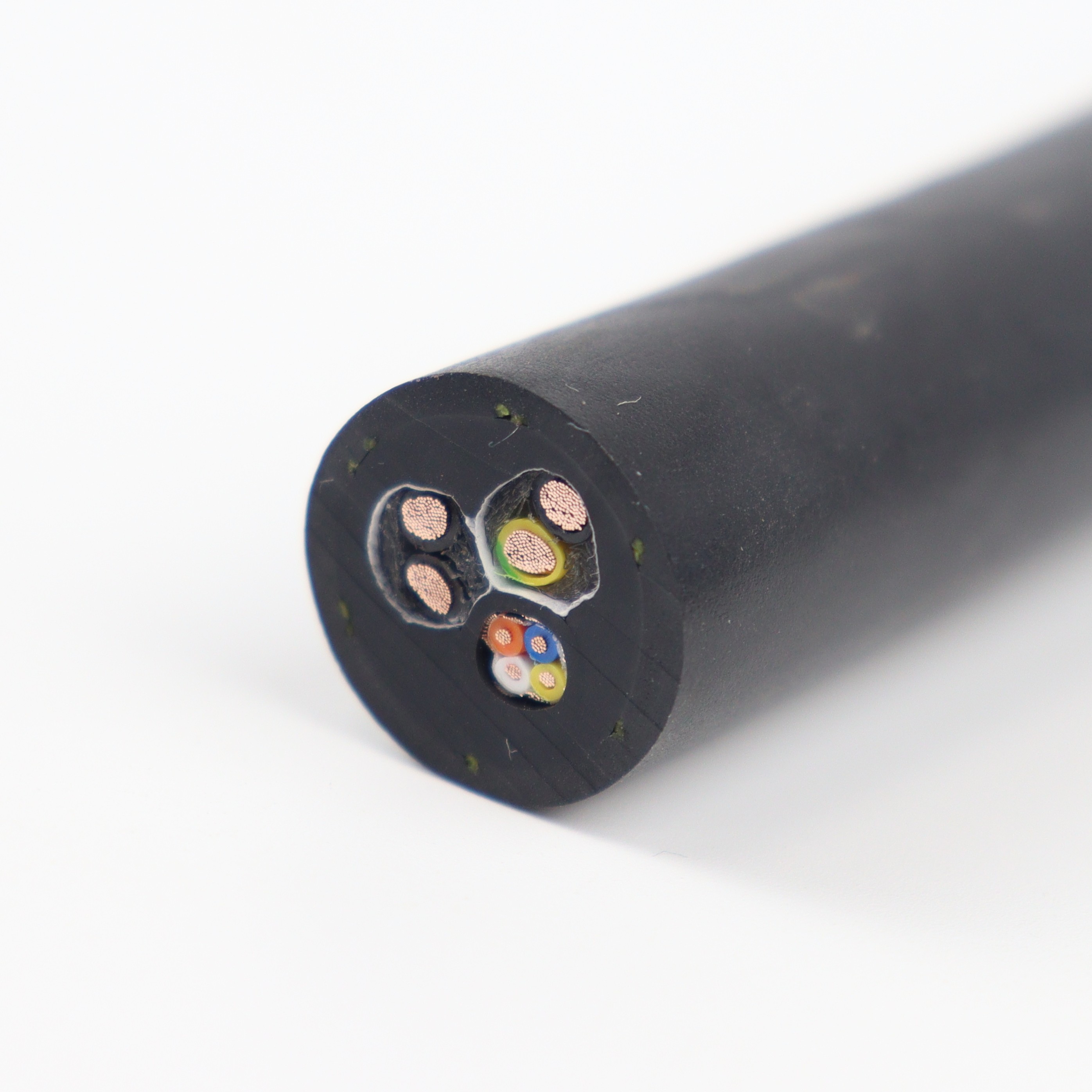
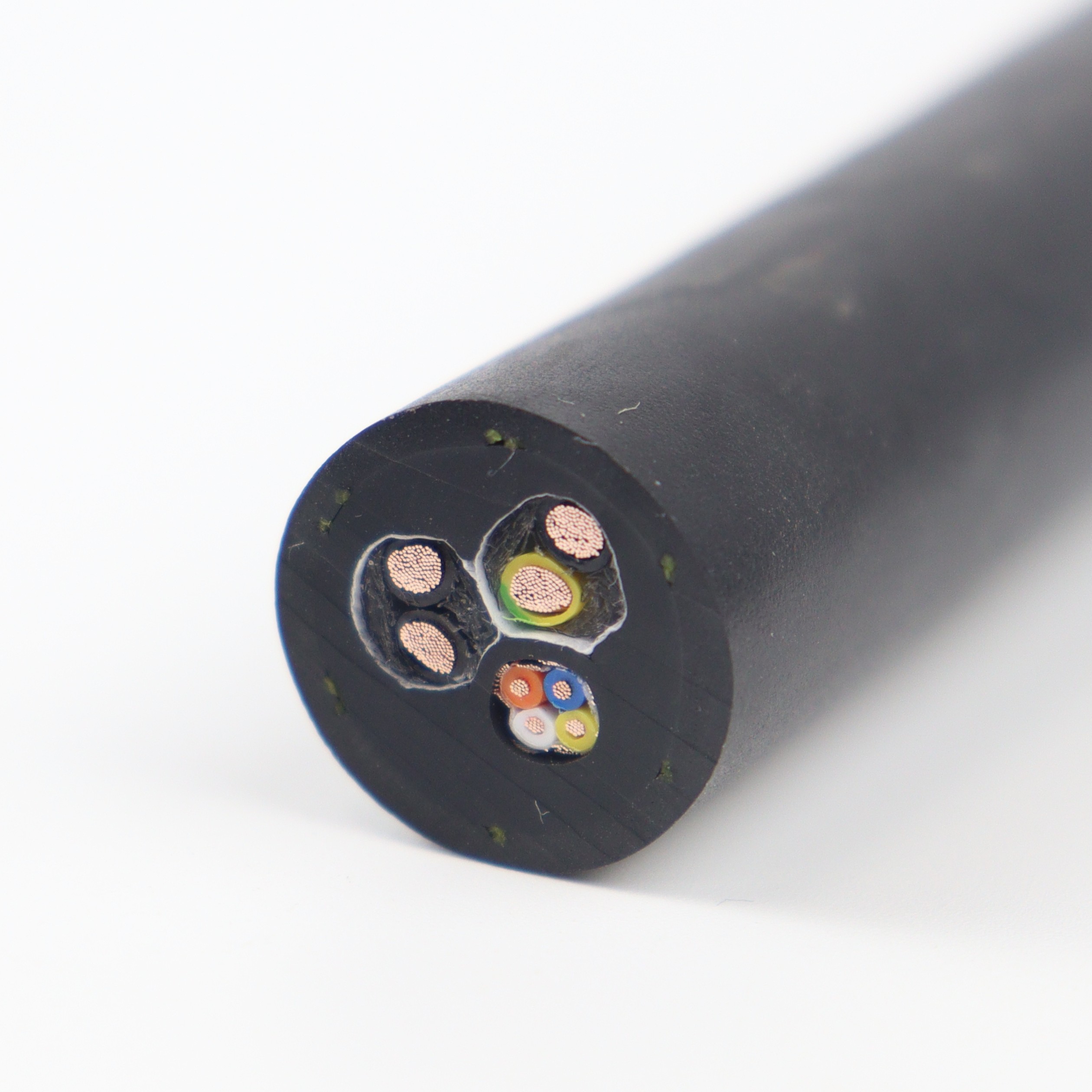
A pvc control cable is a flexible electrical cable designed to carry command, monitoring, and measurement signals between machines, sensors, switches, controllers, and control panels. The pvc control cable supports reliable communication in automated equipment, production lines, building systems, and general industrial installations. Its conductors usually use stranded copper, which improves flexibility and makes repeated routing easier. Each conductor receives insulation, and several insulated cores sit inside a protective PVC sheath. A well-made pvc control cable keeps signals organized while helping prevent accidental contact between conductors. This pvc control cable may include numbered cores, color identification, shielding, or drain wires to suit different control environments. The pvc control cable can be supplied with multiple core counts and conductor sizes, allowing users to match the cable to voltage, current, distance, and installation needs. During installation, the pvc control cable can run through trays, conduits, cabinets, machines, and flexible cable carriers, depending on its construction. A pvc control cable is normally selected for low-voltage control circuits rather than high-power transmission, so buyers should confirm ratings before ordering. When selected correctly, the pvc control cable offers stable signal transfer, practical handling, and dependable protection against everyday abrasion, moisture, oil, and dust. For buyers, the pvc control cable provides a straightforward connection solution that supports safe machine operation, clear troubleshooting, and efficient maintenance. Product specifications should cover voltage rating, temperature range, bending limits, shielding options, sheath material, core identification, and compliance requirements. These details help engineers choose a suitable cable for both fixed and moving applications.
The main advantage of a pvc control cable is dependable machine communication at a practical cost. A pvc control cable gives controllers a stable path for start, stop, alarm, feedback, and sensor signals, helping equipment respond as intended. Its stranded copper cores bend more easily than solid conductors, so installers can route the cable around cabinets, panels, and moving assemblies with less effort. This pvc control cable also simplifies maintenance because numbered or colored cores help technicians identify circuits quickly. The pvc control cable reduces wiring confusion in crowded control cabinets and can shorten fault-finding time when a machine stops unexpectedly. PVC insulation and the outer sheath provide useful protection against ordinary rubbing, dust, moisture, and light exposure to industrial fluids. A pvc control cable is therefore suitable for factories, packaging systems, conveyors, pumps, HVAC equipment, lighting controls, and building automation. Depending on the design, shielding can reduce interference from nearby motors, drives, and power cables, which helps preserve signal quality. The pvc control cable supports clean installation through several core counts, sizes, and sheath colors, giving buyers flexibility without forcing unnecessary overspecification. Its manageable construction can reduce labor during cutting, stripping, termination, and replacement. The pvc control cable also helps standardize spare parts across equipment groups when one approved specification serves several machines. For purchasing teams, the pvc control cable offers a useful balance of price, availability, performance, and service life. Buyers should still check conductor area, operating voltage, ambient temperature, bending frequency, oil resistance, fire behavior, and required approvals. A pvc control cable built for fixed routing may not suit constant motion, so application matching remains important. Choosing the right model protects uptime and avoids early replacement costs. In short, the pvc control cable delivers reliable everyday control wiring without adding unnecessary complexity to system design, installation, or support.

Practical Tips

Shanghai Libin Cable Showcases Robot and Automation Cable Solutions at CMES Shanghai Industrial Automation & Robotics Exhibition

16

Oct

Shanghai Libin Cable Showcases Robot and Automation Cable Solutions at CMES Shanghai Industrial Automation & Robotics Exhibition

View More
Shanghai Libin Cable Showcases Crane Cable Solutions at the 11th China (Changyuan) International Crane Equipment Expo

16

Oct

Shanghai Libin Cable Showcases Crane Cable Solutions at the 11th China (Changyuan) International Crane Equipment Expo

View More
Why Drag Chain Cables Fail: Four Common Causes and How to Select Correctly

16

Oct

Why Drag Chain Cables Fail: Four Common Causes and How to Select Correctly

View More
Industrial Robot Combination Cable: Routing Power and Signal Together in a Small-Bend-Radius Drag Chain

16

Oct

Industrial Robot Combination Cable: Routing Power and Signal Together in a Small-Bend-Radius Drag Chain

View More

Get a Free Quote

Our representative will contact you soon.
0/1000
Flexible Wiring for Faster Installation

Flexible Wiring for Faster Installation

A pvc control cable uses fine stranded conductors that bend smoothly during routing and termination. The pvc control cable can follow practical paths through cabinets, conduits, machine frames, and equipment channels without the stiffness associated with many heavy power cables. This pvc control cable helps installers reach terminals cleanly, especially where space is limited or several circuits enter one panel. The pvc control cable also reduces stress on connection points because its flexible cores are easier to position before tightening terminals. For buyers, a pvc control cable can lower installation effort, reduce cutting waste, and make future replacement more convenient. A pvc control cable with clearly numbered cores supports faster identification, so technicians can connect circuits accurately without repeatedly checking drawings. When a pvc control cable is selected with the correct bend rating, it can serve both fixed routes and suitable occasional movement. Choosing the pvc control cable for its actual routing conditions helps protect the sheath and preserve long-term reliability. The result is a cleaner installation that saves time while supporting dependable machine control.
Durable PVC Protection for Daily Use

Durable PVC Protection for Daily Use

The PVC sheath gives a pvc control cable a practical outer barrier against common installation and operating stresses. A pvc control cable can withstand routine rubbing, handling, dust, and moderate moisture when its rated construction matches the environment. This pvc control cable protects internal conductors from contact damage, helping maintain consistent connections inside equipment and control panels. The pvc control cable also offers a smooth surface that makes pulling, bundling, and cleaning easier during installation and maintenance. For general factory and building applications, a pvc control cable provides useful resistance to everyday exposure without the higher material cost of specialized compounds. A pvc control cable may be available in versions with improved oil, flame, or temperature performance, giving buyers a clearer route to application-specific protection. Selecting the pvc control cable with the correct sheath rating can prevent premature cracking, swelling, or abrasion. The pvc control cable therefore helps extend service intervals and reduce unplanned rewiring. Buyers gain a practical protective layer, predictable handling, and dependable value for standard control circuits. Always compare environmental ratings before placing the cable near heat, chemicals, or continuous outdoor exposure.
Reliable Signal Organization and Control

Reliable Signal Organization and Control

A pvc control cable helps organize many low-voltage signals inside one manageable cable assembly. The pvc control cable can carry commands, status feedback, alarms, and sensor information between field devices and control equipment. This pvc control cable keeps related circuits together, which can make machine layouts easier to understand and service. The pvc control cable may include numbered cores, color coding, shielding, or an overall screen to support accurate termination and cleaner signal performance. For buyers, a pvc control cable can reduce wiring clutter and make troubleshooting more direct when a system needs inspection. A pvc control cable with shielding is especially useful near motors, contactors, and variable-speed equipment that may create electrical noise. Selecting the pvc control cable with suitable core count prevents unnecessary spare wires while leaving enough capacity for planned functions. The pvc control cable also supports consistent documentation because each core can be assigned to a known control task. This organization can shorten commissioning time, improve maintenance accuracy, and reduce the chance of incorrect reconnection. The right pvc control cable gives automation designers a dependable foundation for clear, responsive, and maintainable control systems.