Industrial Control Cable for Reliable Systems

application/industrial-control-cable, application/industrial-control-cable, 
Inquiry
Inquiry

industrial control cable

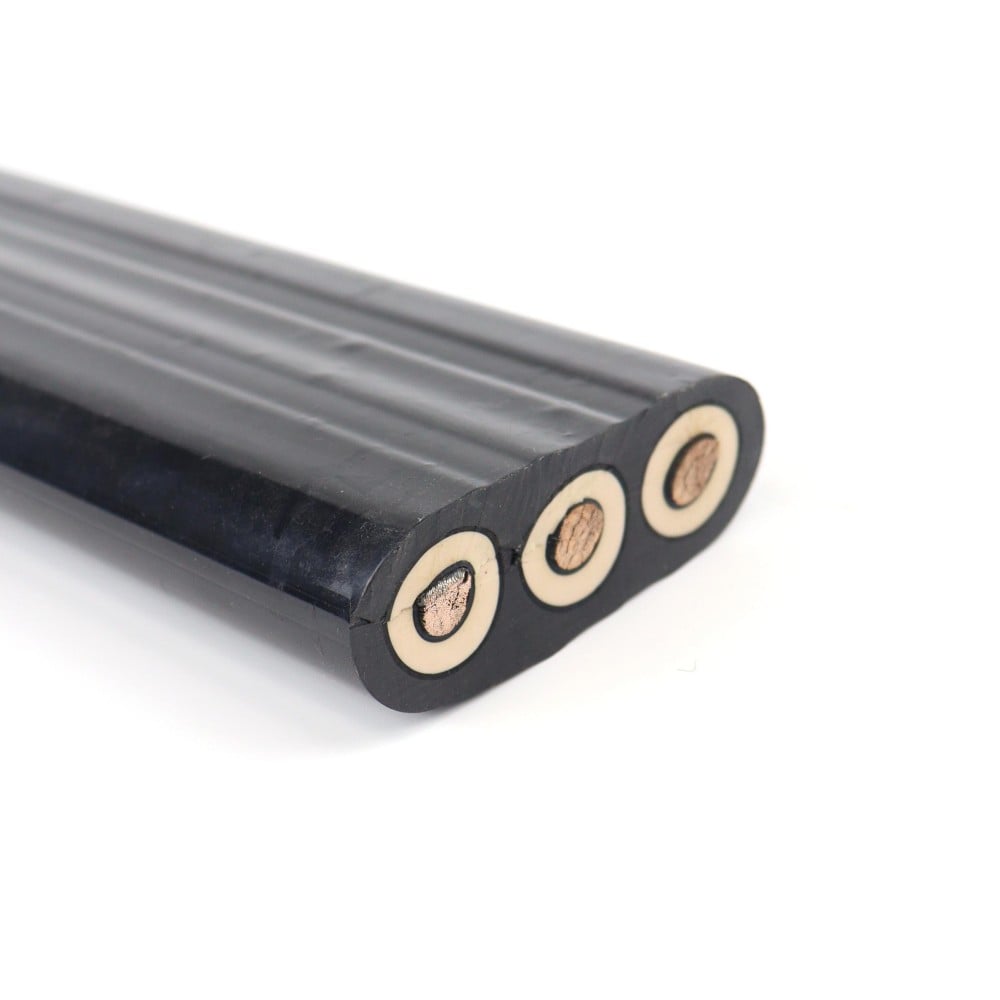
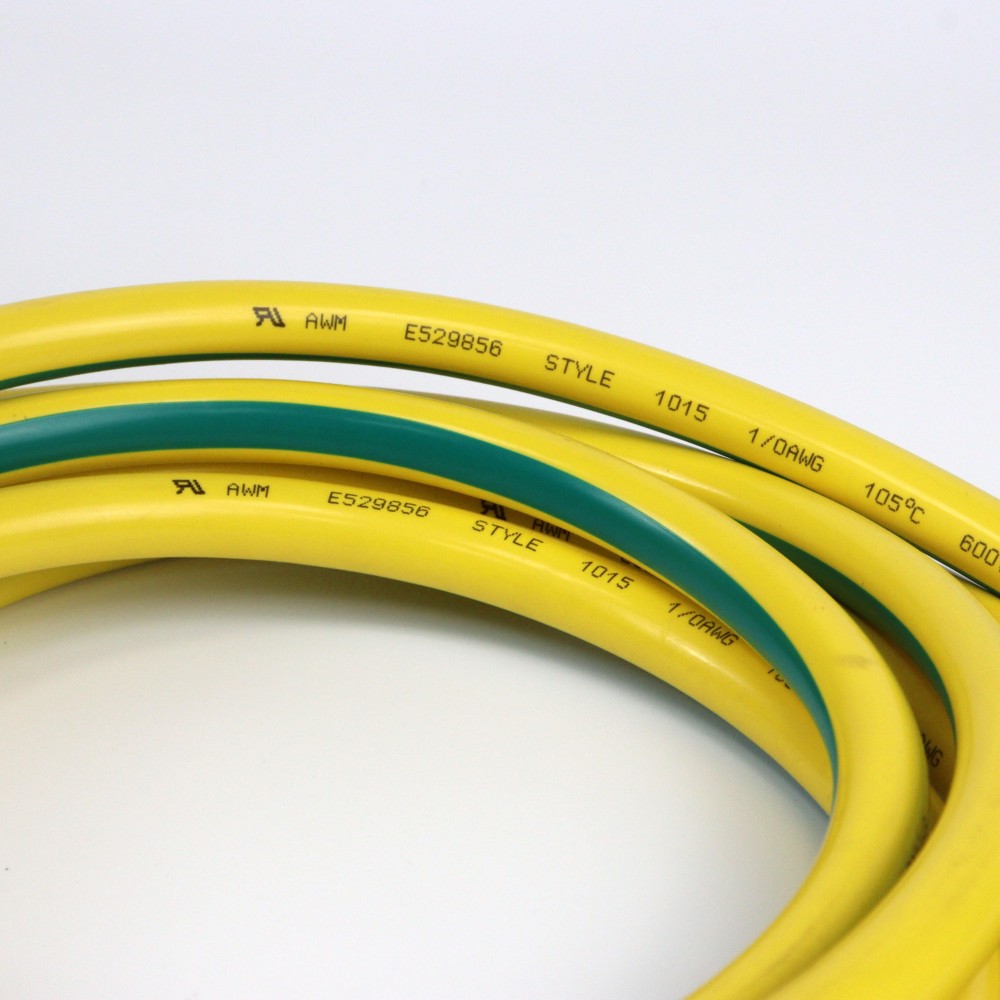
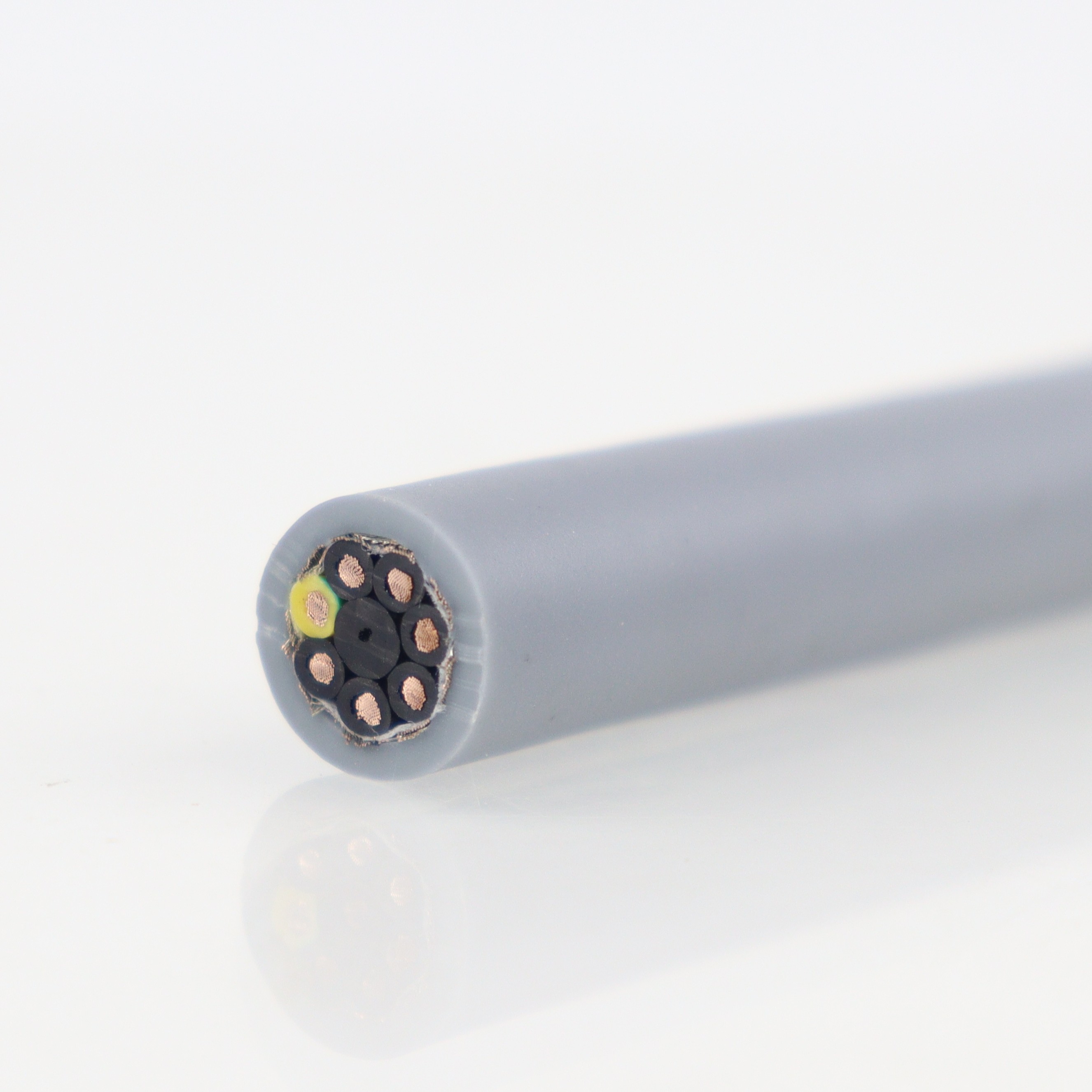
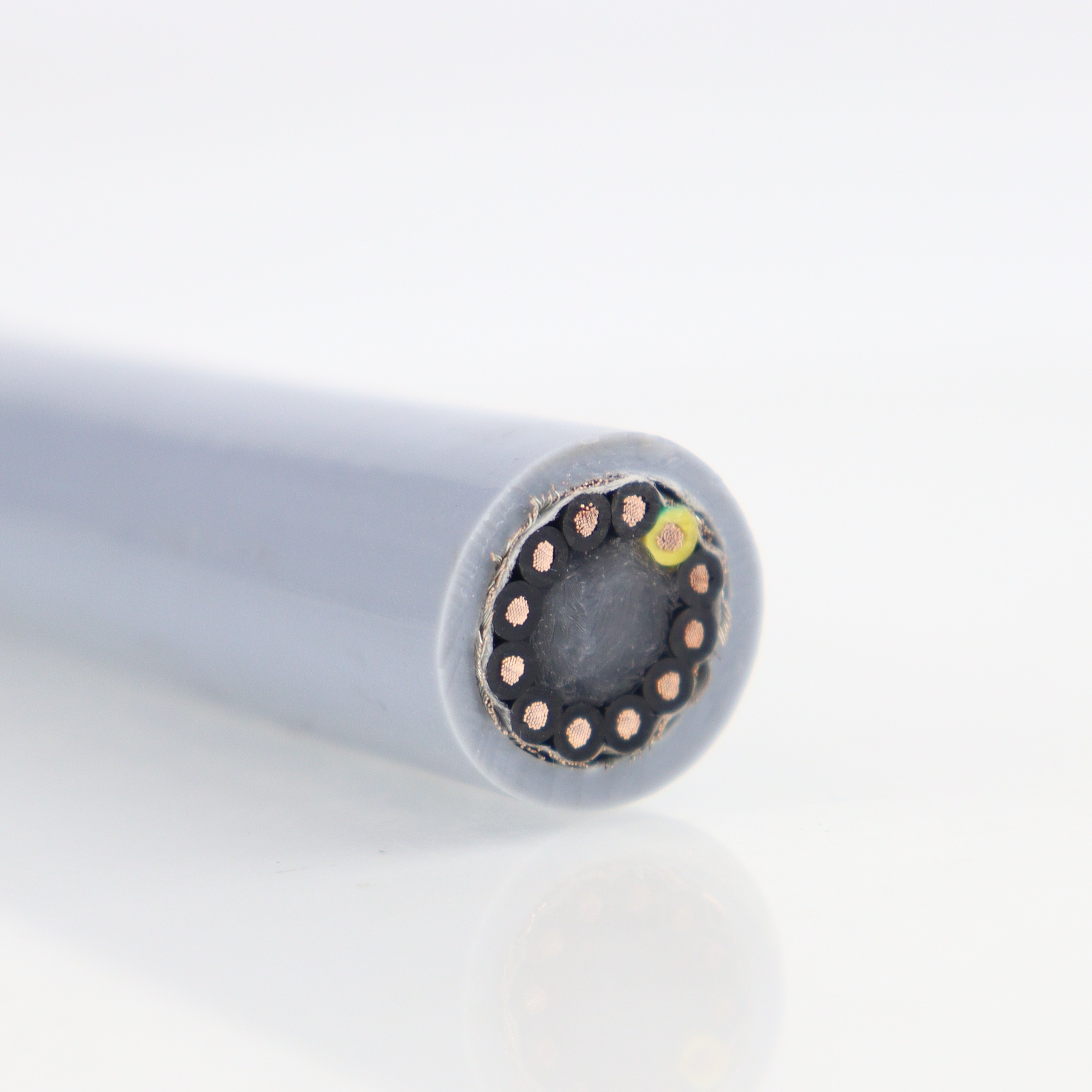
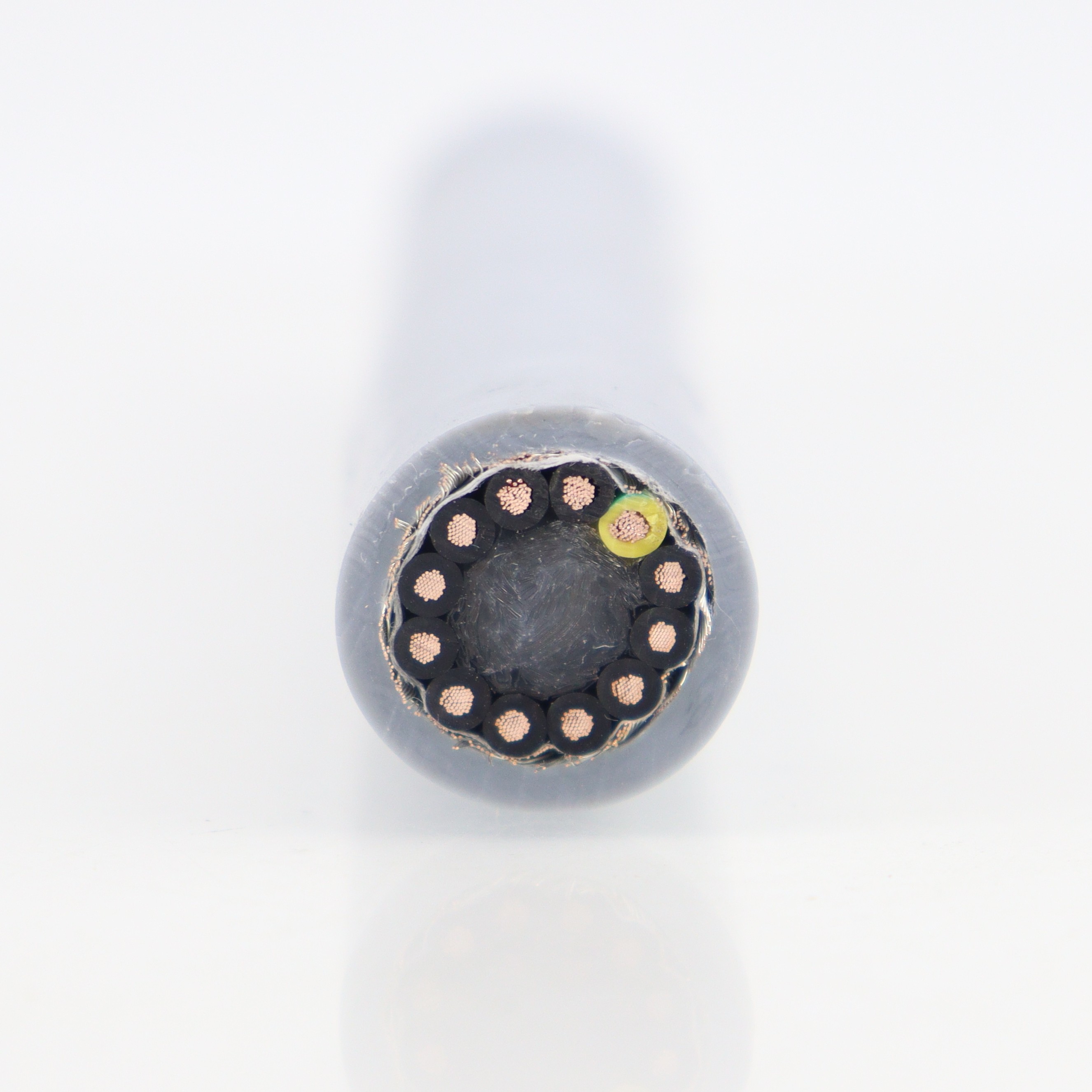
An industrial control cable connects controllers, sensors, switches, motors, and other equipment so machines can exchange power and control signals safely. An industrial control cable supports accurate communication between automation components, helping a production line respond to commands, measurements, and alarms without delay. Depending on the design, an industrial control cable may carry low-voltage control signals, data, or power for selected devices. Conductors usually use copper because copper offers strong conductivity and reliable termination. Insulation separates each core, while an outer jacket protects the assembly from abrasion, oil, moisture, vibration, and temperature changes. An industrial control cable can include multiple cores, twisted pairs, shielding, or flexible strands to match a specific installation. Shielded versions reduce electrical interference from motors, drives, and nearby power wiring. Flexible versions support repeated movement in robotic arms, machine tools, and drag chains. Fixed versions suit control cabinets, panels, conveyors, and factory infrastructure. An industrial control cable also helps organize wiring by combining several circuits in one manageable assembly. Correct selection depends on voltage, current, signal type, bending frequency, installation location, temperature range, and required length. An industrial control cable with suitable ratings can improve connection stability and reduce unexpected stoppages. It also simplifies replacement because technicians can identify one defined cable route instead of tracing many separate wires. For equipment builders and maintenance teams, an industrial control cable provides a practical link between automation hardware and the operating process. It supports dependable machine control, clearer panel layouts, and safer long-term operation in manufacturing, processing, packaging, energy, and material-handling environments.
Choosing an industrial control cable gives buyers a direct way to improve connection reliability across automated equipment. A properly matched industrial control cable keeps commands, feedback, and status signals moving consistently, which helps machines perform repeatable tasks and limits nuisance faults. This industrial control cable can reduce troubleshooting time because its cores, shielding, and jacket are designed for a defined control environment. Technicians spend less time replacing damaged wires or searching for intermittent connections. An industrial control cable with strong insulation also protects circuits from contact, moisture, and everyday wear. That protection can extend service life and lower the total cost of ownership. For installations near motors or variable-speed drives, an industrial control cable with shielding helps reduce signal disturbance. Cleaner signals support more stable sensor readings and more predictable controller responses. A flexible industrial control cable suits moving equipment, where repeated bending could quickly damage a rigid product. A fixed industrial control cable offers an economical solution for cabinets, panels, and permanent routes. Buyers can select core counts and sizes that fit the system instead of paying for unnecessary conductors. This industrial control cable also makes installation more efficient by grouping related connections, reducing cabinet clutter, and supporting faster inspection. Clear routing can improve maintenance safety and help teams isolate a problem before it affects an entire line. For machine builders, an industrial control cable can support compact designs and simpler assembly. For plant operators, an industrial control cable can help protect uptime in conveyors, packaging machines, pumps, robotics, and process equipment. The best choice should match local temperature, oil exposure, movement, voltage, signal requirements, and applicable safety standards. Reviewing these factors before purchase helps prevent premature failure and ensures the cable delivers useful performance rather than only a low initial price. In practical terms, an industrial control cable is valuable when it combines dependable transmission, suitable physical protection, easy handling, and a service life that matches the equipment.

Practical Tips

Shanghai Libin Cable Showcases Robot and Automation Cable Solutions at CMES Shanghai Industrial Automation & Robotics Exhibition

16

Oct

Shanghai Libin Cable Showcases Robot and Automation Cable Solutions at CMES Shanghai Industrial Automation & Robotics Exhibition

View More
Shanghai Libin Cable Showcases Crane Cable Solutions at the 11th China (Changyuan) International Crane Equipment Expo

16

Oct

Shanghai Libin Cable Showcases Crane Cable Solutions at the 11th China (Changyuan) International Crane Equipment Expo

View More
Why Drag Chain Cables Fail: Four Common Causes and How to Select Correctly

16

Oct

Why Drag Chain Cables Fail: Four Common Causes and How to Select Correctly

View More
Industrial Robot Combination Cable: Routing Power and Signal Together in a Small-Bend-Radius Drag Chain

16

Oct

Industrial Robot Combination Cable: Routing Power and Signal Together in a Small-Bend-Radius Drag Chain

View More

Get a Free Quote

Our representative will contact you soon.
0/1000
Stable Signals in Electrically Busy Areas

Stable Signals in Electrically Busy Areas

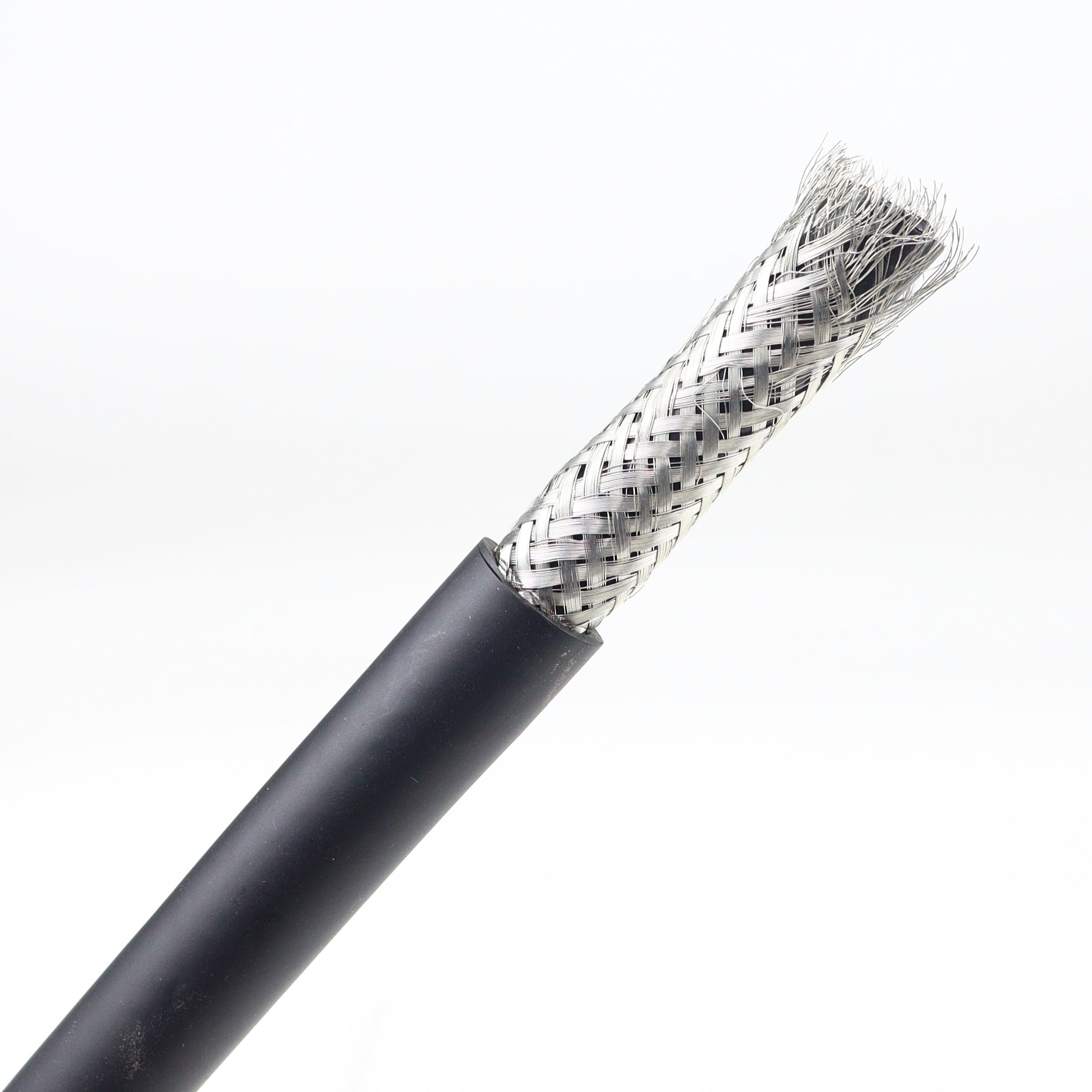
An industrial control cable with effective shielding helps protect control signals from interference created by motors, inverters, relays, and nearby power lines. This feature matters when sensors and controllers must exchange small or sensitive signals without false readings. By limiting unwanted electrical noise, an industrial control cable can help equipment respond to genuine commands instead of reacting to disturbances. That improves process consistency and reduces unexplained alarms, resets, and calibration checks. The value is especially clear in automated production lines, control cabinets, and installations where signal and power routes sit close together. An industrial control cable may use foil, braid, or a combined shield, depending on the required protection and flexibility. Buyers should also consider proper grounding and compatible connectors, since shielding works best as part of a complete wiring system. For customers, this industrial control cable feature means fewer interruptions, easier fault finding, and more confidence in readings from sensors, encoders, and other control devices. It supports reliable operation without requiring costly redesign of the surrounding installation.
Protection for Long Service Life

Protection for Long Service Life

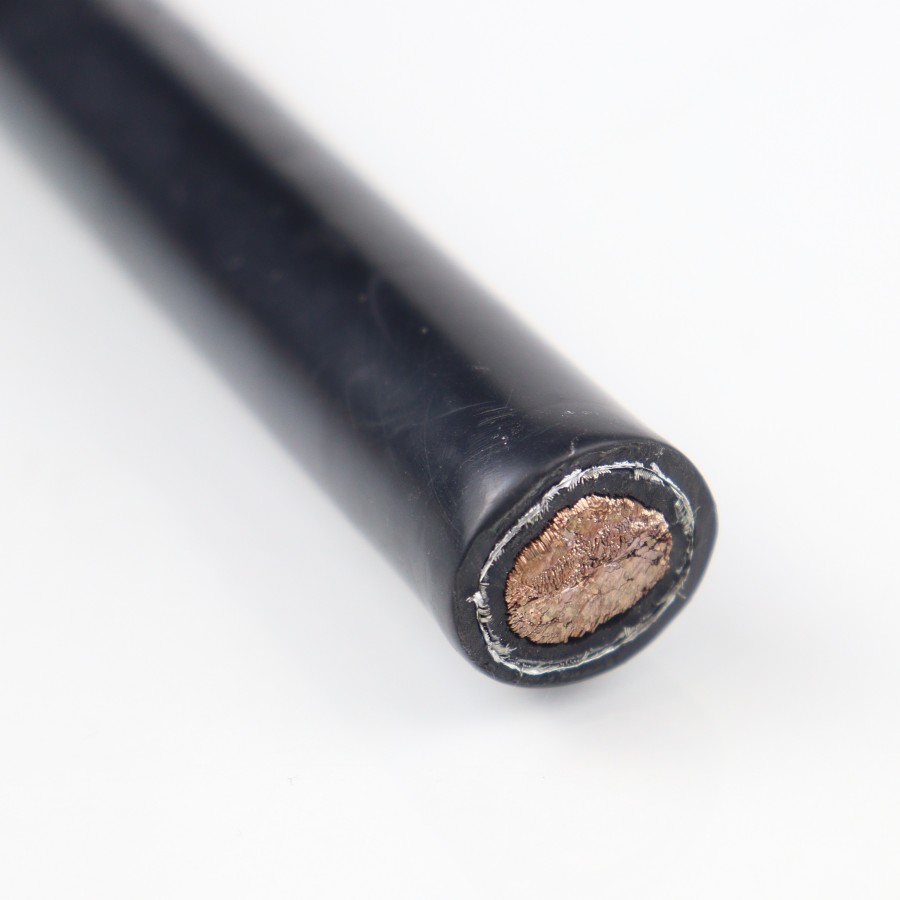
A durable industrial control cable uses insulation and an outer jacket selected for the conditions around the machine. Protection against abrasion, oil, moisture, chemicals, heat, and vibration can prevent small surface damage from becoming a serious electrical fault. An industrial control cable built for the application keeps its conductors separated and protected during normal operation, maintenance, and equipment movement. This durability provides clear buyer value because fewer replacements reduce labor, spare-part use, and production disruption. It also helps the wiring remain dependable in factories, warehouses, outdoor equipment, and processing areas where dust or liquids may be present. An industrial control cable with suitable temperature and environmental ratings gives designers more confidence when planning routes near heat sources or exposed machinery. The right jacket does not make every cable suitable for every location, so buyers should verify ratings rather than rely on appearance alone. With a correctly specified industrial control cable, maintenance teams can support longer service intervals and more predictable operating costs. The result is a practical balance between purchase price, protection, and lifetime performance.
Flexible Options for Moving Machinery

Flexible Options for Moving Machinery

A flexible industrial control cable is designed to handle repeated bending, twisting, or travel without quickly losing electrical performance. This makes it useful for robotic arms, machine tools, automated storage systems, conveyors, and drag-chain applications. An industrial control cable with fine-stranded conductors can move more easily than a basic fixed cable, helping prevent sharp bends and conductor fatigue. Its flexibility can simplify installation around compact equipment and reduce stress at connection points. For buyers, the benefit is not only easier assembly but also fewer movement-related failures and less unplanned maintenance. An industrial control cable may be selected in different sizes, core counts, and jacket materials to suit the travel distance, bend radius, speed, and surrounding environment. Fixed routes should use a product intended for stationary installation, while moving systems need a cable rated for the actual motion pattern. Matching the industrial control cable to the machine movement protects the investment and supports stable operation over time. It can also make future servicing faster because technicians can reposition or replace the cable without rebuilding the entire connection path.