electrical control cable
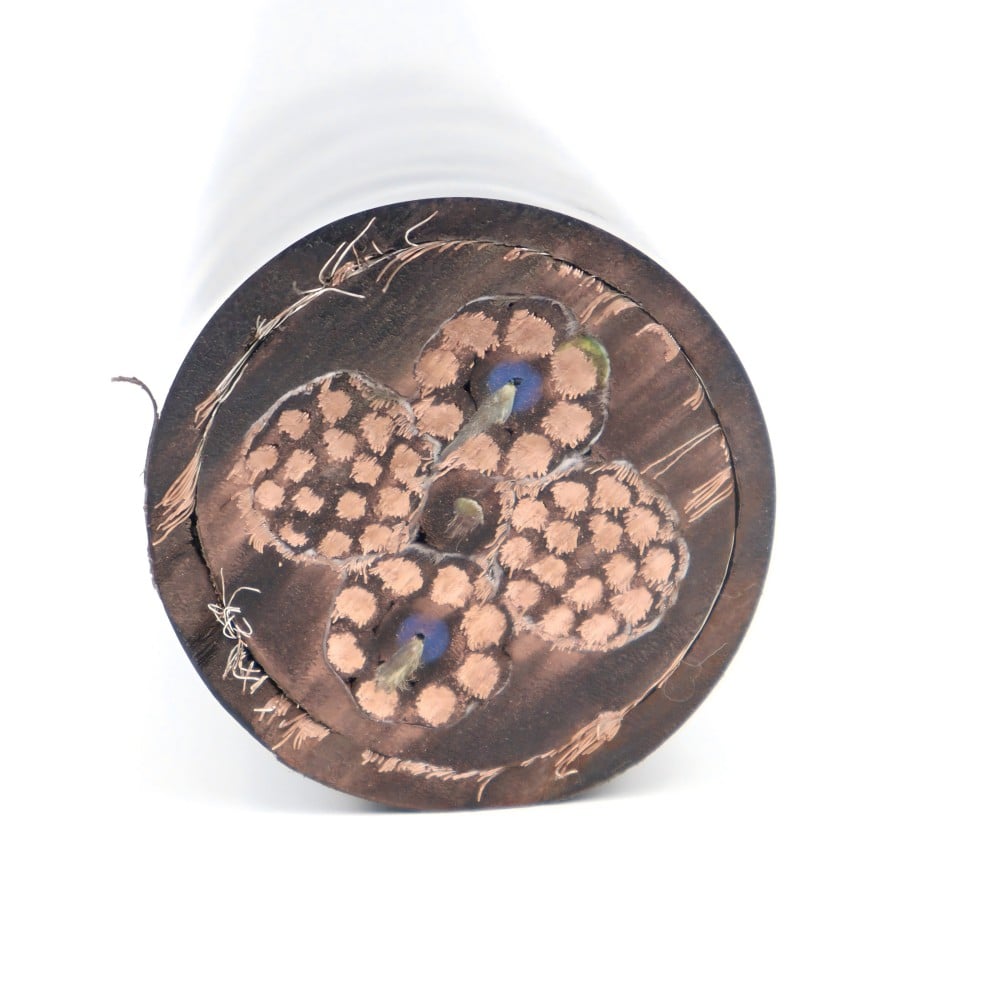
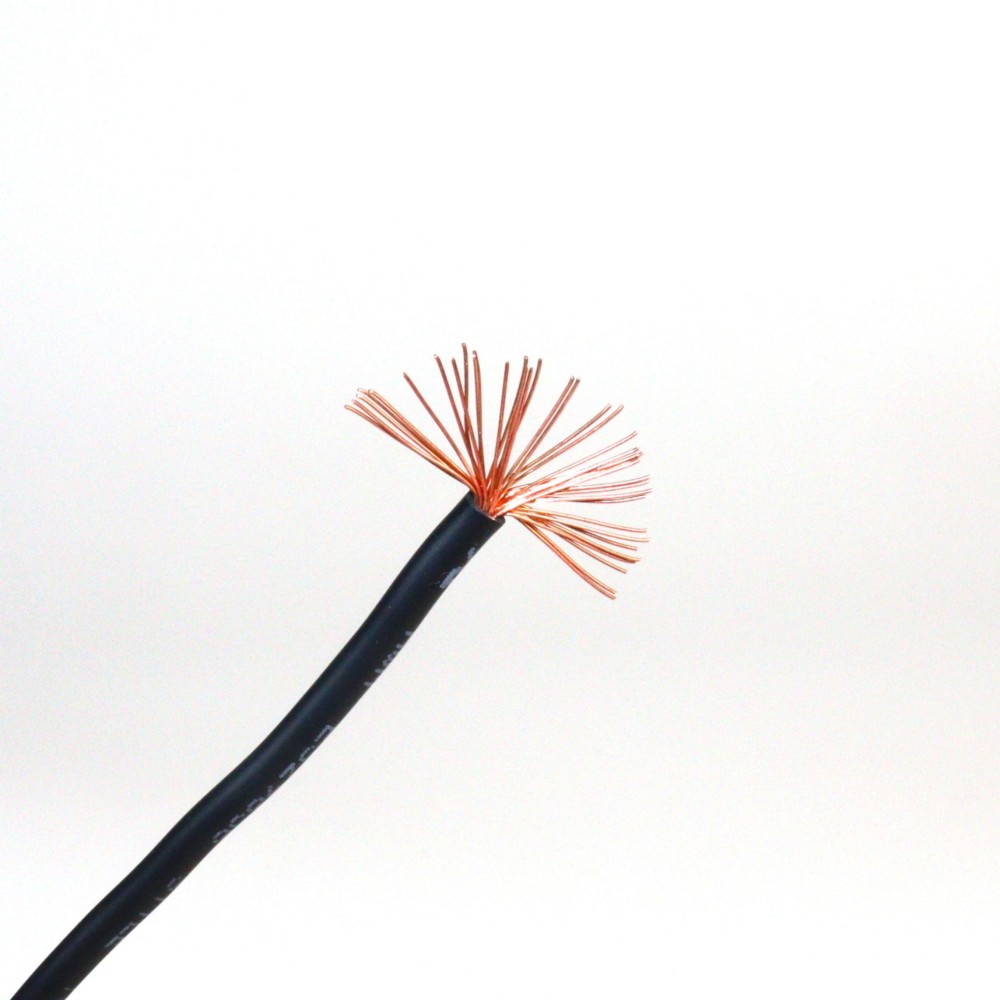
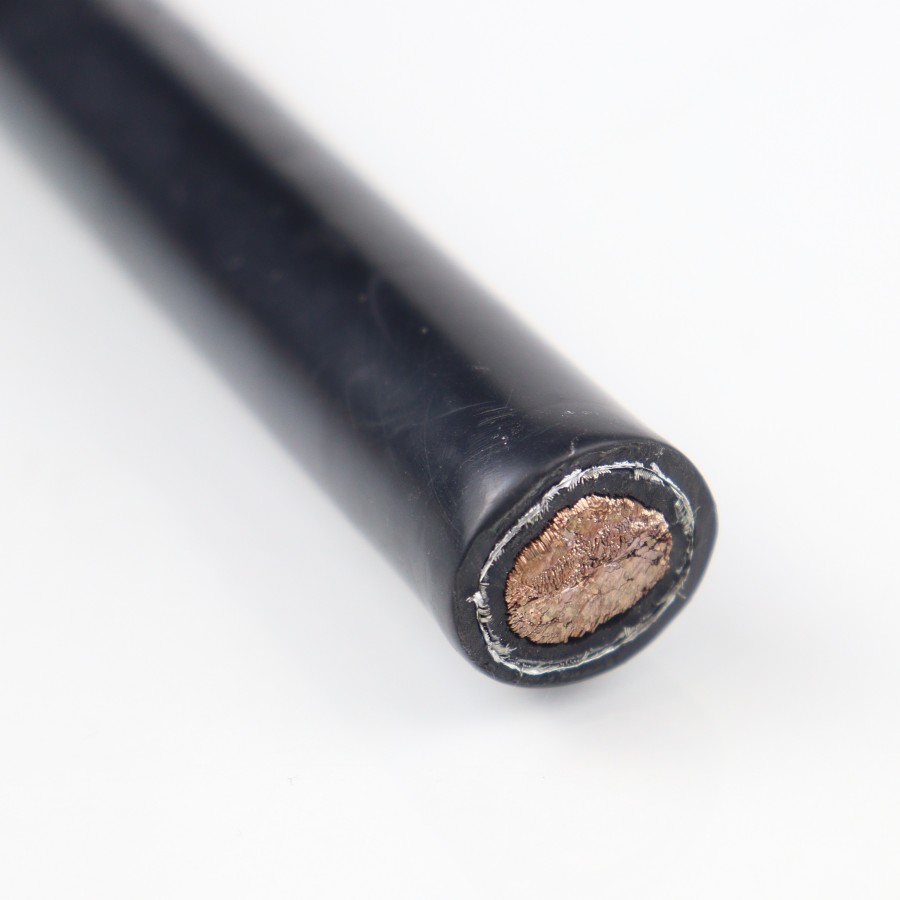
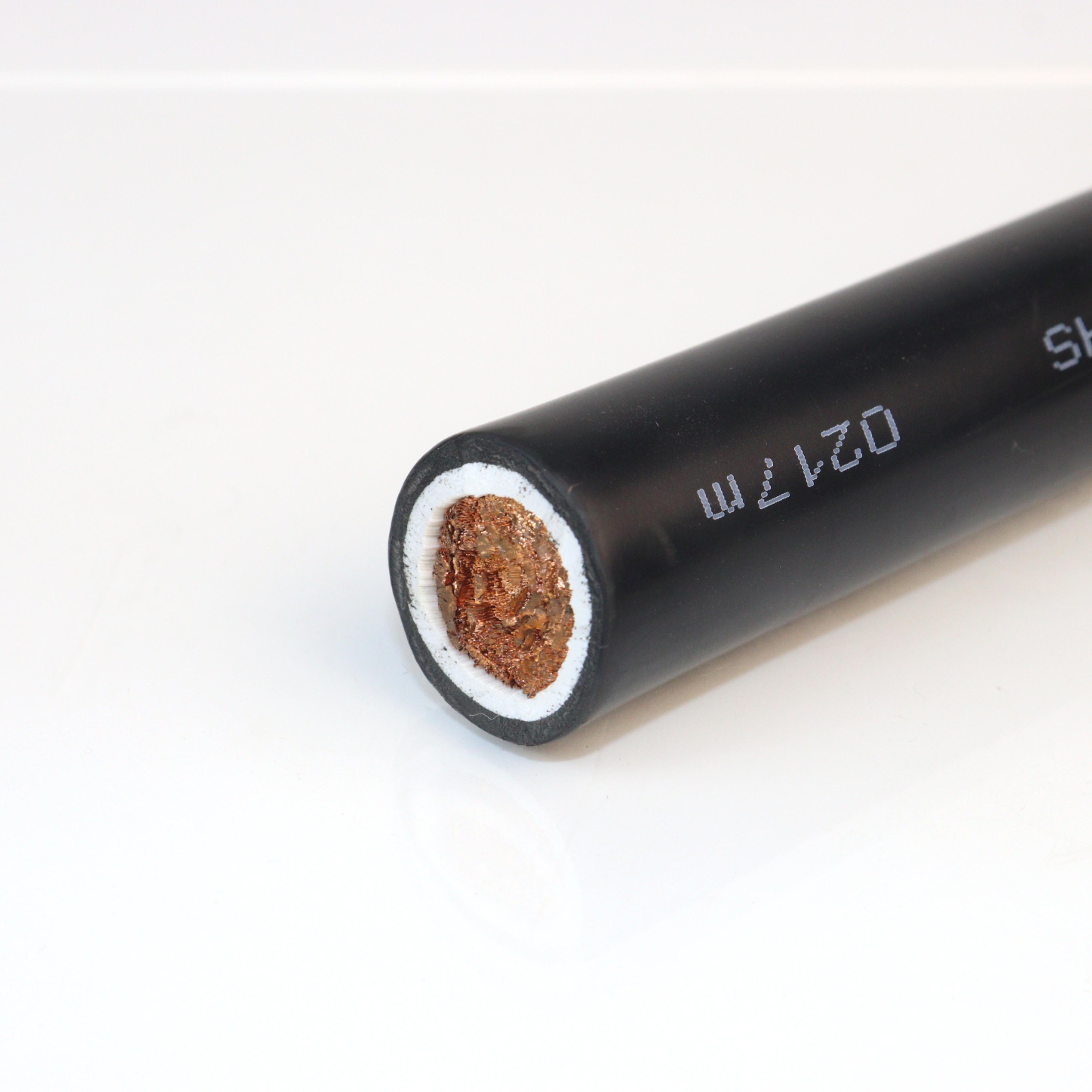
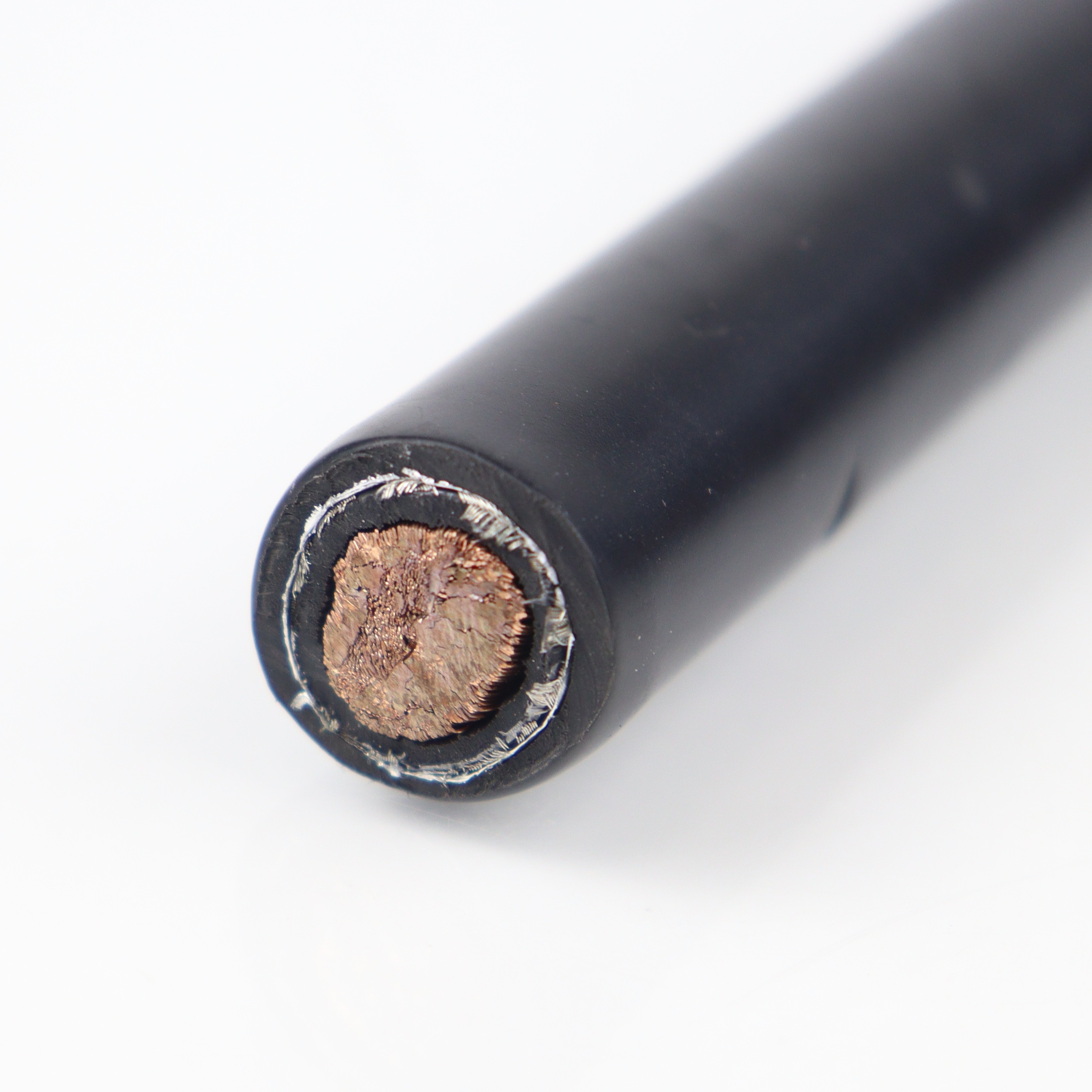
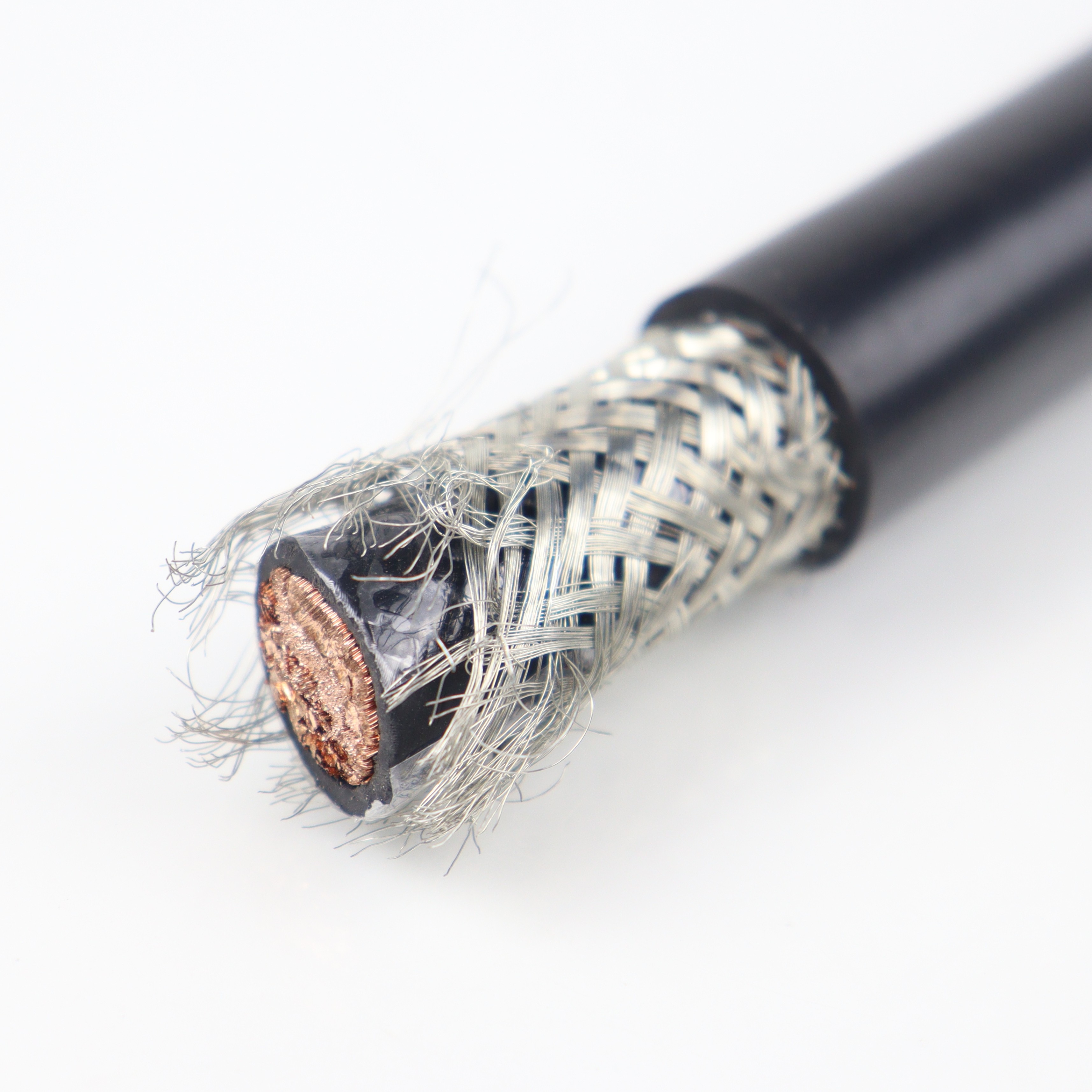
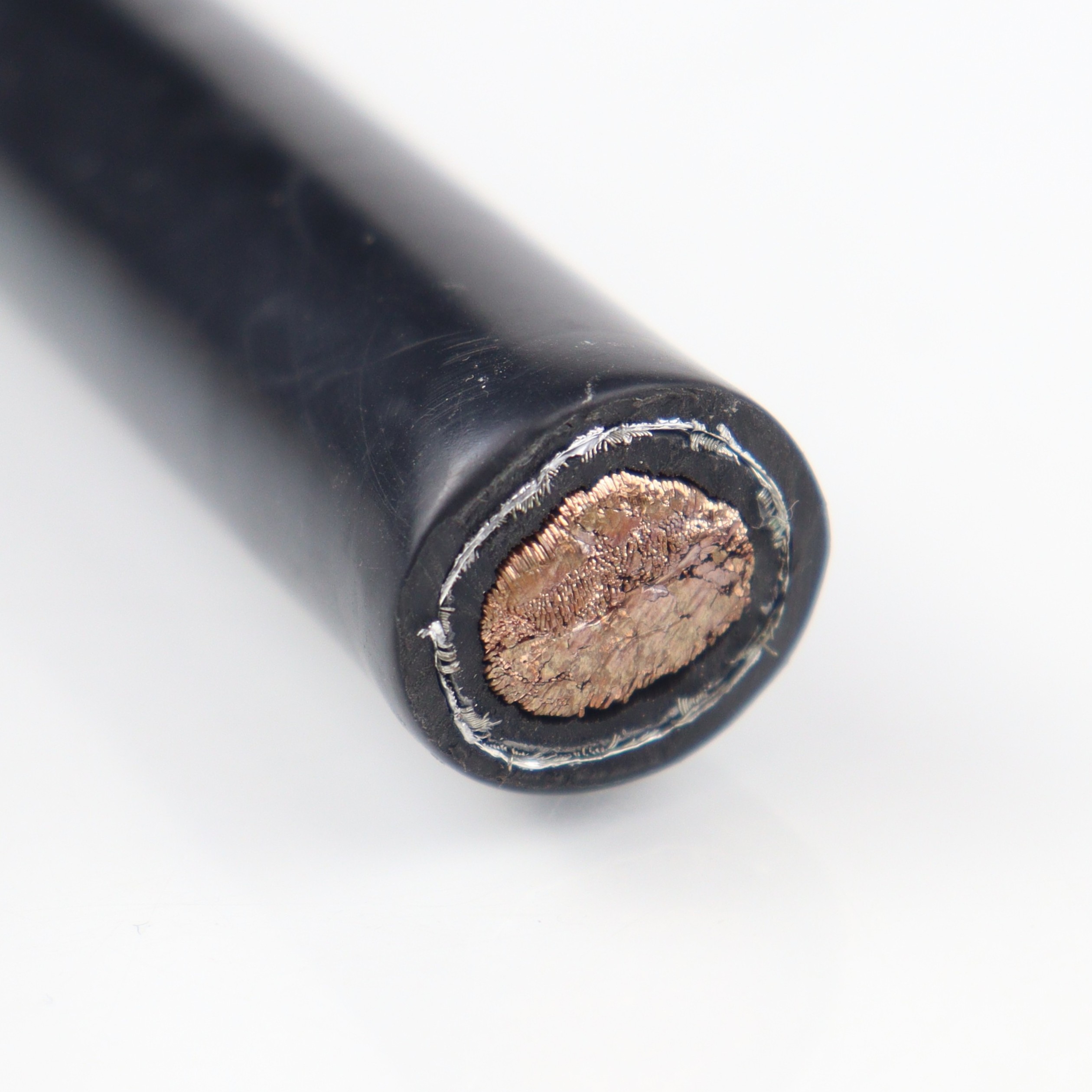
An electrical control cable carries power, commands, and feedback signals between control equipment, sensors, motors, switches, and machines. It helps a control system communicate accurately, so operators can start, stop, monitor, and adjust equipment from a panel or automation unit. An electrical control cable normally contains several insulated conductors arranged inside a protective outer jacket. Each conductor may serve a separate signal or circuit, which reduces wiring complexity and supports organized installation. The electrical control cable can use copper conductors for dependable conductivity, while PVC, XLPE, or other insulation materials protect against heat, moisture, abrasion, and electrical contact. Shielded versions limit interference in areas with motors, drives, relays, or other sources of electrical noise. Depending on the design, a cable may offer flexible stranding, numbered cores, color identification, drain wires, or a grounded screen. These features make termination, testing, and maintenance easier. A suitable electrical control cable also matches the required voltage, temperature range, bending movement, installation environment, and number of circuits. Unlike a basic power lead, it focuses on dependable low-voltage control and communication tasks. When selected correctly, an electrical control cable supports stable machine operation and helps prevent false signals or unexpected stops. Buyers use an electrical control cable in factory automation, packaging equipment, process lines, elevators, HVAC systems, conveyor systems, machine tools, and building controls. The electrical control cable is available in fixed-installation and flexible versions, allowing one product family to serve cabinets, moving equipment, and field connections. For any project, confirm conductor size, core count, shielding, jacket material, approvals, and required length before purchase.