Power and Control Cable for Safe Systems

application/power-and-control-cable, application/power-and-control-cable, 
Inquiry
Inquiry

power and control cable

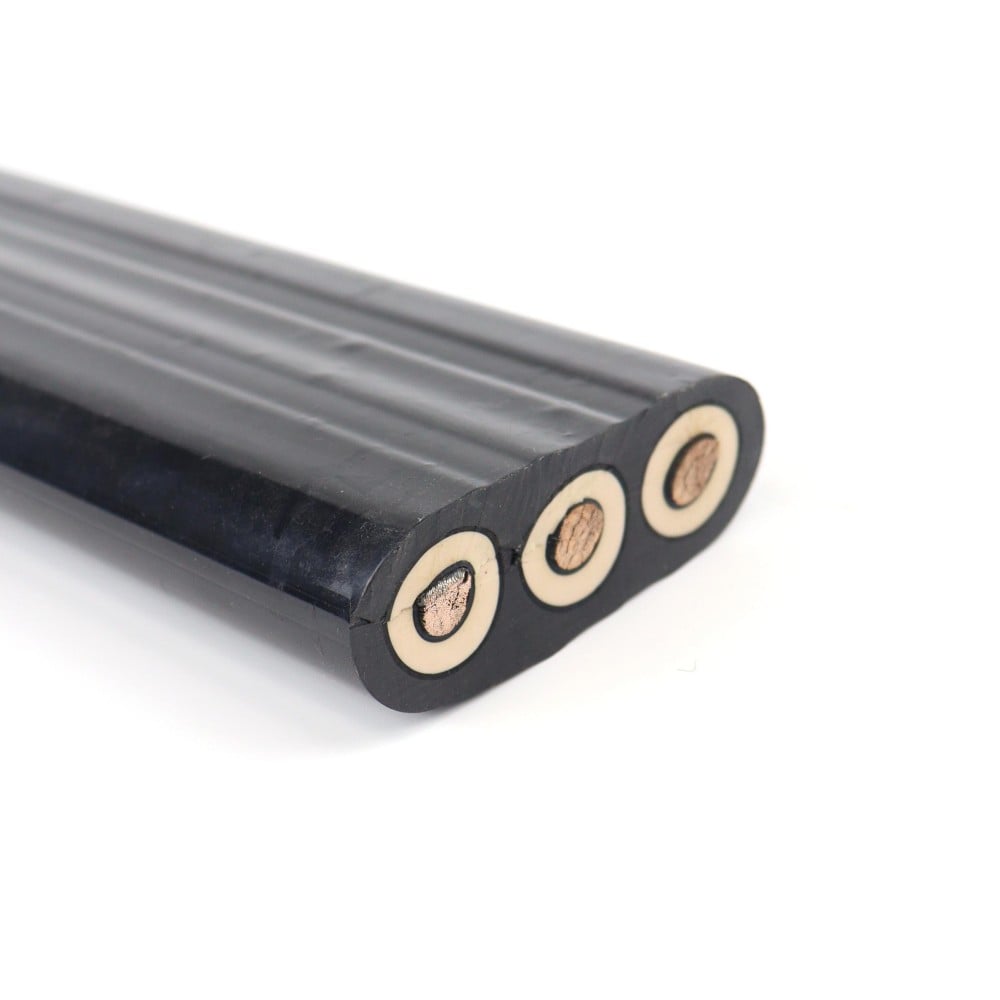
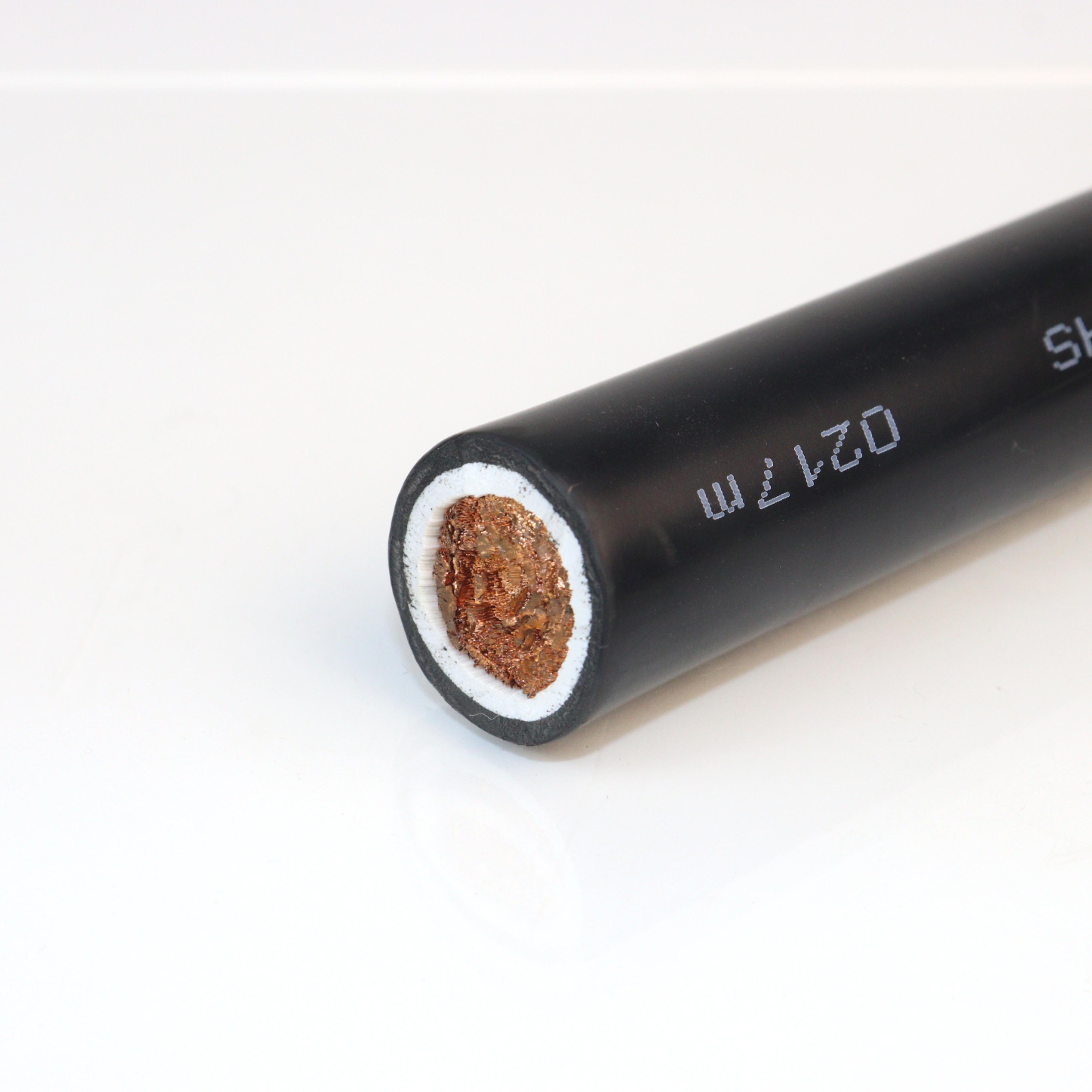
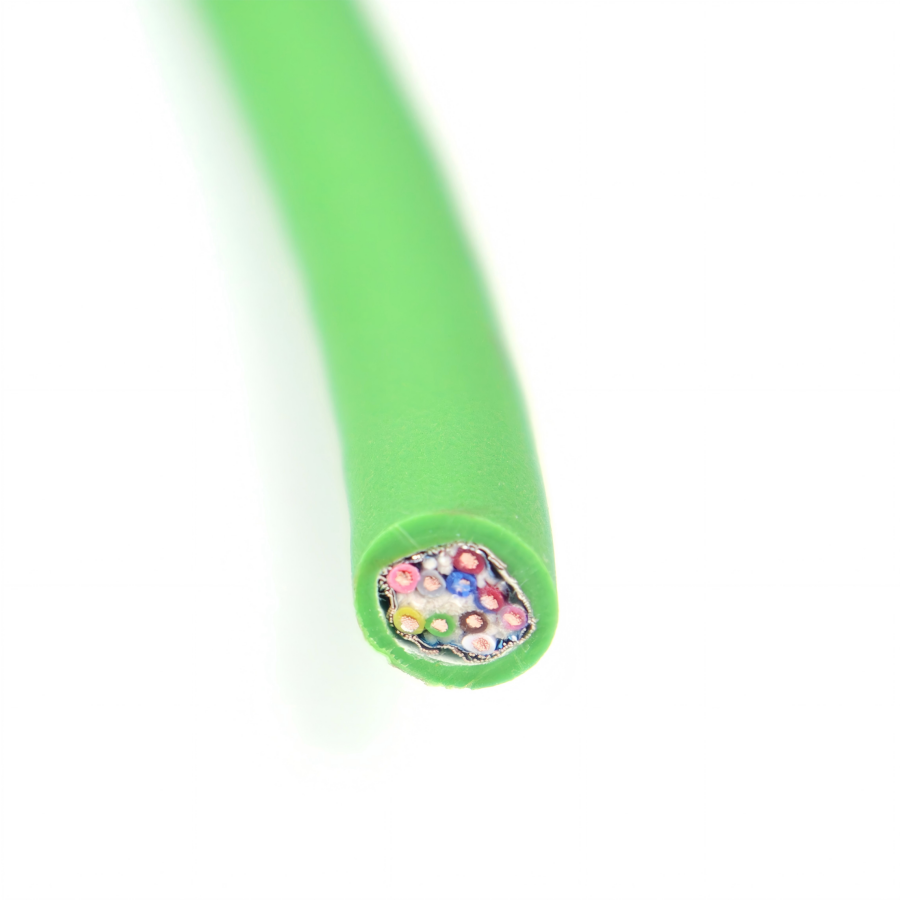
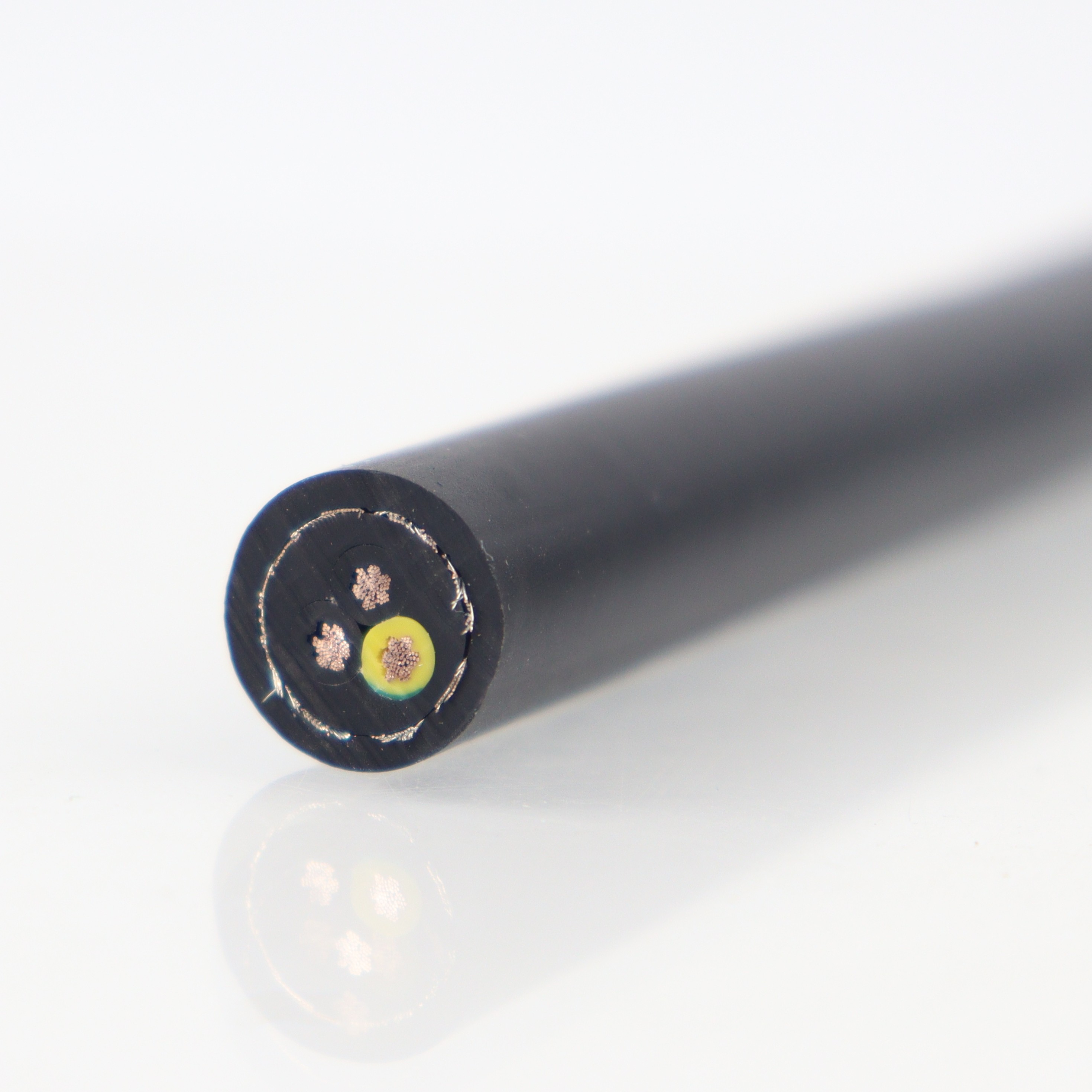
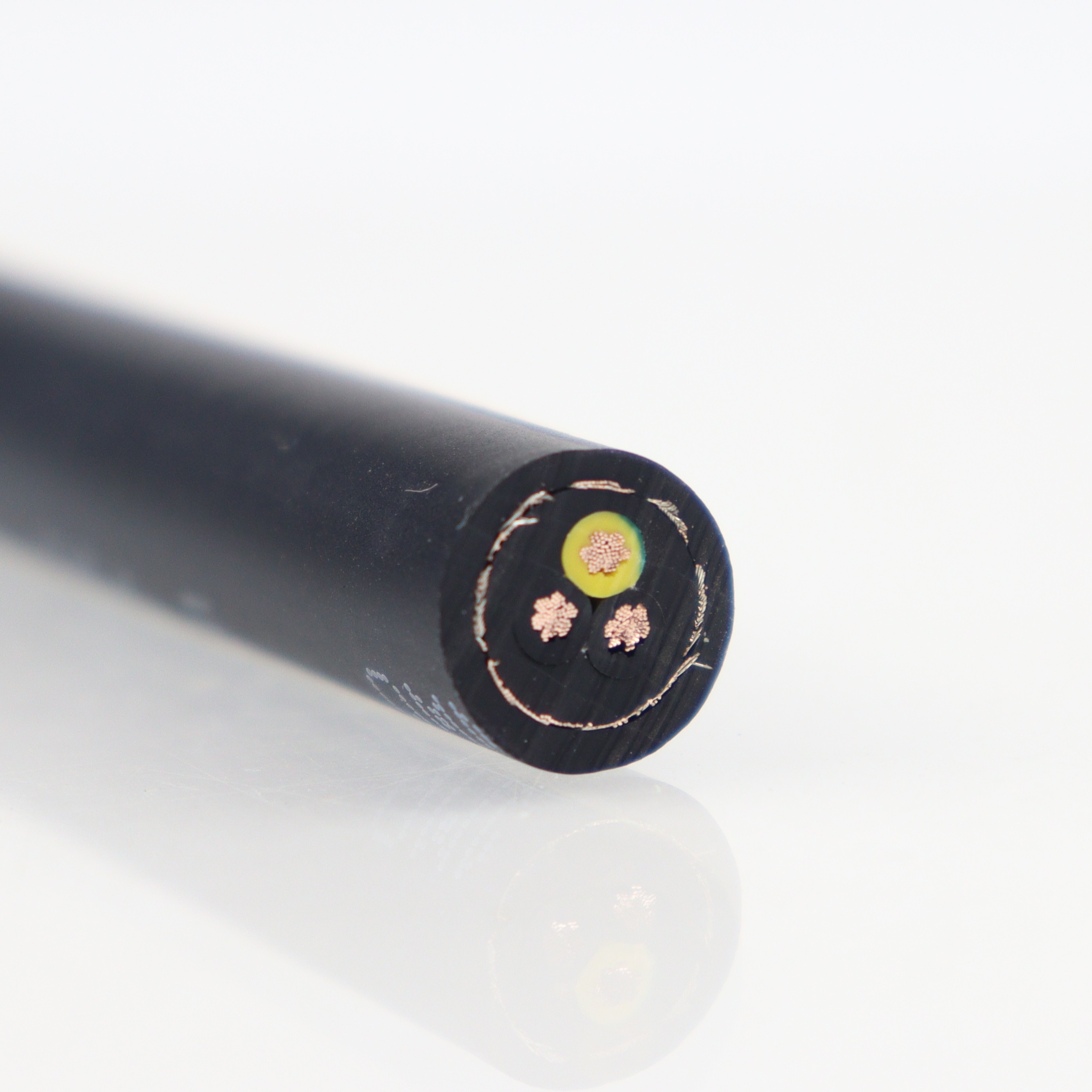
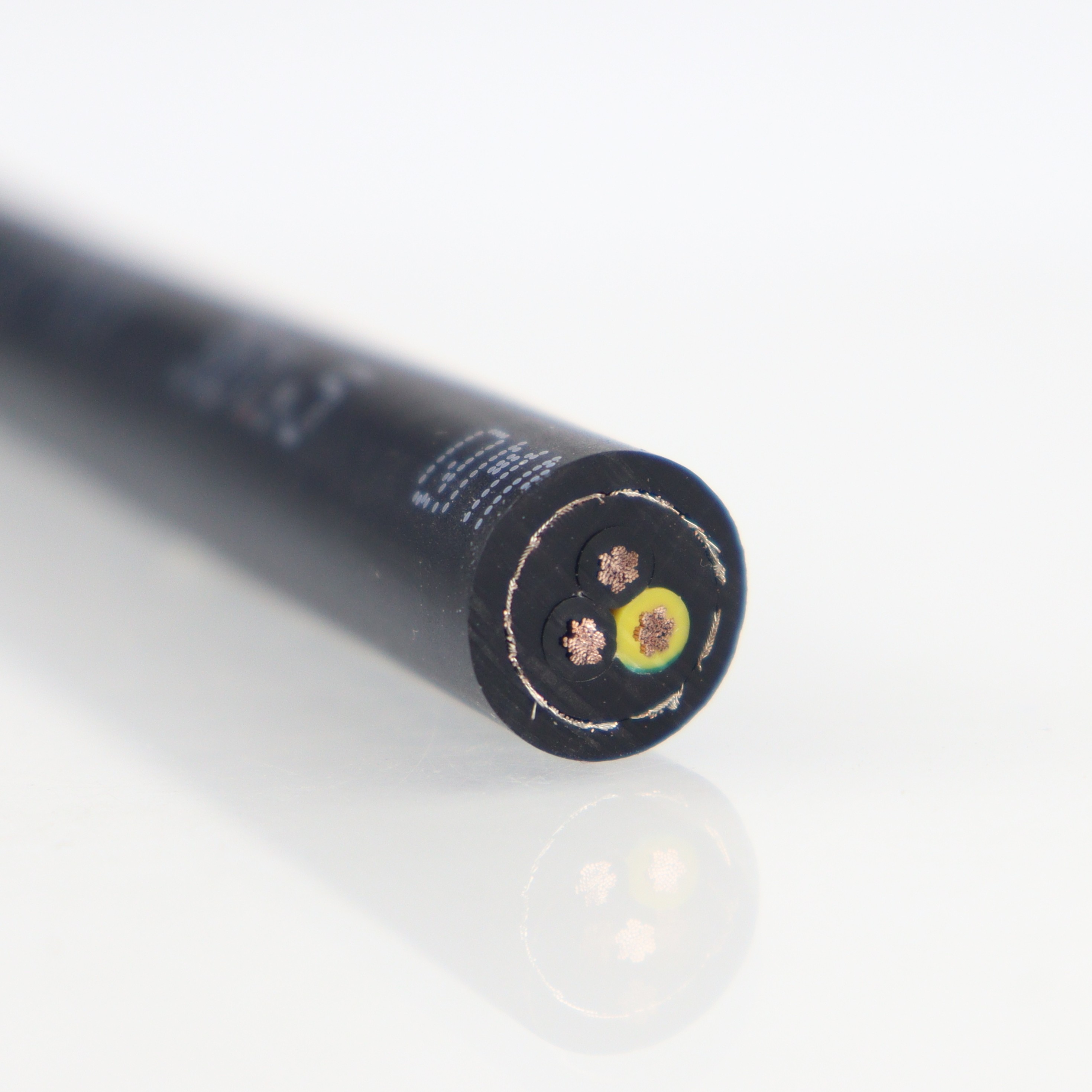
A power and control cable combines electrical power delivery with reliable signal transmission in one organized cable system. The power and control cable supplies energy to motors, machines, panels, sensors, and other equipment while carrying commands, feedback, and monitoring signals. This combined design helps installers build cleaner systems with fewer separate cable runs. In fixed installations, a power and control cable supports continuous operation across factories, warehouses, production lines, transport facilities, and commercial buildings. The power and control cable normally contains copper conductors, insulation, fillers, an outer sheath, and protective layers selected for the working environment. Some designs use flexible stranded conductors for repeated movement, while others use solid or compact conductors for permanent routes. A power and control cable may also include shielding to reduce electrical interference near drives, computers, and communication equipment. Depending on project needs, manufacturers offer PVC, polyurethane, rubber, or low-smoke, halogen-free jackets for different levels of oil, moisture, heat, abrasion, and fire resistance. The power and control cable can be installed in trays, conduits, cabinets, machinery, or underground systems when its construction matches the site conditions. A power and control cable supports safe equipment control by separating circuits, identifying conductors, and maintaining stable insulation. A power and control cable also reduces installation complexity because power and control functions travel through a coordinated cable solution. The power and control cable is therefore suitable for automation, process control, material handling, machine tools, building systems, and energy equipment. Selecting a power and control cable with the correct voltage, conductor size, flexibility, shielding, and jacket helps customers achieve dependable performance and longer service life.
The main advantage of a power and control cable is simpler system design. Instead of planning entirely separate routes for energy and control signals, buyers can use a coordinated solution that saves space in trays, cabinets, and machine channels. A power and control cable can reduce material needs, installation labor, labeling work, and connection errors. This makes project planning easier and can improve the total cost of ownership. A power and control cable also supports dependable operation. Correctly matched conductors deliver stable current, while dedicated control cores carry start, stop, feedback, sensor, and alarm signals. The power and control cable helps equipment respond consistently, which can reduce unplanned stoppages and protect production targets. Strong insulation and a suitable outer jacket help the power and control cable withstand heat, oil, water, vibration, abrasion, and routine handling. Buyers can select a power and control cable for indoor machinery, outdoor equipment, moving systems, wet areas, or demanding industrial zones. A flexible power and control cable suits drag chains and moving machine parts, while a robust fixed-installation version works well in trays, conduits, and panels. Shielded versions help limit signal disturbance, making the power and control cable useful near variable-speed drives, motors, and sensitive control devices. Clear conductor identification also speeds termination, testing, and future maintenance. Choosing a power and control cable with the right voltage rating, current capacity, bend radius, temperature range, and compliance documentation helps avoid premature failure. The power and control cable gives customers one practical product family for automation, manufacturing, packaging, conveyors, HVAC, utilities, and building control. By comparing construction, delivery length, certifications, and environmental ratings, buyers can choose a power and control cable that balances purchase price, installation speed, safety, and long-term reliability.

Tips And Tricks

Shanghai Libin Cable Showcases Robot and Automation Cable Solutions at CMES Shanghai Industrial Automation & Robotics Exhibition

16

Oct

Shanghai Libin Cable Showcases Robot and Automation Cable Solutions at CMES Shanghai Industrial Automation & Robotics Exhibition

View More
Shanghai Libin Cable Showcases Crane Cable Solutions at the 11th China (Changyuan) International Crane Equipment Expo

16

Oct

Shanghai Libin Cable Showcases Crane Cable Solutions at the 11th China (Changyuan) International Crane Equipment Expo

View More
Why Drag Chain Cables Fail: Four Common Causes and How to Select Correctly

16

Oct

Why Drag Chain Cables Fail: Four Common Causes and How to Select Correctly

View More
Industrial Robot Combination Cable: Routing Power and Signal Together in a Small-Bend-Radius Drag Chain

16

Oct

Industrial Robot Combination Cable: Routing Power and Signal Together in a Small-Bend-Radius Drag Chain

View More

Get a Free Quote

Our representative will contact you soon.
0/1000
Combined Power and Signal Performance

Combined Power and Signal Performance

A power and control cable carries electrical energy and equipment instructions through one coordinated assembly. This design lets a power and control cable feed motors, valves, actuators, and panels while also connecting switches, sensors, alarms, and feedback circuits. Customers gain a cleaner layout with fewer parallel runs and fewer points to organize. A power and control cable can reduce tray congestion and help installers complete connections faster. It also supports clearer documentation because related circuits stay together and can be identified as one system. The power and control cable is especially valuable on automated lines where motion, sensing, and command signals must work together without delay. With the correct conductor sizes and insulation ratings, a power and control cable maintains dependable delivery across long routes. This combined format can lower installation effort, simplify future troubleshooting, and make equipment expansion easier. It gives project managers a practical way to improve system order without sacrificing circuit separation or operating performance.
Protection for Demanding Environments

Protection for Demanding Environments

A power and control cable can protect internal conductors from the conditions that commonly damage industrial wiring. Depending on the specification, a power and control cable may use a tough outer jacket that resists oil, moisture, sunlight, abrasion, chemicals, or repeated handling. This protection helps the power and control cable perform in factories, workshops, outdoor units, processing areas, and utility spaces. Customers can choose PVC for general installations, rubber or polyurethane for greater flexibility and wear resistance, or low-smoke, halogen-free materials where reduced smoke and corrosive gas matter. A power and control cable with shielding can also limit unwanted electrical noise around motors, drives, and sensitive sensors. The power and control cable therefore supports steadier signals and more predictable machine responses. Matching jacket material, temperature range, voltage rating, and installation method to the site helps prevent early replacement. This gives buyers confidence that the selected product will remain serviceable through daily heat, movement, vibration, and exposure.
Flexible Options for Installation and Growth

Flexible Options for Installation and Growth

A power and control cable is available in configurations that suit both fixed routes and moving equipment. A flexible power and control cable uses fine stranded conductors and a suitable sheath to handle repeated bending in robotic arms, drag chains, packaging machines, and automated tools. A fixed power and control cable can prioritize strength, stable positioning, and efficient routing through trays, conduit, cabinets, or walls. Buyers can also select conductor counts, cross-sectional areas, shielding, armor, and jacket colors to match the project. The power and control cable supports accurate sizing because customers can align current capacity with motor loads and match control cores with device requirements. This approach avoids excess material while preserving a useful safety margin. A power and control cable can accommodate future service needs through clear marking and organized circuits. As a result, maintenance teams can identify connections faster, install replacements more confidently, and expand equipment with less disruption. The product offers a practical balance between flexibility, protection, cost, and long-term system adaptability.