Control Cable: Reliable Motion Control Systems

application/control-cable, application/control-cable, 
Inquiry
Inquiry

control cable

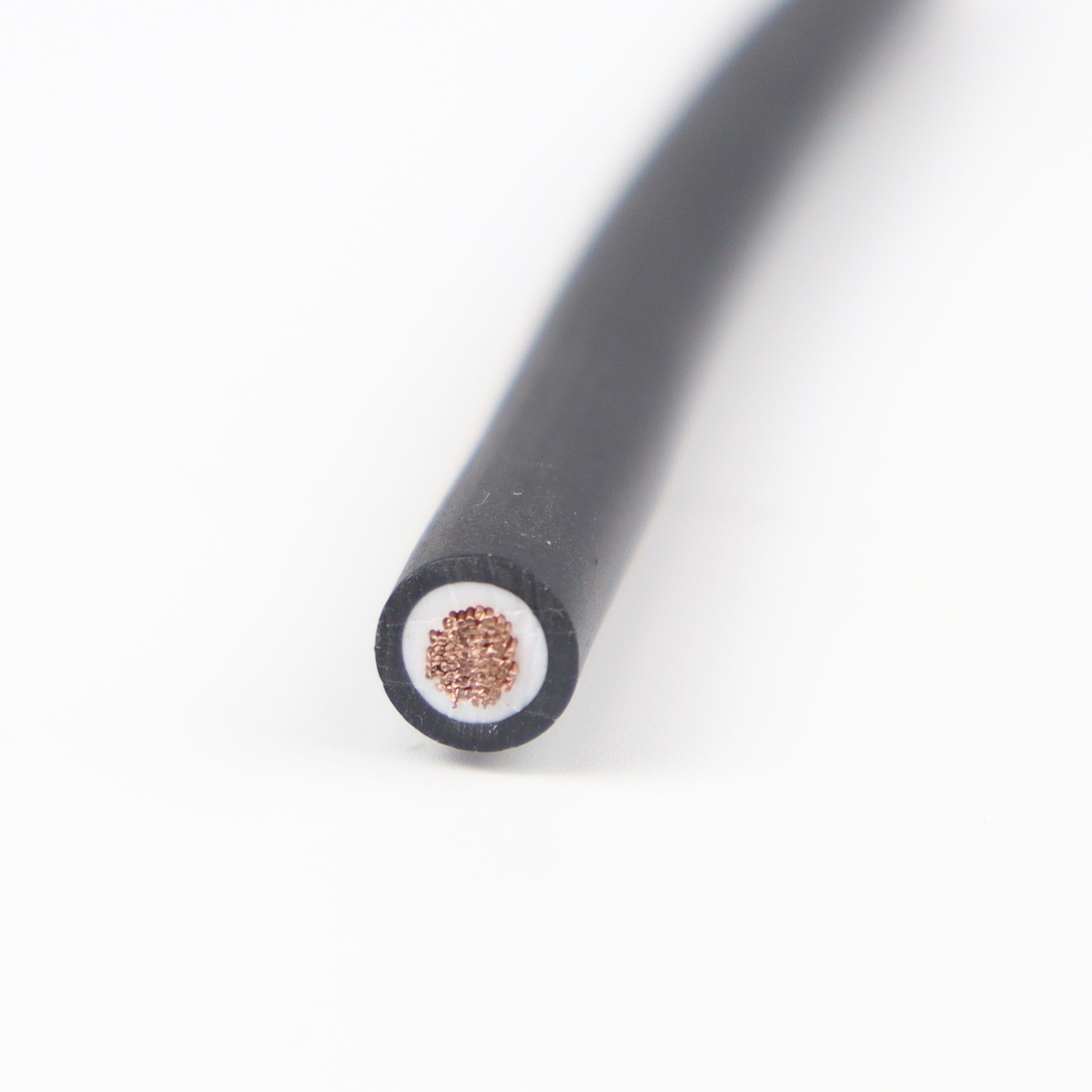
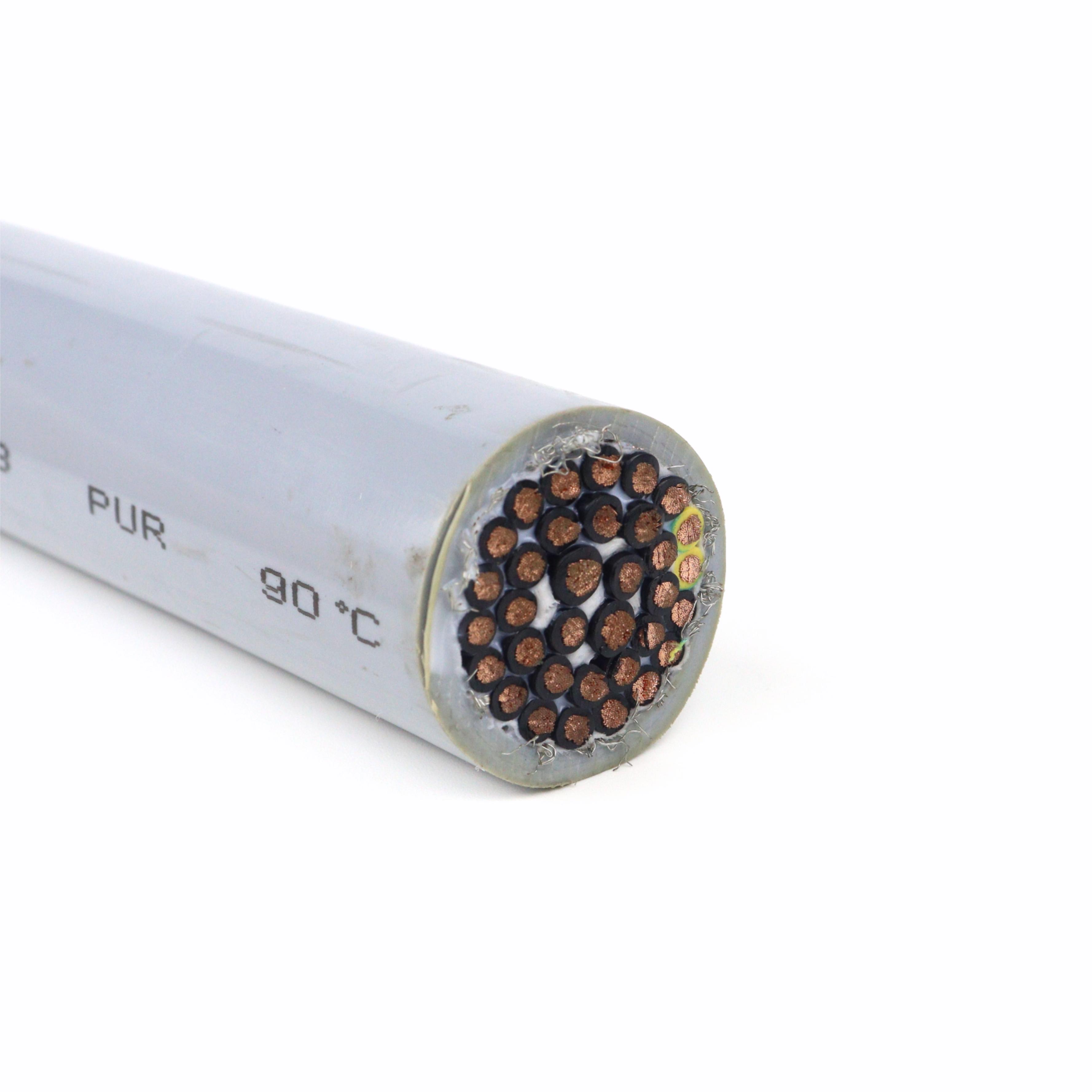
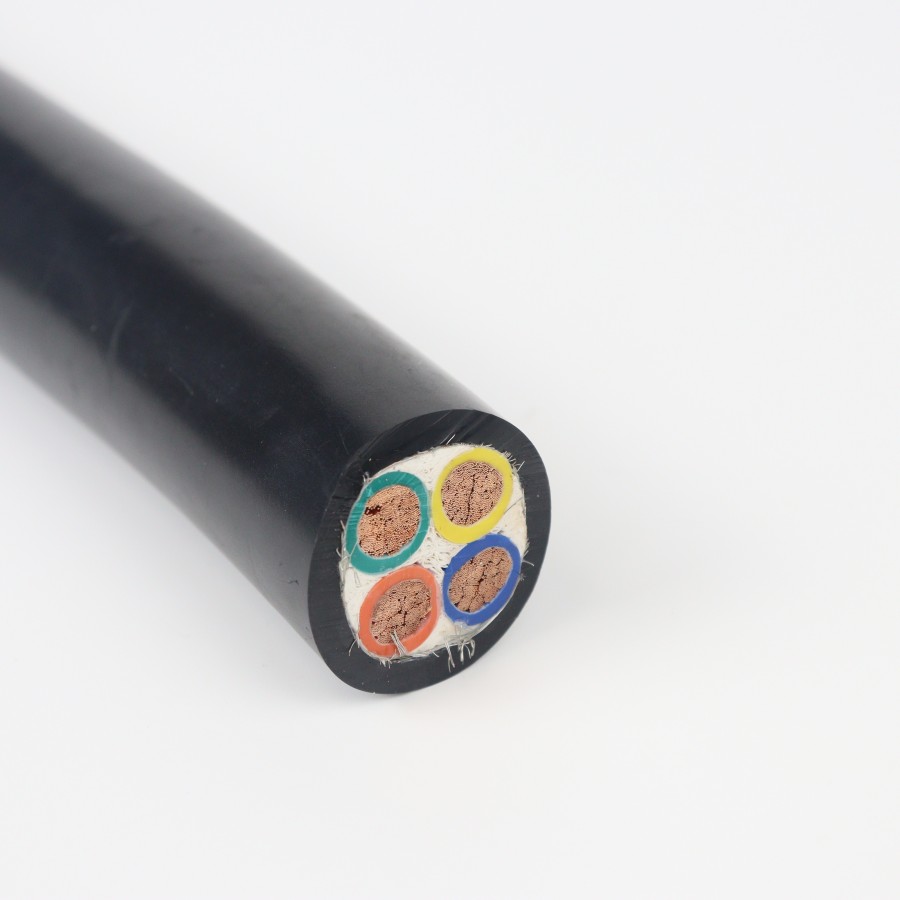
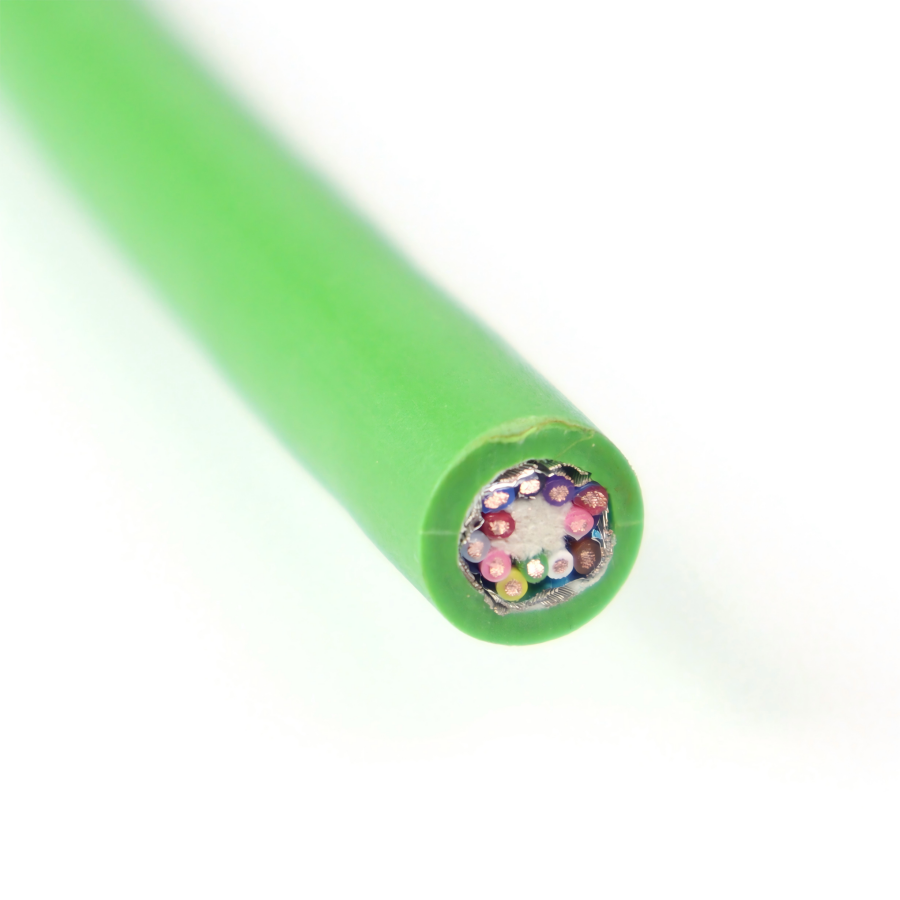
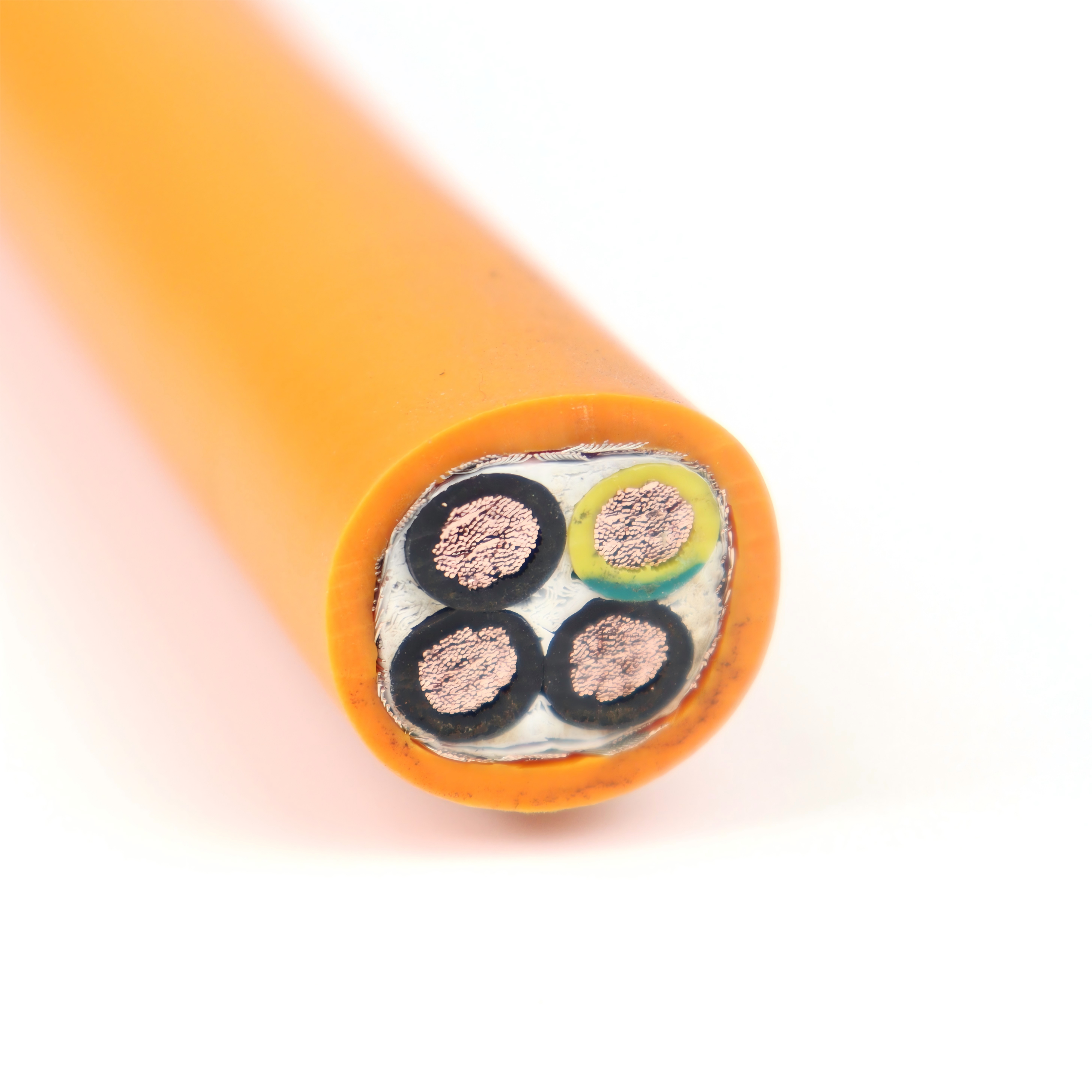
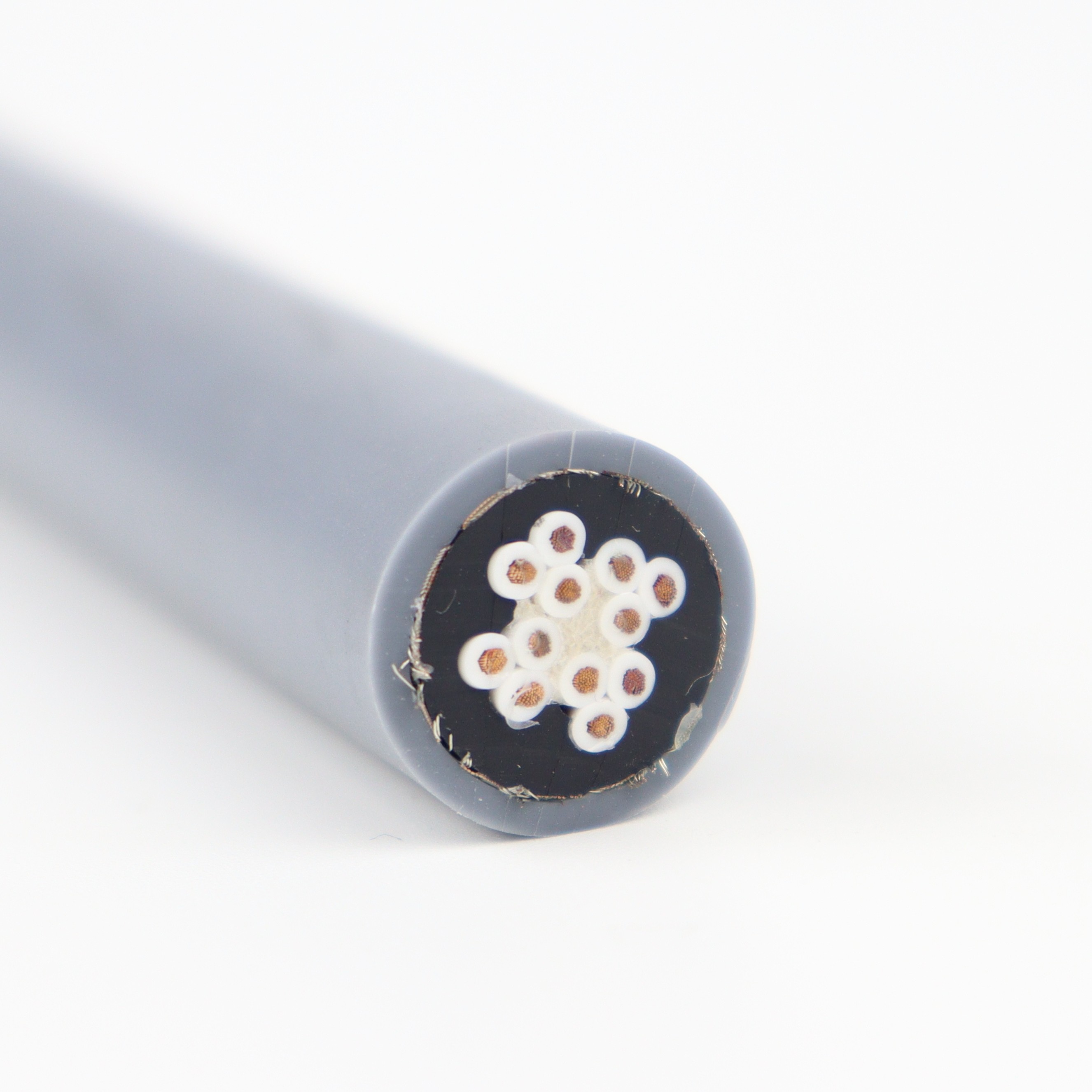
A control cable is a mechanical or electromechanical product that transfers movement, force, or operating signals from one point to another. A control cable commonly connects a user interface, lever, pedal, joystick, or actuator with equipment that must respond accurately. Its main function is to provide smooth, predictable control when direct linkage would be difficult, unsafe, or impractical. In vehicles, machinery, and industrial systems, a control cable helps operators adjust speed, position, direction, pressure, or other working functions. A well-designed control cable uses an inner wire, an outer sheath, protective layers, and end fittings. The inner wire moves inside the sheath, while the outer covering guides the motion and protects the assembly. Depending on the design, a control cable may include corrosion-resistant steel, low-friction liners, sealed ends, flexible jackets, or reinforced construction. These features support dependable performance in vibration, moisture, dust, heat, and repeated bending. Modern control cable designs can improve response through accurate wire tolerances, smooth surfaces, and carefully matched fittings. Some versions support push and pull motion, while others suit pull-only operation. The correct control cable provides suitable travel, force capacity, bend radius, and connection style for the intended equipment. Common applications include throttle systems, brake and clutch controls, marine steering, agricultural machines, construction equipment, factory automation, medical devices, and general mechanical assemblies. Selecting the right control cable helps maintain safe operation, consistent handling, and longer service life. Buyers should compare length, stroke, load rating, environmental protection, mounting method, and compatibility before ordering. A reliable control cable turns operator input into controlled equipment movement with minimal delay and dependable everyday performance.
The main advantage of a control cable is simple, dependable movement without complex rigid linkages. A control cable lets designers place the operator interface away from the controlled mechanism, which can save space and simplify equipment layout. It can route around corners, through narrow channels, and across moving sections while maintaining a direct connection. This flexibility helps manufacturers create cleaner machines and gives operators more convenient access to controls. A quality control cable also provides steady response. Smooth inner-wire movement reduces sticking, delay, and uneven operation, helping the operator make accurate adjustments. That benefit matters in throttle, brake, steering, lift, and positioning systems where small errors can affect productivity or safety. Compared with many electronic alternatives, a control cable works without a power supply, software, or signal programming. It offers a practical choice for equipment that needs clear manual control and easy field servicing. A control cable can also reduce maintenance time because technicians can inspect, adjust, replace, or lubricate the assembly with familiar tools. Sealed ends and protective jackets help limit the effect of water, dirt, chemicals, and corrosion, especially in outdoor or washdown environments. The product suits many applications because manufacturers can specify different lengths, travel distances, wire strengths, fittings, and sheath materials. Buyers can therefore match performance to the actual load and operating conditions instead of paying for unnecessary complexity. In production equipment, the right control cable supports repeatable operation and helps reduce unplanned downtime. In mobile machinery, it tolerates vibration and movement while preserving control feel. For replacement projects, standard sizes and customized ends can shorten installation work. To choose well, buyers should confirm force requirements, routing space, temperature range, bend conditions, mounting points, and expected cycle life. This practical check prevents premature wear and ensures that the control cable delivers reliable value throughout its service period.

Latest News

Shanghai Libin Cable Showcases Robot and Automation Cable Solutions at CMES Shanghai Industrial Automation & Robotics Exhibition

16

Oct

Shanghai Libin Cable Showcases Robot and Automation Cable Solutions at CMES Shanghai Industrial Automation & Robotics Exhibition

View More
Shanghai Libin Cable Showcases Crane Cable Solutions at the 11th China (Changyuan) International Crane Equipment Expo

16

Oct

Shanghai Libin Cable Showcases Crane Cable Solutions at the 11th China (Changyuan) International Crane Equipment Expo

View More
Why Drag Chain Cables Fail: Four Common Causes and How to Select Correctly

16

Oct

Why Drag Chain Cables Fail: Four Common Causes and How to Select Correctly

View More
Industrial Robot Combination Cable: Routing Power and Signal Together in a Small-Bend-Radius Drag Chain

16

Oct

Industrial Robot Combination Cable: Routing Power and Signal Together in a Small-Bend-Radius Drag Chain

View More

Get a Free Quote

Our representative will contact you soon.
0/1000
Smooth, Accurate Operator Control

Smooth, Accurate Operator Control

A key selling point of the control cable is its ability to transfer operator input with a steady, natural response. The inner wire moves through a guided outer sheath, allowing a lever, pedal, or handle to control a remote mechanism without a bulky rigid bar. A properly matched control cable minimizes friction and unwanted slack, so the operator receives predictable movement at the equipment end. This helps improve throttle adjustment, steering feel, braking action, clutch engagement, and actuator positioning. For manufacturers, accurate response can improve product usability and reduce complaints caused by sticking or delayed movement. For end users, it makes daily operation less tiring and supports safer, more precise work. The design can also accommodate curved routing, which gives engineers greater freedom when arranging compact machinery. By delivering direct mechanical feedback without software or electrical power, the control cable remains easy to understand, test, and service. It provides a dependable connection between human input and machine action.
Durable Protection in Difficult Conditions

Durable Protection in Difficult Conditions

A control cable designed for harsh service protects its moving parts from the conditions that cause early failure. Strong outer jackets can resist abrasion, oil, moisture, dust, and temperature changes, while corrosion-resistant wire helps preserve strength over repeated operating cycles. Sealed or carefully crimped ends can further limit the entry of water and contaminants. These details are valuable in marine equipment, farm machinery, construction vehicles, outdoor controls, and factory systems exposed to dirt or frequent cleaning. A durable control cable reduces the likelihood of sudden sticking, broken wires, or performance loss, helping operators keep equipment working when conditions are demanding. It can also lower replacement frequency and reduce the labor associated with emergency repairs. Buyers should select protection based on the actual environment rather than choosing the same covering for every project. When the sheath, liner, wire, and fittings match the application, the control cable delivers dependable movement for longer periods. This supports predictable maintenance planning and better ownership value.
Flexible Configuration and Easy Replacement

Flexible Configuration and Easy Replacement

Another important benefit of the control cable is configuration flexibility. Suppliers can provide different lengths, wire strokes, sheath types, mounting brackets, and terminal fittings to suit equipment with unique routing or connection requirements. Push-pull versions can operate mechanisms in both directions, while pull-only designs support simpler applications. This range helps buyers avoid major machine redesigns when adding a new function or replacing an existing assembly. A control cable can often follow a practical route through a compact frame, around obstacles, or between stationary and moving sections. Installation becomes easier when the cable arrives with the correct ends and mounting features, reducing cutting, drilling, and fitting work in the field. Replacement planning also becomes more straightforward when buyers record length, travel, connection style, and load requirements. The right control cable can restore equipment performance quickly and help maintenance teams hold fewer specialized parts. This combination of customization, compatibility, and service convenience makes the control cable a useful choice for original equipment and repair programs.