Armored Control Cable for Reliable Systems

application/armored-control-cable, application/armored-control-cable, 
Inquiry
Inquiry

armored control cable

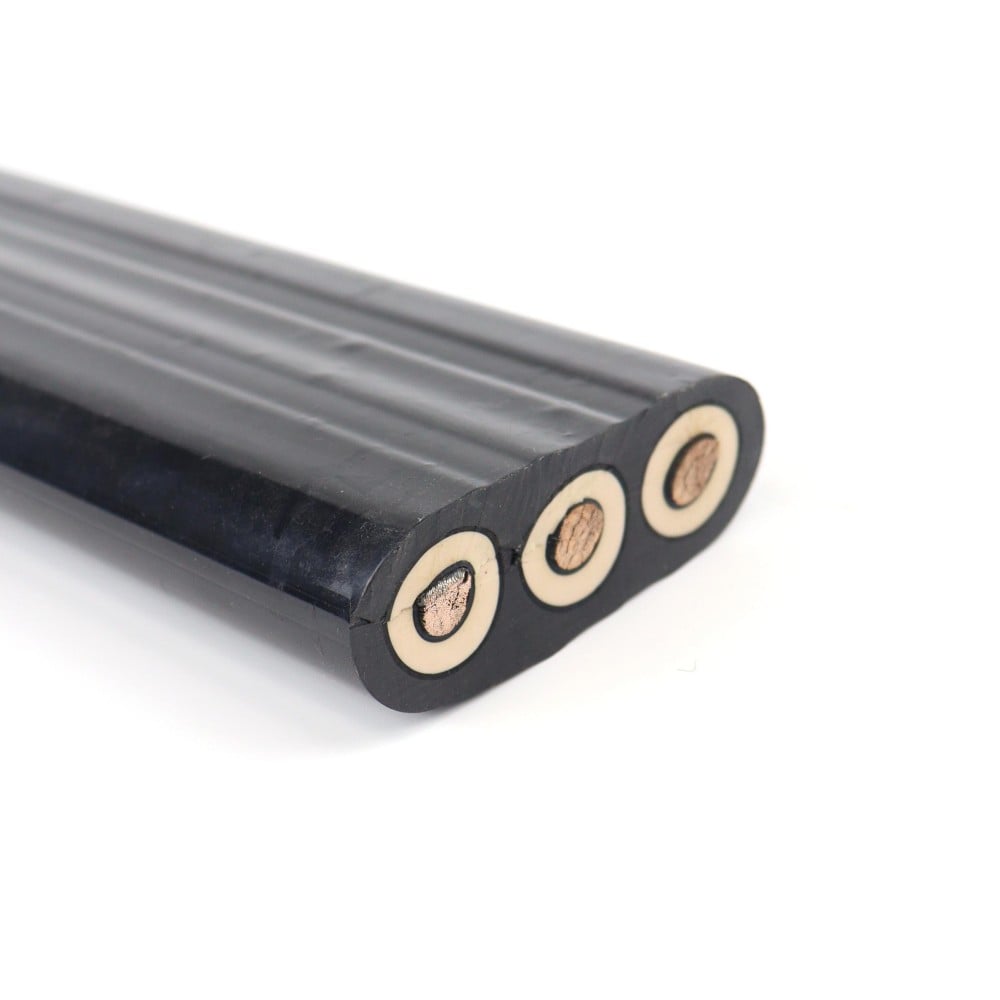
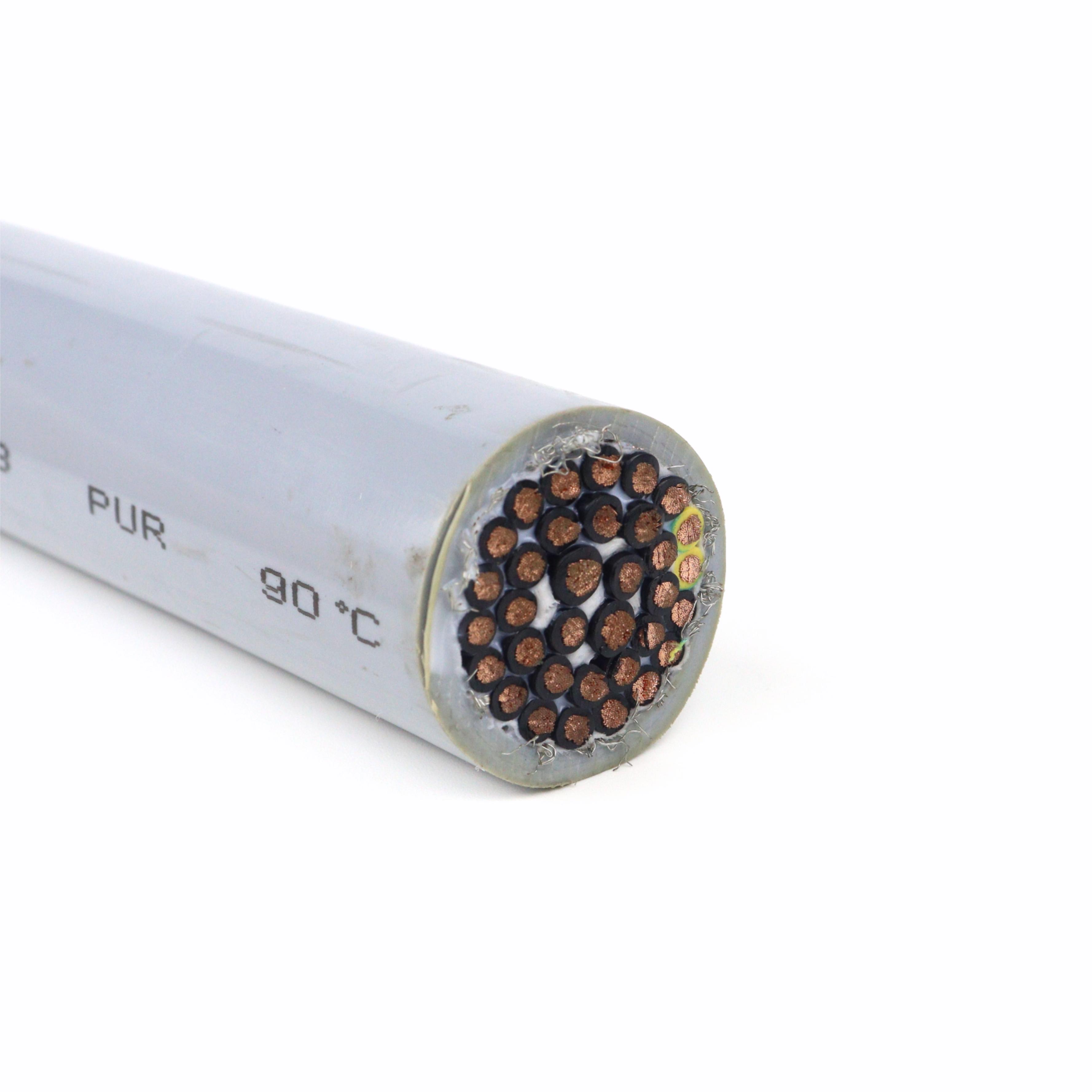
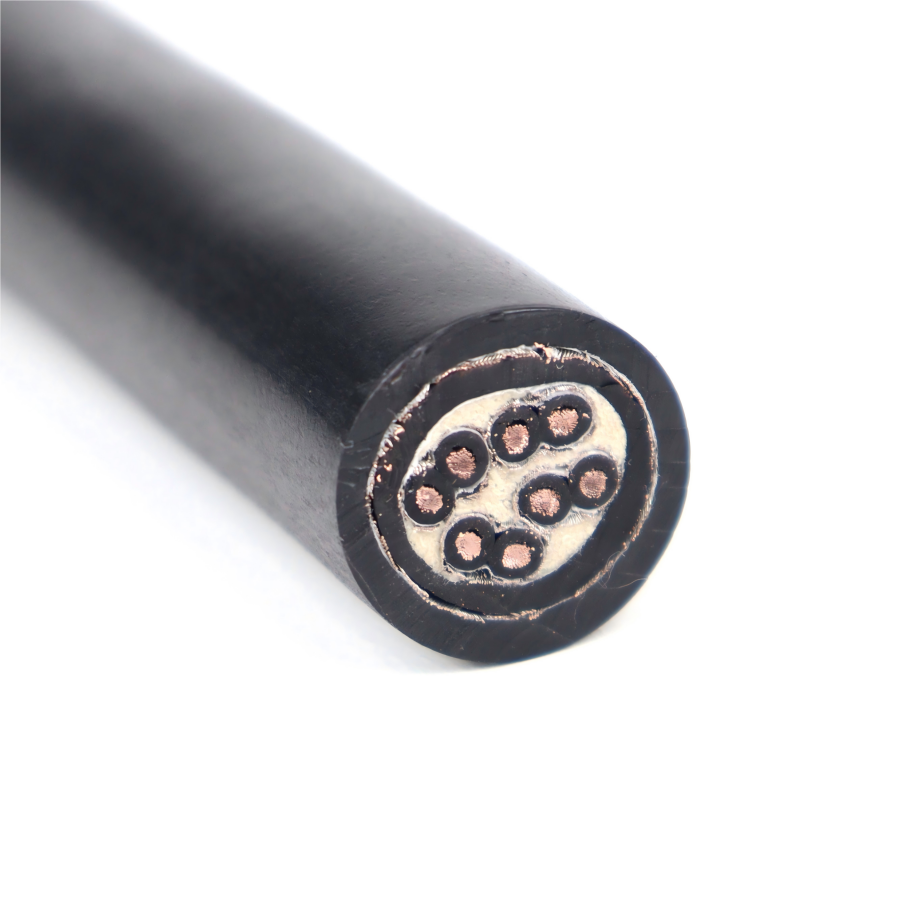
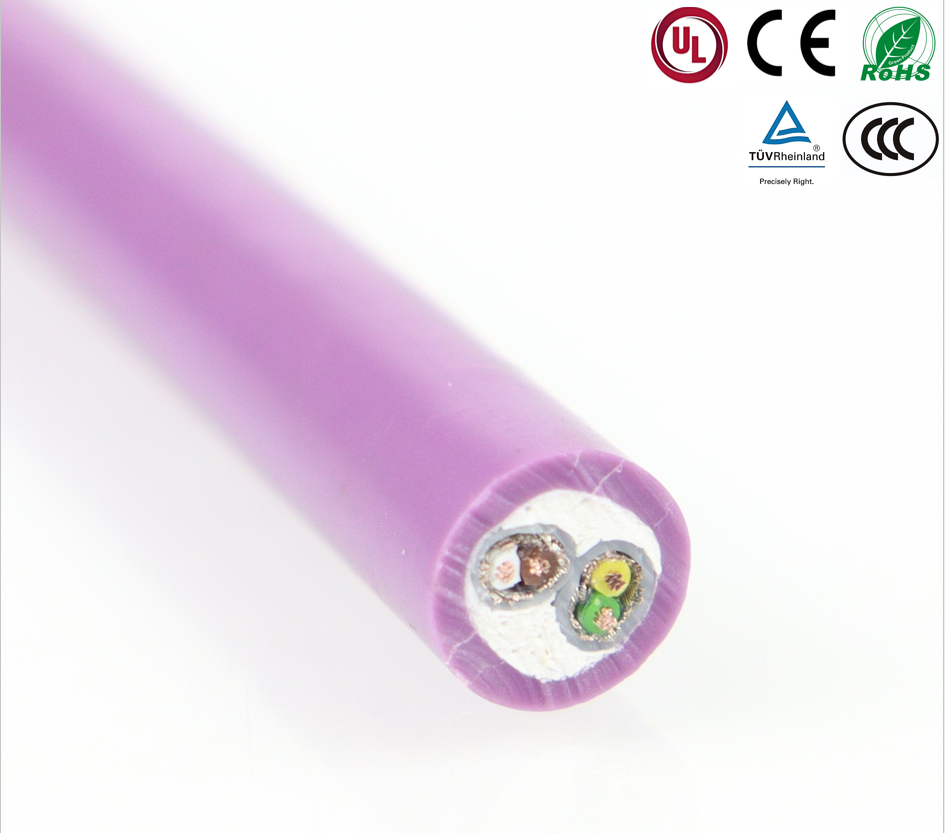
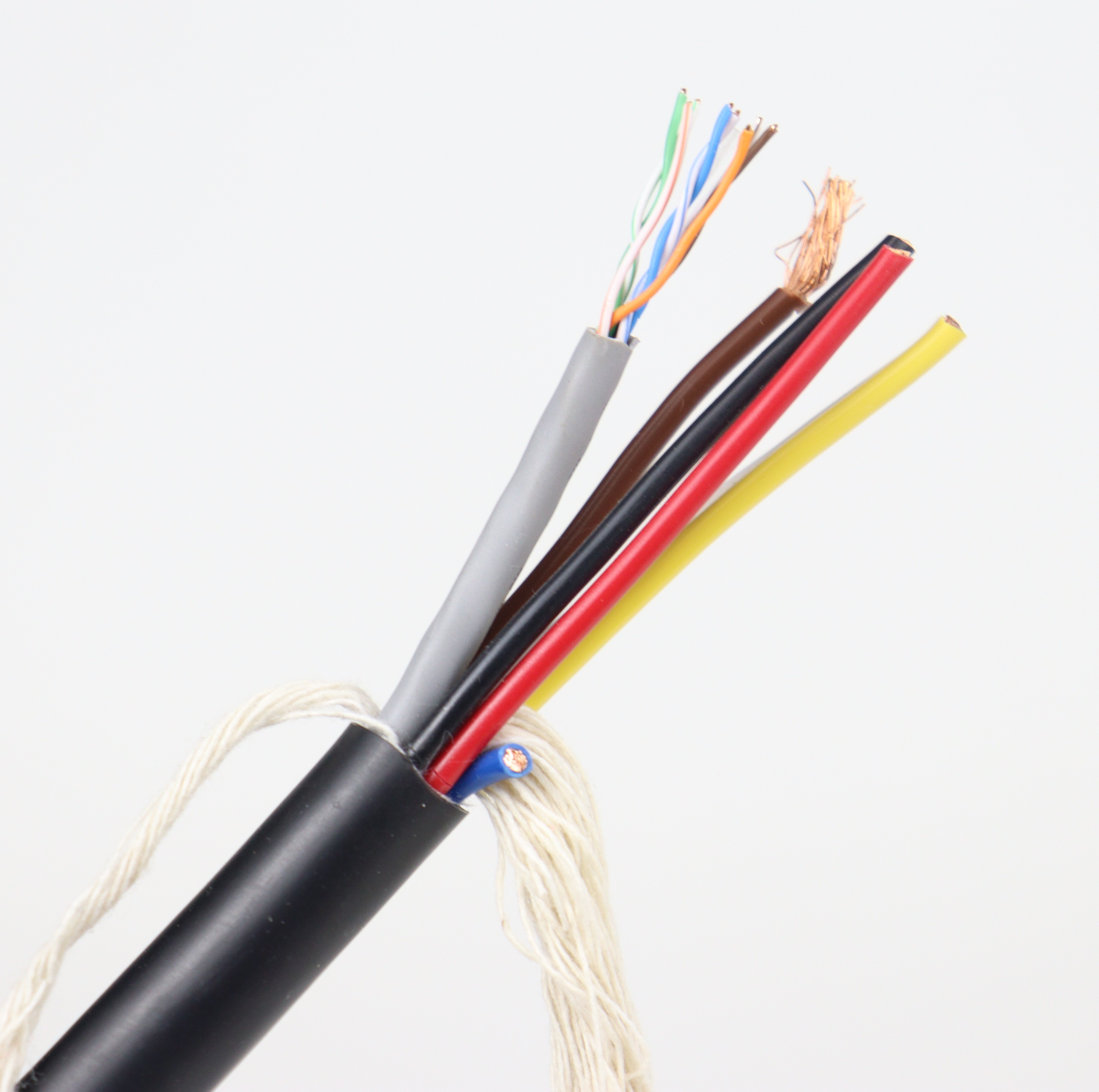
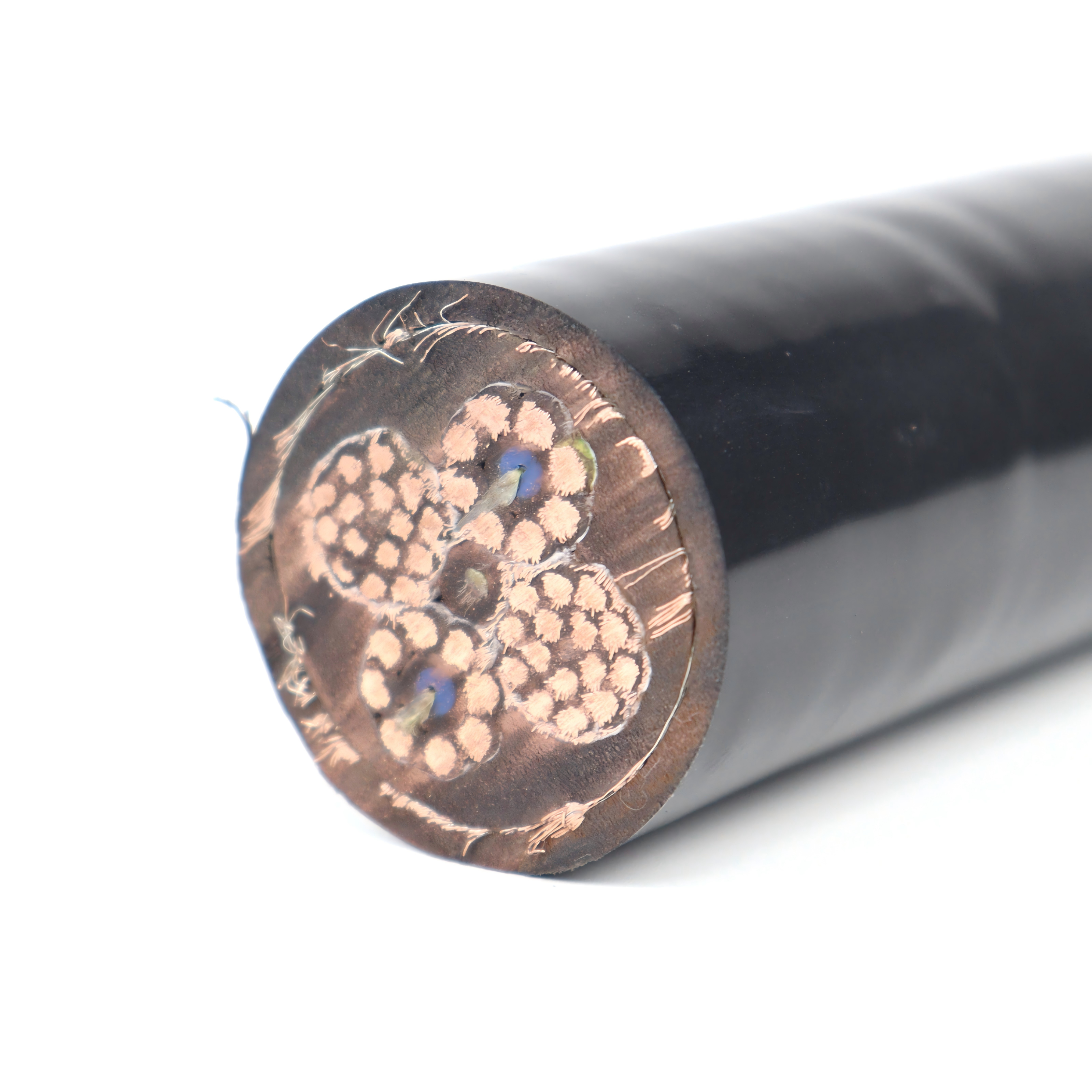
An armored control cable is a protected electrical cable designed to carry control signals, monitoring data, and low-power commands in demanding environments. Its metal armor helps shield internal conductors from impact, crushing, abrasion, moisture, rodents, and electrical interference. This makes an armored control cable a practical choice where ordinary flexible wiring may suffer damage or create maintenance risks. The armored control cable connects sensors, switches, instruments, motors, valves, panels, and automated equipment while helping operators maintain accurate and dependable control. Depending on the design, it may include multiple copper cores, insulation rated for the working voltage, an overall sheath, and a galvanized steel or aluminum armor layer. Some versions use flexible armor for moving equipment, while others use rigid protection for fixed routes. The armored control cable can also include shielding to reduce signal noise in factories with drives, transformers, or heavy machinery. Its construction supports safe routing through cable trays, conduits, control cabinets, outdoor installations, and industrial process areas. The armored control cable is available in different core counts, conductor sizes, temperature ratings, bend capabilities, and sheath materials, allowing buyers to match the product to a specific installation. A correctly selected armored control cable protects signal quality and reduces the chance of unplanned stoppages. It also simplifies installation because one protected cable assembly can replace separate wires and extra protective tubing. For industrial users, an armored control cable combines signal transmission, physical protection, and long service potential in one dependable solution.
The main advantage of an armored control cable is stronger protection during daily operation. Its metal layer absorbs contact from tools, machinery, moving materials, and accidental knocks, helping prevent broken conductors and exposed insulation. This gives an armored control cable clear value in busy plants, construction areas, utility sites, and outdoor equipment rooms. Buyers can reduce repair visits because the cable withstands conditions that can damage standard control wiring. An armored control cable also supports more reliable signals. When it includes a suitable screen, it limits interference from motors, variable-speed drives, power lines, and switching equipment. Stable signals help control systems respond correctly, improve process consistency, and reduce false alarms. The armored control cable keeps sensors and actuators connected over long routes, which helps engineers place equipment where it works best rather than only where wiring is easy to protect. Installation teams can select an armored control cable with the right number of cores and conductor size for a particular control circuit. This avoids unnecessary cable replacement and supports cleaner cabinet and tray layouts. The protected design can also lower the need for separate guards, sleeves, or conduit in suitable locations, saving space and labor. A flexible armored control cable suits moving machinery, robotic equipment, and repeated bending, while a heavier fixed version suits permanent industrial routes. Buyers should confirm bend radius, temperature range, chemical exposure, moisture level, voltage, current, and local installation rules before ordering. With the right specification, an armored control cable offers dependable service, easier maintenance, and useful protection without requiring complex operating procedures. Its long-term value comes from fewer interruptions, safer routing, and better control system availability.

Tips And Tricks

Shanghai Libin Cable Showcases Robot and Automation Cable Solutions at CMES Shanghai Industrial Automation & Robotics Exhibition

16

Oct

Shanghai Libin Cable Showcases Robot and Automation Cable Solutions at CMES Shanghai Industrial Automation & Robotics Exhibition

View More
Shanghai Libin Cable Showcases Crane Cable Solutions at the 11th China (Changyuan) International Crane Equipment Expo

16

Oct

Shanghai Libin Cable Showcases Crane Cable Solutions at the 11th China (Changyuan) International Crane Equipment Expo

View More
Why Drag Chain Cables Fail: Four Common Causes and How to Select Correctly

16

Oct

Why Drag Chain Cables Fail: Four Common Causes and How to Select Correctly

View More
Industrial Robot Combination Cable: Routing Power and Signal Together in a Small-Bend-Radius Drag Chain

16

Oct

Industrial Robot Combination Cable: Routing Power and Signal Together in a Small-Bend-Radius Drag Chain

View More

Get a Free Quote

Our representative will contact you soon.
0/1000
Heavy-Duty Protection for Critical Signals

Heavy-Duty Protection for Critical Signals

A key selling point of an armored control cable is its strong physical defense. The armor surrounds the insulated cores and helps resist crushing, cuts, impact, abrasion, and accidental contact with tools or equipment. This protection matters when an armored control cable runs across a factory floor, through a plant corridor, or beside machinery that can create vibration and movement. The armored control cable helps preserve the conductor path, so control signals continue to reach sensors, switches, and actuators as intended. By reducing damage caused by installation work or routine operations, it can lower replacement frequency and limit production delays. The armored control cable is especially useful where adding rigid conduit would take too much space or require expensive structural work. Buyers gain a ready-to-route solution that combines electrical connection with a protective barrier. When paired with suitable glands and terminations, the armored control cable supports a neat, secure, and durable installation for fixed industrial equipment.
Stable Performance in Noisy Environments

Stable Performance in Noisy Environments

Many plants contain motors, transformers, drives, relays, and other equipment that can disturb sensitive control signals. An armored control cable with an appropriate screen helps reduce this electrical noise and supports cleaner communication between field devices and control panels. This feature gives an armored control cable practical value in automated production lines, water treatment equipment, energy facilities, and processing systems. The armored control cable carries commands and feedback with less risk of interference-related errors, unwanted switching, or inaccurate readings. More stable signals help operators trust alarms and measurements, while maintenance teams spend less time tracing unexplained faults. The armored control cable also supports consistent equipment response when sensors operate over longer distances. Buyers can choose core arrangements and screening options based on signal type, route length, and surrounding electrical activity. With correct grounding and installation, the armored control cable contributes to dependable automation, better process control, and reduced troubleshooting time. This makes it a useful choice for control networks where signal accuracy directly affects output quality.
Flexible Options for Diverse Installations

Flexible Options for Diverse Installations

An armored control cable can be specified for both fixed and moving applications, giving buyers useful flexibility during system design. Flexible versions support repeated bending in machine tools, robots, cranes, conveyors, and automated handling equipment. Fixed versions provide robust routing for control panels, pumps, valves, switchgear, and permanent plant infrastructure. This range means an armored control cable can match the physical demands of the equipment instead of forcing one standard design onto every project. The armored control cable is also available with different core counts, conductor sizes, sheath materials, temperature limits, and moisture resistance levels. These options help users select only the protection and capacity they need. A properly matched armored control cable can simplify procurement, reduce installation changes, and improve service life. Buyers should compare bend radius, movement cycles, chemicals, heat, water exposure, and termination requirements before choosing a model. The armored control cable then becomes a practical fit for the application, supporting safer routing and predictable maintenance. This specification-based approach helps control total ownership cost while preserving dependable equipment operation.