Multi Core Control Cable for Reliable Systems

application/multi-core-control-cable, application/multi-core-control-cable, 
Inquiry
Inquiry

multi core control cable

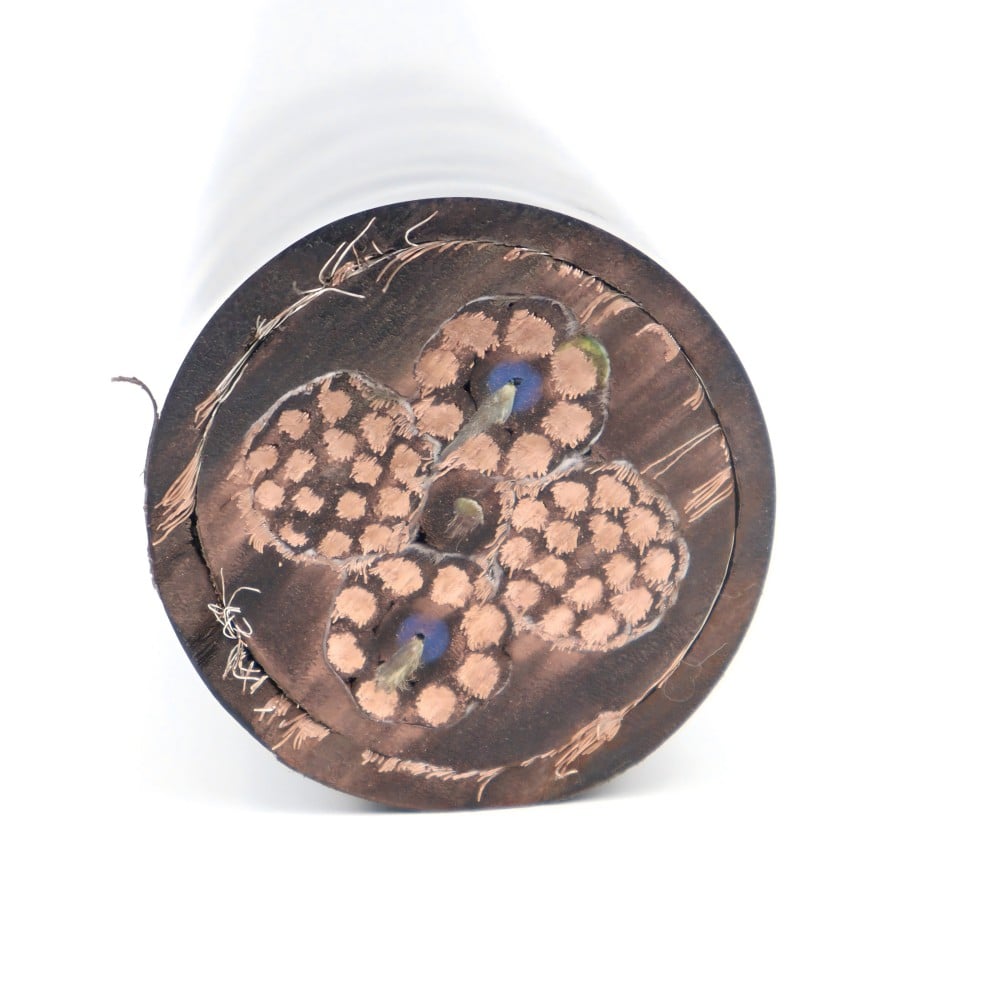
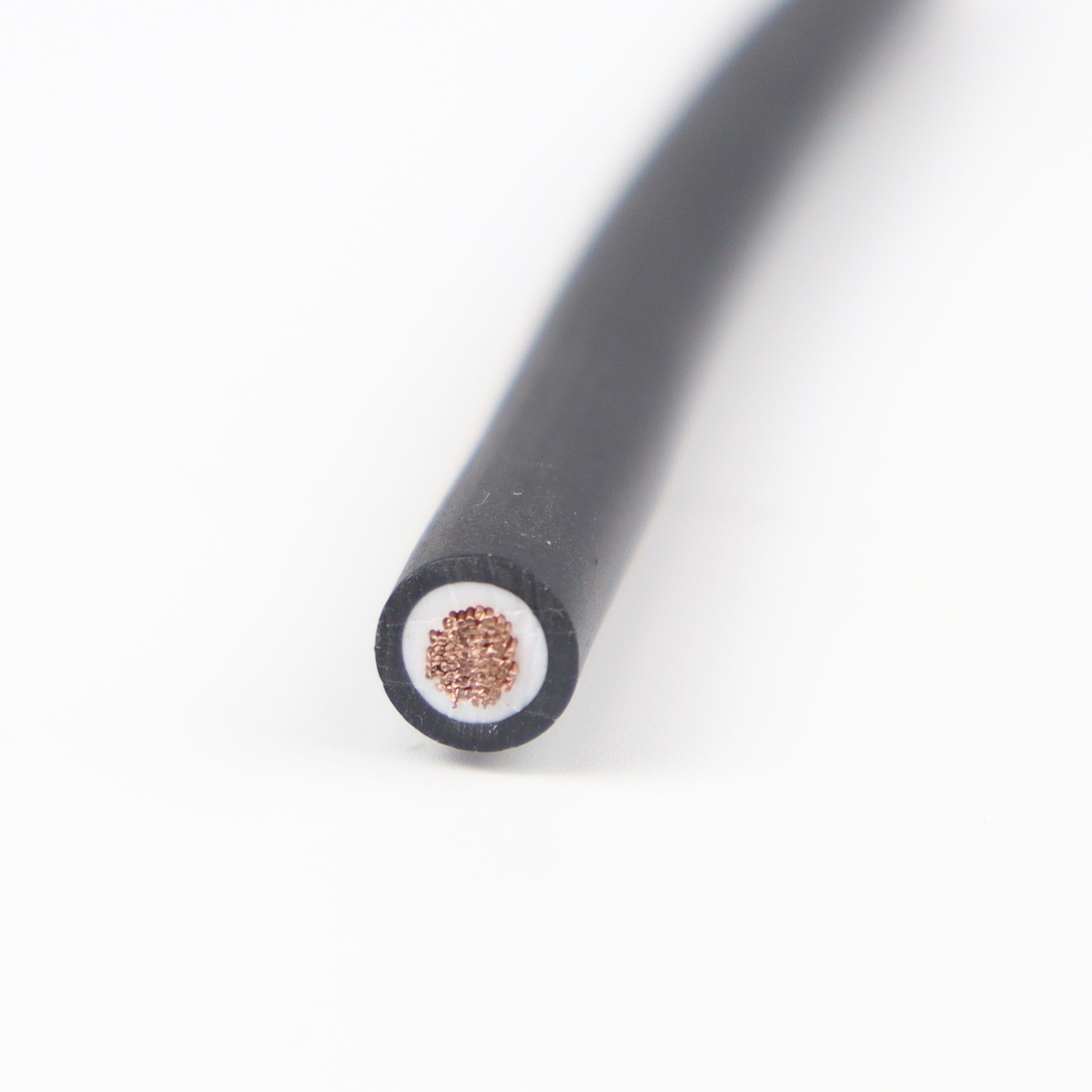
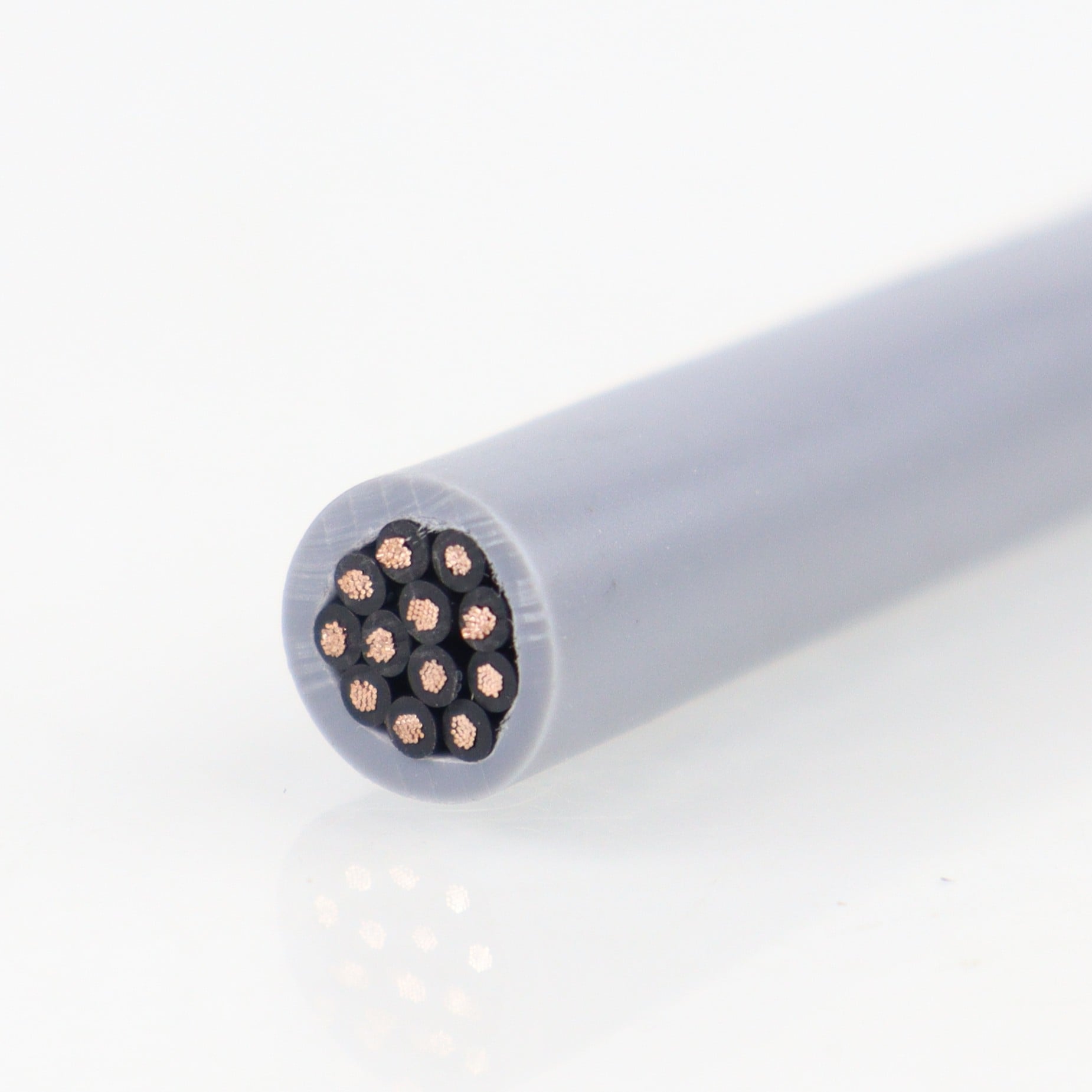
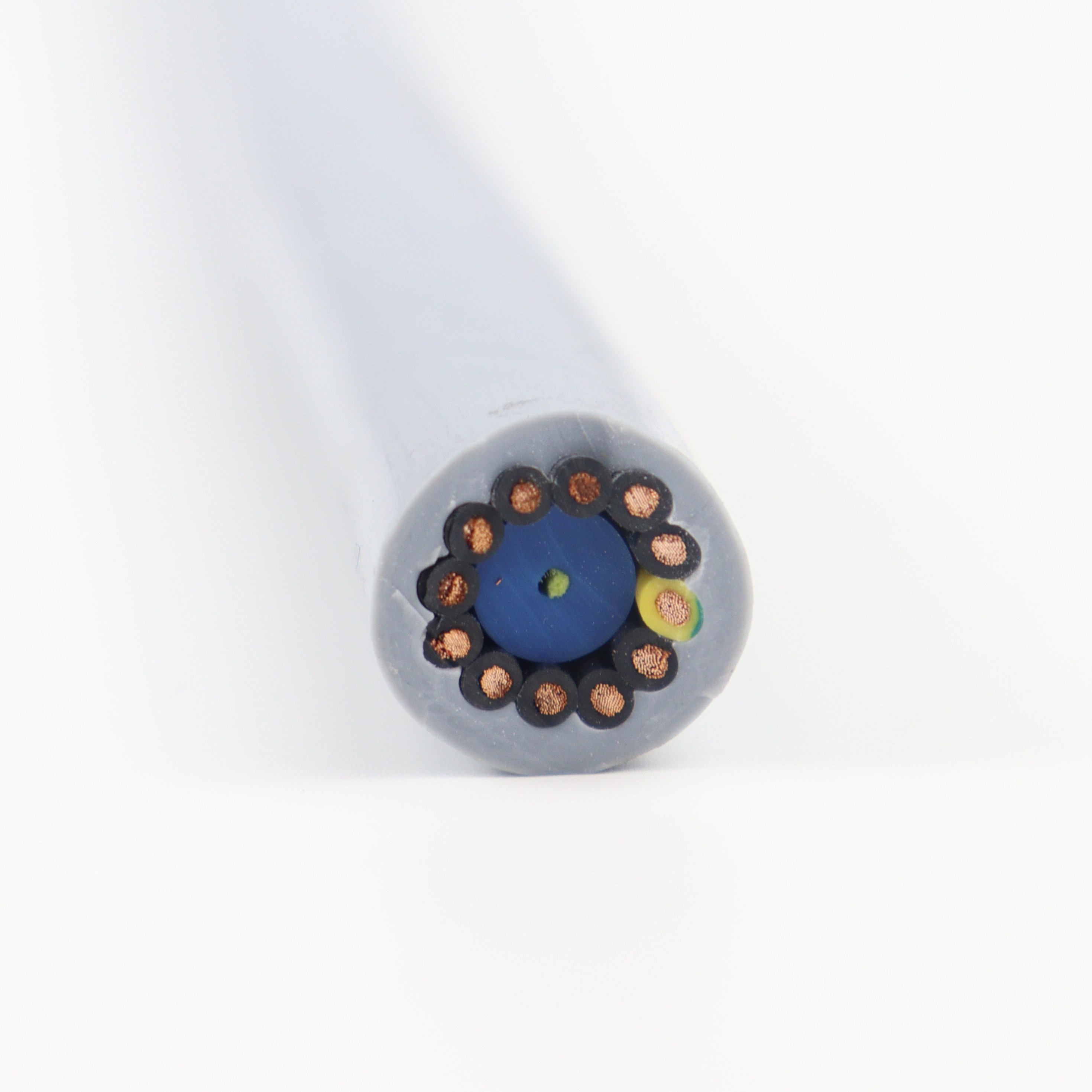
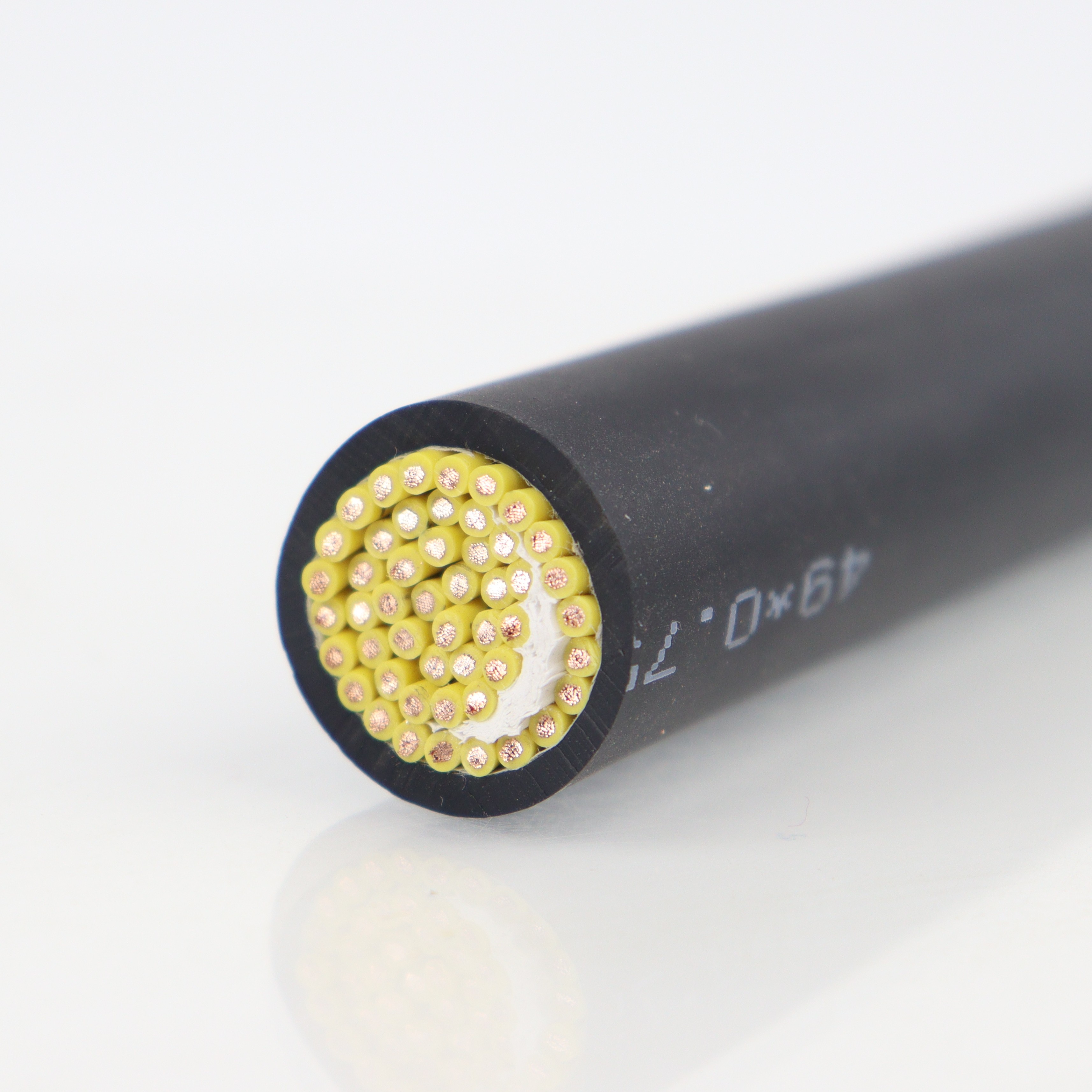
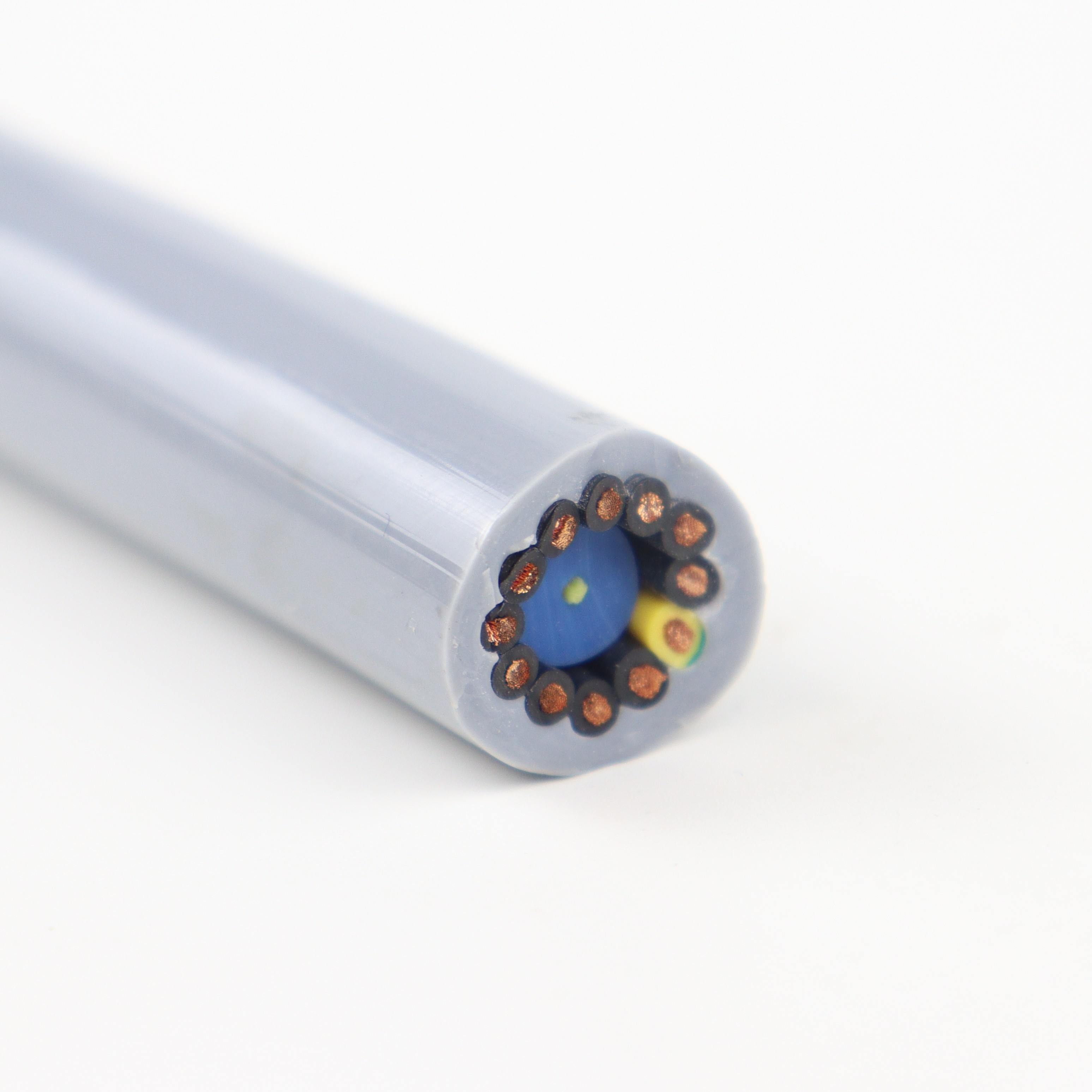
A multi core control cable is a grouped cable designed to carry control signals, monitoring data, and low-voltage power between equipment, panels, instruments, and automation systems. Instead of installing many separate wires, a multi core control cable combines several insulated conductors under one protective outer jacket. This multi core control cable helps installers create cleaner routes and keeps related circuits together. Each conductor may use a numbered or color-coded insulation layer, making identification faster during installation, testing, and maintenance. A multi core control cable can include flexible copper conductors, insulation made from PVC, PE, or similar materials, shielding for interference control, and a durable outer sheath. The selected construction depends on voltage, temperature, movement, chemical exposure, and indoor or outdoor use. In an industrial panel, a multi core control cable links switches, sensors, relays, motors, drives, and controllers. In building systems, it connects access controls, alarms, HVAC units, and lighting controls. A multi core control cable also supports machinery, production lines, transport equipment, and process plants where dependable signal transfer matters. Its main function is to transmit commands and feedback accurately while protecting circuits from physical damage and electrical noise. The cable may be supplied in different conductor counts, sizes, shielding options, jacket materials, and lengths. A suitable multi core control cable gives projects an organized wiring method, stable performance, easier fault tracing, and a practical balance between installation speed and long-term reliability.
Choosing a multi core control cable can reduce installation time because one jacket replaces several separately routed cables. The grouped design helps technicians plan shorter, neater cable paths and use less tray or conduit space. A multi core control cable also reduces the number of loose wires that can snag, cross, or become difficult to identify. Clear conductor numbering or color coding supports faster termination and makes future service work more direct. For a multi core control cable, the right shielding option can limit interference from motors, variable-speed drives, and nearby power lines. That protection helps controllers receive cleaner signals and reduces the risk of false readings or unexpected commands. Buyers can select conductor sizes and core counts to match the required load, distance, and control scheme instead of paying for unnecessary material. A multi core control cable suits fixed machinery, flexible equipment, control cabinets, and automation lines when the construction matches the movement and environment. Strong jackets can resist abrasion, oil, moisture, sunlight, and moderate chemical contact, extending service life in demanding locations. The result is fewer replacements, less troubleshooting, and lower maintenance effort over the working life of the installation. A multi core control cable can also simplify purchasing because one product covers several connected circuits and reduces the need to manage many cable types. When projects require clean documentation, consistent labeling, and reliable connections, a multi core control cable supports a more orderly system. Buyers should still confirm voltage rating, conductor area, bending radius, temperature range, shielding, jacket material, approvals, and required length before ordering. These checks ensure the product fits the application rather than relying on appearance alone. For installers, the practical value is faster work. For operators, the value is dependable control. For owners, the value is easier maintenance and predictable operating cost.

Tips And Tricks

Shanghai Libin Cable Showcases Robot and Automation Cable Solutions at CMES Shanghai Industrial Automation & Robotics Exhibition

16

Oct

Shanghai Libin Cable Showcases Robot and Automation Cable Solutions at CMES Shanghai Industrial Automation & Robotics Exhibition

View More
Shanghai Libin Cable Showcases Crane Cable Solutions at the 11th China (Changyuan) International Crane Equipment Expo

16

Oct

Shanghai Libin Cable Showcases Crane Cable Solutions at the 11th China (Changyuan) International Crane Equipment Expo

View More
Why Drag Chain Cables Fail: Four Common Causes and How to Select Correctly

16

Oct

Why Drag Chain Cables Fail: Four Common Causes and How to Select Correctly

View More
Industrial Robot Combination Cable: Routing Power and Signal Together in a Small-Bend-Radius Drag Chain

16

Oct

Industrial Robot Combination Cable: Routing Power and Signal Together in a Small-Bend-Radius Drag Chain

View More

Get a Free Quote

Our representative will contact you soon.
0/1000
Organized Wiring for Faster Installation

Organized Wiring for Faster Installation

A multi core control cable brings several related circuits into one managed assembly, which can make a panel or machine easier to wire. Instead of routing separate lines for every switch, sensor, and feedback point, installers can use one multi core control cable with clearly identified conductors. This arrangement reduces clutter inside cabinets and leaves more room for airflow, labeling, and future additions. A multi core control cable also supports a consistent routing plan through trays, conduits, and machine frames. Numbered cores help technicians terminate each circuit correctly and check connections without tracing a maze of loose wires. The benefit reaches beyond the first installation: service teams can understand the cable layout more quickly during inspection or repair. For contractors, this means fewer handling steps and a more professional finish. For equipment owners, it means less downtime when a connection needs testing. The result is a practical wiring solution that improves organization without adding unnecessary complexity.
Reliable Signals in Electrically Busy Areas

Reliable Signals in Electrically Busy Areas

A multi core control cable can be built with a foil, braid, or overall screen to help protect sensitive control signals from nearby electrical noise. This feature matters around motors, inverters, welding equipment, transformers, and other sources of interference. When the construction matches the site, a multi core control cable helps limit unwanted signal disturbance and supports more stable readings from sensors and control devices. The shield must be installed and grounded according to the equipment design, but the cable provides a useful foundation for that protection. A multi core control cable may also separate signal and power circuits through suitable conductor arrangements, insulation, and core identification. Cleaner signal transfer helps reduce nuisance alarms, incorrect feedback, and repeated troubleshooting. This is especially valuable in automated production, process monitoring, and safety-related control tasks. Buyers gain confidence that the connection method supports dependable machine responses. Selecting the correct shield type, conductor size, and voltage rating remains essential for achieving the expected result.
Durable Options for Different Working Conditions

Durable Options for Different Working Conditions

A multi core control cable can be selected with a jacket suited to the location, including PVC for general indoor work, flexible compounds for movement, and tougher materials for oil, moisture, sunlight, or abrasion. This flexibility allows one product family to serve control cabinets, machine tools, conveyors, robotic equipment, HVAC installations, and outdoor systems. A multi core control cable with flexible stranded conductors can tolerate repeated bending when the design and bend radius support that duty. In fixed routes, a more rigid construction may provide cost-effective protection and stable positioning. A multi core control cable can also be specified in different core counts and conductor areas, helping buyers match the cable to actual circuit needs. That avoids both under-sizing and needless overspending. Reliable materials protect the internal conductors and reduce the chance of early replacement caused by mechanical wear or environmental exposure. By reviewing temperature, motion, chemicals, moisture, and installation space before purchase, customers can choose a durable cable that supports safer operation, simpler maintenance, and better long-term value.