Ground Cable Welding: Safe, Strong Connections

application/ground-cable-welding, application/ground-cable-welding, 
Inquiry
Inquiry

ground cable welding

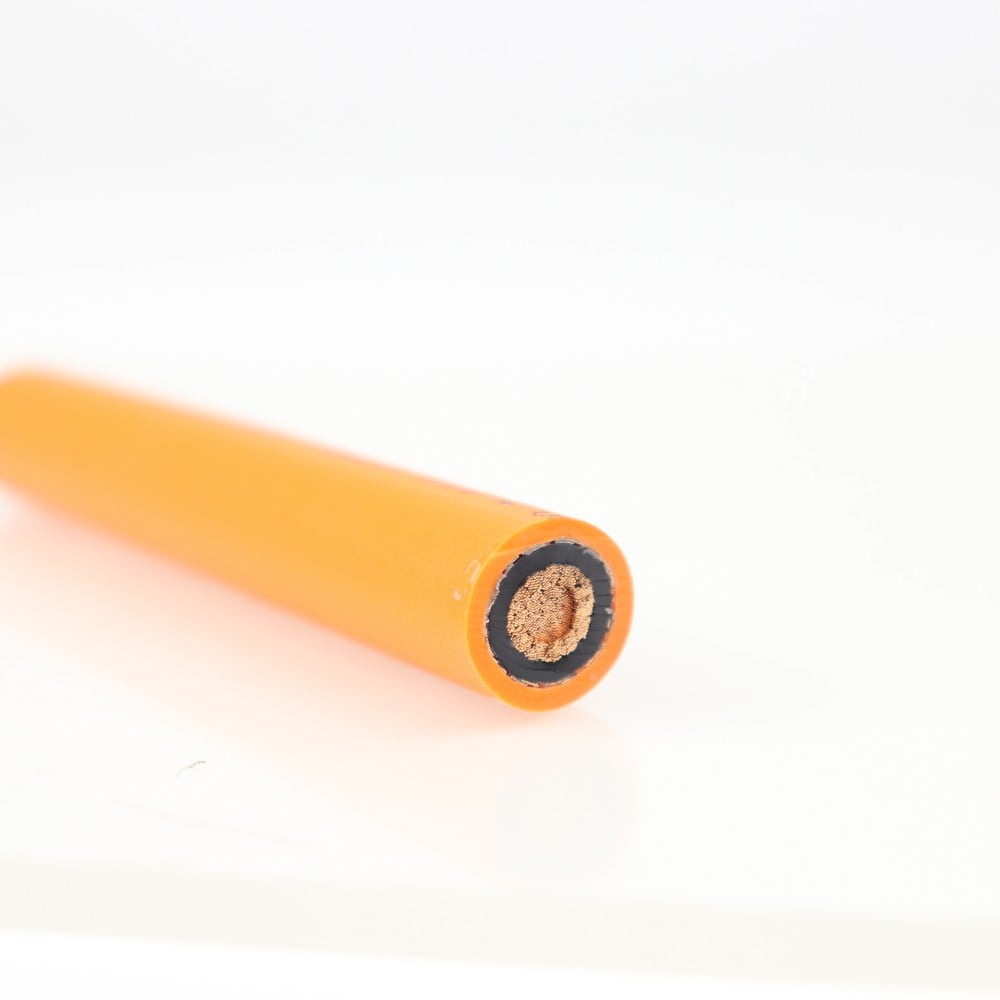
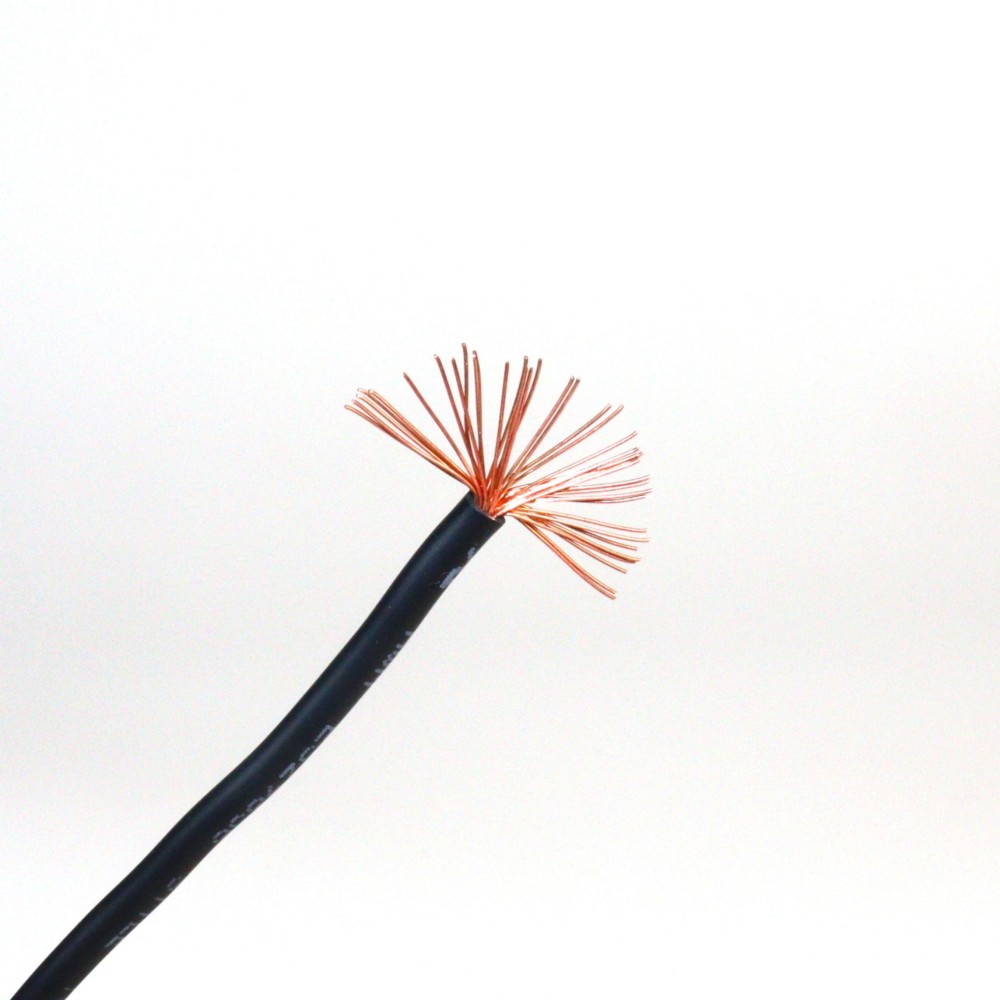
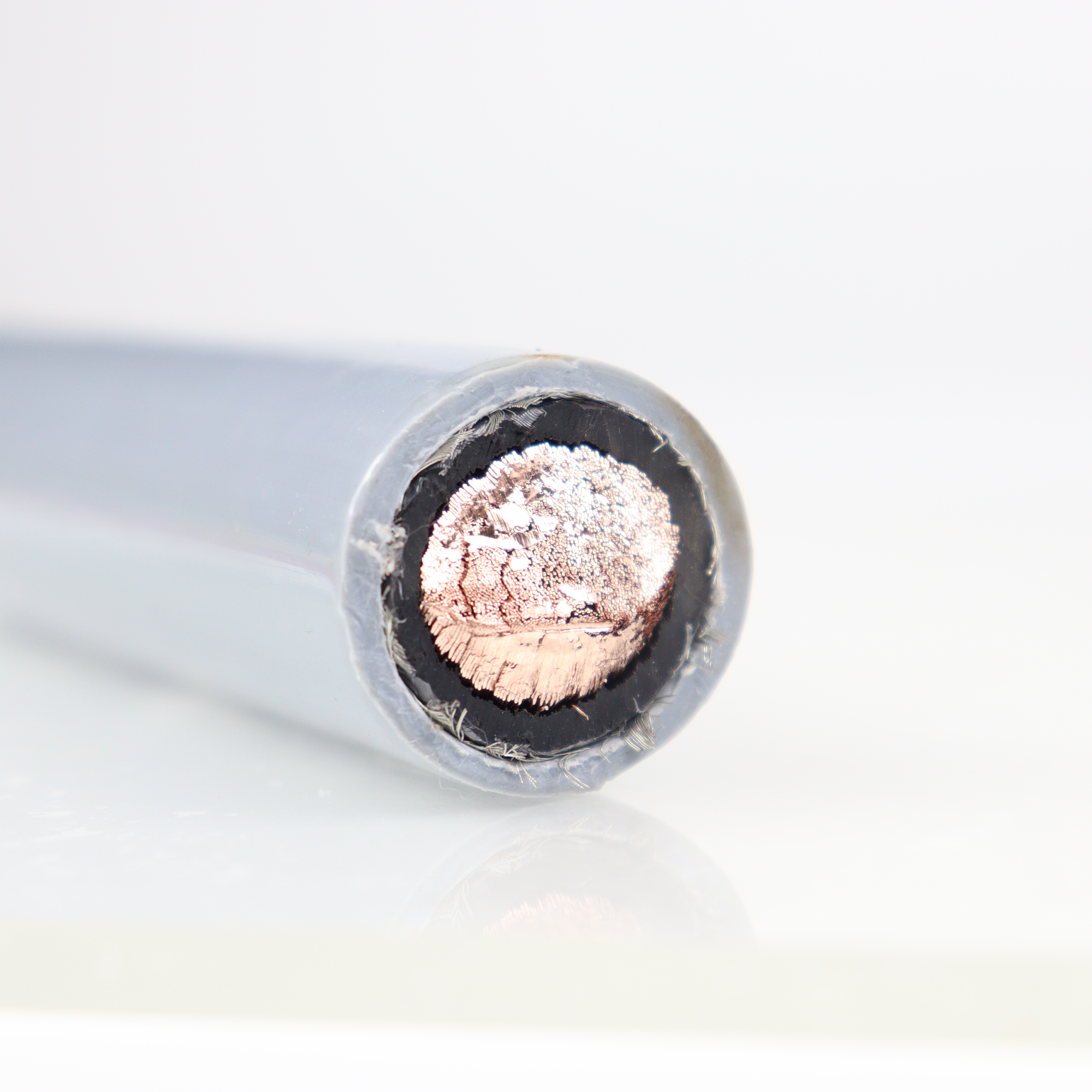
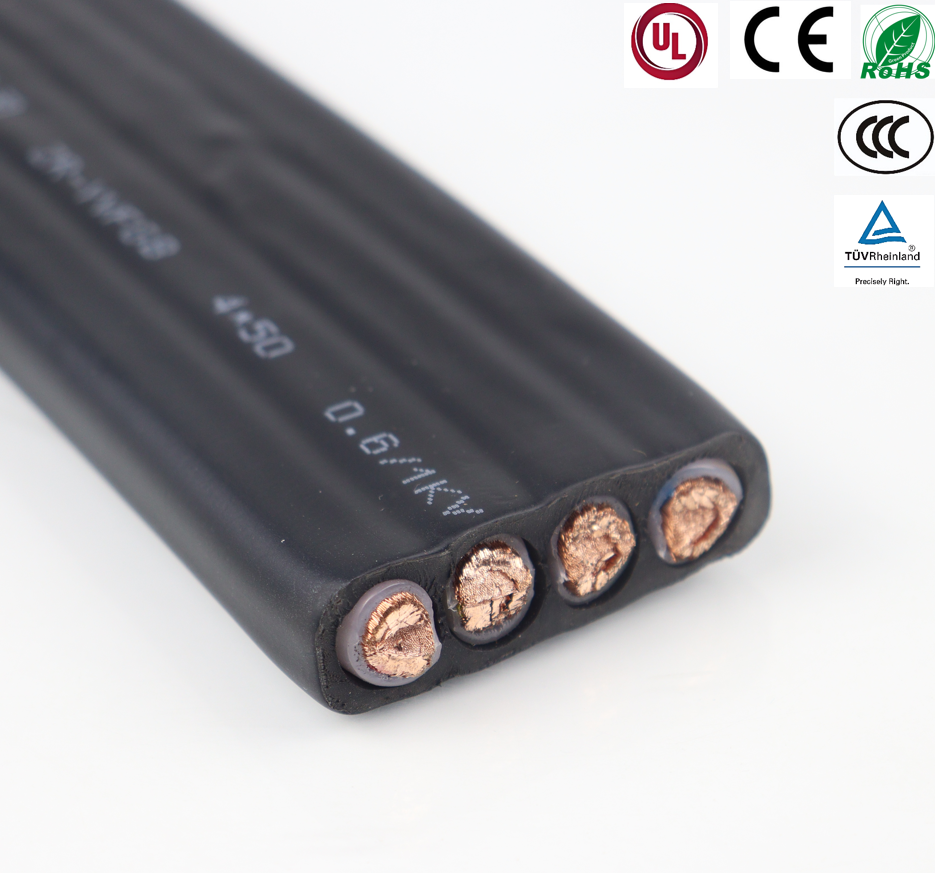
Ground cable welding refers to the use of a flexible electrical lead that connects the welding machine to the workpiece or welding table. This return path completes the circuit, allowing current to travel safely through the electrode, arc, metal, and cable. Without a reliable ground connection, welding may become unstable, difficult to control, or unsafe. A well-designed ground cable welding solution supports smooth starts, steady arcs, and consistent weld quality across routine and demanding jobs. The cable normally includes a copper conductor, protective insulation, a terminal, and a clamp or connector. Ground cable welding products may use fine-strand copper to improve flexibility and electrical flow. Strong outer jackets resist abrasion, oil, heat, moisture, sparks, and repeated bending. Some models include molded strain relief, reinforced ends, quick connectors, or color-coded insulation for faster setup. Ground cable welding equipment suits workshops, fabrication plants, construction sites, repair centers, shipyards, agricultural maintenance, and mobile welding operations. Buyers can select length, conductor size, clamp type, and connector style according to output, distance, and working conditions. Shorter leads reduce handling and voltage loss, while longer options improve reach around large structures. Correct sizing helps prevent overheating and supports safe current transfer. Ground cable welding also makes equipment easier to organize because a dedicated return lead reduces improvised connections. When paired with a compatible welder and securely attached to clean metal, it provides a dependable foundation for productive, repeatable work.
The main value of ground cable welding is dependable current return. A secure lead helps the welder maintain a stable arc, so operators can work with fewer interruptions, spatter issues, and failed starts. Ground cable welding also supports more even heat distribution, which helps users produce cleaner beads and reduce rework. That practical improvement can save consumables, labor time, and material costs. Flexible construction makes the cable easier to position around frames, pipes, vehicles, and large panels. Ground cable welding with fine copper strands bends smoothly without feeling stiff, allowing operators to reach difficult areas while keeping the connection in place. A durable jacket adds value by resisting cuts, sparks, sunlight, oil, and workshop abrasion. This protection extends service life and reduces the frequency of replacement, especially in busy production environments. Many designs include strong clamps that grip clean metal firmly. The operator can establish the return path quickly and spend less time correcting loose or unreliable contacts. Clear connectors and reinforced ends also simplify inspection, installation, and maintenance. Ground cable welding can fit manual stick welding, general fabrication, repair work, and many portable machines when its rating matches the welder. Buyers should compare amperage capacity, cable gauge, length, insulation quality, connector compatibility, and clamp strength before ordering. Ground cable welding that matches the application helps prevent excess heat and supports safer operation. A suitable length improves mobility without creating unnecessary cable loops that can cause trips or clutter. For workshops, a robust cable supports daily use; for field teams, a lighter flexible design improves transport. In either case, ground cable welding delivers a simple upgrade with measurable benefits: reliable starts, better operator control, longer component life, and more predictable welding results. It also gives purchasing teams a clear way to balance price against durability, reach, and workload.

Latest News

Shanghai Libin Cable Showcases Robot and Automation Cable Solutions at CMES Shanghai Industrial Automation & Robotics Exhibition

16

Oct

Shanghai Libin Cable Showcases Robot and Automation Cable Solutions at CMES Shanghai Industrial Automation & Robotics Exhibition

View More
Shanghai Libin Cable Showcases Crane Cable Solutions at the 11th China (Changyuan) International Crane Equipment Expo

16

Oct

Shanghai Libin Cable Showcases Crane Cable Solutions at the 11th China (Changyuan) International Crane Equipment Expo

View More
Why Drag Chain Cables Fail: Four Common Causes and How to Select Correctly

16

Oct

Why Drag Chain Cables Fail: Four Common Causes and How to Select Correctly

View More
Industrial Robot Combination Cable: Routing Power and Signal Together in a Small-Bend-Radius Drag Chain

16

Oct

Industrial Robot Combination Cable: Routing Power and Signal Together in a Small-Bend-Radius Drag Chain

View More

Get a Free Quote

Our representative will contact you soon.
0/1000
Stable Current for Consistent Weld Quality

Stable Current for Consistent Weld Quality

Ground cable welding creates a direct, reliable return path between the workpiece and the power source. This feature matters because arc stability affects bead shape, penetration, appearance, and operator confidence. When the connection remains firm, the welder can start more easily and maintain a steady arc instead of fighting flicker or unexpected stoppages. Ground cable welding with a properly sized copper conductor transfers current efficiently and helps limit heat buildup in the lead. That performance supports cleaner results on steel frames, machinery parts, brackets, pipes, and general fabrication projects. It also reduces rework caused by weak starts or uneven heat. For the buyer, the benefit is straightforward: fewer wasted electrodes, less grinding, and more finished parts per shift. Choosing the correct capacity for the machine and application ensures that the cable performs reliably under expected loads. A dependable return lead therefore improves both weld quality and day-to-day productivity.
Flexible, Protected Construction for Hard Work

Flexible, Protected Construction for Hard Work

Ground cable welding is built for movement, contact with rough surfaces, and exposure to demanding workshop conditions. Fine-strand copper allows the lead to bend around equipment and follow the operator without excessive resistance. A tough outer jacket helps protect the conductor from sparks, abrasion, oil, moisture, sunlight, and repeated dragging. This combination gives ground cable welding practical value in fabrication shops, construction zones, vehicle repair bays, and outdoor maintenance areas. Reinforced cable ends reduce stress where bending occurs most often, while quality insulation helps prevent accidental contact and premature wear. The result is easier handling and a longer working life than a basic, poorly protected lead can provide. Buyers gain fewer interruptions because the cable remains usable through regular setup and movement. A flexible design also reduces clutter around the work area, making it easier to position tools and maintain a safer workspace. For mobile crews, manageable weight and dependable protection make transport and daily deployment simpler.
Broad Compatibility and Faster Setup

Broad Compatibility and Faster Setup

Ground cable welding supports many common welding arrangements when users match the lead rating and connector to their machine. It can serve manual welding stations, portable generators, repair equipment, fabrication benches, and maintenance kits. This broad fit helps companies standardize spare parts across different work areas and reduces the need to keep specialized leads for every task. Ground cable welding with a strong clamp attaches quickly to clean, exposed metal, creating a secure connection before work begins. Clearly identified terminals, flexible insulation, and reinforced fittings make inspection easier for operators and maintenance staff. These details shorten setup time and help teams notice damage before it affects production. The buyer receives more than a simple accessory: the cable becomes a dependable part of the welding system. Selecting the right length gives workers useful reach without excessive loops, while the correct conductor size supports safe performance. This balance improves mobility, organization, and confidence across varied applications.