Copper Welding Cable for Reliable Power

application/copper-welding-cable, application/copper-welding-cable, 
Inquiry
Inquiry

copper welding cable

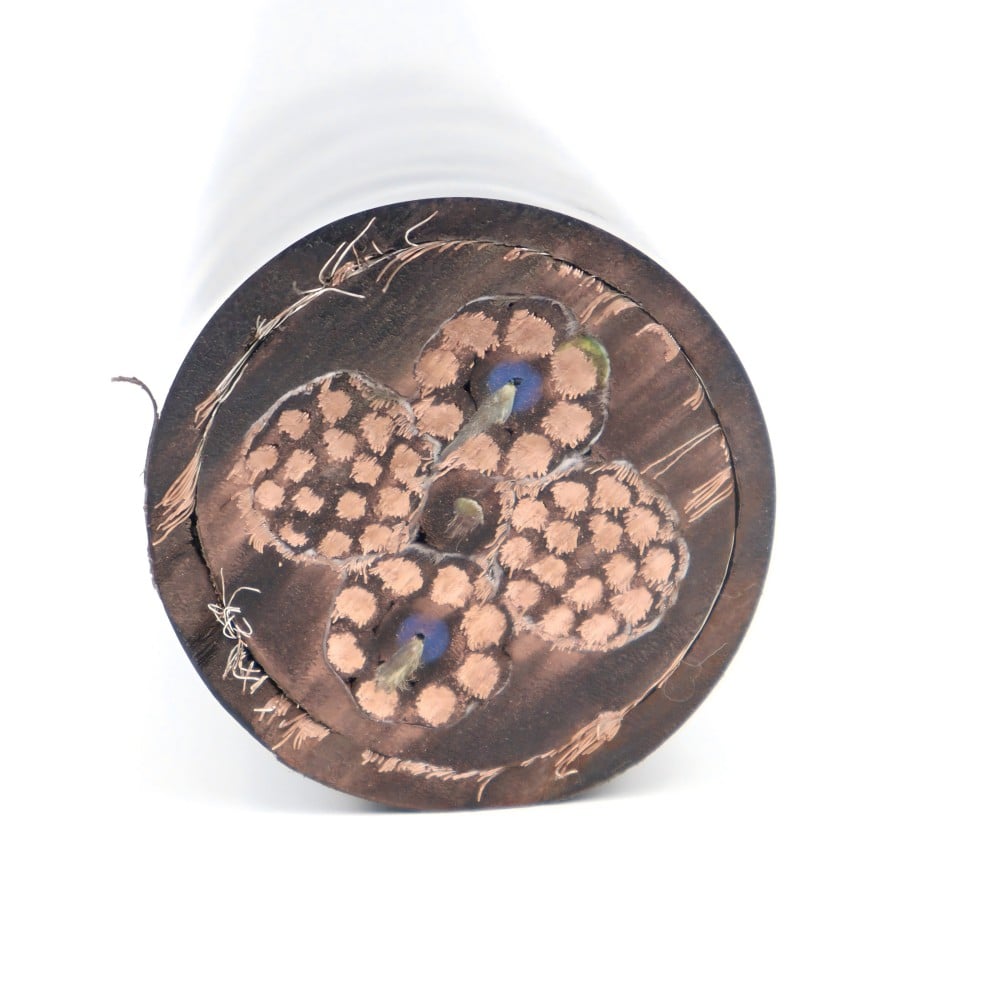
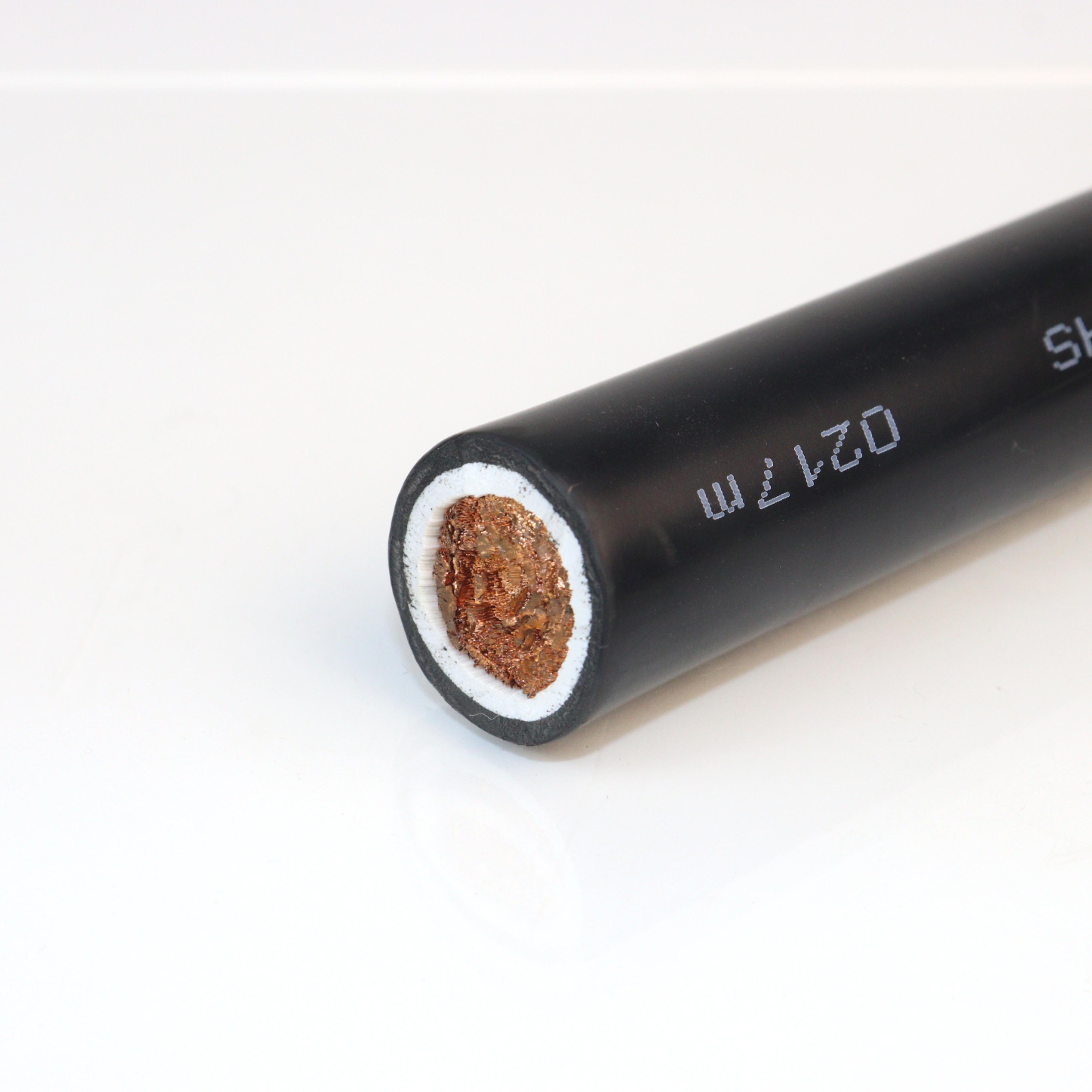
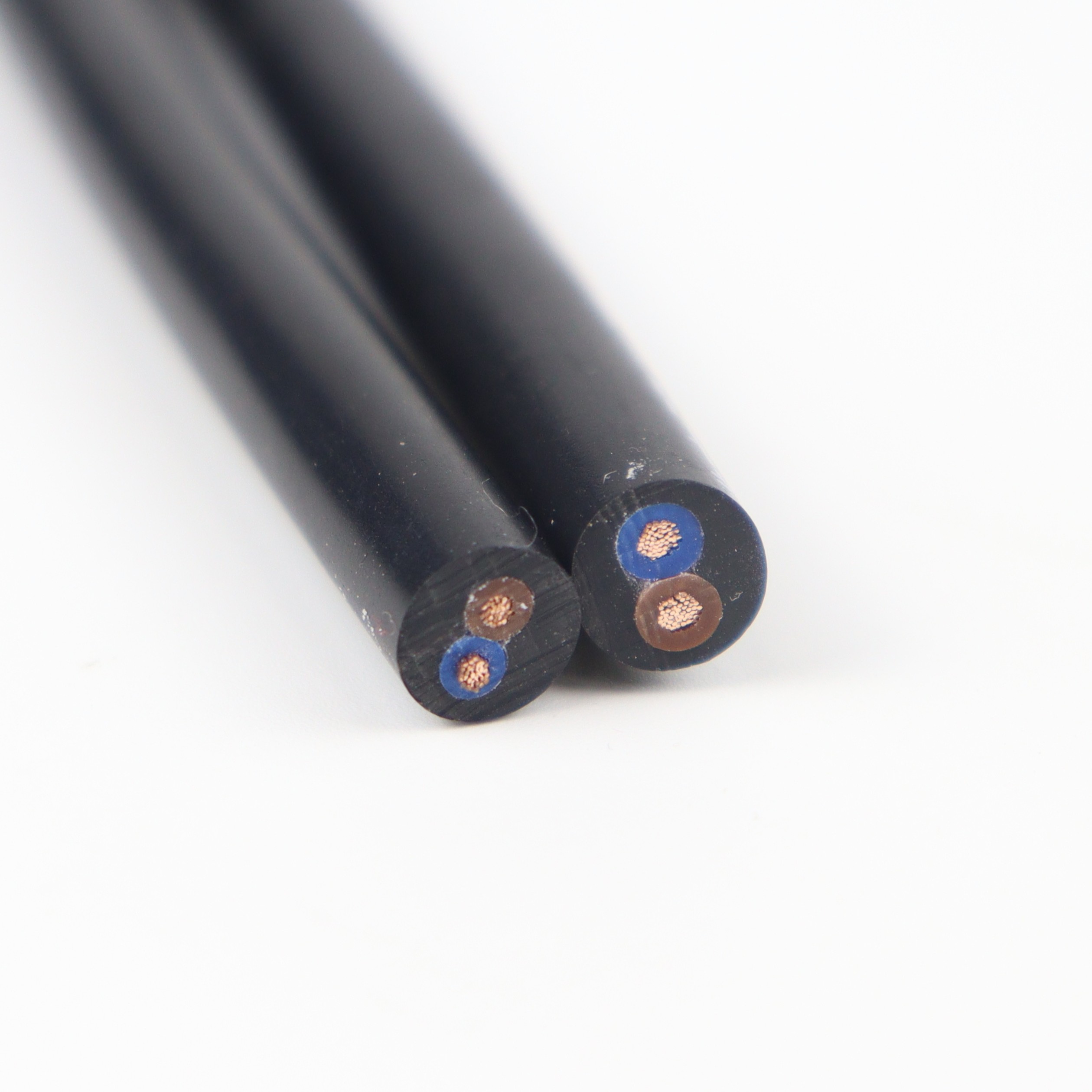
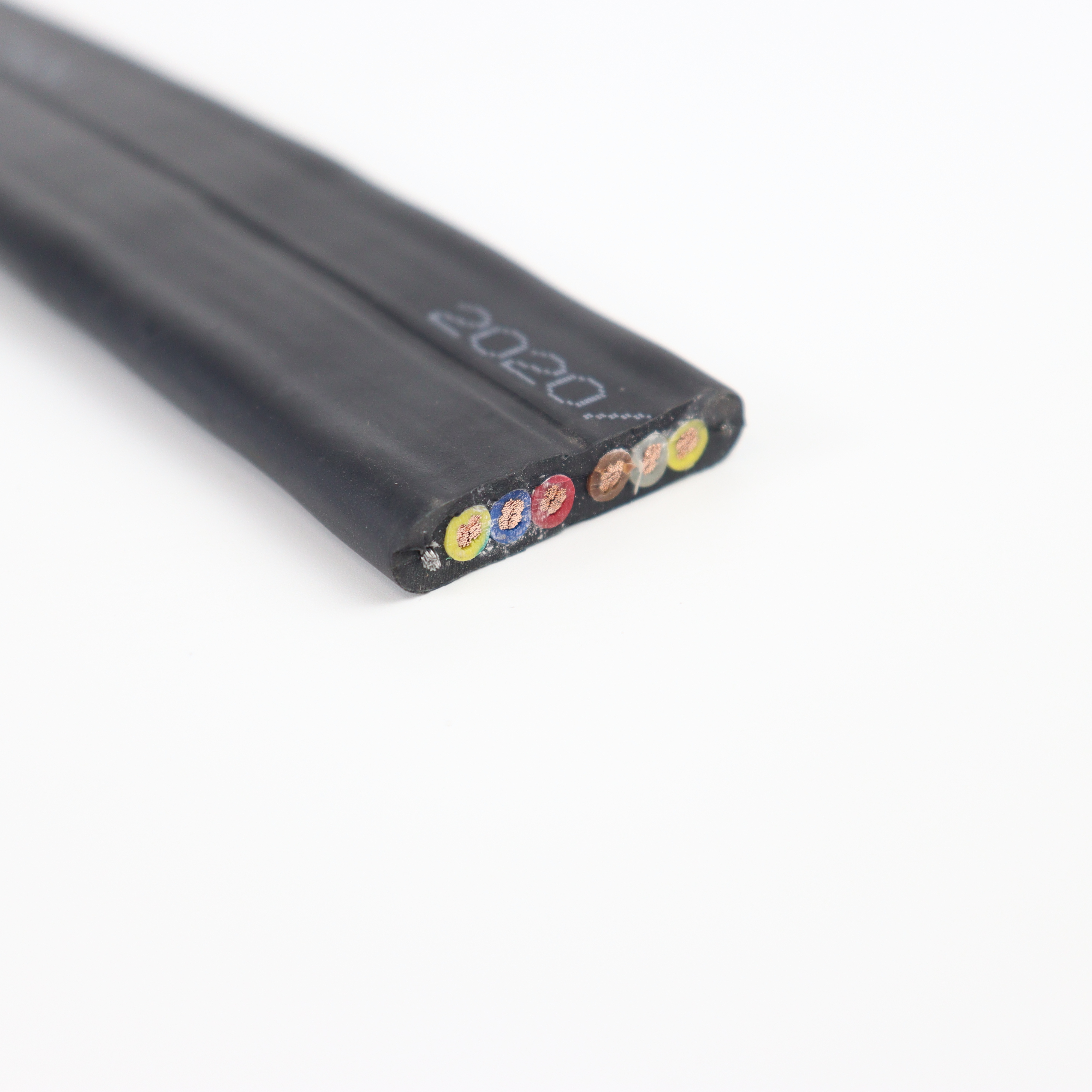
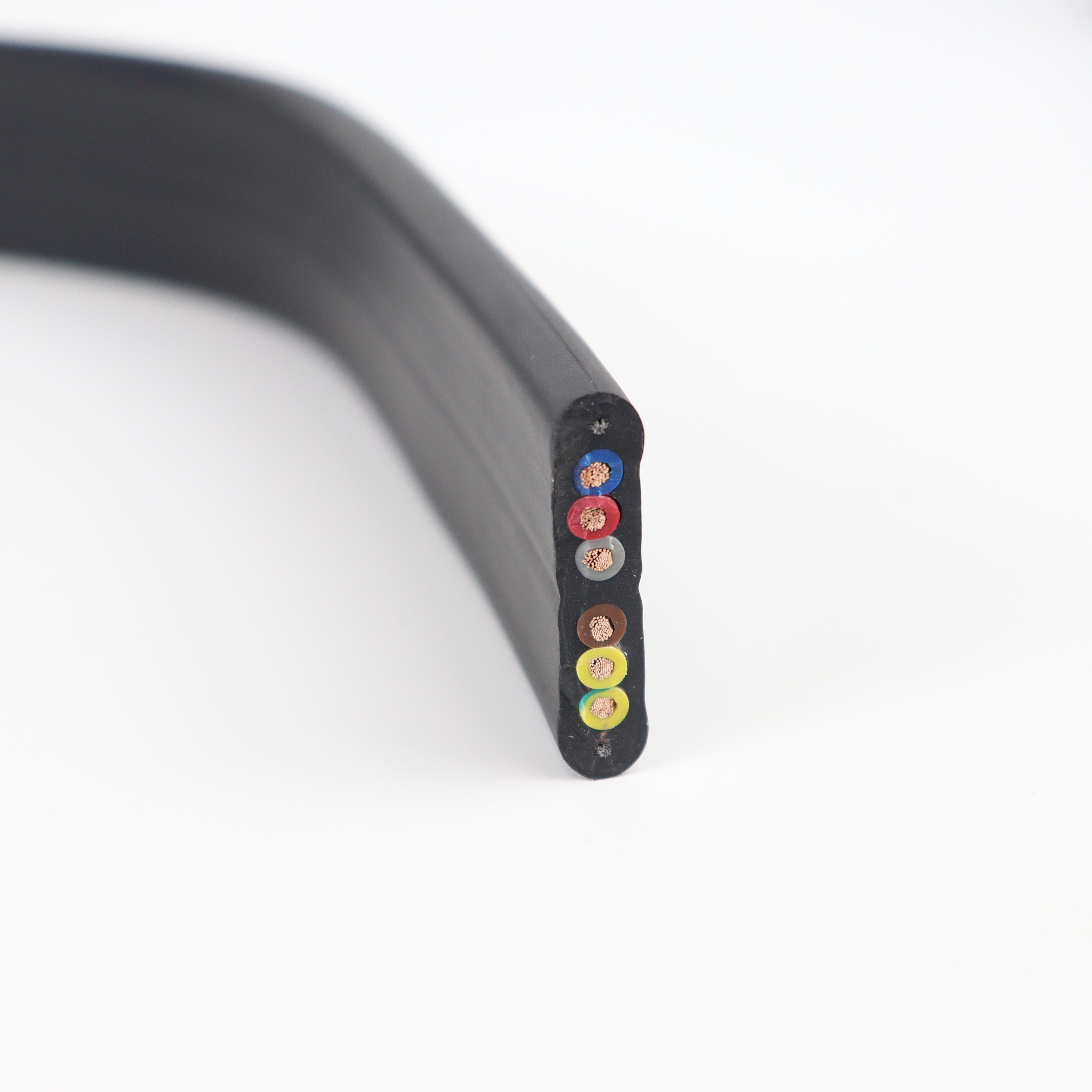
A copper welding cable is a flexible electrical cable designed to carry current between a welding power source, electrode holder, work clamp, and grounded workpiece. A copper welding cable supports stable arc starting and consistent current flow during manual, automated, and portable welding operations. Its main conductor uses finely stranded copper, which combines strong electrical conductivity with the flexibility needed for repeated movement. A copper welding cable also uses a durable insulating jacket that helps protect the conductor from abrasion, moisture, oil, sparks, and common workshop conditions. The design allows a copper welding cable to handle demanding current loads while remaining easier to route than rigid power cable. Depending on size, length, and insulation rating, a copper welding cable can serve compact repair sets, production welding stations, construction equipment, shipyards, vehicle workshops, and maintenance teams. A copper welding cable is available in several conductor gauges to match output requirements, duty cycles, and installation distances. Larger sizes reduce voltage loss over longer runs, while smaller sizes improve portability for lower-current equipment. Many products include sunlight-resistant or flame-retardant jackets for outdoor and industrial use. A copper welding cable may also feature finely stranded construction, strong color coding, and smooth insulation that simplifies handling. Buyers should compare current capacity, cable length, jacket material, temperature range, connector compatibility, and certification before purchase. Choosing the correct copper welding cable improves equipment performance, reduces overheating risk, and supports safer, more productive welding work.
The first advantage of a copper welding cable is reliable current delivery. Copper creates low electrical resistance, so the welding machine can transfer power efficiently to the arc. A copper welding cable helps maintain a steady arc, which supports cleaner beads, fewer restarts, and more consistent results. This benefit matters when operators work with thick metal, long leads, or equipment that runs for extended periods. A copper welding cable also bends easily because its conductor contains many fine strands. Workers can position the lead around benches, vehicles, frames, and jobsite obstacles without fighting a stiff line. Flexible handling reduces setup time and makes daily work less tiring. A copper welding cable with a tough jacket provides useful protection against dragging, impact, sparks, oil, and moisture. That protection helps extend service life and limits replacement costs in busy shops. Buyers can select a copper welding cable by amperage, length, and conductor size, making it suitable for both light repair work and high-output production. Correct sizing helps prevent excessive heat, unwanted voltage drop, and reduced welding quality. A copper welding cable also works well with common electrode holders, ground clamps, welding generators, and inverter machines, giving users practical equipment compatibility. Outdoor crews benefit from jacket materials that resist sunlight and changing weather, while indoor users can choose a lighter design for frequent repositioning. Compared with less conductive alternatives, a copper welding cable can offer better energy transfer and a more responsive arc. The purchase decision should still consider duty cycle, storage conditions, connector type, and required certification. In practical terms, the right copper welding cable improves handling, supports dependable output, and delivers value through longer working life and fewer interruptions.

Practical Tips

Shanghai Libin Cable Showcases Robot and Automation Cable Solutions at CMES Shanghai Industrial Automation & Robotics Exhibition

16

Oct

Shanghai Libin Cable Showcases Robot and Automation Cable Solutions at CMES Shanghai Industrial Automation & Robotics Exhibition

View More
Shanghai Libin Cable Showcases Crane Cable Solutions at the 11th China (Changyuan) International Crane Equipment Expo

16

Oct

Shanghai Libin Cable Showcases Crane Cable Solutions at the 11th China (Changyuan) International Crane Equipment Expo

View More
Why Drag Chain Cables Fail: Four Common Causes and How to Select Correctly

16

Oct

Why Drag Chain Cables Fail: Four Common Causes and How to Select Correctly

View More
Industrial Robot Combination Cable: Routing Power and Signal Together in a Small-Bend-Radius Drag Chain

16

Oct

Industrial Robot Combination Cable: Routing Power and Signal Together in a Small-Bend-Radius Drag Chain

View More

Get a Free Quote

Our representative will contact you soon.
0/1000
High Conductivity for Stable Welding Output

High Conductivity for Stable Welding Output

A copper welding cable uses copper strands to move electrical power with low resistance. This construction helps the welding source deliver current efficiently, so the arc starts more easily and remains steadier during operation. A copper welding cable is especially useful when the lead is long, the workpiece is thick, or the machine operates near its rated output. Stable power gives operators better control over penetration, bead shape, and overall finish. It can also reduce energy wasted as heat inside the cable. For buyers, this means more predictable results and less time spent correcting weak arcs or inconsistent welds. A copper welding cable supports stick, MIG, TIG, and general power connections when its size matches the equipment requirements. Selecting the proper gauge remains important because even a highly conductive material cannot compensate for an undersized lead. When correctly specified, the cable helps welding equipment perform as intended across repair shops, fabrication areas, farms, and construction sites. The result is dependable output that supports productivity without demanding complicated operating changes.
Flexible Stranded Construction for Easier Handling

Flexible Stranded Construction for Easier Handling

The fine-strand design of a copper welding cable gives it the flexibility required for active welding work. Unlike a stiff solid conductor, a copper welding cable can bend around machinery, corners, vehicles, and work tables with less effort. Operators can reposition the lead quickly as the job changes, which shortens setup time and reduces physical strain. This flexibility also helps prevent sharp bends that may damage insulation or stress connection points. A copper welding cable is valuable for mobile generators, field repairs, maintenance crews, and compact workshops where storage space is limited. Its manageable form makes coiling and carrying simpler between tasks. Flexible construction does not remove the need for proper storage; users should avoid tight knots, crushing, and contact with hot surfaces. With sensible handling, the cable remains easier to use throughout repeated work cycles. Buyers gain a practical balance between electrical performance and movement, allowing the same product to support changing work positions. This makes a copper welding cable a smart choice when portability, quick deployment, and operator comfort matter as much as current capacity.
Durable Protection for Demanding Work Areas

Durable Protection for Demanding Work Areas

A protective jacket gives a copper welding cable the strength needed for workshops, construction sites, yards, and outdoor maintenance. The jacket helps shield the conductor from abrasion, sparks, light moisture, oil, and everyday dragging across floors or platforms. A copper welding cable with quality insulation can continue serving reliably when users follow its temperature, voltage, and current limits. This protection helps reduce premature failures, unexpected downtime, and frequent replacement purchases. Some jacket materials resist sunlight, flame, or harsh weather, making them better suited to exposed work areas. A copper welding cable may also use a visible color that makes identification easier and helps workers spot damage during routine checks. Buyers should inspect the jacket, connector ends, and bend areas regularly, especially after heavy use. This simple practice supports safer operation and extends useful life. Durable construction creates value beyond the initial purchase because it protects the conductive core and supports dependable daily performance. For users who need a cable that can move between indoor and outdoor tasks, the right jacket specification provides confidence, practical resilience, and lower maintenance demands.