Flexible Welding Cable for Reliable Power

application/flexible-welding-cable, application/flexible-welding-cable, 
Inquiry
Inquiry

flexible welding cable

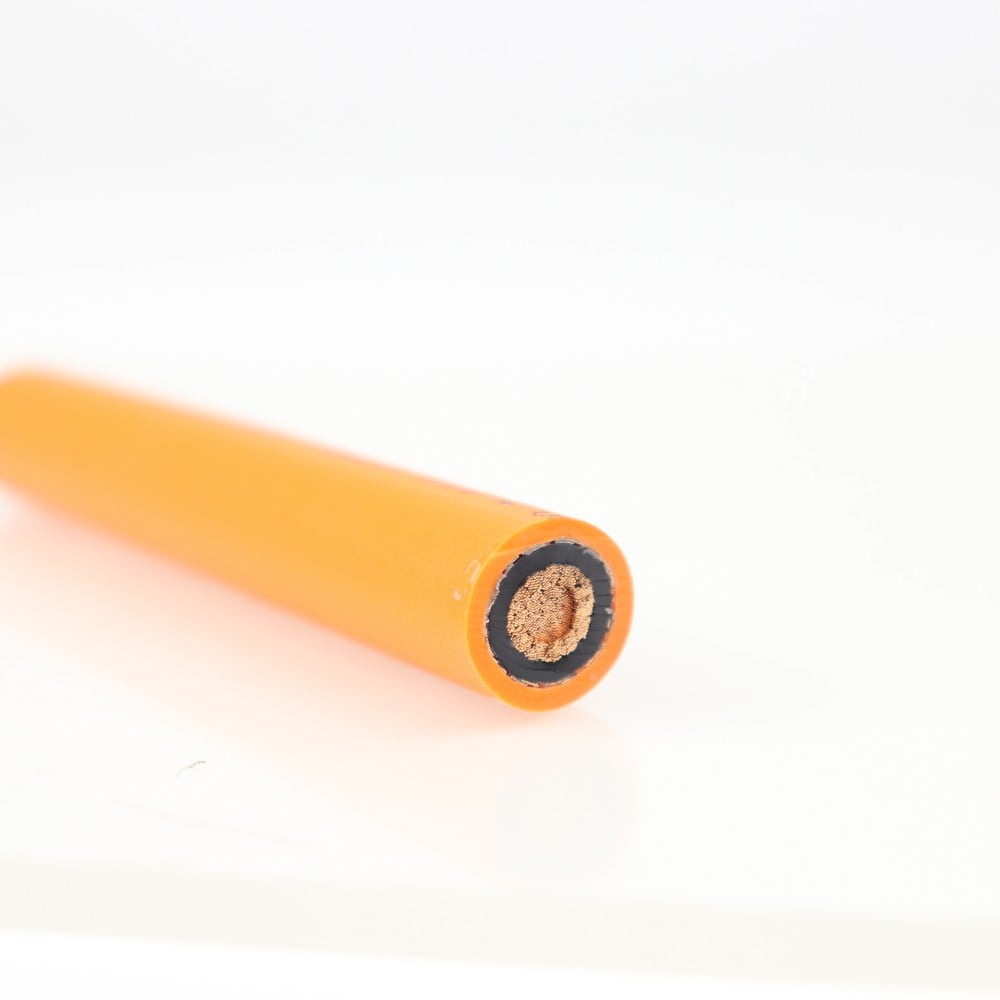
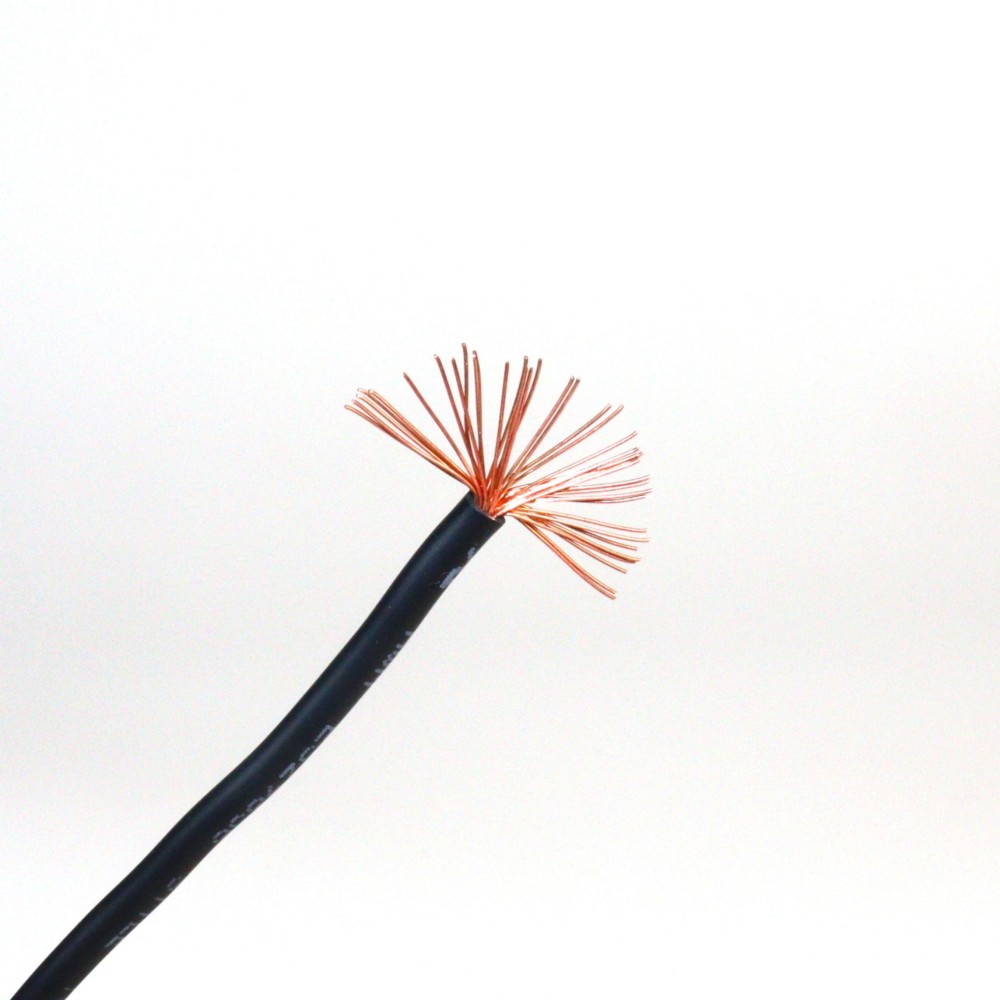
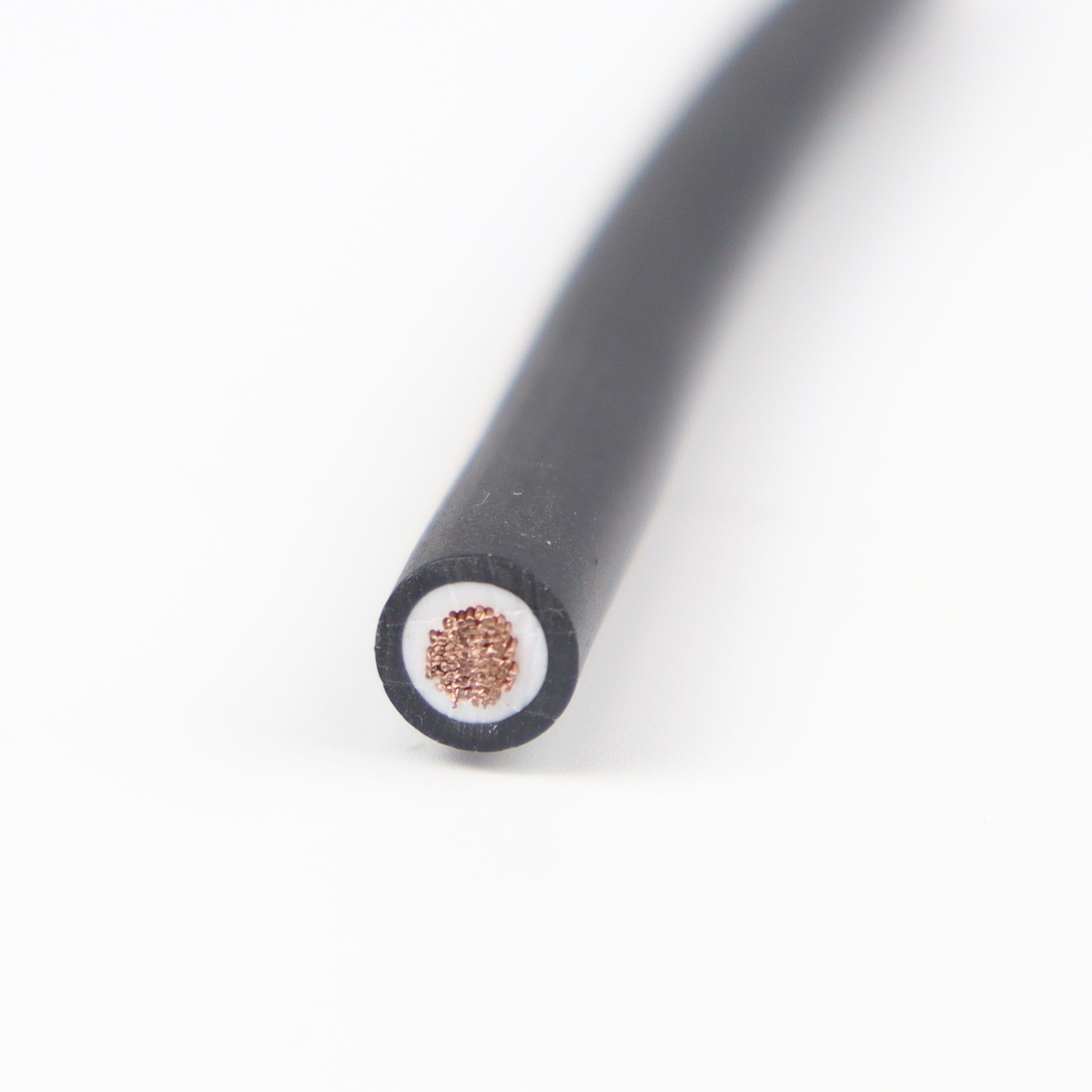
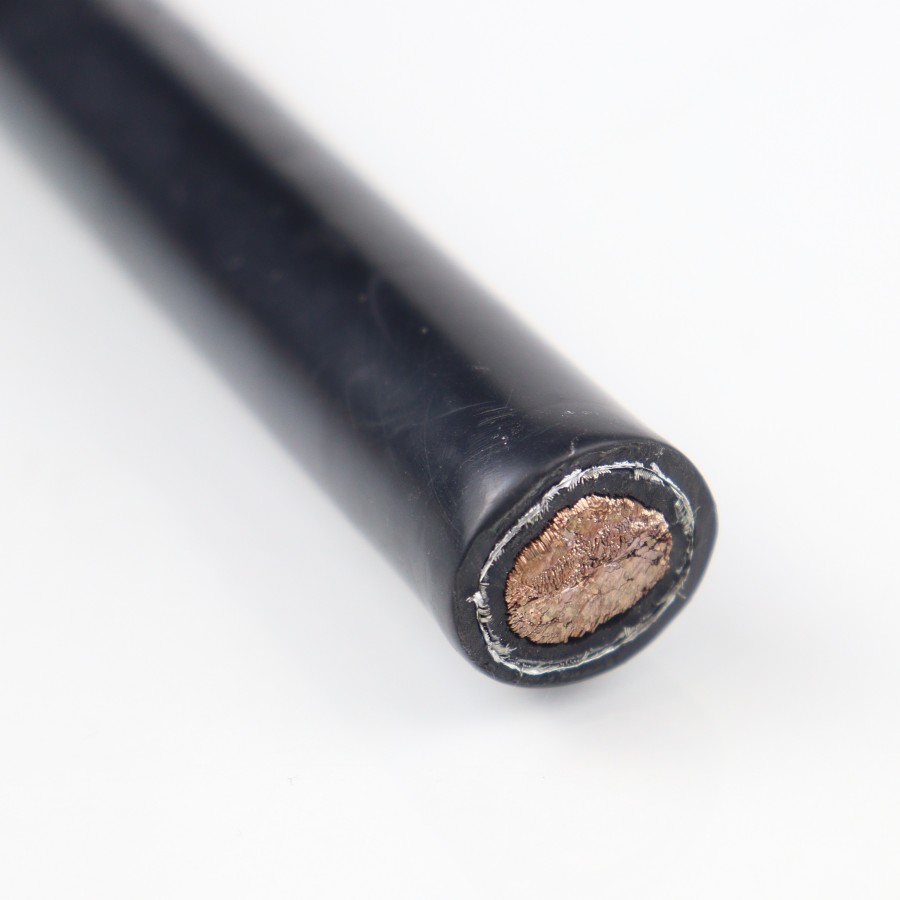
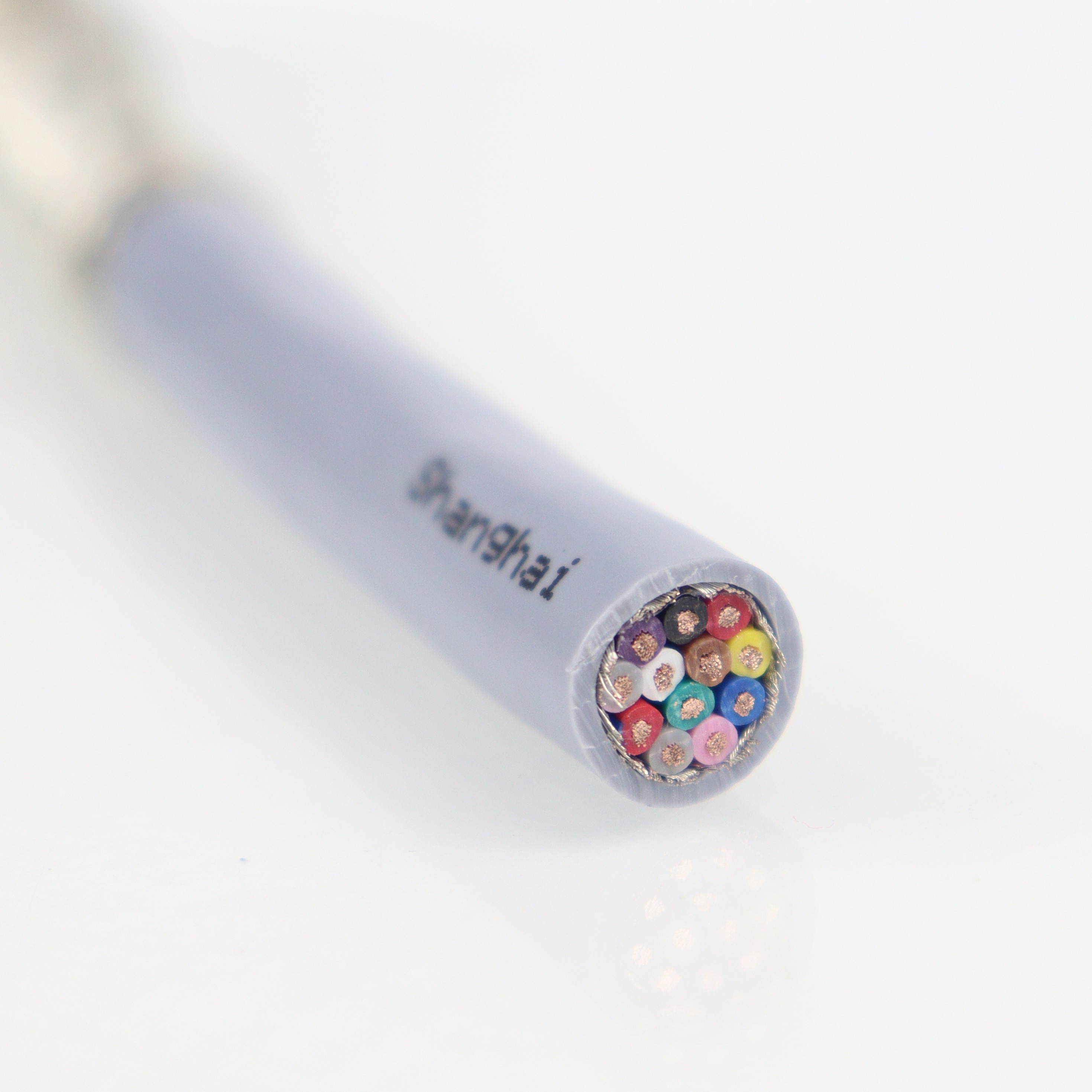
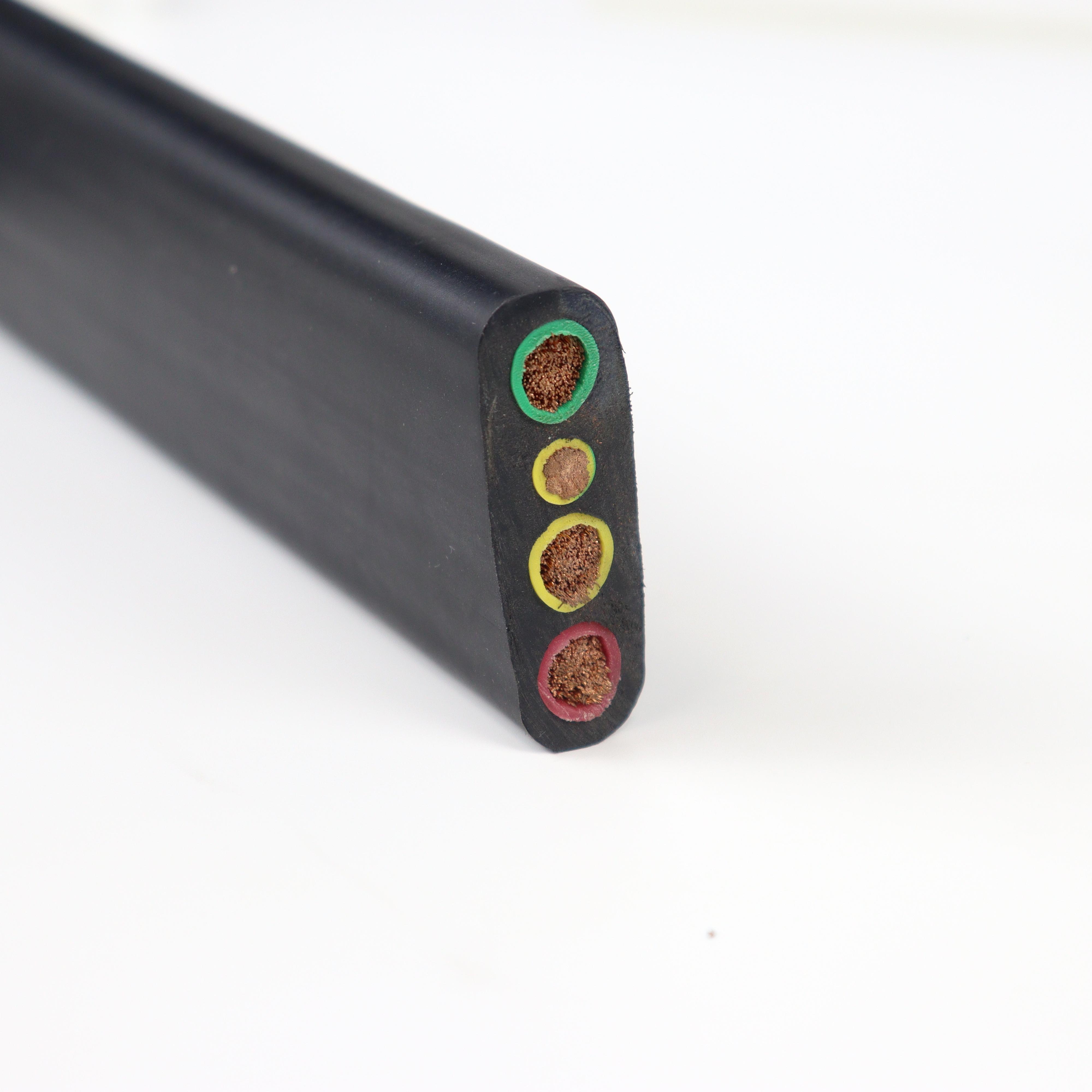
Flexible welding cable is a heavy-duty electrical cable designed to carry welding current safely between a welding power source and the electrode holder, work clamp, or automated welding equipment. Unlike rigid power cable, flexible welding cable bends easily, allowing operators to move around a job without fighting stiff leads. Its main function is to provide a stable path for high current while tolerating repeated movement, contact with work surfaces, and demanding site conditions. A flexible welding cable commonly uses finely stranded copper conductors. The fine strands give the cable its bendable character and help maintain reliable conductivity. A thick rubber, thermoplastic rubber, or other tough insulating jacket protects the conductor from abrasion, heat, oil, moisture, sparks, and occasional impact. The flexible welding cable can also include clear size markings, strong outer coloring, and cut-to-length options that simplify installation and replacement. Correct cable size matters because it controls current capacity, voltage loss, operating temperature, and overall service life. A longer run or higher amperage usually requires a larger conductor. The flexible welding cable suits manual arc welding, MIG welding, TIG welding, grounding connections, welding generators, and portable power units. It also supports robotic cells, shipyards, steel fabrication, vehicle repair, construction, and maintenance work. Buyers should confirm amperage, duty cycle, length, connector type, jacket rating, and local safety requirements before ordering. With the right specification, flexible welding cable delivers dependable power, practical mobility, and safer day-to-day welding performance.
The main advantage of flexible welding cable is easier handling. Workers can route the lead around benches, frames, vehicles, and large structures without excessive force. The flexible welding cable reduces pulling resistance, so operators spend less time repositioning equipment and more time completing useful work. This mobility is especially valuable when one power source serves several work areas. Fine-stranded copper carries current efficiently and supports smooth arc performance when the cable matches the required amperage and length. A properly selected flexible welding cable helps limit unwanted voltage drop, reduces heat buildup, and supports consistent weld quality. It also makes the power system easier to manage during long shifts. A durable jacket protects the internal conductor from common workplace hazards. Resistance to abrasion, oil, moisture, sparks, and moderate heat can reduce premature failures caused by dragging or rough surfaces. This protection gives buyers longer replacement intervals and more predictable maintenance costs. The flexible welding cable is suitable for permanent shop stations as well as portable equipment because it combines electrical performance with easy movement. In construction and repair work, its bendability helps crews work in tight or changing spaces. In fabrication plants, it supports organized cable routing and quick equipment changes. In automated applications, the correct version can withstand repeated flexing when the manufacturer approves it for that motion. Buyers should compare conductor size, duty cycle, temperature rating, jacket material, length, and connector compatibility rather than choosing by appearance alone. A longer cable may improve reach but can need a larger size to preserve performance. Choosing the right flexible welding cable improves operator comfort, equipment reliability, workplace efficiency, and total value over the product life.

Practical Tips

Shanghai Libin Cable Showcases Robot and Automation Cable Solutions at CMES Shanghai Industrial Automation & Robotics Exhibition

16

Oct

Shanghai Libin Cable Showcases Robot and Automation Cable Solutions at CMES Shanghai Industrial Automation & Robotics Exhibition

View More
Shanghai Libin Cable Showcases Crane Cable Solutions at the 11th China (Changyuan) International Crane Equipment Expo

16

Oct

Shanghai Libin Cable Showcases Crane Cable Solutions at the 11th China (Changyuan) International Crane Equipment Expo

View More
Why Drag Chain Cables Fail: Four Common Causes and How to Select Correctly

16

Oct

Why Drag Chain Cables Fail: Four Common Causes and How to Select Correctly

View More
Industrial Robot Combination Cable: Routing Power and Signal Together in a Small-Bend-Radius Drag Chain

16

Oct

Industrial Robot Combination Cable: Routing Power and Signal Together in a Small-Bend-Radius Drag Chain

View More

Get a Free Quote

Our representative will contact you soon.
0/1000
Fine-Stranded Copper for Smooth Movement

Fine-Stranded Copper for Smooth Movement

A key selling point of flexible welding cable is its fine-stranded copper core. Many thin copper strands work together instead of relying on a few thick wires, allowing the lead to curve, coil, and move with much less resistance. This design helps the flexible welding cable follow an operator across a work area without creating sharp kinks or difficult bends. Copper also provides strong electrical conductivity, helping transfer welding current efficiently when the conductor size matches the machine and duty cycle. For customers, the practical value is simple: easier positioning, less strain during handling, and a more stable connection at the work point. The design suits welding carts, portable generators, repair bays, and production stations where leads move frequently. It can also simplify storage because the cable coils more readily after use. Buyers should still select the correct gauge for current demand and run length, but fine stranding provides the flexibility and daily usability that make this cable a dependable choice.
Tough Protection for Demanding Worksites

Tough Protection for Demanding Worksites

The outer jacket gives flexible welding cable an important advantage beyond electrical insulation. A quality jacket helps protect the conductor from dragging, sparks, moisture, oil, sunlight, and contact with rough metal edges. This protection allows the flexible welding cable to perform in workshops, construction zones, shipyards, maintenance areas, and vehicle repair facilities where conditions change throughout the day. A tough jacket can reduce cuts, cracking, and exposure-related failures, helping customers avoid unexpected downtime and frequent replacement. Bright colors or printed markings may also make the lead easier to identify, inspect, and organize around busy equipment. Depending on the product, the jacket may use rubber or a flexible thermoplastic material selected for movement and environmental resistance. Customers should review the stated temperature, abrasion, chemical, and flame properties rather than assuming every product offers the same protection. When the jacket matches the workplace, the flexible welding cable provides a practical balance of safety, service life, visibility, and lower maintenance effort.
Reliable Reach for Portable and Fixed Systems

Reliable Reach for Portable and Fixed Systems

Flexible welding cable supports both mobile and stationary welding systems, making it useful for buyers with varied equipment needs. On a portable rig, the flexible welding cable gives operators enough reach to work around a vehicle, structural frame, pipe, or large fabrication piece without moving the power source repeatedly. At a fixed station, it can connect the machine to a holder, clamp, work table, or grounding point while remaining easy to route and replace. This broad application range helps standardize supplies across repair teams, workshops, contractors, and industrial plants. The flexible welding cable can be ordered in different conductor sizes, lengths, connector arrangements, and jacket styles, so customers can match it to current, duty cycle, distance, and working conditions. Correct sizing supports safe temperature control and reduces avoidable power loss. The result is a practical cable choice that improves reach, simplifies equipment setup, and supports efficient work across changing job locations.