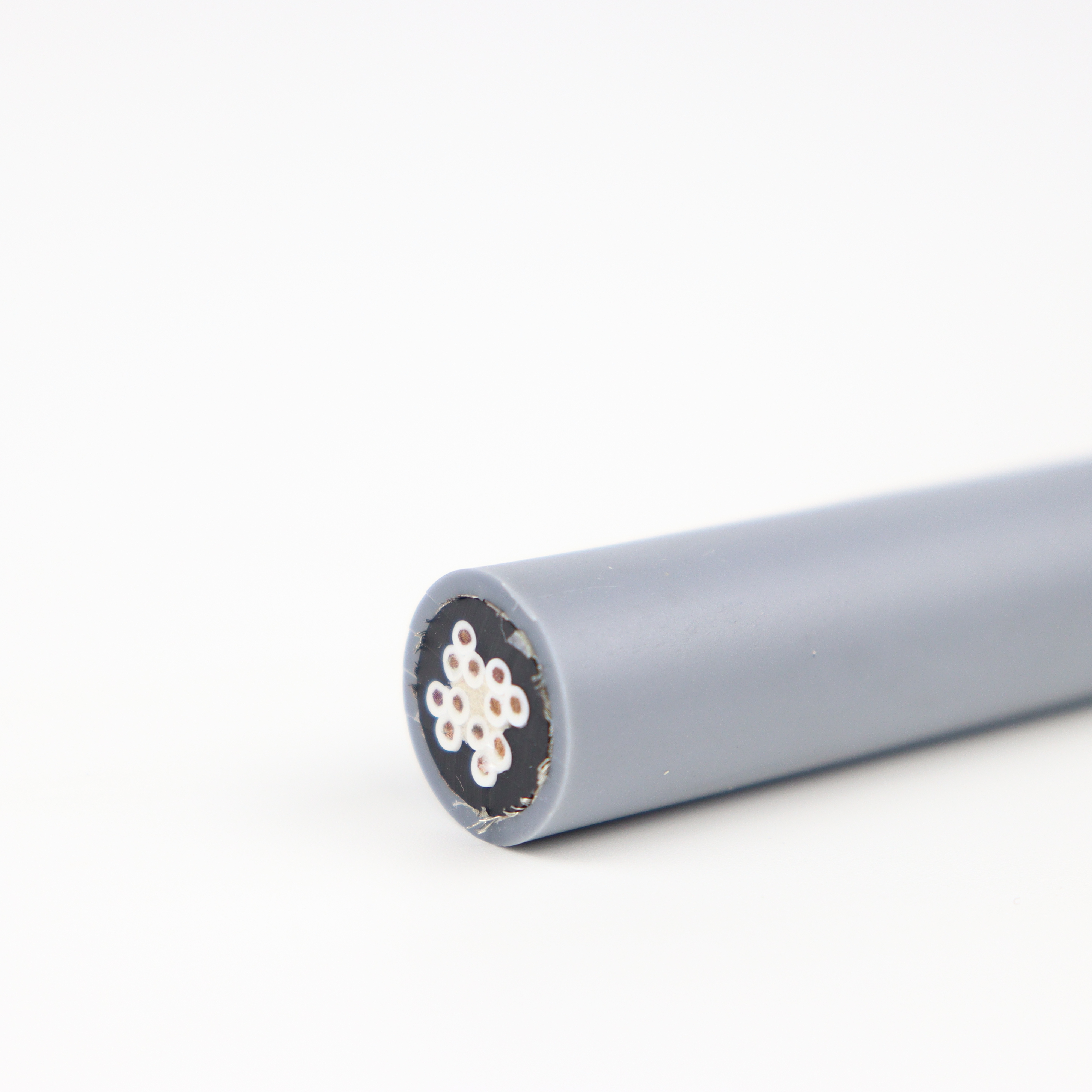
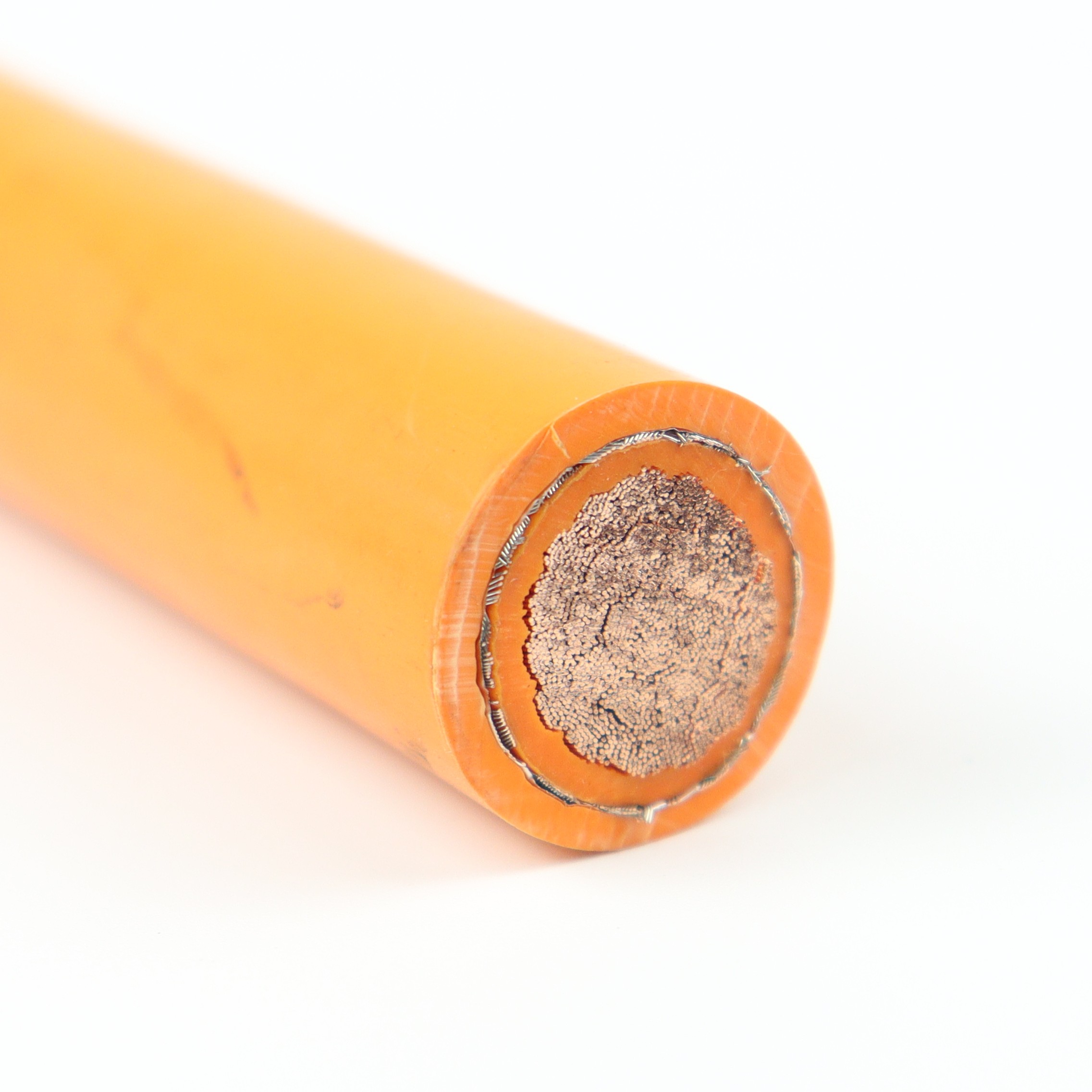
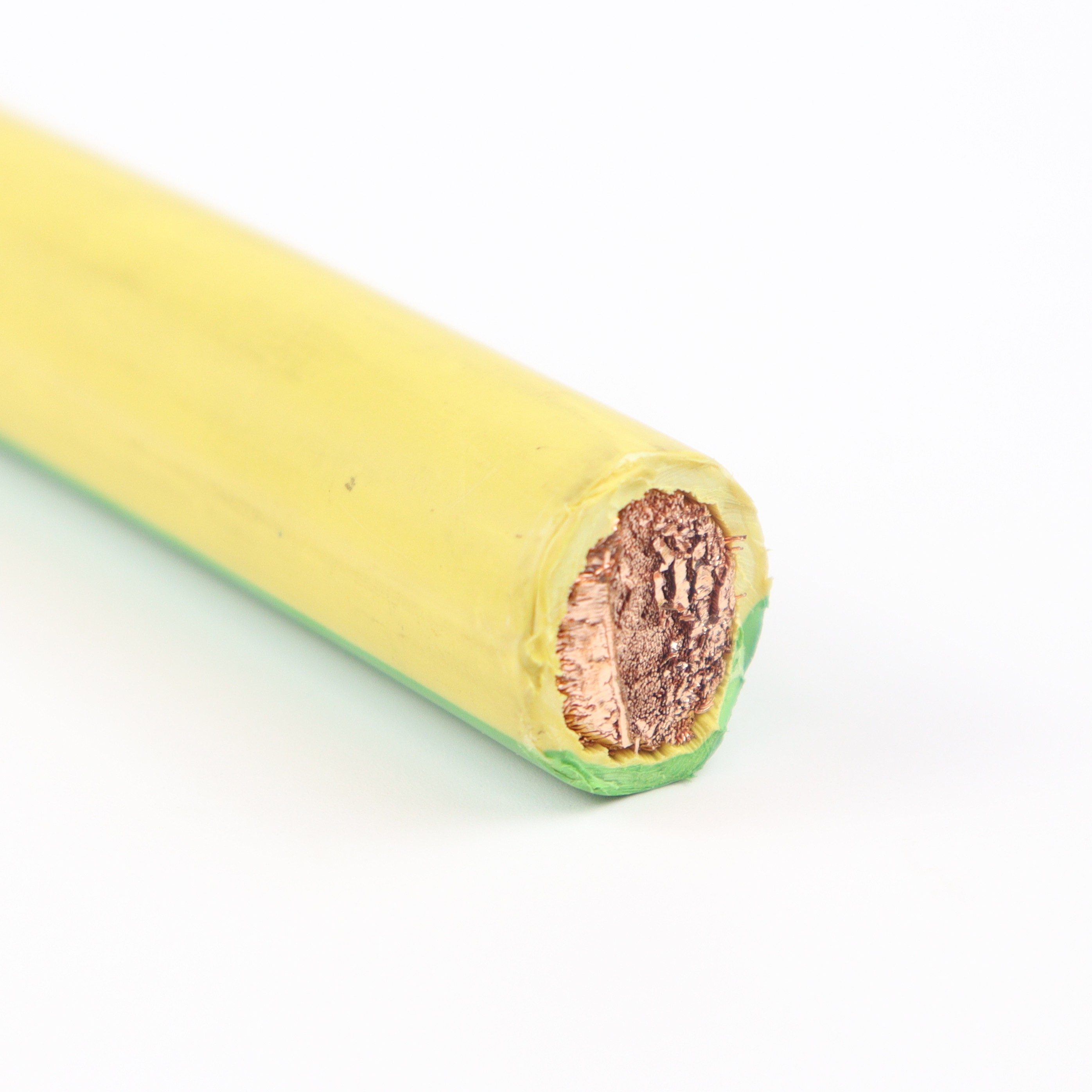
welding machine cable price
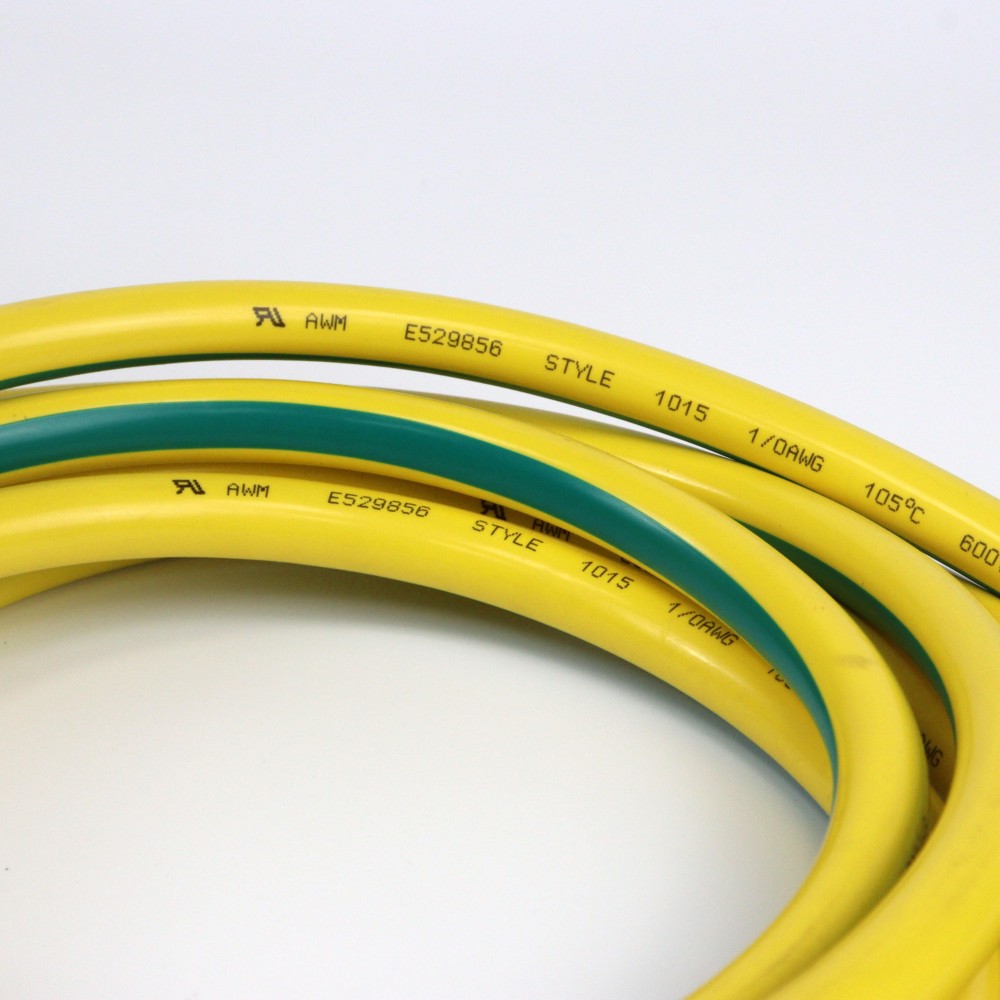
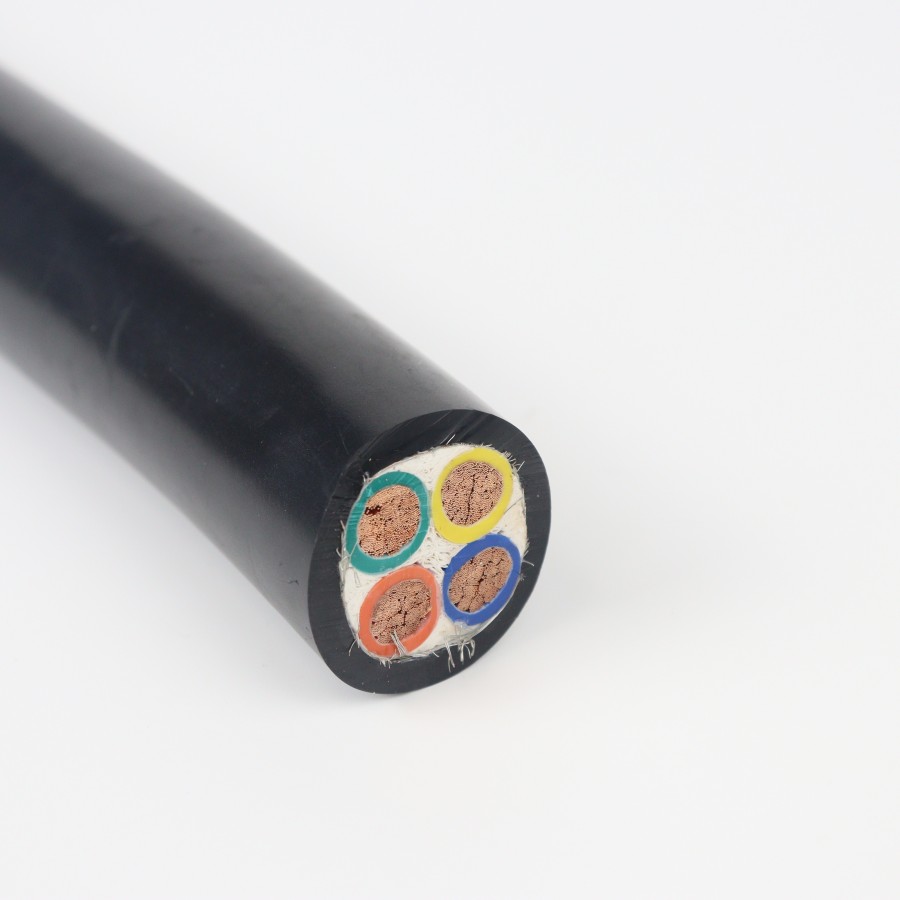
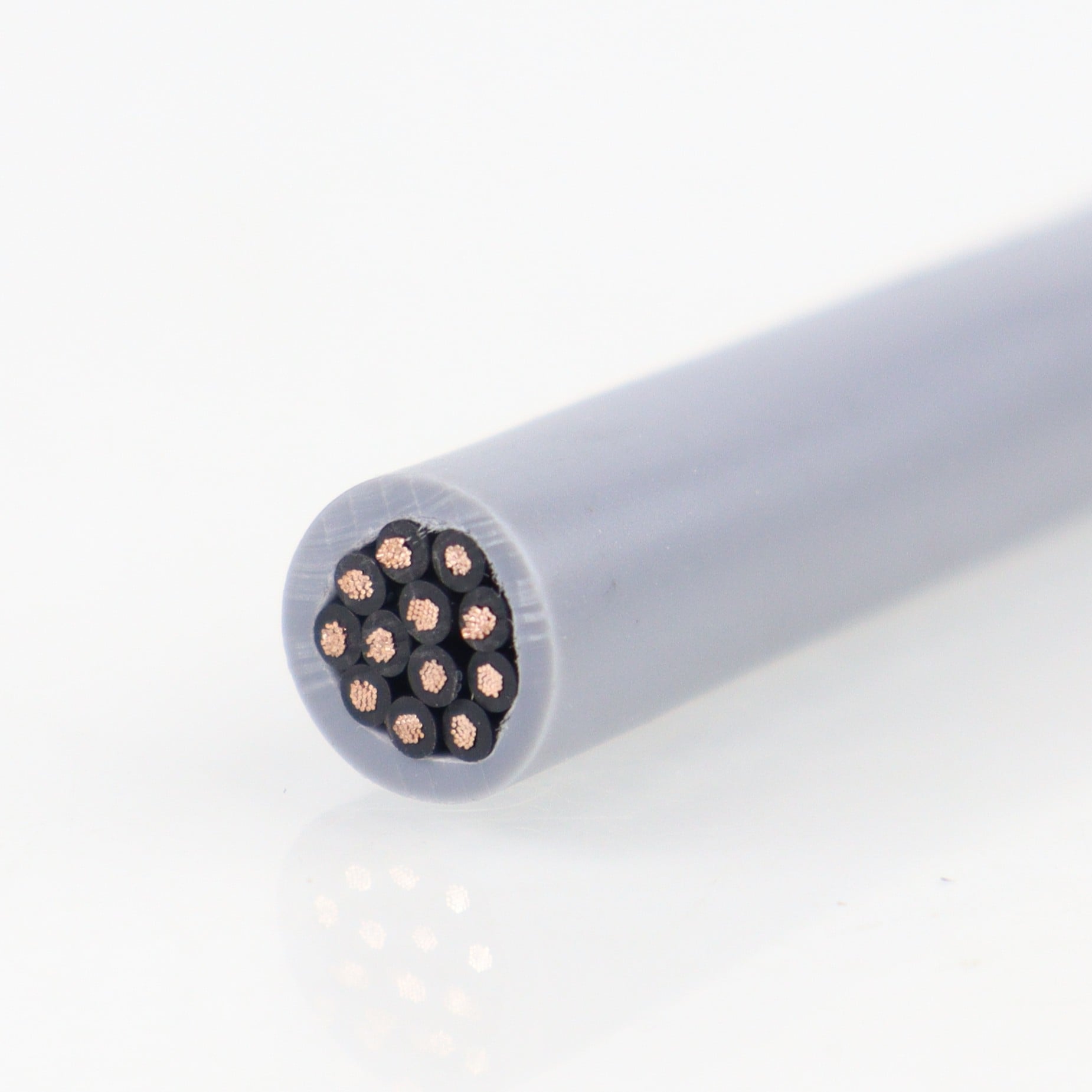
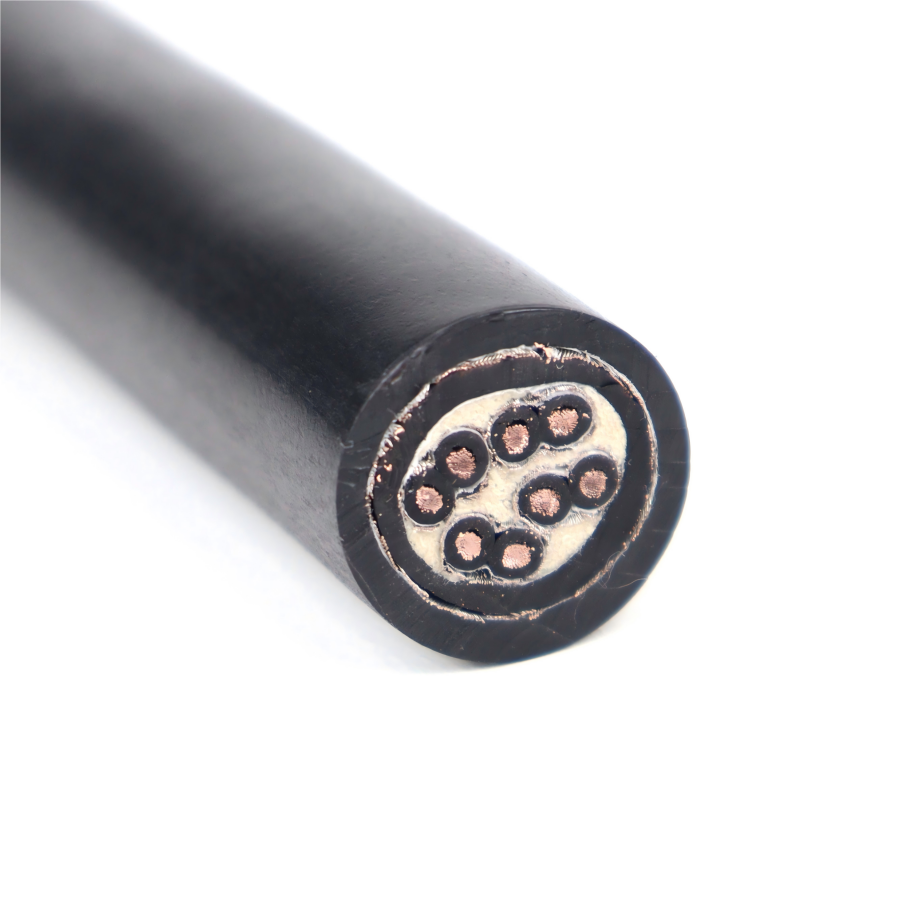
The welding machine cable price reflects the cable's size, construction, current capacity, insulation quality, flexibility, and expected service life. A welding cable transfers electrical current from the welding power source to the electrode holder, work clamp, or torch. Its main function is to maintain a stable connection while the operator creates an arc. When reviewing the welding machine cable price, buyers should first match the cable gauge to the machine output and cable length. A cable that is too small can heat up, waste power, and create a safety concern. A properly selected cable keeps current flow steady and supports cleaner welds. The welding machine cable price also changes with conductor material. Flexible copper usually offers excellent conductivity and easy handling, while aluminum can reduce weight and initial cost in some setups. The welding machine cable price often includes insulation designed to resist abrasion, oil, moisture, heat, and sparks. Strong outer jackets help the lead survive workshop floors, outdoor sites, and repeated movement. Technological features may include fine-strand construction, reinforced ends, high-temperature rubber, color coding, and molded connectors. These features improve flexibility, reduce connection faults, and simplify installation. In practical buying, the welding machine cable price should be judged against working conditions rather than cost alone. For light repair work, a shorter standard lead may provide good value. For fabrication shops, shipyards, construction projects, and maintenance teams, a heavier cable can deliver better reliability. The right welding machine cable price balances performance, safety, durability, and total ownership cost.