Direct Wire Welding Cable | Reliable Power

application/direct-wire-welding-cable, application/direct-wire-welding-cable, 
Inquiry
Inquiry

direct wire welding cable

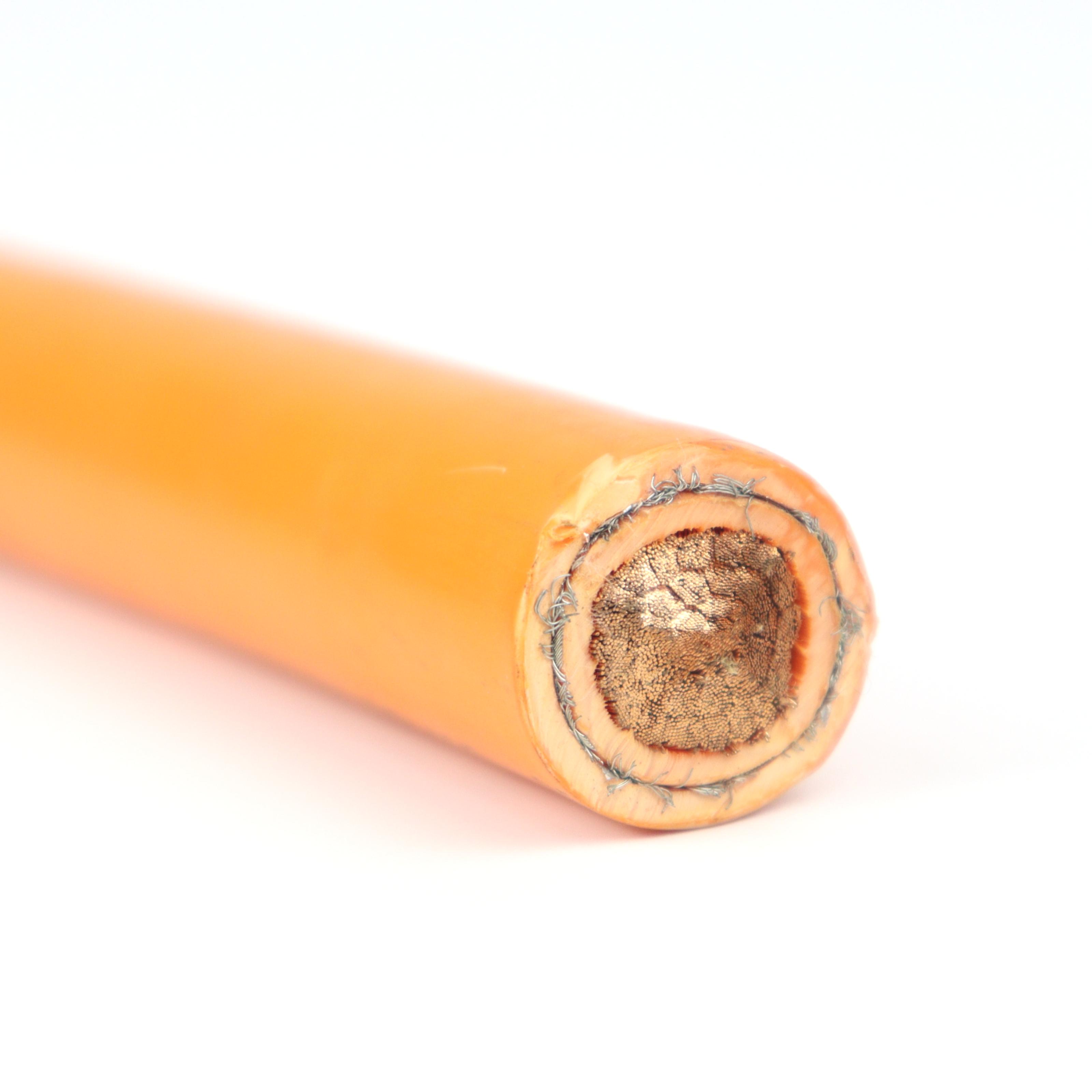
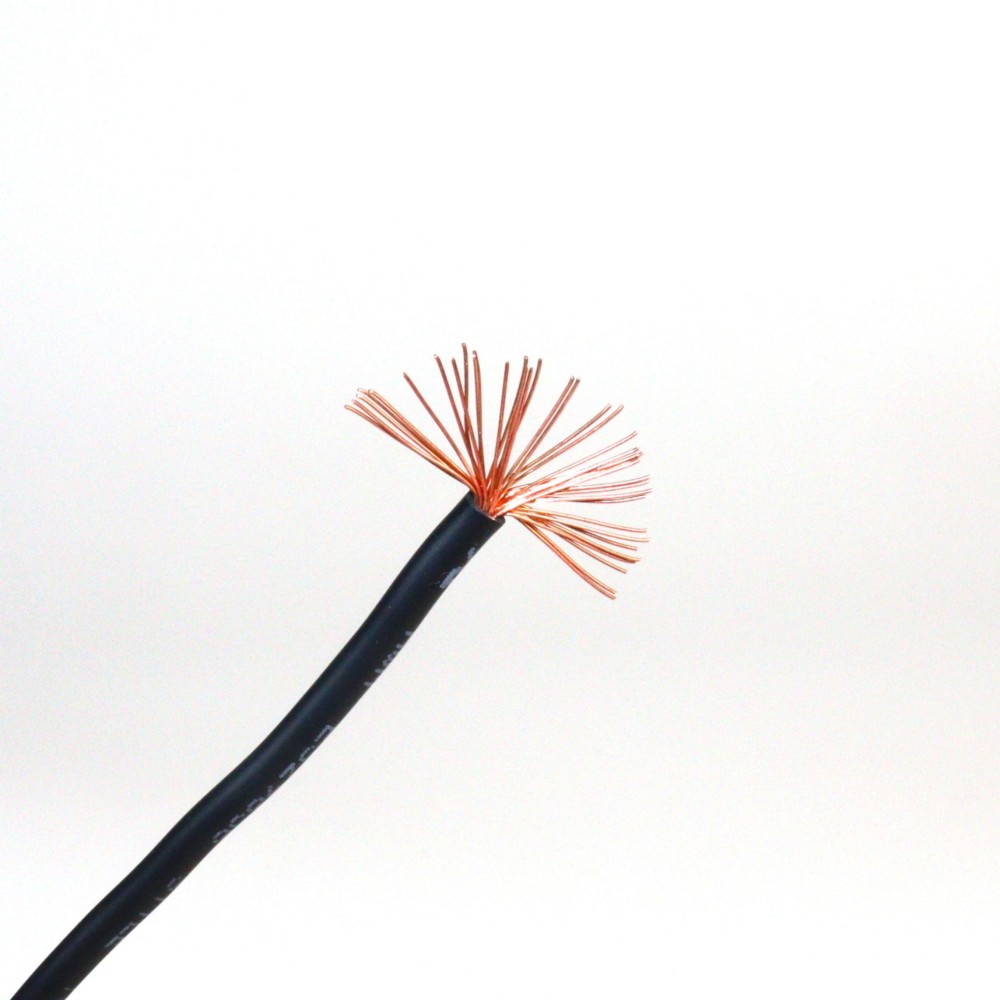
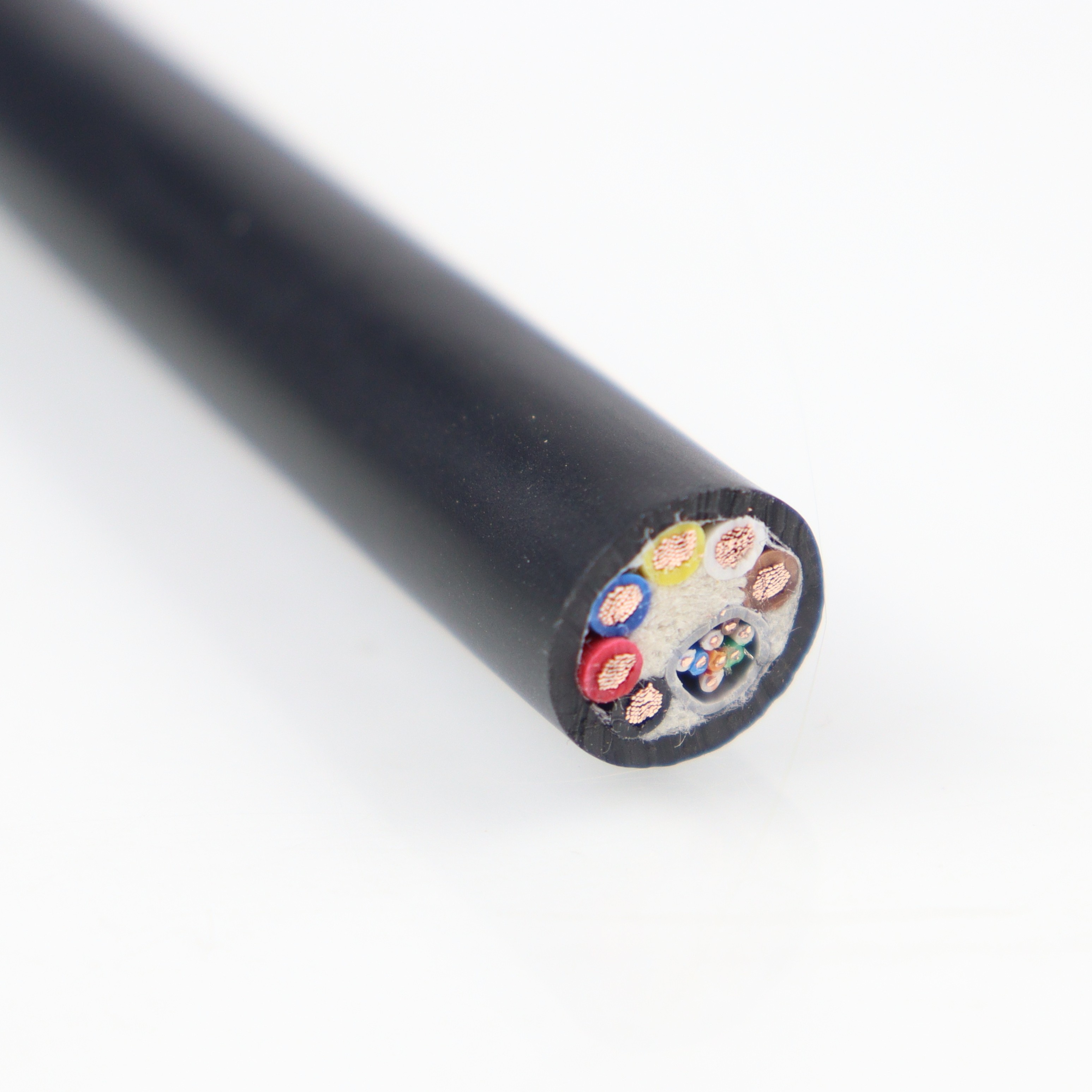
A direct wire welding cable is a flexible electrical cable designed to carry welding current from a welding machine to the electrode holder, torch, or work clamp. It creates a stable path for power, helping the operator produce a consistent arc and a clean weld. The direct wire welding cable also supports the return circuit, so current can travel safely through the workpiece and back to the welding equipment. Its main functions include power transfer, circuit connection, movement support, and electrical protection during demanding welding tasks. A typical direct wire welding cable uses finely stranded copper conductors to combine strong conductivity with flexibility. The conductor is covered by thick rubber or thermoplastic insulation that resists abrasion, oil, moisture, heat, and sparks. This construction allows the direct wire welding cable to bend around equipment, reach tight work areas, and withstand repeated handling. Many designs include reinforced outer jackets, clear size markings, and flexible insulation that remains workable in changing temperatures. The direct wire welding cable is available in different conductor sizes and lengths to match current ratings, distance requirements, and equipment connections. Proper sizing helps limit voltage loss and overheating. Industrial models may also include strong terminals, protective boots, and highly visible jackets for easier inspection. The direct wire welding cable suits manual welding, automated lines, repair stations, fabrication shops, shipyards, construction sites, and maintenance operations. Buyers should compare amperage capacity, cable length, jacket material, connector type, flexibility, and working environment before choosing a model. A correctly matched direct wire welding cable improves electrical safety, arc stability, and daily productivity without complicating equipment setup.
The main advantage of a direct wire welding cable is dependable power delivery. It helps the welder maintain a steady arc, which supports smoother starts, even heat, and more uniform welds. A properly selected direct wire welding cable can also reduce energy loss across the connection, especially when the cable length and conductor size match the welding machine. This practical benefit may improve equipment efficiency and reduce wasted material caused by unstable performance. Flexibility adds another important advantage. The direct wire welding cable can move around benches, frames, vehicles, and large structures without forcing the operator to reposition the power source constantly. Easier handling reduces strain and helps workers reach awkward joints more comfortably. A flexible cable also supports faster setup and fewer interruptions during repeated welding cycles. Durable insulation protects the direct wire welding cable from sparks, rough floors, metal edges, moisture, and common workshop chemicals. That protection extends service life and lowers the chance of premature replacement. Strong outer jackets also make the direct wire welding cable more suitable for construction, outdoor repair, and heavy fabrication areas where equipment receives hard use. Buyers gain useful installation choice because the direct wire welding cable comes in several lengths, sizes, and connection options. Shorter versions help control clutter in compact workstations, while longer versions provide reach around tanks, frames, and production assemblies. High-capacity options support demanding welding output, while lighter options improve portability for mobile repairs. Clear markings can simplify inspection and inventory control. Before purchase, users should confirm current capacity, connector compatibility, temperature range, and required flexibility. The right direct wire welding cable supports safer operation, reliable weld quality, easier movement, and better long-term value. It also helps standardize workstations because replacement cables can match existing machines and accessories. In practical terms, the direct wire welding cable is a simple component that can influence uptime, operator comfort, maintenance frequency, and overall welding results.

Latest News

Shanghai Libin Cable Showcases Robot and Automation Cable Solutions at CMES Shanghai Industrial Automation & Robotics Exhibition

16

Oct

Shanghai Libin Cable Showcases Robot and Automation Cable Solutions at CMES Shanghai Industrial Automation & Robotics Exhibition

View More
Shanghai Libin Cable Showcases Crane Cable Solutions at the 11th China (Changyuan) International Crane Equipment Expo

16

Oct

Shanghai Libin Cable Showcases Crane Cable Solutions at the 11th China (Changyuan) International Crane Equipment Expo

View More
Why Drag Chain Cables Fail: Four Common Causes and How to Select Correctly

16

Oct

Why Drag Chain Cables Fail: Four Common Causes and How to Select Correctly

View More
Industrial Robot Combination Cable: Routing Power and Signal Together in a Small-Bend-Radius Drag Chain

16

Oct

Industrial Robot Combination Cable: Routing Power and Signal Together in a Small-Bend-Radius Drag Chain

View More

Get a Free Quote

Our representative will contact you soon.
0/1000
Stable Current for Consistent Weld Quality

Stable Current for Consistent Weld Quality

A key selling point of the direct wire welding cable is its ability to carry welding current with low resistance. Fine copper strands create a broad conductive path, helping the machine deliver power smoothly to the work area. This matters because an unstable connection can cause difficult arc starts, uneven penetration, spatter, and avoidable rework. The direct wire welding cable supports a more predictable welding process, allowing operators to focus on joint position and travel speed instead of constantly correcting power problems. Correct conductor size is essential: a larger cable can handle higher current and longer working distances without excessive heating. The direct wire welding cable therefore gives buyers a practical way to match cable performance with machine output. It suits routine repairs as well as production work where repeatable results matter. Better current transfer can also reduce wasted consumables and help protect connected equipment from stress caused by poor connections. For customers, the value is straightforward: more stable operation, fewer interruptions, and better control over finished welds.
Tough, Flexible Protection for Demanding Sites

Tough, Flexible Protection for Demanding Sites

The direct wire welding cable combines a flexible core with a protective outer jacket built for daily movement. Its stranded construction lets the cable bend and coil more easily than a rigid conductor, which helps workers position tools around frames, pipes, vehicles, and machinery. The direct wire welding cable can withstand contact with workshop floors, light dragging, sparks, and repeated handling when users select a jacket suited to the environment. Insulation may resist abrasion, moisture, oil, and heat, giving the cable a longer working life in fabrication shops, construction zones, and service vehicles. This protection reduces the risk of exposed conductors and unplanned shutdowns. A direct wire welding cable with a visible jacket can also make inspection easier, helping teams notice cuts, crushing, or other damage before use. Buyers benefit from less replacement work and a safer, more organized workspace. Flexible handling improves operator comfort as well, especially during long welds or jobs that require frequent repositioning. The result is a cable that supports mobility without sacrificing everyday durability.
Flexible Configurations for Different Equipment

Flexible Configurations for Different Equipment

Another important benefit of the direct wire welding cable is its range of configuration choices. Buyers can select conductor sizes, lengths, terminal styles, and jacket types according to the welding machine and jobsite. A compact direct wire welding cable works well at a fixed bench where excessive length would create clutter. A longer version helps operators reach large structures, vehicle bodies, tanks, or outdoor repair points without moving the power source repeatedly. Higher-capacity designs support stronger welding output, while lighter cables make mobile maintenance work easier to carry. The direct wire welding cable may also be supplied with compatible lugs, holders, clamps, or protective boots, simplifying replacement and installation. This choice helps users avoid paying for features they do not need while ensuring the cable meets electrical and physical demands. Compatibility checks remain important, including current rating, connector fit, insulation temperature, and working length. When these details match, the direct wire welding cable can improve setup speed, reduce connection errors, and support consistent performance across multiple workstations. It is a practical component for both specialized and general-purpose welding operations.