Industrial Welding Cable for Demanding Work

application/industrial-welding-cable, application/industrial-welding-cable, 
Inquiry
Inquiry

industrial welding cable

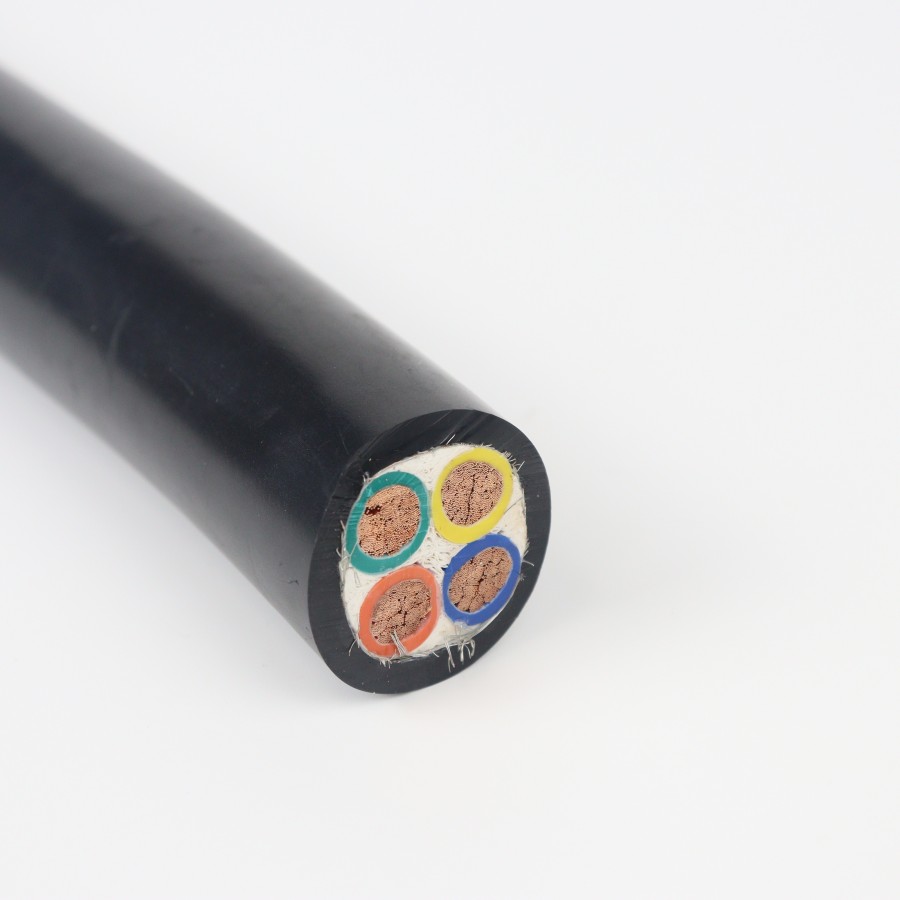
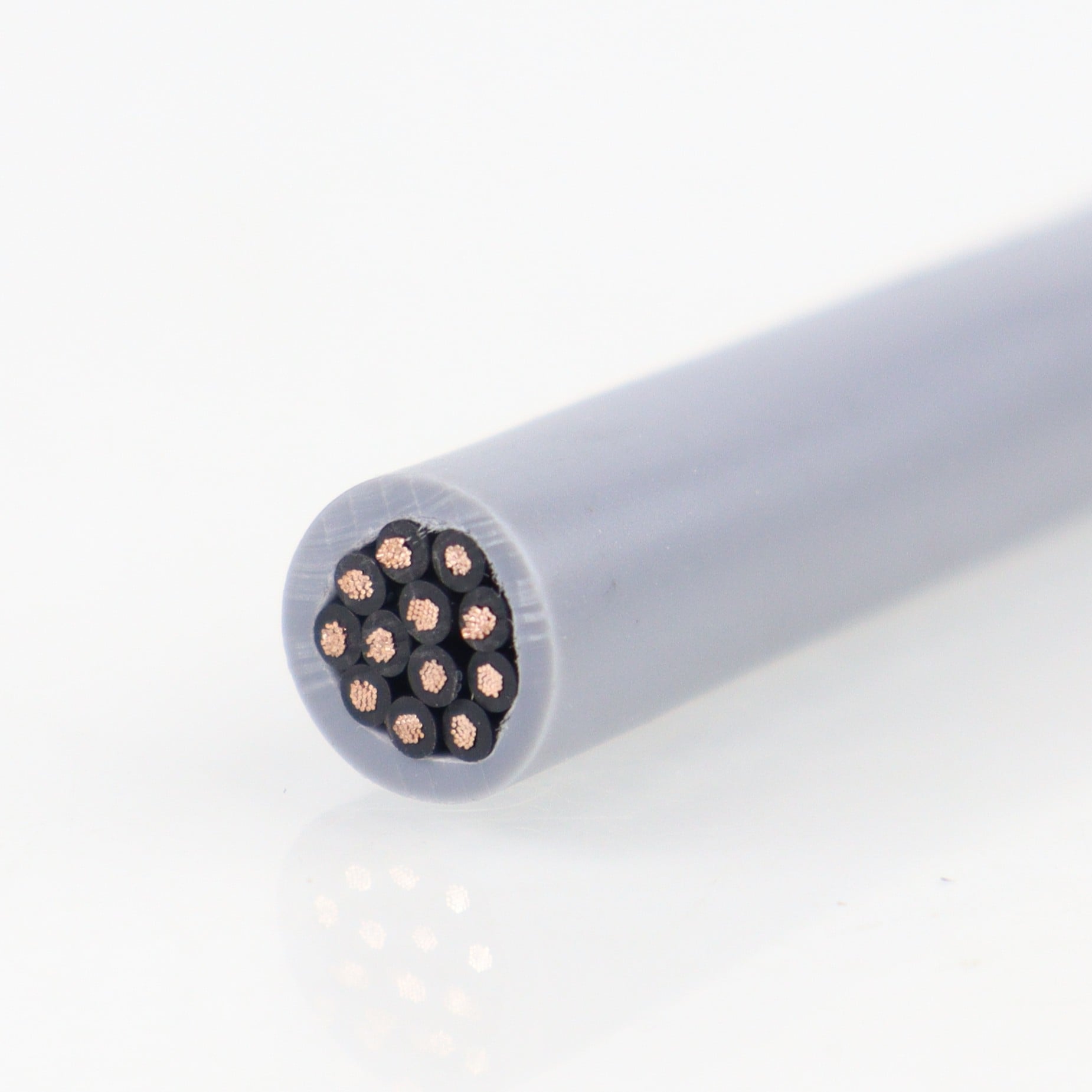
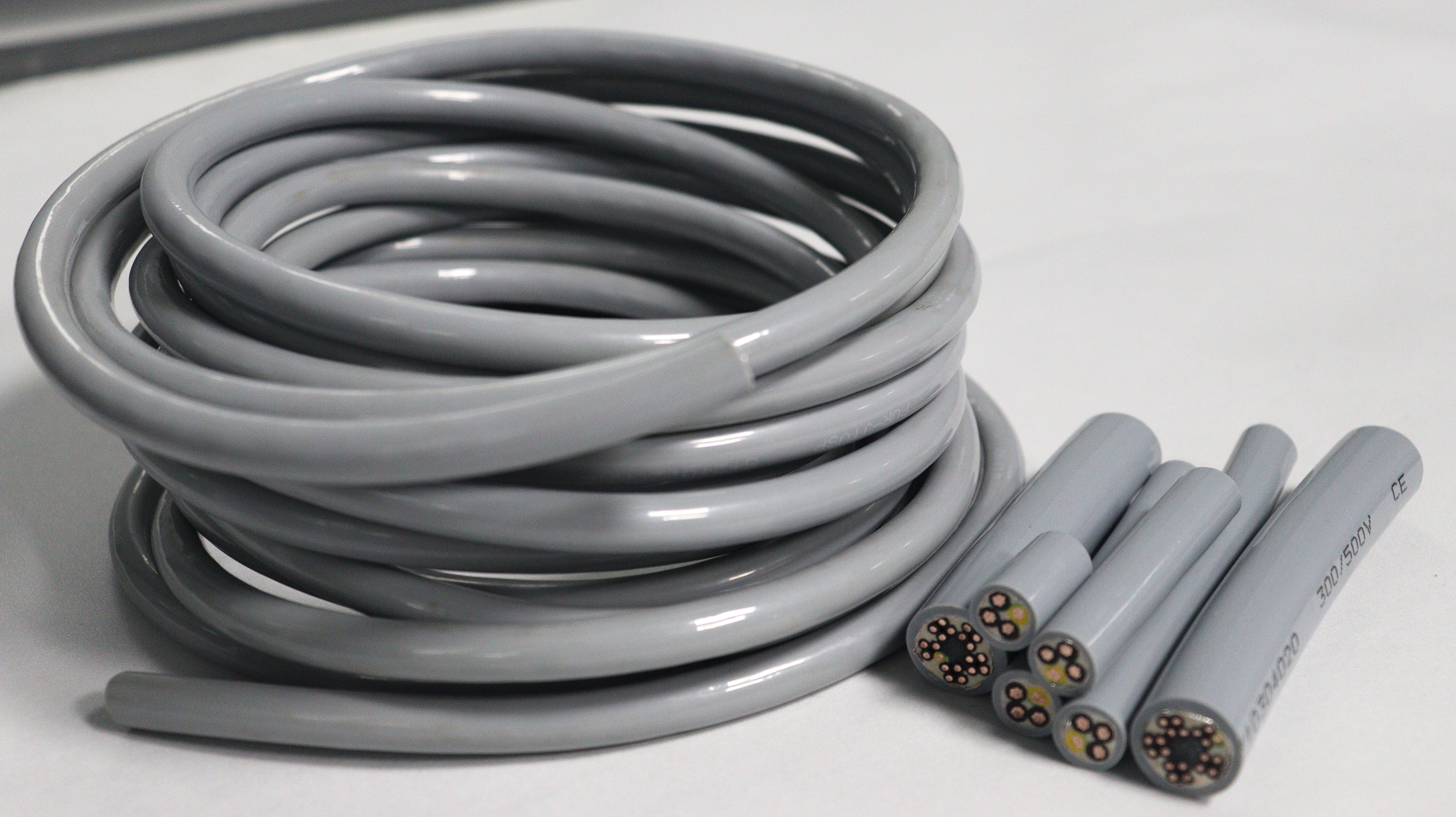
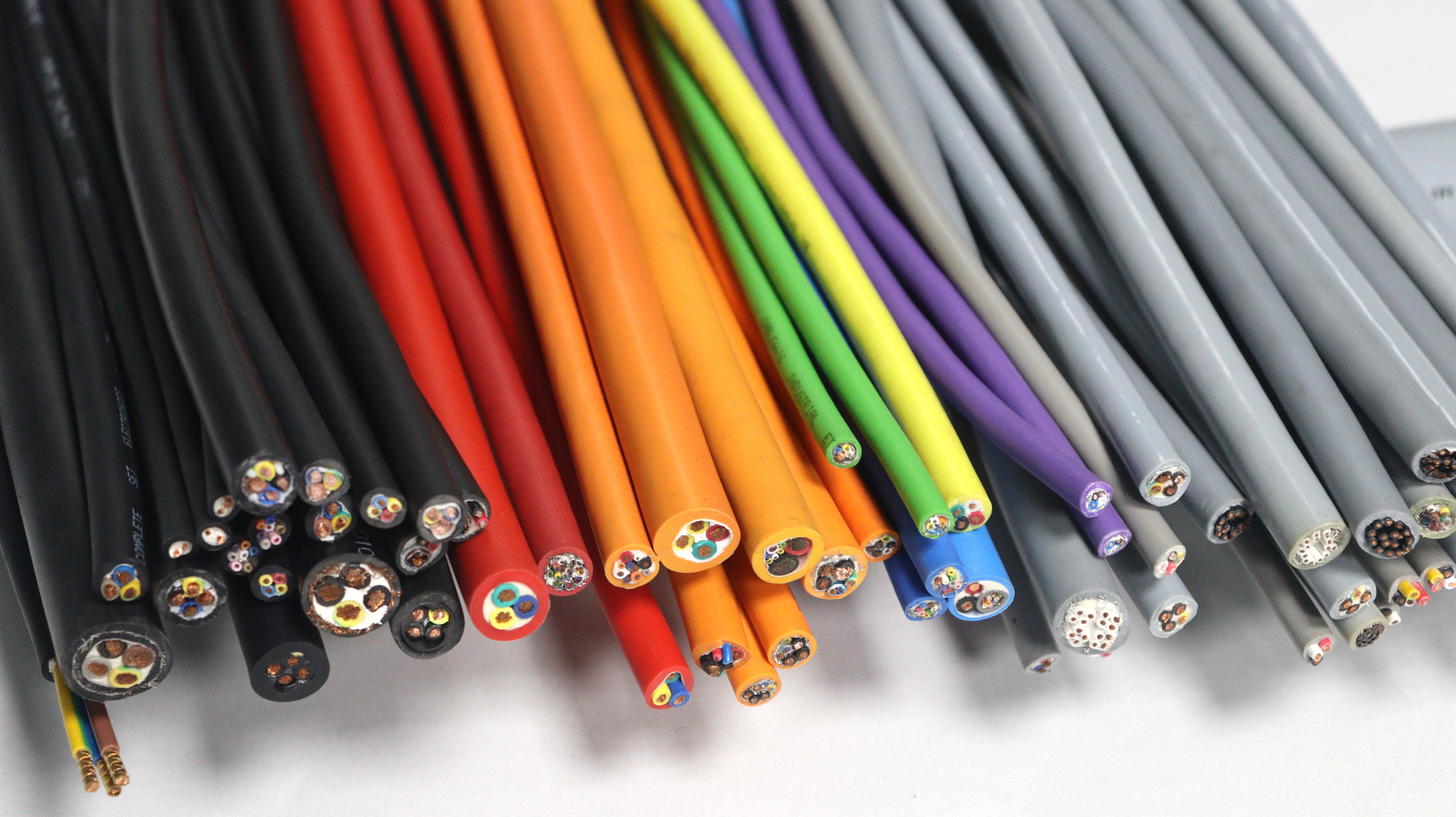
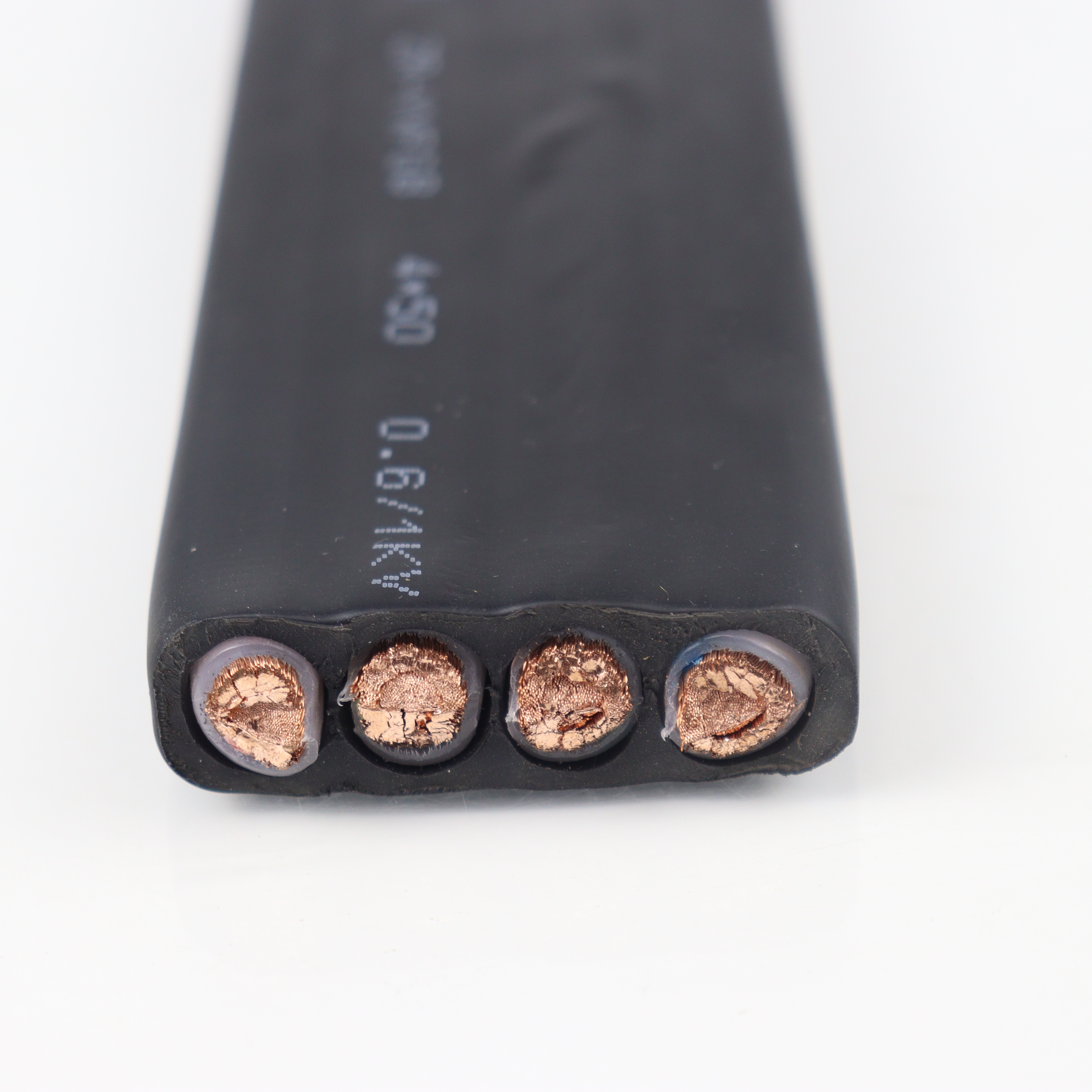
An industrial welding cable is a flexible power cable designed to carry current from a welding machine to an electrode holder, work clamp, or other welding equipment. It supports stable energy transfer during demanding fabrication, repair, maintenance, and construction work. Unlike ordinary power cords, an industrial welding cable handles high current, repeated movement, heat, sparks, and contact with rough surfaces. This makes the industrial welding cable a practical choice for professional welding environments where dependable performance matters. Most industrial welding cable products use finely stranded copper conductors. These conductors improve flexibility and help the cable carry current with low electrical resistance. A durable rubber or elastomer jacket protects the conductor from abrasion, oil, moisture, sunlight, and moderate heat. The jacket also helps the industrial welding cable bend repeatedly without cracking during daily operation. Different sizes are available to match welding current, cable length, duty cycle, and voltage requirements. Key technological features include high strand flexibility, strong insulation, clear polarity identification, and resistance to mechanical stress. Some designs include flame-resistant or cold-flexible jackets for more demanding work areas. A correctly selected industrial welding cable reduces energy loss, supports a steady arc, and helps protect workers from exposed conductors. It can connect portable welders, automated equipment, generators, and grounding systems across workshops, shipyards, steel plants, vehicle repair centers, pipelines, and outdoor job sites. Buyers should confirm conductor size, rated temperature, insulation type, length, and required current before ordering an industrial welding cable. Choosing the right industrial welding cable improves safety, service life, and welding consistency.
The main advantage of an industrial welding cable is reliable power delivery in difficult working conditions. Its copper conductor carries welding current efficiently, helping the machine create a steady arc and clean weld. This can reduce interruptions, uneven heating, and wasted consumables. When a job depends on repeatable results, an industrial welding cable gives operators a dependable connection between the power source and the work area. Flexibility also creates clear buyer value. A flexible industrial welding cable is easier to route around equipment, vehicles, frames, and confined spaces. Workers can reposition the holder or clamp without fighting a stiff line. Easier handling saves setup time and reduces physical strain during long shifts. Fine-stranded construction allows frequent bending while helping the cable maintain its electrical performance. For mobile welders, a suitable industrial welding cable makes it simpler to move equipment between workstations or job locations. Durable insulation provides another practical benefit. A tough jacket helps protect against abrasion, oil, water, sunlight, sparks, and general workshop contact. This protection can lower the risk of conductor damage, unexpected downtime, and premature replacement. It also supports safer operation by keeping live parts covered during normal use. Buyers should still inspect the cable regularly and keep it away from sharp edges, excessive heat, and loads beyond its rating. The product suits many applications, including fabrication shops, construction sites, ship repair, agricultural equipment service, automotive repair, mining support, and plant maintenance. Available sizes let customers match the cable to current demand, distance, and duty cycle rather than paying for an unsuitable design. A longer industrial welding cable improves reach, while the correct conductor size limits voltage drop. For demanding installations, an industrial welding cable with oil resistance, flame resistance, or low-temperature flexibility can provide better service. Comparing current rating, jacket material, flexibility, length, and certification helps buyers choose an industrial welding cable that delivers useful life and predictable operating cost.

Latest News

Shanghai Libin Cable Showcases Robot and Automation Cable Solutions at CMES Shanghai Industrial Automation & Robotics Exhibition

16

Oct

Shanghai Libin Cable Showcases Robot and Automation Cable Solutions at CMES Shanghai Industrial Automation & Robotics Exhibition

View More
Shanghai Libin Cable Showcases Crane Cable Solutions at the 11th China (Changyuan) International Crane Equipment Expo

16

Oct

Shanghai Libin Cable Showcases Crane Cable Solutions at the 11th China (Changyuan) International Crane Equipment Expo

View More
Why Drag Chain Cables Fail: Four Common Causes and How to Select Correctly

16

Oct

Why Drag Chain Cables Fail: Four Common Causes and How to Select Correctly

View More
Industrial Robot Combination Cable: Routing Power and Signal Together in a Small-Bend-Radius Drag Chain

16

Oct

Industrial Robot Combination Cable: Routing Power and Signal Together in a Small-Bend-Radius Drag Chain

View More

Get a Free Quote

Our representative will contact you soon.
0/1000
Flexible Copper Core for Stable Current

Flexible Copper Core for Stable Current

A finely stranded copper core gives an industrial welding cable the flexibility needed for active work areas. Many small strands bend more easily than a solid conductor, so operators can guide the line around frames, platforms, vehicles, and welding fixtures. This design also supports efficient current flow, helping the power source maintain a stable arc when the cable moves or flexes. For buyers, that combination means easier handling and more consistent welding performance. A flexible industrial welding cable can reduce setup time because workers spend less effort straightening, dragging, or repositioning the line. It also fits portable machines and crowded workshops where space is limited. Proper conductor sizing remains important: a larger cross-section may be required for higher current, longer runs, or heavy duty cycles. Selecting the right industrial welding cable helps limit voltage drop and heat buildup. The result is a more reliable connection, smoother operation, and better control across repeated welding tasks.
Tough Jacket for Harsh Worksites

Tough Jacket for Harsh Worksites

The outer jacket protects an industrial welding cable from the physical and environmental conditions found in professional work areas. Rubber or flexible elastomer materials can resist scuffing, repeated bending, moisture, oil, sunlight, and contact with sparks. This protection is valuable on construction sites, in fabrication shops, and around repair equipment where cables often pass over floors or near metal edges. A strong jacket helps keep the conductor covered and reduces the chance of service interruptions caused by surface damage. For customers, jacket durability can improve the total value of an industrial welding cable by extending usable life and reducing replacement frequency. Different environments may require different protection, so buyers should review temperature range, oil resistance, flame behavior, and weather suitability before purchase. Even a durable industrial welding cable needs sensible handling, including proper storage, regular inspection, and protection from sharp edges. When matched to the site, the right industrial welding cable provides dependable service through demanding shifts and changing conditions.
Application-Matched Sizes and Safe Use

Application-Matched Sizes and Safe Use

An industrial welding cable is available in multiple conductor sizes and lengths, allowing customers to match the product to the machine and task. The correct size depends on welding current, cable length, duty cycle, ambient temperature, and whether the cable works alone or in a paired setup. Matching these factors helps control voltage drop and prevents unnecessary heating. It also avoids the added cost and handling difficulty of choosing a cable that is larger than the application requires. A properly selected industrial welding cable supports safe, organized work across workshops, pipelines, shipyards, steel plants, vehicle garages, and outdoor projects. Clear markings can help identify polarity, size, and ratings during installation or maintenance. Buyers should use compatible connectors, keep connections tight, and inspect the jacket before every major job. A quality industrial welding cable is not a substitute for safe work practices, but it gives the welding system a sound electrical path. This application-focused approach helps customers balance performance, reach, portability, and operating cost.