welding cable price
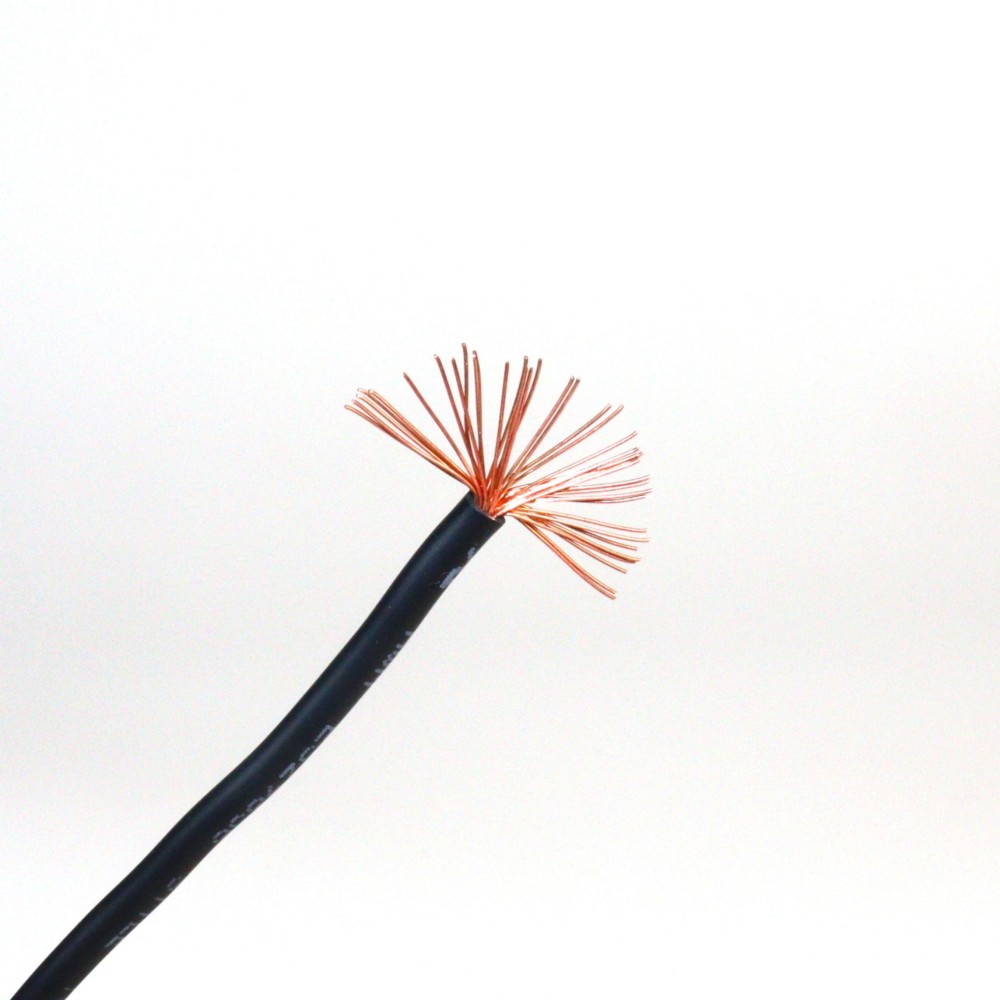
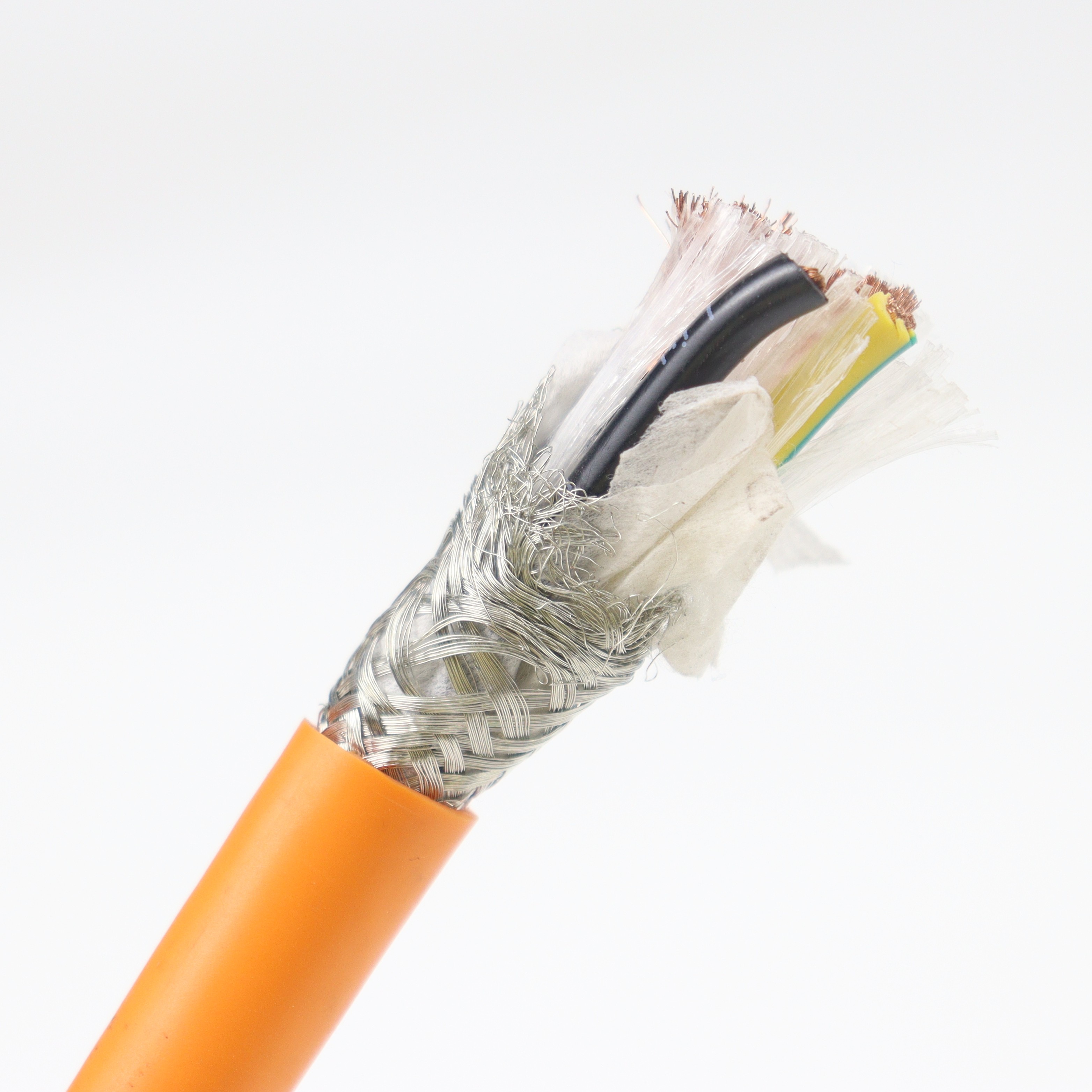
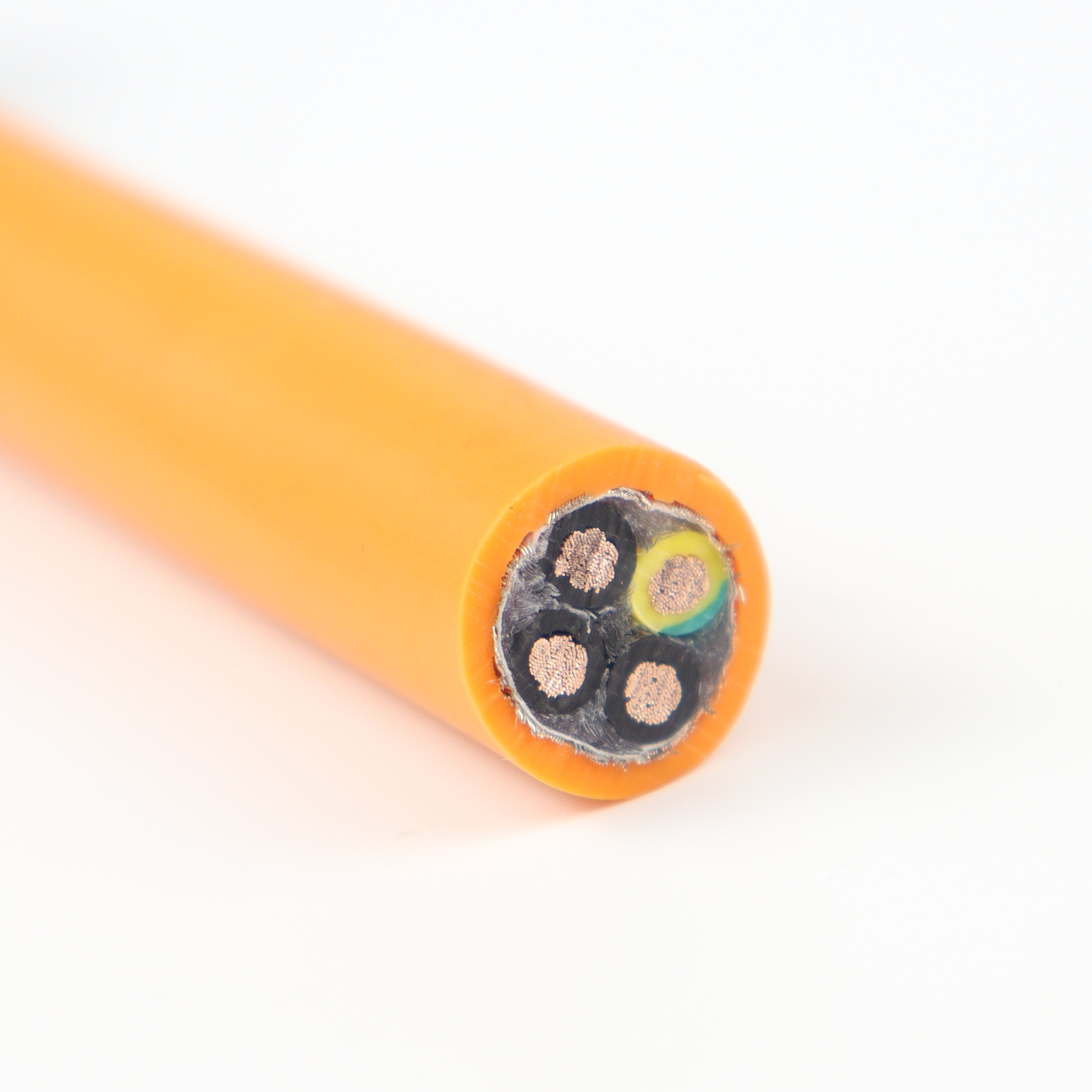
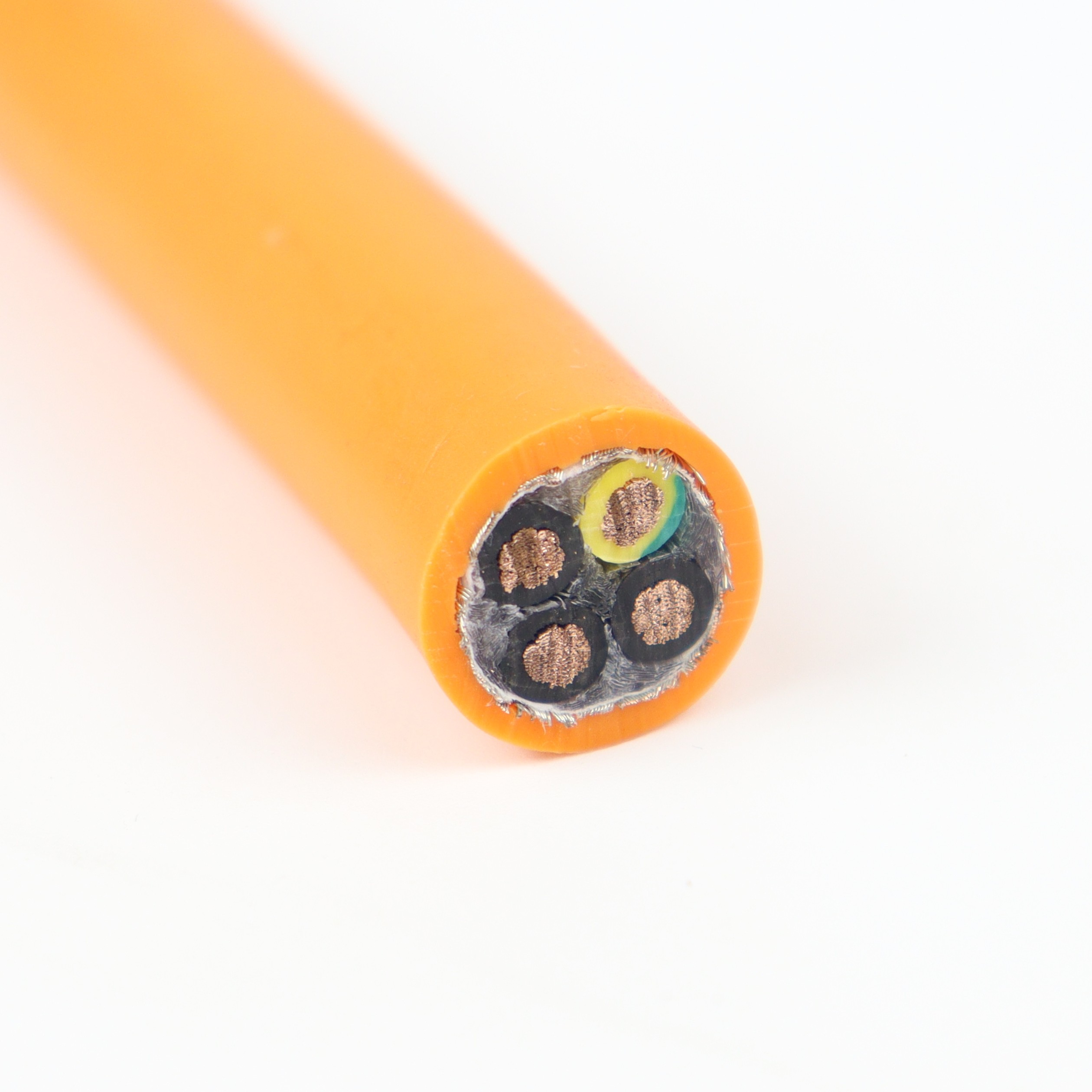
A welding cable price overview helps buyers compare the cost, construction, and working value of flexible cables used to carry welding current. The welding cable price usually depends on conductor size, copper quality, insulation, length, and order quantity. A lower welding cable price may suit light repair work, while a higher welding cable price can reflect thicker copper, stronger covering, and better heat resistance. For most buyers, welding cable price should be judged together with service life and safe current capacity. This cable connects a welding machine to an electrode holder, work clamp, or power source. It transfers high current with limited energy loss while allowing the operator to move around the work area. A suitable welding cable price also supports dependable starts, stable arcs, and fewer interruptions. Modern products commonly use finely stranded copper, which gives the cable excellent flexibility and reduces bending stress. The outer jacket may use neoprene, EPDM, or another tough rubber compound that resists abrasion, oil, sunlight, moisture, sparks, and moderate heat. When selecting a welding cable price, check the rated amperage, cross-sectional area, cable length, insulation rating, and connector compatibility. A longer cable may require a larger conductor to limit voltage drop. The welding cable price can also change when a product includes molded terminals, protective sleeves, or custom lengths. In workshops, construction sites, vehicle repair bays, shipyards, and metal fabrication plants, the right welding cable price supports safe, efficient work. Buyers should compare total value rather than choosing only the lowest quote. A properly sized cable delivers reliable performance, easier handling, and a practical service life.