Copper Winding Wire for Efficient Coils

application/copper-winding-wire, application/copper-winding-wire, 
Inquiry
Inquiry

copper winding wire

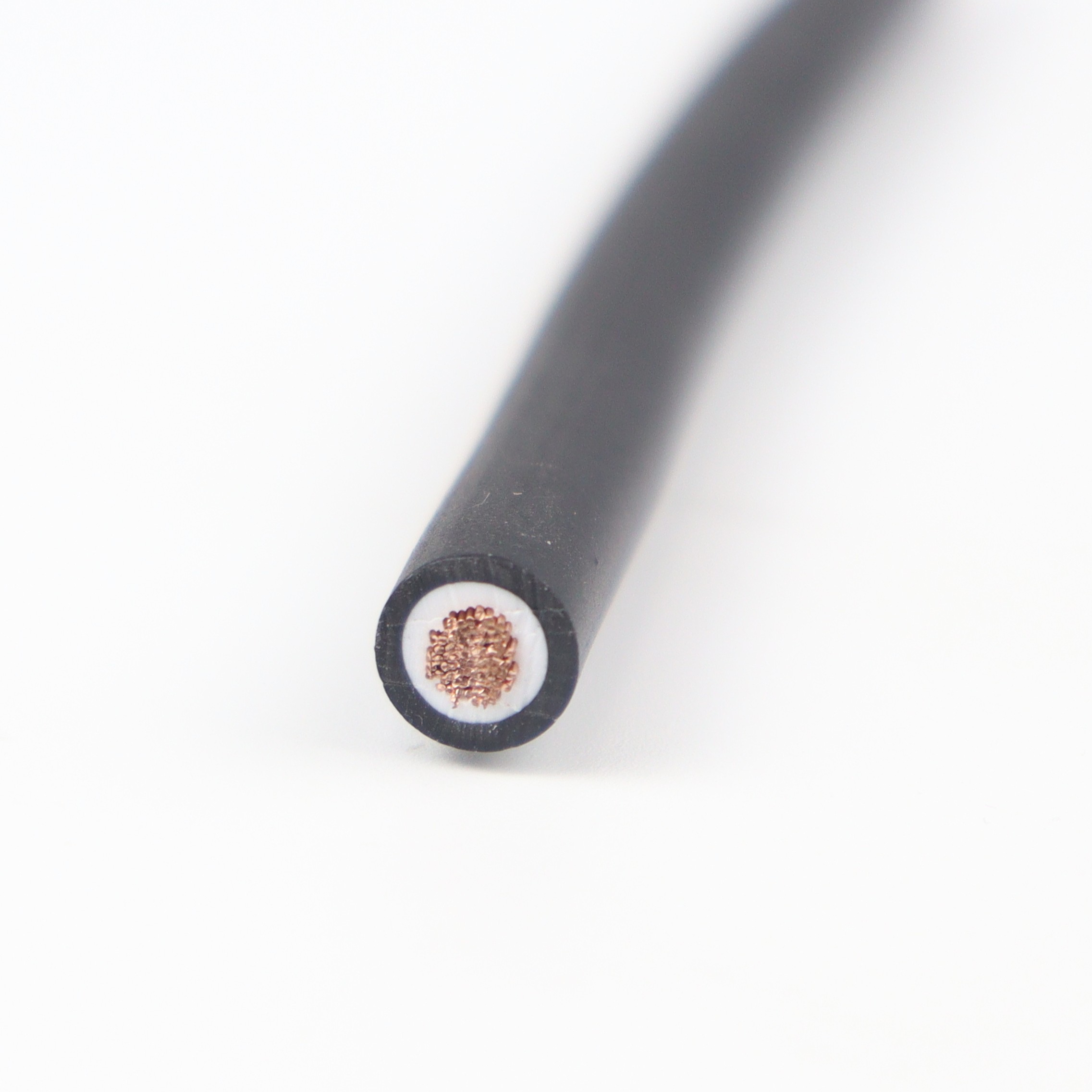
Copper winding wire is an insulated conductor designed for coils used in electrical and electromagnetic equipment. The copper winding wire carries current through a coil so the coil can create a magnetic field, transfer energy, or convert electrical power into motion. Manufacturers use copper winding wire in motors, transformers, generators, alternators, relays, solenoids, and many compact electronic devices. The material combines high electrical conductivity with dependable mechanical strength, making copper winding wire a practical choice for both low-voltage assemblies and demanding industrial systems. During production, the copper core is drawn to a precise diameter and covered with an enamel, film, paper, or other insulating layer. This coating prevents short circuits between adjacent turns and helps the finished coil maintain its designed electrical performance. Available sizes support fine signal coils, dense high-frequency windings, and larger power coils. The copper winding wire may also include heat-resistant insulation for equipment that operates continuously or in hot environments. Key technical features include controlled diameter, smooth surface quality, consistent insulation thickness, strong adhesion, and stable resistance. These features help winding machines place each turn accurately while reducing damage during forming and assembly. Depending on the design, copper winding wire can use round, rectangular, or other shaped conductors to improve space use and heat transfer. Buyers can select a grade according to temperature class, voltage, flexibility, coil size, and application conditions. In practical terms, copper winding wire supports efficient energy conversion, stable operation, compact equipment design, and long service life. Correct material selection also reduces rework, maintenance needs, and the risk of premature coil failure.
Copper winding wire gives equipment makers a reliable way to build efficient coils without adding unnecessary size or complexity. Its high conductivity lets current move with relatively low electrical loss, so motors and transformers can deliver useful output while producing less avoidable heat. For buyers, this can support better energy performance and help control operating costs over the product life. Copper winding wire also accepts precise forming, which allows manufacturers to create compact coils with consistent turn placement. Accurate winding improves production repeatability and helps reduce material waste, rejected assemblies, and manual correction. The smooth insulated surface helps adjacent turns remain electrically separated, lowering the chance of short circuits when the coil is built correctly. Different insulation systems allow copper winding wire to match everyday appliances, industrial drives, power transformers, automotive parts, renewable energy equipment, and control devices. Heat-resistant grades suit continuous-duty applications, while flexible options support tight bends and smaller coil geometries. This range gives engineers useful freedom when balancing available space, voltage, temperature, and performance. Copper winding wire also transfers heat more effectively than many alternative conductor materials, helping a coil release heat through its insulation and surrounding structure. That benefit can support stable output during repeated starts, heavy loads, or extended operation. Buyers should still confirm conductor size, insulation class, temperature rating, dielectric strength, and compatibility with their winding process before ordering. Choosing the right copper winding wire can simplify assembly and improve dependable service. Product documentation, dimensional tolerance, packaging quality, and supply consistency also matter because damaged insulation or variable dimensions can affect final coil quality. Overall, the material offers a practical balance of efficiency, durability, process control, and application flexibility.

Latest News

Shanghai Libin Cable Showcases Robot and Automation Cable Solutions at CMES Shanghai Industrial Automation & Robotics Exhibition

16

Oct

Shanghai Libin Cable Showcases Robot and Automation Cable Solutions at CMES Shanghai Industrial Automation & Robotics Exhibition

View More
Shanghai Libin Cable Showcases Crane Cable Solutions at the 11th China (Changyuan) International Crane Equipment Expo

16

Oct

Shanghai Libin Cable Showcases Crane Cable Solutions at the 11th China (Changyuan) International Crane Equipment Expo

View More
Why Drag Chain Cables Fail: Four Common Causes and How to Select Correctly

16

Oct

Why Drag Chain Cables Fail: Four Common Causes and How to Select Correctly

View More
Industrial Robot Combination Cable: Routing Power and Signal Together in a Small-Bend-Radius Drag Chain

16

Oct

Industrial Robot Combination Cable: Routing Power and Signal Together in a Small-Bend-Radius Drag Chain

View More

Get a Free Quote

Our representative will contact you soon.
0/1000
High Conductivity for Efficient Energy Transfer

High Conductivity for Efficient Energy Transfer

The main value of copper winding wire is its ability to carry electrical current with low resistance. In a coil, that characteristic helps convert electrical energy into magnetic force, mechanical movement, or transferred power with less energy lost as heat. Copper winding wire therefore supports efficient motors, transformers, generators, and inductive components while helping designers meet performance targets in a limited space. Lower resistance can also reduce the thermal burden on insulation and surrounding parts, especially during continuous operation. For equipment owners, this may translate into steadier output, improved energy use, and fewer heat-related interruptions. The conductor can maintain dependable electrical performance when manufacturers control its diameter and surface quality precisely. That consistency helps engineers calculate resistance and design repeatable windings from one production batch to the next. Copper winding wire suits applications where efficiency matters, including industrial automation, electric vehicles, appliances, renewable power systems, and distribution equipment. Selecting the correct size remains essential because a larger conductor may carry more current, while a smaller one can support finer, more compact coils.
Durable Insulation for Reliable Coil Protection

Durable Insulation for Reliable Coil Protection

A strong insulation layer makes copper winding wire suitable for closely packed coils where neighboring turns must remain separated. Enamel, film, paper, or combined insulation systems protect the conductor from electrical contact, surface damage, moisture, and heat within the limits of the selected grade. This protection helps reduce short circuits and supports reliable operation after winding, forming, impregnation, and assembly. Copper winding wire with consistent coating thickness also moves smoothly through automated equipment, which can reduce scraping, stoppages, and rejected coils. Buyers can choose insulation designed for different temperature classes, voltage levels, flexibility requirements, and chemical conditions. Heat-resistant versions work well in motors, generators, transformers, and other equipment that runs for long periods. Flexible coatings can help when a design requires tight bends or compact end turns. The practical benefit is stronger process control from the factory to the finished product. Proper insulation selection does not replace good winding practice, but it gives the coil a dependable protective barrier. This can extend service life, reduce maintenance risk, and help equipment perform consistently in demanding environments.
Precise Sizes for Flexible Design and Production

Precise Sizes for Flexible Design and Production

Copper winding wire is available in a broad range of diameters and conductor shapes, giving designers room to match the material to the coil rather than redesigning the whole assembly. Fine sizes support small sensors, relays, speakers, and high-density electronic coils, while larger sizes handle power motors, transformers, alternators, and industrial generators. Round copper winding wire is widely used for general winding, whereas rectangular or shaped options can improve slot fill, heat transfer, and available space in advanced designs. Accurate dimensions help automated machines place turns evenly and maintain the intended resistance, inductance, and current capacity. This precision can improve production speed and reduce scrap caused by uneven winding or poor fit. Customers can also select packaging and delivery formats that suit manual, semi-automatic, or high-volume production lines. When combined with the right insulation and temperature class, copper winding wire supports application-specific performance without excessive material use. The result is greater design flexibility, more predictable assembly, and a clearer path from engineering specifications to dependable finished equipment.