flexible copper wire
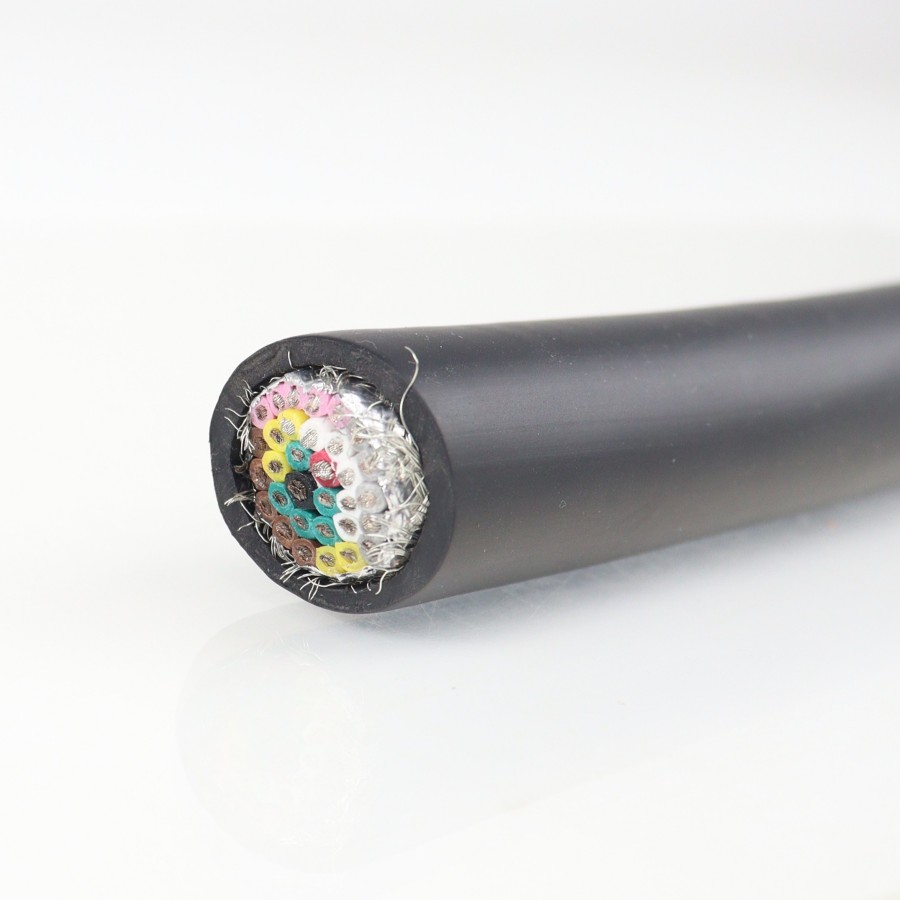
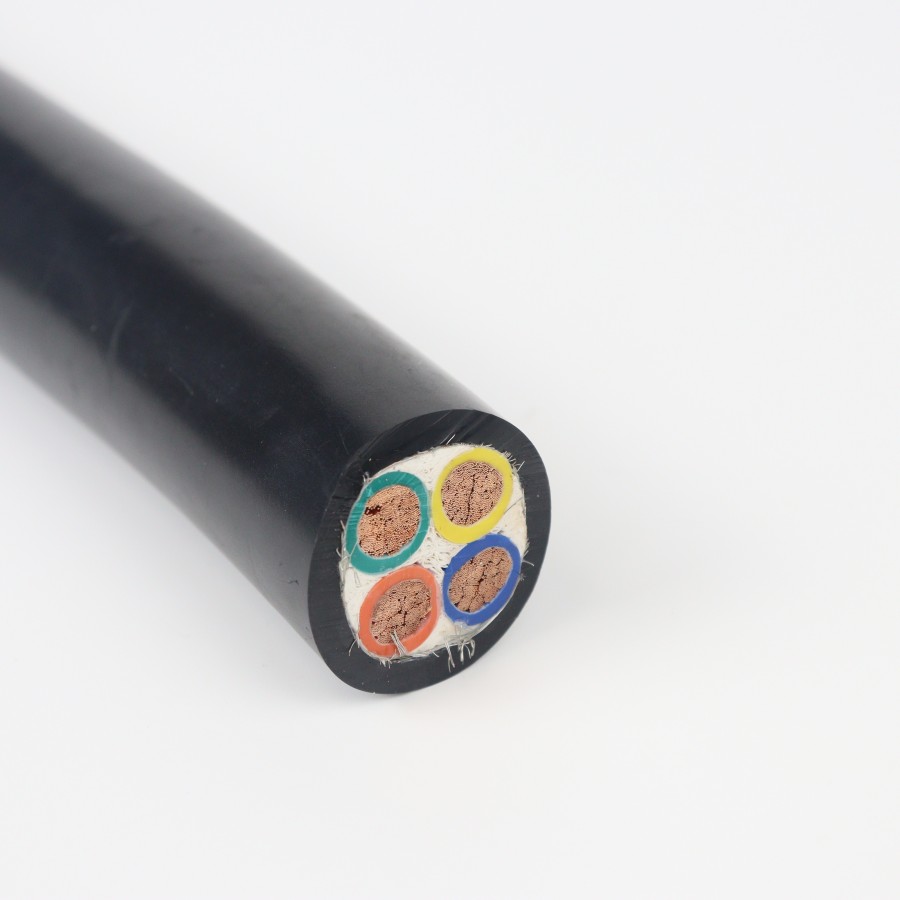
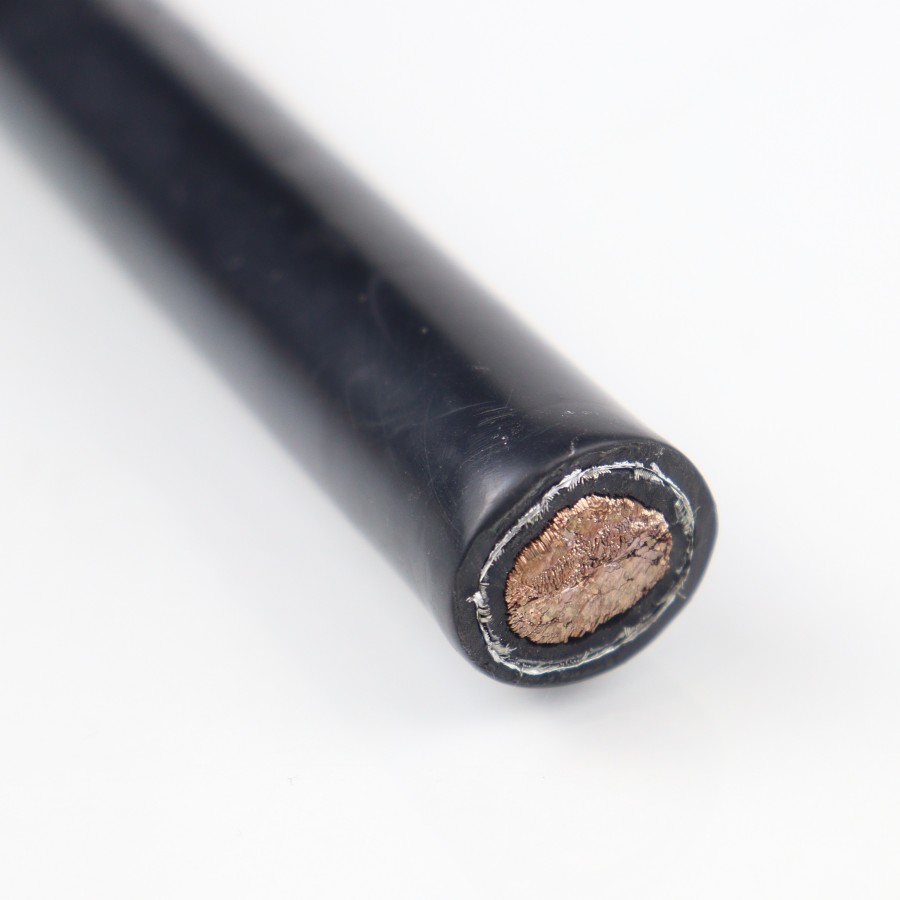
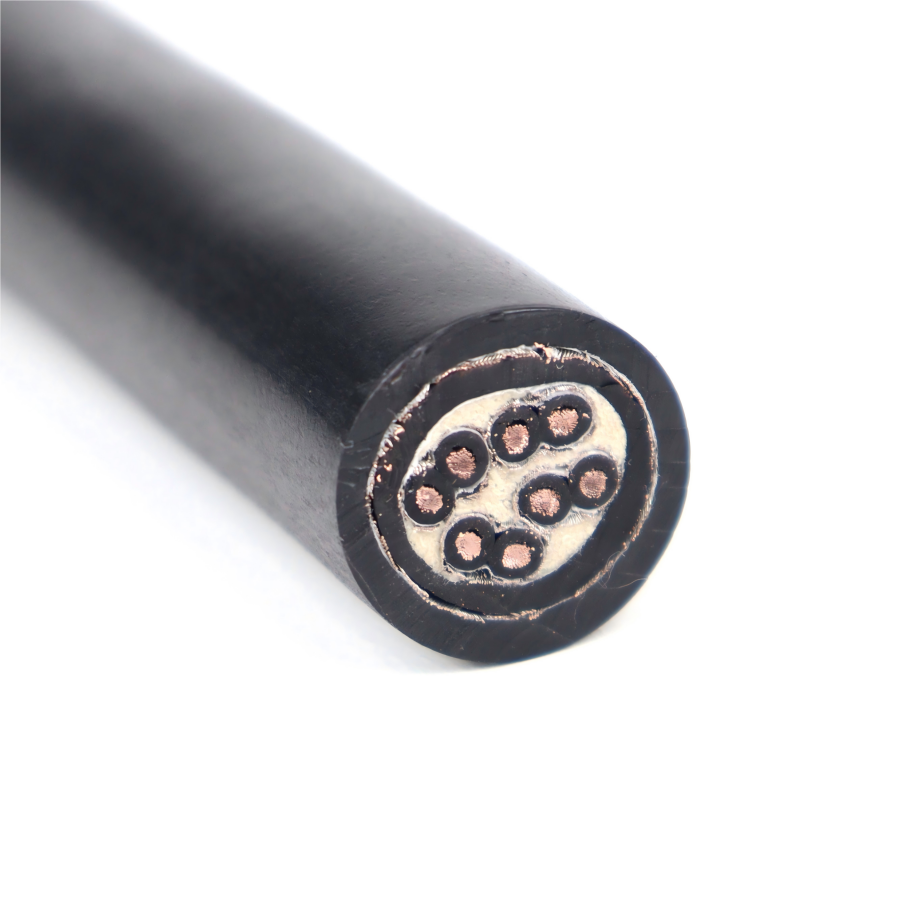
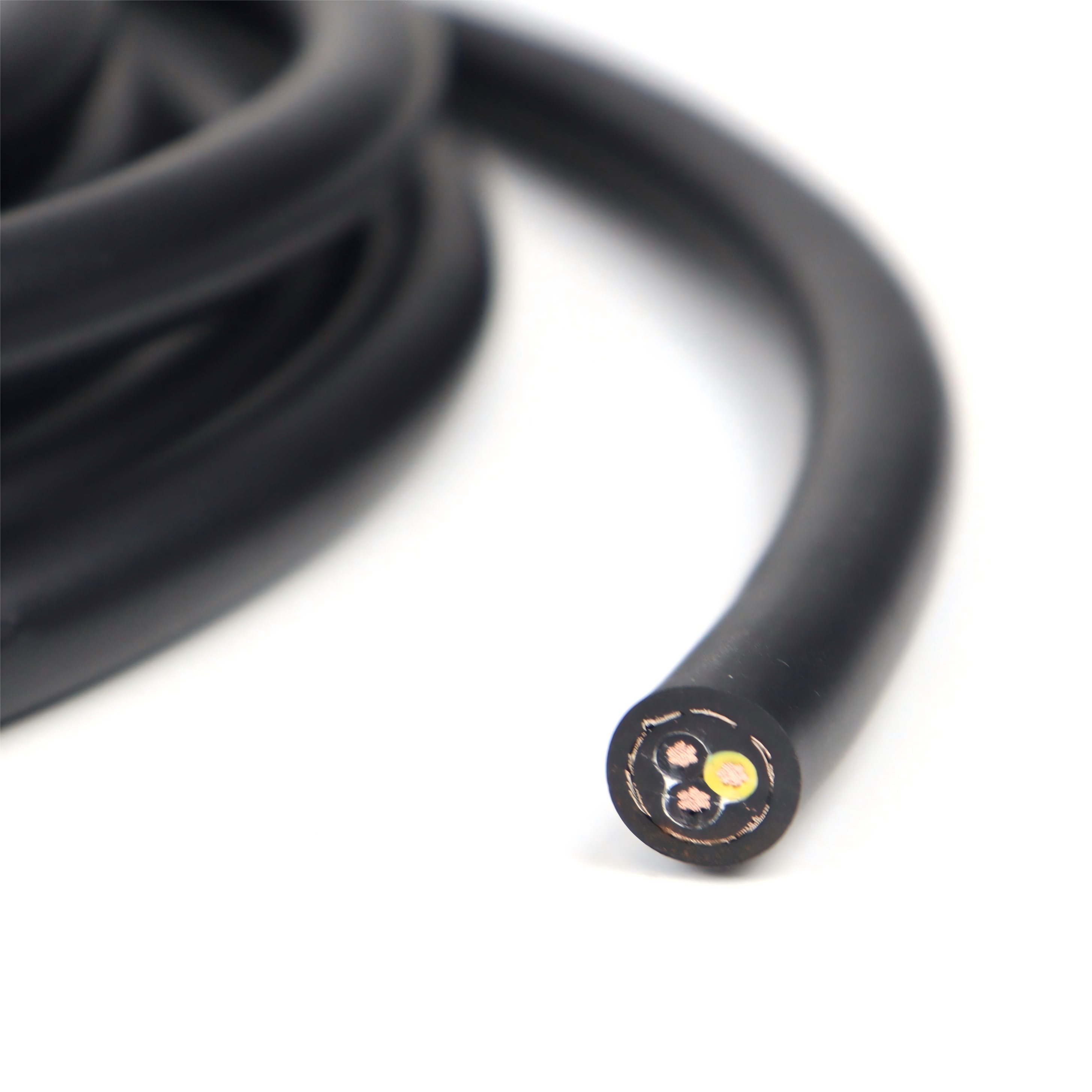
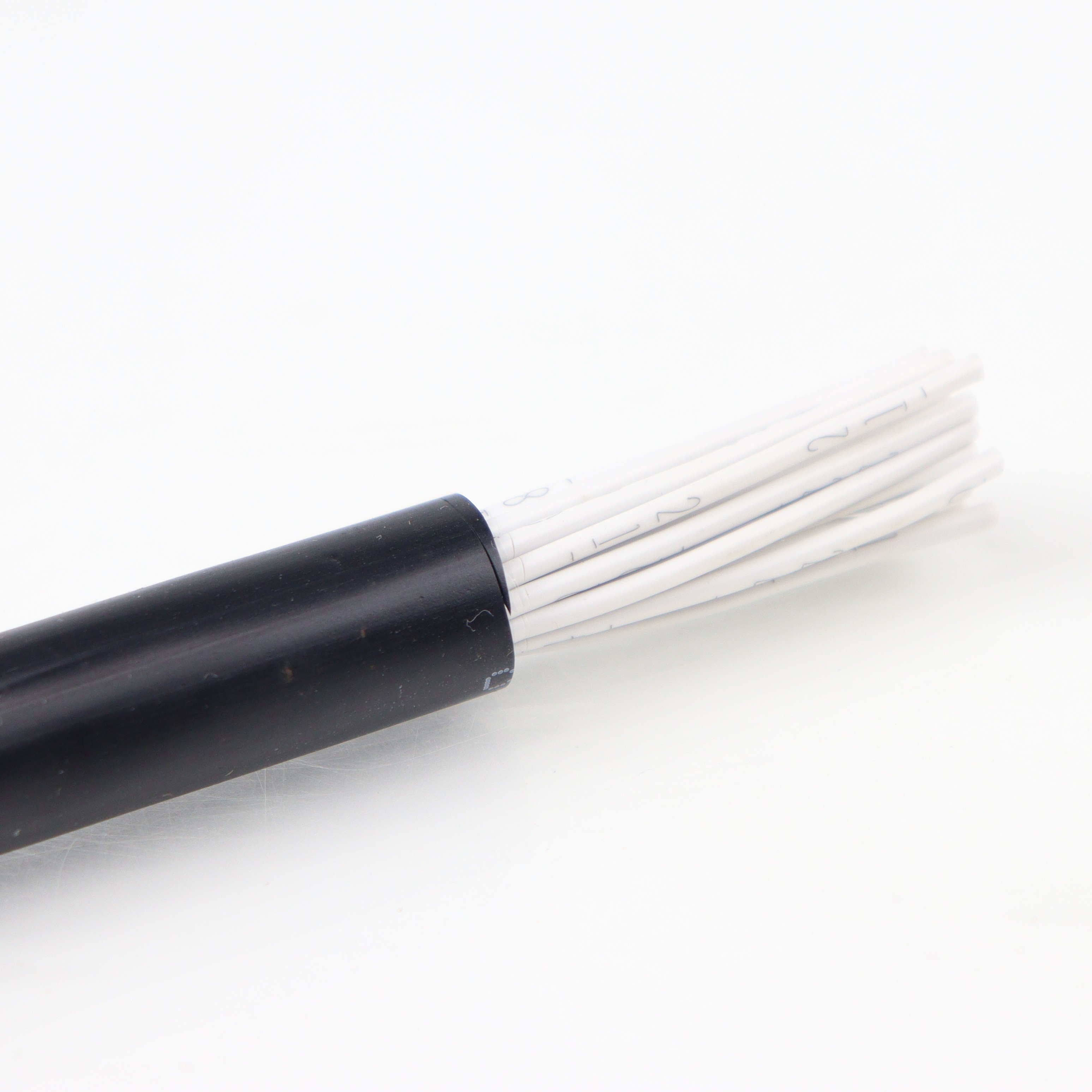
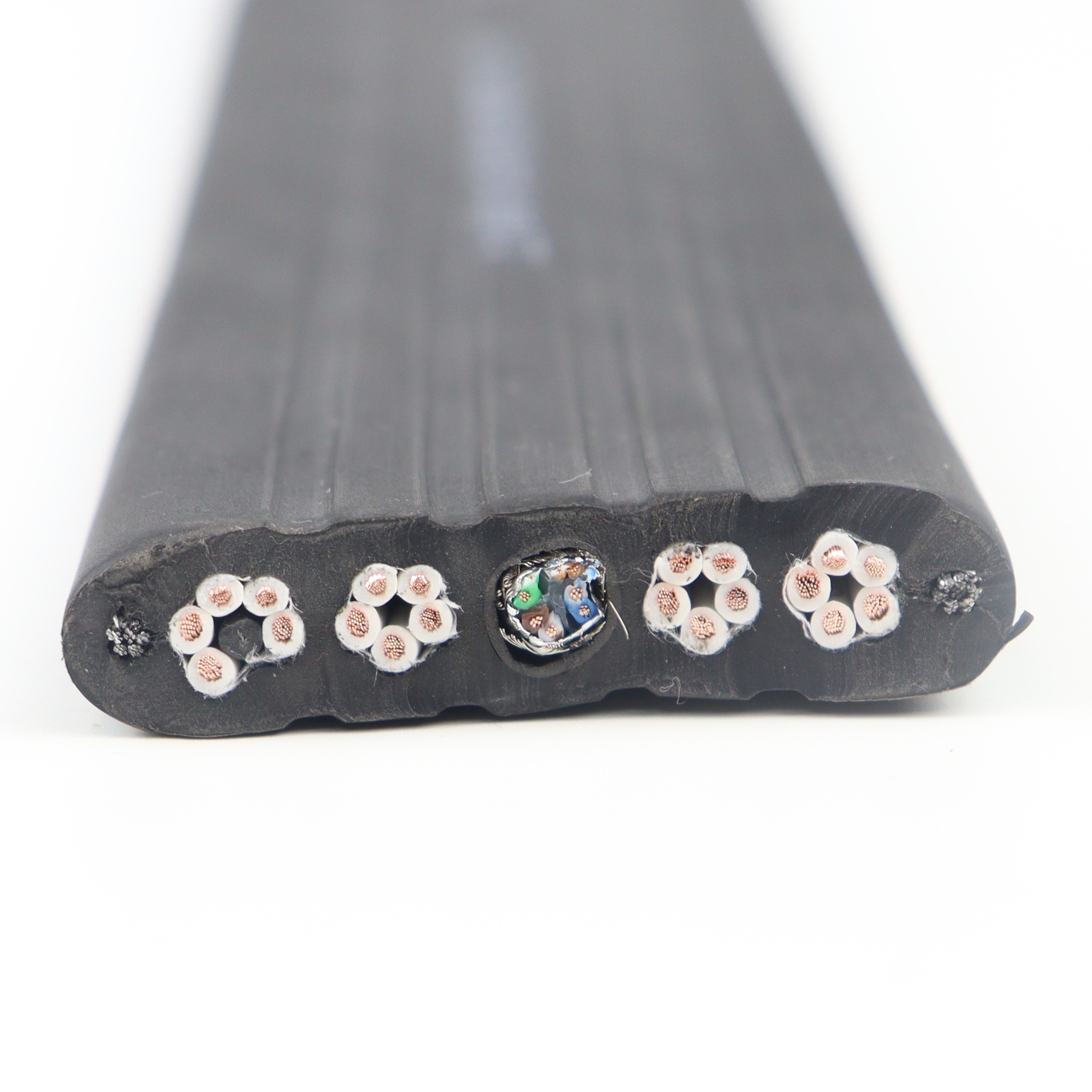
Flexible copper wire is a stranded electrical conductor designed to carry power or signals while bending easily around equipment, panels, and tight installation spaces. Unlike rigid solid conductors, flexible copper wire uses many fine copper strands that move together without breaking during normal handling. This structure makes flexible copper wire suitable for repeated movement, vibration, and compact routing. The copper core provides strong electrical conductivity, helping flexible copper wire transfer current efficiently with low energy loss. Depending on the design, insulation may use PVC, silicone, rubber, or other protective materials selected for heat, moisture, oil, or abrasion resistance. Flexible copper wire can be supplied in different gauges, strand counts, colors, and temperature ratings to match the installation. Some versions include tinned copper strands to improve corrosion resistance and make termination easier. Flexible copper wire supports low-voltage control circuits, battery connections, grounding, lighting, appliances, machinery, and renewable energy systems. Its bend-friendly construction also helps flexible copper wire connect moving parts such as robotic arms, doors, hinges, and portable tools. Installers can cut flexible copper wire to length and attach it with terminals, lugs, connectors, or screw clamps. Proper selection depends on current capacity, operating temperature, insulation type, voltage rating, bend frequency, and environmental exposure. A correctly sized flexible copper wire improves connection reliability and reduces installation effort. For commercial buyers, flexible copper wire offers a practical balance of conductivity, movement tolerance, handling convenience, and long service life across electrical and electronic applications.