Grounding Copper Wire for Safe Installations

application/grounding-copper-wire, application/grounding-copper-wire, 
Inquiry
Inquiry

grounding copper wire

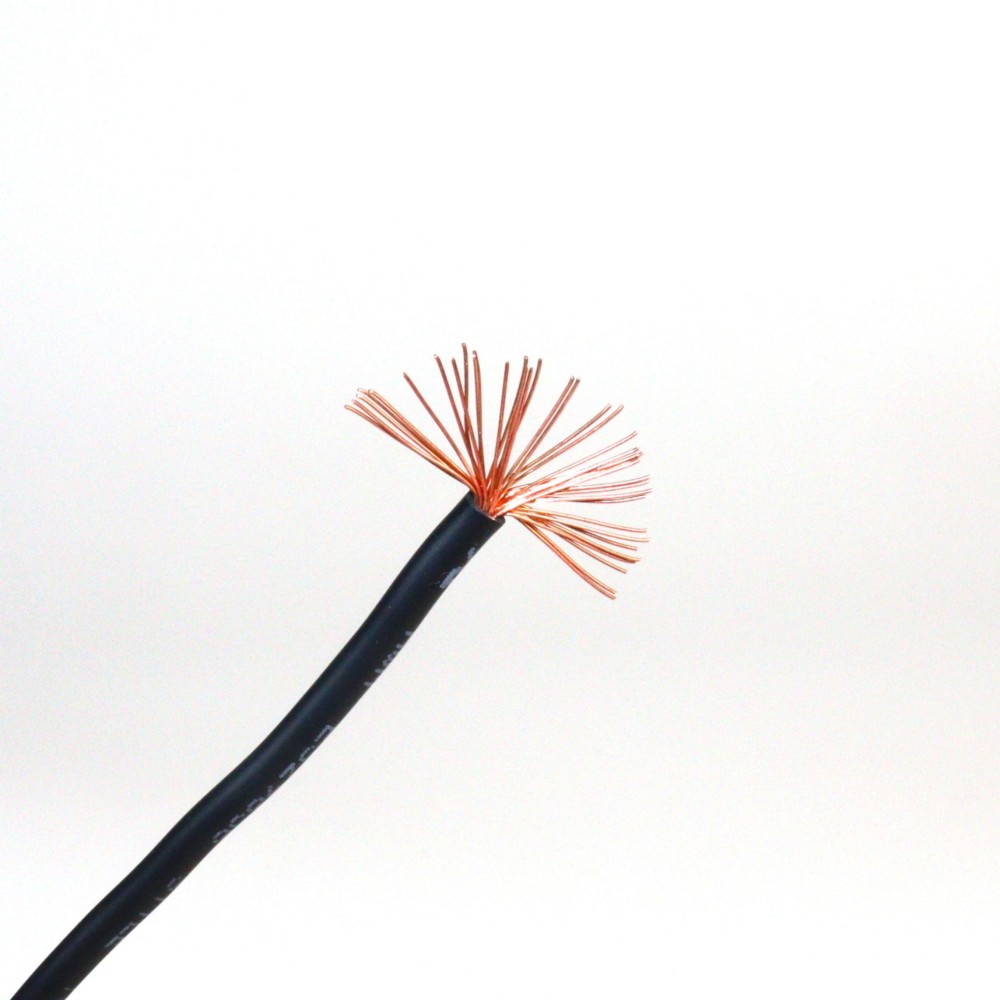
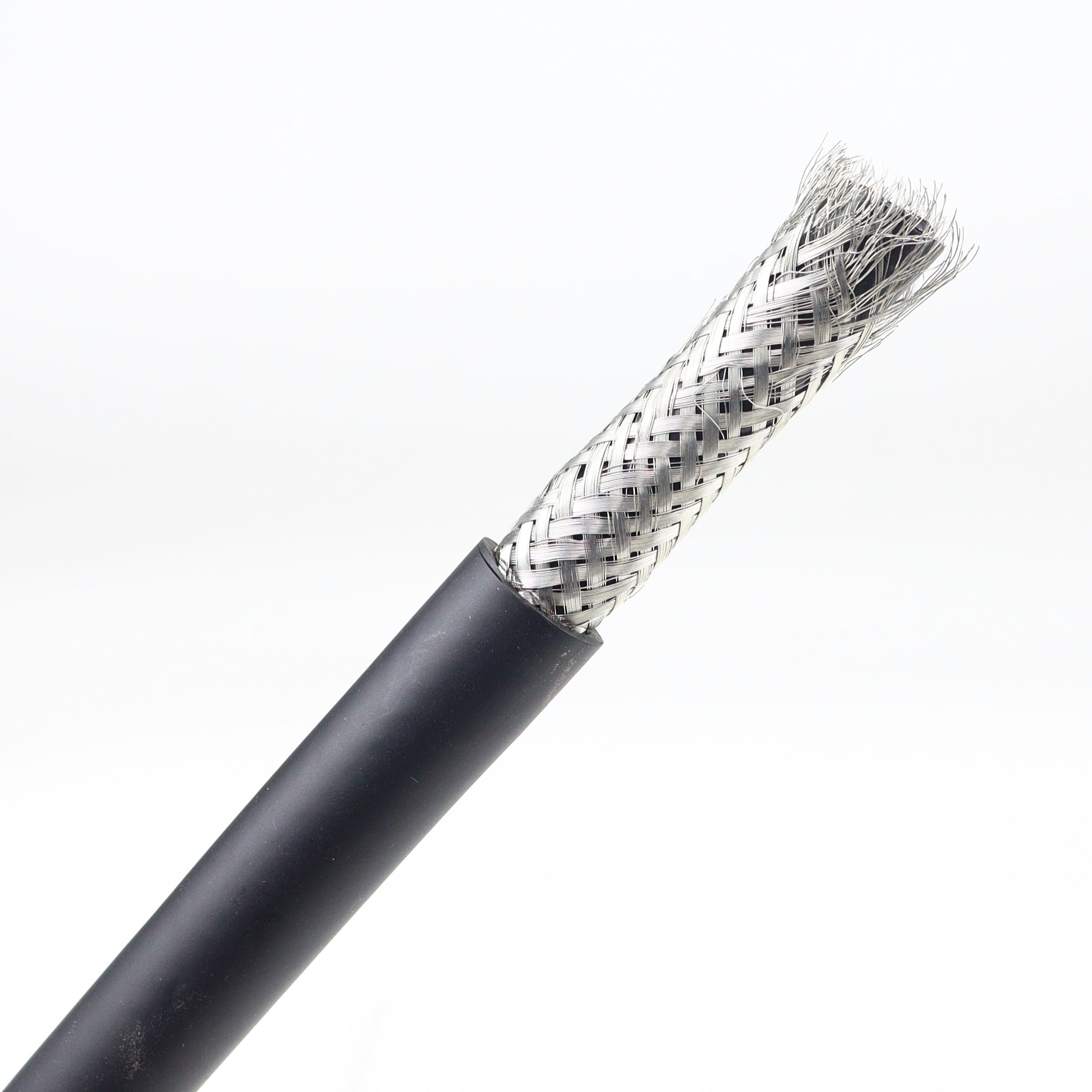
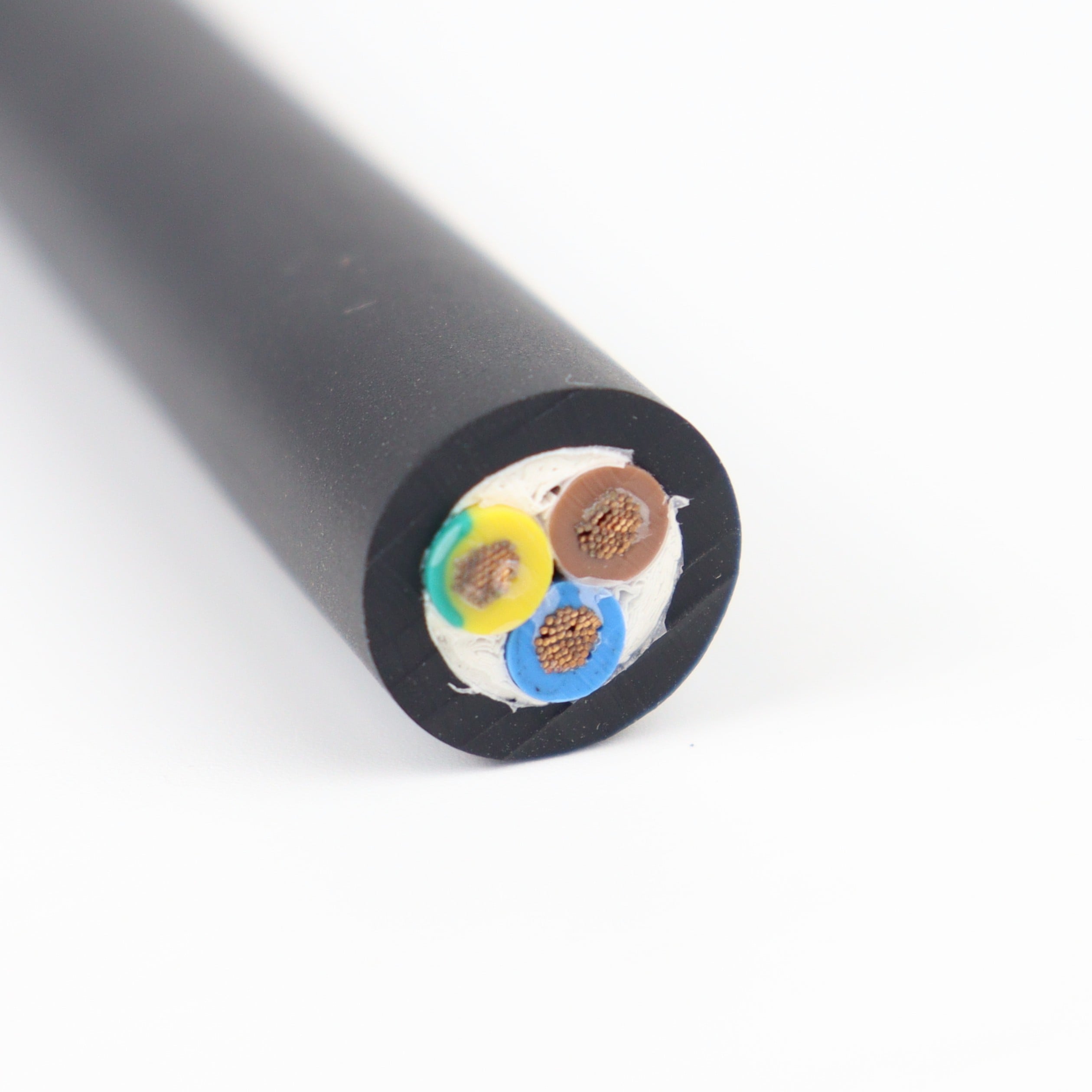
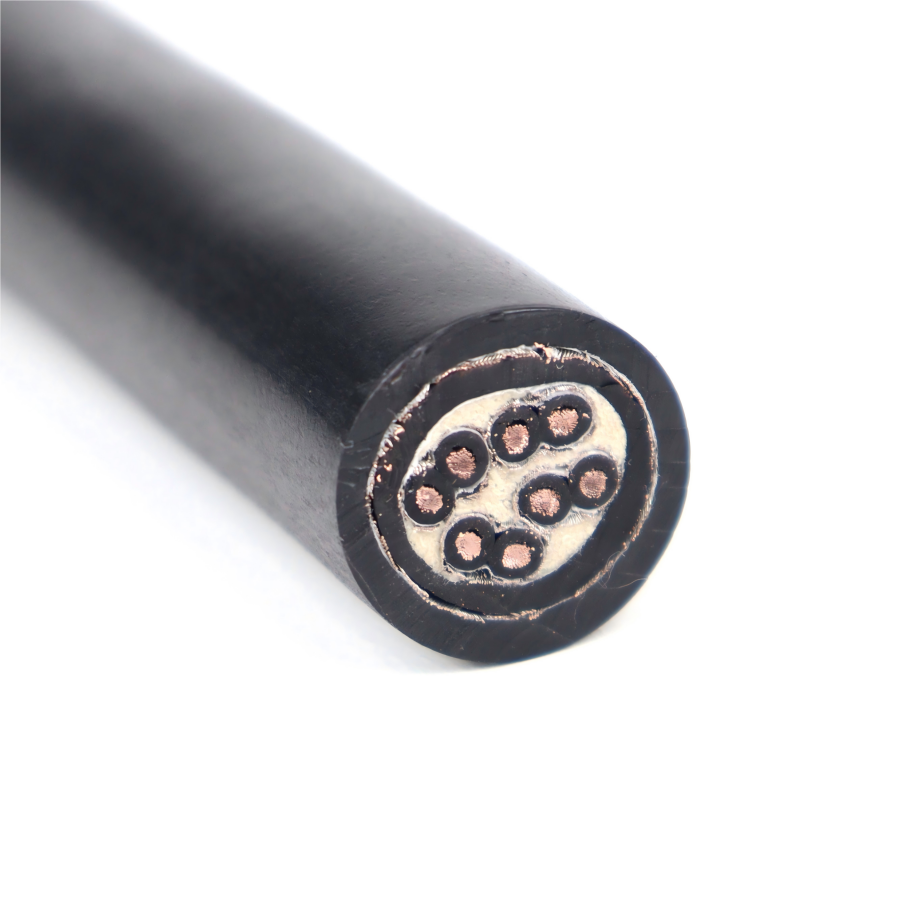
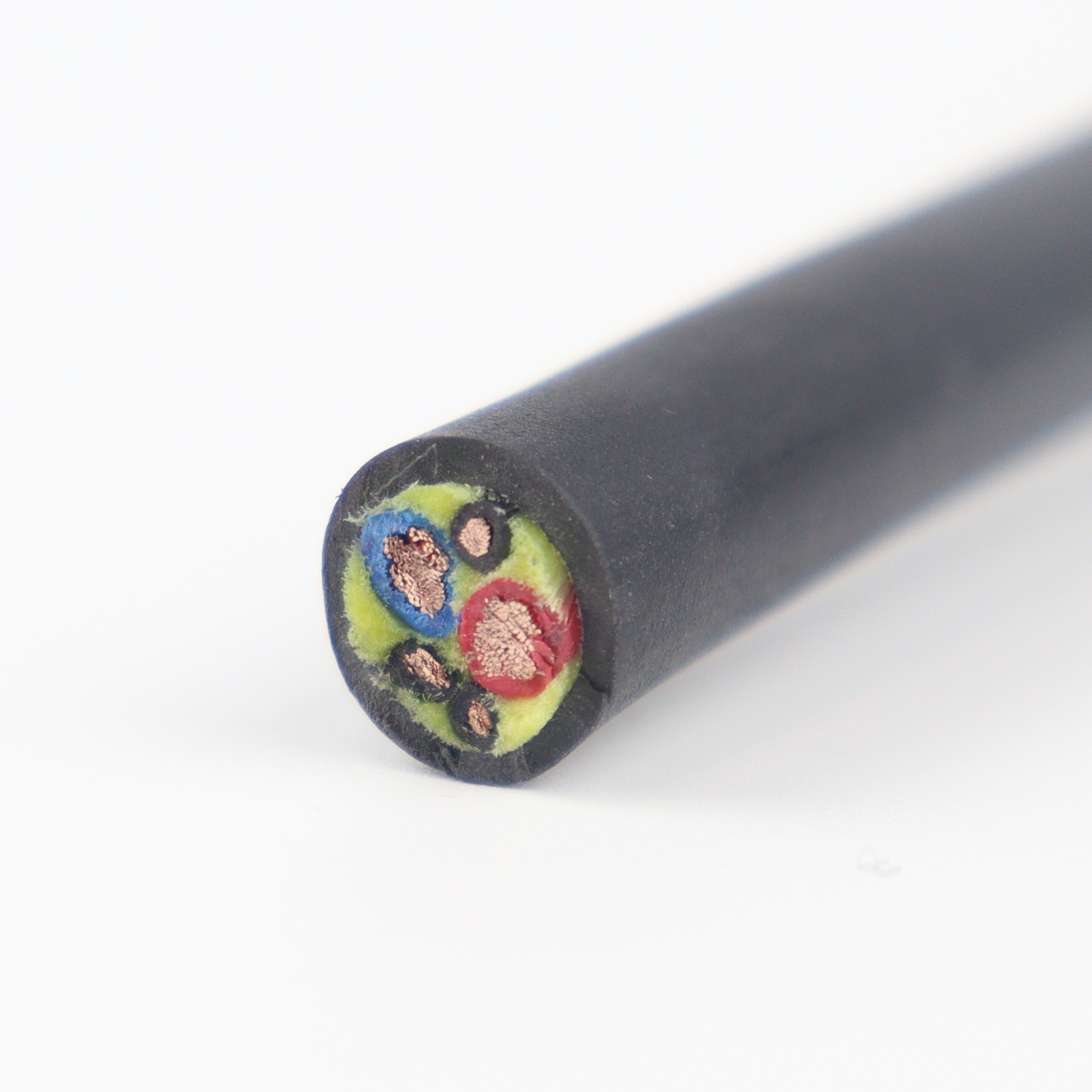
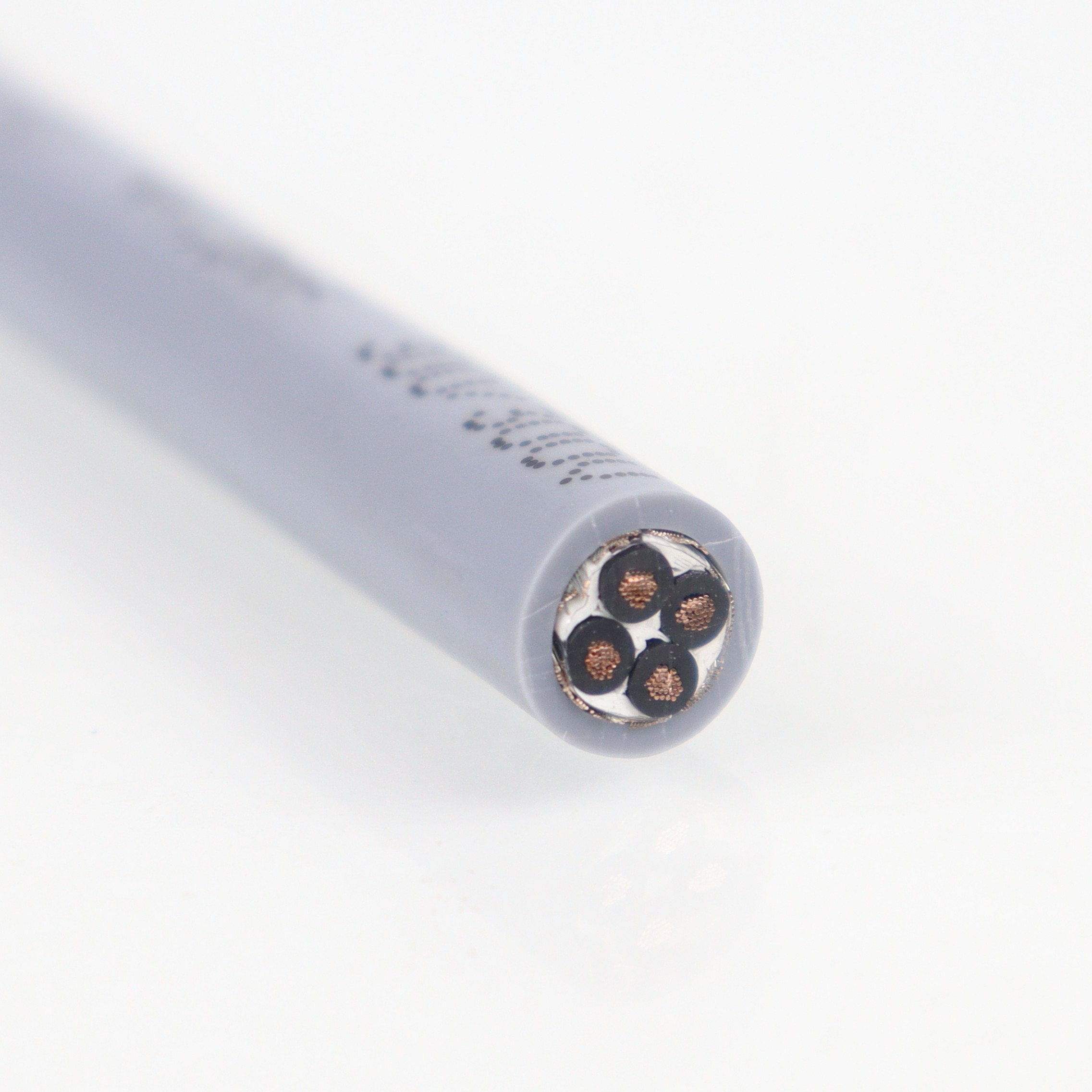
Grounding copper wire is a conductive cable that creates a safe path for unwanted electrical current to travel into the earth. Its main function is to reduce shock risk, protect equipment, and help circuit protection devices operate quickly during faults, surges, or insulation failure. A grounding copper wire connects panels, machines, outlets, metal enclosures, structural steel, and grounding electrodes within an electrical system. The grounding copper wire uses copper because copper carries current efficiently and maintains stable performance over long service periods. Depending on the installation, the grounding copper wire may be bare, insulated, stranded, or solid. Bare types suit buried grids, bonding networks, and outdoor connections, while insulated versions add protection against moisture, abrasion, and accidental contact. Flexible strands make the grounding copper wire easier to route through tight spaces and around bends. Key technological features include high conductivity, strong corrosion resistance, reliable mechanical strength, and compatibility with approved lugs, clamps, terminals, and busbars. The grounding copper wire can support residential, commercial, industrial, renewable energy, telecommunications, and utility projects. Installers select size according to fault current, installation length, local electrical rules, and the type of equipment being protected. A correctly sized grounding copper wire helps stabilize voltage during abnormal events and limits dangerous touch voltage on exposed metal parts. It also supports lightning protection and surge control when integrated with a complete earthing design. For buyers, grounding copper wire offers a simple, durable, and widely available solution for building safer electrical infrastructure. Proper connection, routing, testing, and maintenance remain essential for dependable results.
The main advantage of grounding copper wire is practical safety. When a fault energizes a metal enclosure, grounding copper wire gives the current a low resistance route away from people. This helps breakers, fuses, and protective devices respond sooner. A grounding copper wire therefore reduces the chance of severe shock, fire, or lasting equipment damage when the system is correctly designed and installed. Copper also offers dependable conductivity. It carries fault current efficiently, so a grounding copper wire can deliver predictable performance across panels, machinery, cabinets, and grounding networks. This consistency helps engineers choose a suitable conductor with confidence and supports testing during commissioning and maintenance. Durability creates further buyer value. A quality grounding copper wire resists heat and can tolerate repeated service conditions without losing its electrical purpose. Bare copper works well in protected soil and bonding layouts, while coated or insulated options suit locations exposed to moisture, chemicals, movement, or contact with other materials. Buyers can match the grounding copper wire to the environment rather than pay for an unsuitable design. Installation can also be straightforward. Stranded grounding copper wire bends around equipment and through conduits, reducing routing effort. Solid versions provide firm, stable connections in fixed layouts. Standard sizes and compatible accessories make replacement, expansion, and inspection easier for contractors. The grounding copper wire supports many applications, including homes, offices, factories, data rooms, solar arrays, electric vehicle chargers, communication towers, and utility installations. This broad suitability simplifies purchasing for projects with different loads and layouts. Operationally, a properly installed grounding copper wire helps reduce downtime after electrical faults by supporting fast protective action and limiting damage. It can also improve confidence during safety inspections and handover. Before purchase, confirm conductor size, insulation type, temperature rating, corrosion conditions, connection method, and applicable codes. Choosing the right grounding copper wire balances safety, service life, installation speed, and total ownership cost.

Practical Tips

Shanghai Libin Cable Showcases Robot and Automation Cable Solutions at CMES Shanghai Industrial Automation & Robotics Exhibition

16

Oct

Shanghai Libin Cable Showcases Robot and Automation Cable Solutions at CMES Shanghai Industrial Automation & Robotics Exhibition

View More
Shanghai Libin Cable Showcases Crane Cable Solutions at the 11th China (Changyuan) International Crane Equipment Expo

16

Oct

Shanghai Libin Cable Showcases Crane Cable Solutions at the 11th China (Changyuan) International Crane Equipment Expo

View More
Why Drag Chain Cables Fail: Four Common Causes and How to Select Correctly

16

Oct

Why Drag Chain Cables Fail: Four Common Causes and How to Select Correctly

View More
Industrial Robot Combination Cable: Routing Power and Signal Together in a Small-Bend-Radius Drag Chain

16

Oct

Industrial Robot Combination Cable: Routing Power and Signal Together in a Small-Bend-Radius Drag Chain

View More

Get a Free Quote

Our representative will contact you soon.
0/1000
Reliable Fault-Current Path

Reliable Fault-Current Path

A major selling point of grounding copper wire is its ability to carry unwanted current along a controlled path. During insulation failure, a loose conductor, or an internal equipment fault, grounding copper wire helps direct energy toward the grounding system instead of leaving exposed metal at a dangerous voltage. This action gives breakers and other protective devices a better opportunity to disconnect the supply quickly. For customers, that means stronger protection for staff, residents, machines, and buildings. Copper provides stable electrical performance, allowing a grounding copper wire to maintain low resistance when the conductor is correctly sized and connected. The product also supports bonding between metal parts, which helps keep accessible surfaces at a similar electrical potential. This feature matters in workshops, commercial buildings, production lines, and technical rooms where many metal components operate close together. Selecting dependable grounding copper wire supports a safer installation and provides clear value during inspections, fault testing, and daily operation.
Flexible Formats for Easier Installation

Flexible Formats for Easier Installation

Grounding copper wire comes in formats that help installers solve different routing challenges. Stranded grounding copper wire bends smoothly around corners, through conduit, and inside crowded control panels. It reduces strain on terminals and helps teams complete connections without forcing the conductor into position. Solid versions provide a firm shape for short, fixed runs and simple bonding points. Insulated grounding copper wire adds a protective layer where the conductor may face abrasion, moisture, chemicals, or accidental contact. Bare grounding copper wire remains a practical choice for buried grids, electrode connections, and protected bonding networks. This selection lets buyers match the product to the site instead of using one format everywhere. It can reduce installation time, simplify stock planning, and improve connection quality. When paired with the correct lugs, clamps, and busbars, grounding copper wire creates neat, serviceable routes that technicians can identify, inspect, and repair. The result is a more efficient project with fewer routing compromises.
Long-Term Value Across Applications

Long-Term Value Across Applications

Grounding copper wire delivers lasting value because it suits a wide range of electrical systems and operating conditions. A single product family can support residential circuits, commercial distribution boards, factory machinery, solar installations, battery systems, data centers, charging equipment, towers, and utility assets. This broad application range helps contractors standardize materials while still selecting the right size and construction for each project. Copper offers useful resistance to heat and corrosion, which supports dependable service when the conductor receives suitable protection and remains properly connected. Grounding copper wire also contributes to easier maintenance because technicians recognize its purpose, follow established testing practices, and can source compatible accessories. A reliable grounding copper wire may help limit equipment damage and reduce interruption after a fault, supporting lower repair and downtime costs. Buyers should still verify local rules, available fault current, soil conditions, conductor length, and connection hardware. With those checks complete, grounding copper wire provides a practical balance of safety, durability, availability, and project flexibility.