Solid Copper Wire: Uses and Benefits

application/solid-copper-wire, application/solid-copper-wire, 
Inquiry
Inquiry

solid copper wire

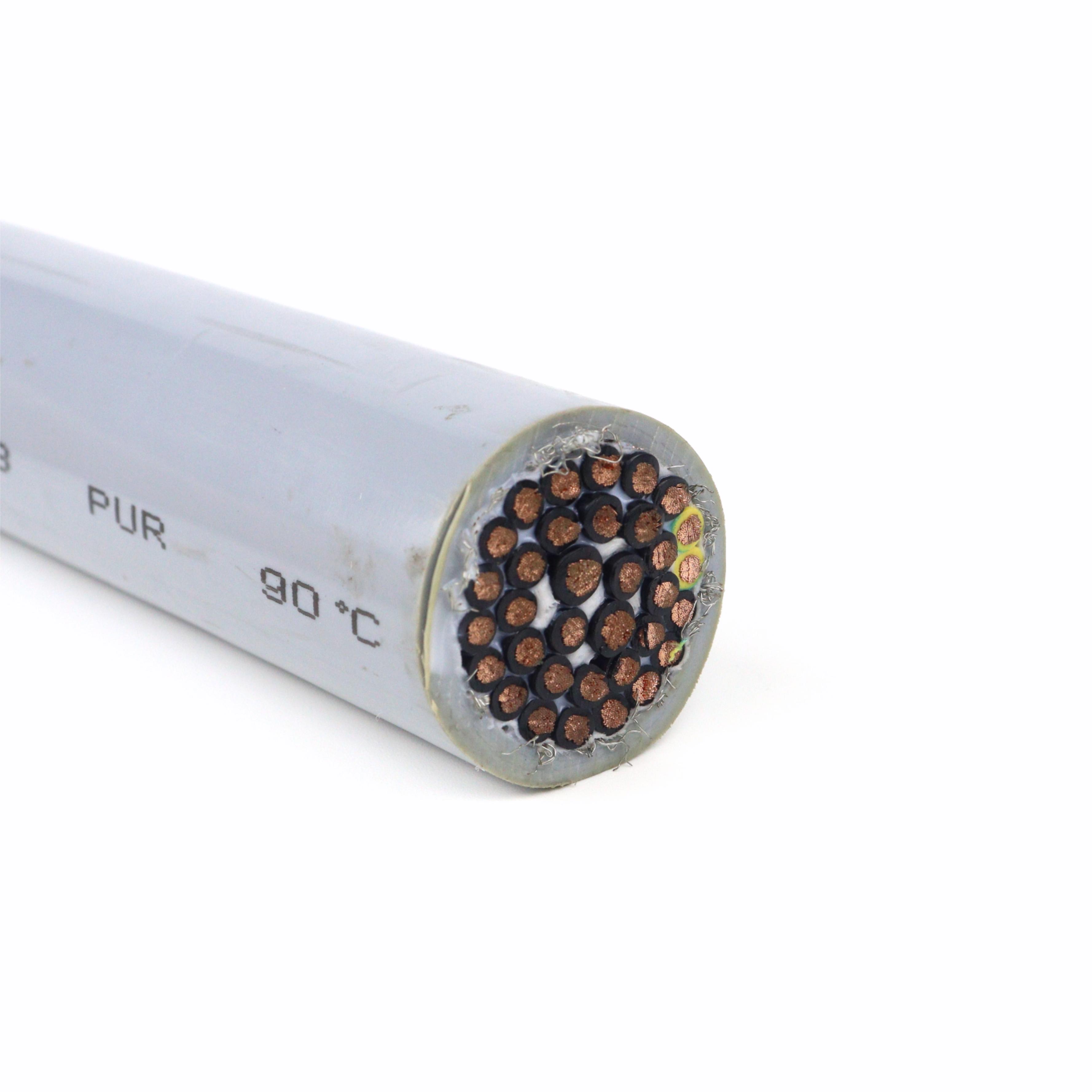
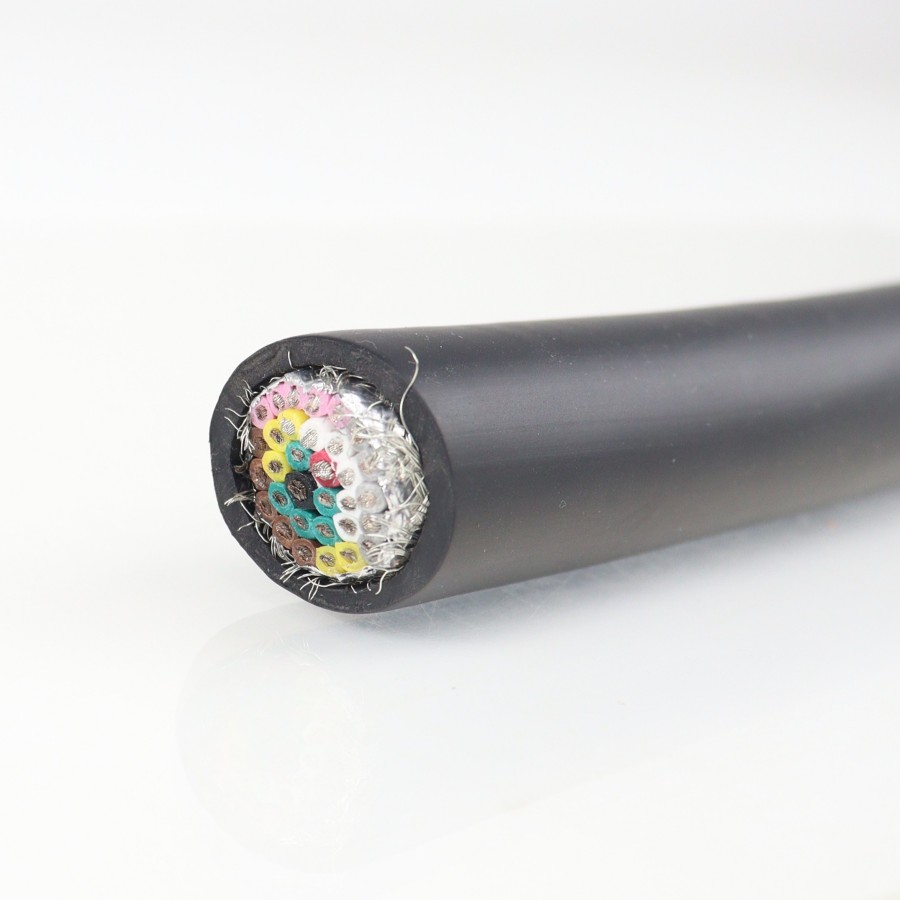
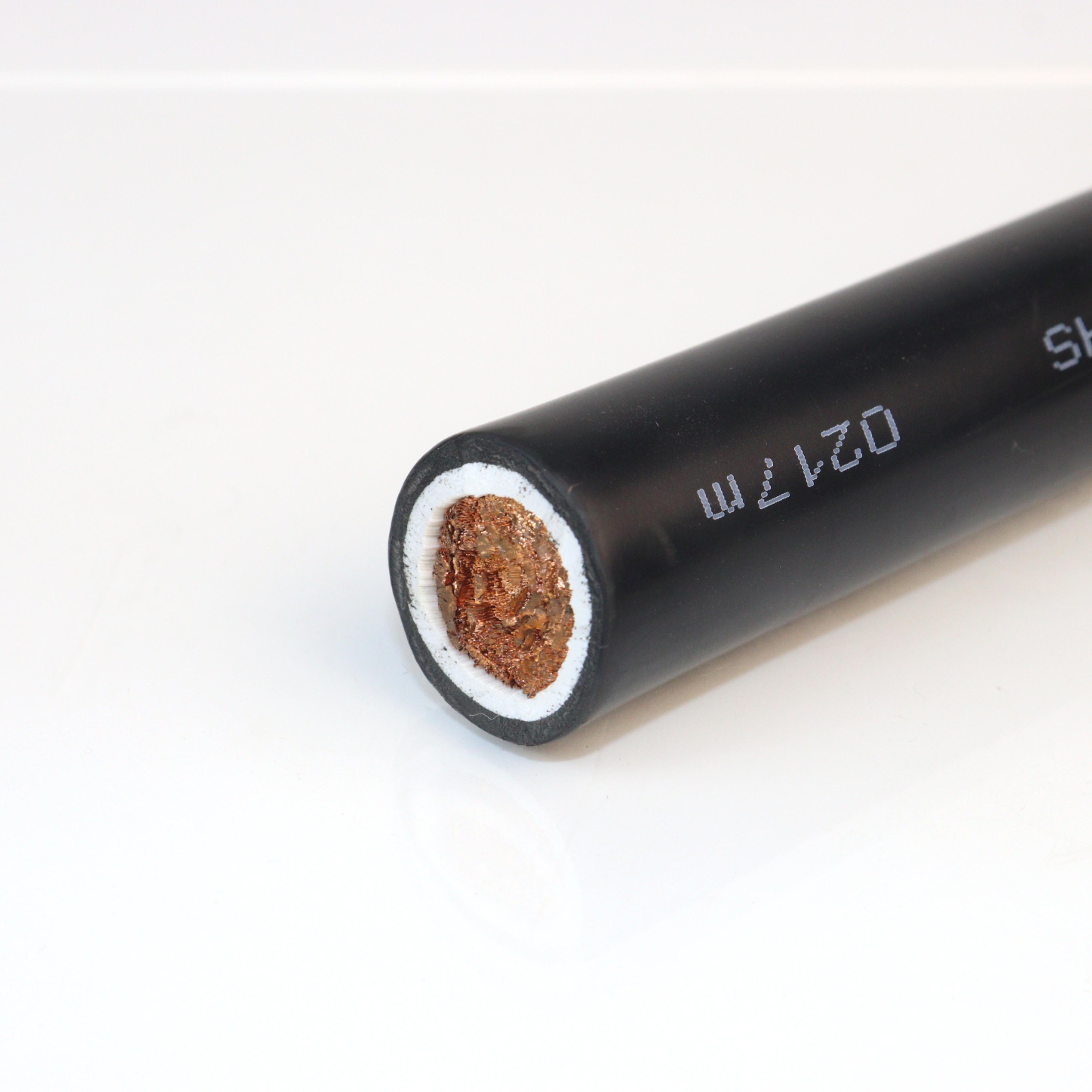
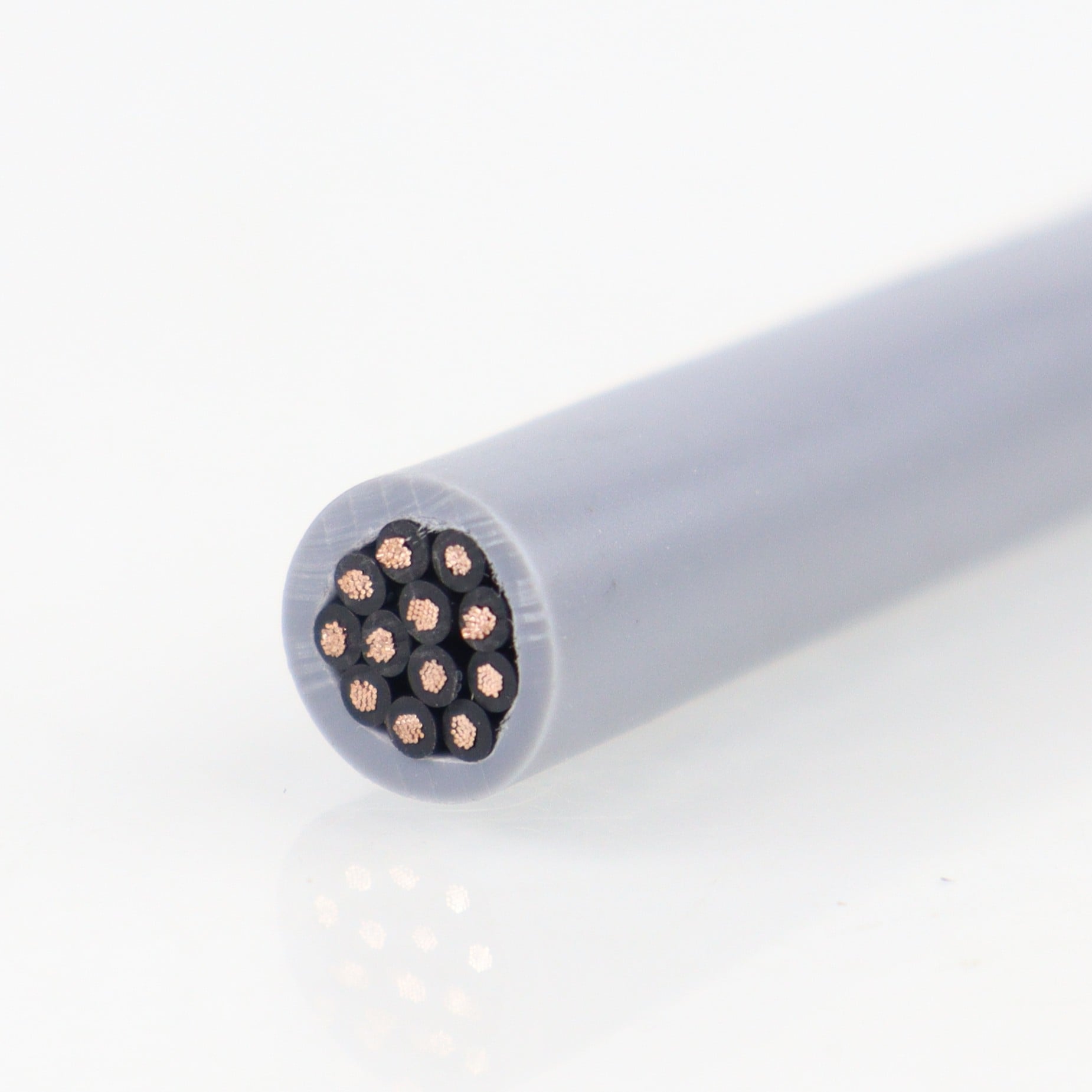
Solid copper wire is a single, continuous metal conductor designed to carry electrical current efficiently and consistently. Unlike stranded cable, solid copper wire uses one copper core, which gives it a firm shape and stable connection inside terminals, sockets, panels, and electronic assemblies. A solid copper wire provides low electrical resistance, helping power move with limited energy loss and reduced heat under suitable operating conditions. Its copper core also supports dependable signal transmission in communication and control systems. The design makes solid copper wire easy to route in straight runs, secure in screw terminals, and install where the cable will remain relatively still. Solid copper wire can include a bare surface or an insulating jacket made from materials such as PVC, polyethylene, or another application-specific polymer. The insulation protects the conductor from moisture, accidental contact, abrasion, and short circuits. Manufacturers produce solid copper wire in different gauges, insulation colors, temperature ratings, and voltage classes to match installation requirements. A smaller solid copper wire suits low-current control, data, and electronic work, while a larger size handles higher current in building and equipment circuits. For grounding, bonding, signal, and power duties, solid copper wire offers a practical balance of conductivity, strength, and predictable performance. Its rigid form also helps maintain a neat layout in panels and conduit. When users select the correct size, insulation, and rating, solid copper wire can deliver long service life in residential, commercial, industrial, automotive, telecommunications, and electrical manufacturing applications. This makes solid copper wire a widely useful choice for fixed electrical connections where dependable performance matters.
The main advantage of solid copper wire is efficient current flow. Copper conducts electricity well, so solid copper wire can support reliable power delivery while helping limit voltage drop across an appropriately sized run. This practical benefit can improve equipment operation and reduce wasted energy. Because solid copper wire has one continuous core, it offers a consistent electrical path with fewer small contact points than a stranded alternative. That structure can make terminations more predictable in fixed installations. Solid copper wire also holds its shape after bending, which helps installers create orderly routes through boxes, panels, conduit, and equipment frames. A stable shape makes it easier to place the conductor under a terminal screw or into a compatible connector. For customers, this may shorten installation time and reduce the chance of a loose connection caused by splayed strands. Solid copper wire is especially suitable for permanent or semi-permanent wiring that will not move repeatedly. It performs well in building circuits, control panels, grounding paths, lighting systems, alarm wiring, data cabling, and internal equipment connections. The product can also provide clear circuit identification when suppliers offer multiple jacket colors. Insulated versions add protection against contact, moisture, dust, and everyday abrasion, while bare versions can support grounding and bonding tasks where the design permits. Solid copper wire often offers a long usable life because copper resists normal electrical wear and maintains stable conductivity over time. Buyers should still match conductor size with current demand, route length, ambient temperature, insulation rating, and local electrical rules. A smaller gauge may suit low-power signals, while a larger gauge may be necessary for power circuits. Solid copper wire is not the best choice for applications that flex continuously, but its rigidity becomes a benefit in fixed work. Choosing the right specification gives customers dependable operation, neat installation, easier inspection, and useful long-term value.

Latest News

Shanghai Libin Cable Showcases Robot and Automation Cable Solutions at CMES Shanghai Industrial Automation & Robotics Exhibition

16

Oct

Shanghai Libin Cable Showcases Robot and Automation Cable Solutions at CMES Shanghai Industrial Automation & Robotics Exhibition

View More
Shanghai Libin Cable Showcases Crane Cable Solutions at the 11th China (Changyuan) International Crane Equipment Expo

16

Oct

Shanghai Libin Cable Showcases Crane Cable Solutions at the 11th China (Changyuan) International Crane Equipment Expo

View More
Why Drag Chain Cables Fail: Four Common Causes and How to Select Correctly

16

Oct

Why Drag Chain Cables Fail: Four Common Causes and How to Select Correctly

View More
Industrial Robot Combination Cable: Routing Power and Signal Together in a Small-Bend-Radius Drag Chain

16

Oct

Industrial Robot Combination Cable: Routing Power and Signal Together in a Small-Bend-Radius Drag Chain

View More

Get a Free Quote

Our representative will contact you soon.
0/1000
Efficient Electrical Performance

Efficient Electrical Performance

A key selling point of solid copper wire is its dependable electrical conductivity. The copper core gives solid copper wire a direct path for current, helping equipment receive stable power when the conductor size matches the load. This can support consistent lighting, control, communication, and machine operation while limiting avoidable voltage loss over suitable distances. For buyers, the benefit is practical: a well-specified solid copper wire can help a system work predictably without complicated installation or unusual maintenance. Its single-core construction also creates a uniform path from one termination to the next. That consistency is useful in panels, terminal blocks, sockets, and fixed equipment where every connection should behave in the same way. Solid copper wire can therefore simplify product selection for projects that need repeatable electrical results. Customers should review gauge, temperature, voltage, and installation conditions before purchase, but the underlying copper conductor provides a strong foundation for dependable performance. This feature makes solid copper wire valuable in both small control circuits and larger fixed power arrangements.
Easy, Orderly Installation

Easy, Orderly Installation

Solid copper wire offers a firm shape that helps installers build clean and controlled wiring layouts. Rather than separating into individual strands, solid copper wire stays together when cut, stripped, positioned, and placed beneath a terminal. This makes solid copper wire useful in junction boxes, distribution panels, circuit boards, structured cabling, and equipment assemblies that require clear routing. The conductor can hold a planned bend, so installers can keep wires separated, identify circuits quickly, and maintain better access for inspection or future service. For project owners, this may reduce installation variability and improve the appearance of finished work. A secure termination also helps limit problems linked to loose or poorly positioned conductors, provided the connector matches the wire size and the installer follows the required procedure. Solid copper wire is particularly practical when wiring remains stationary after installation. It is less suitable for repeated movement, vibration, or constant flexing, where a flexible cable may perform better. Used in the right setting, solid copper wire provides straightforward handling, neat organization, and efficient field work.
Durable Options for Many Uses

Durable Options for Many Uses

Suppliers can offer solid copper wire with different gauges, insulation materials, jacket colors, temperature ratings, and voltage classes. This range allows buyers to select solid copper wire for a specific load, environment, and installation method instead of relying on one general-purpose product. A PVC jacket may suit common indoor wiring, while a more specialized covering may provide better resistance to heat, moisture, chemicals, or abrasion. Bare solid copper wire can serve approved grounding and bonding applications, while insulated versions help protect people and equipment from accidental contact. Solid copper wire also supports many markets, including residential construction, commercial facilities, industrial controls, telecommunications, electronics, automotive systems, and electrical manufacturing. This versatility can simplify sourcing because one product family covers several connection needs. Customers gain more value when they compare conductor size, insulation rating, compliance requirements, packaging length, and environmental limits before ordering. A suitable solid copper wire can deliver durable service, clear identification, and stable performance without adding unnecessary complexity. The result is a practical material choice for fixed circuits that need reliable function over an extended operating period.