twisted pair data cable
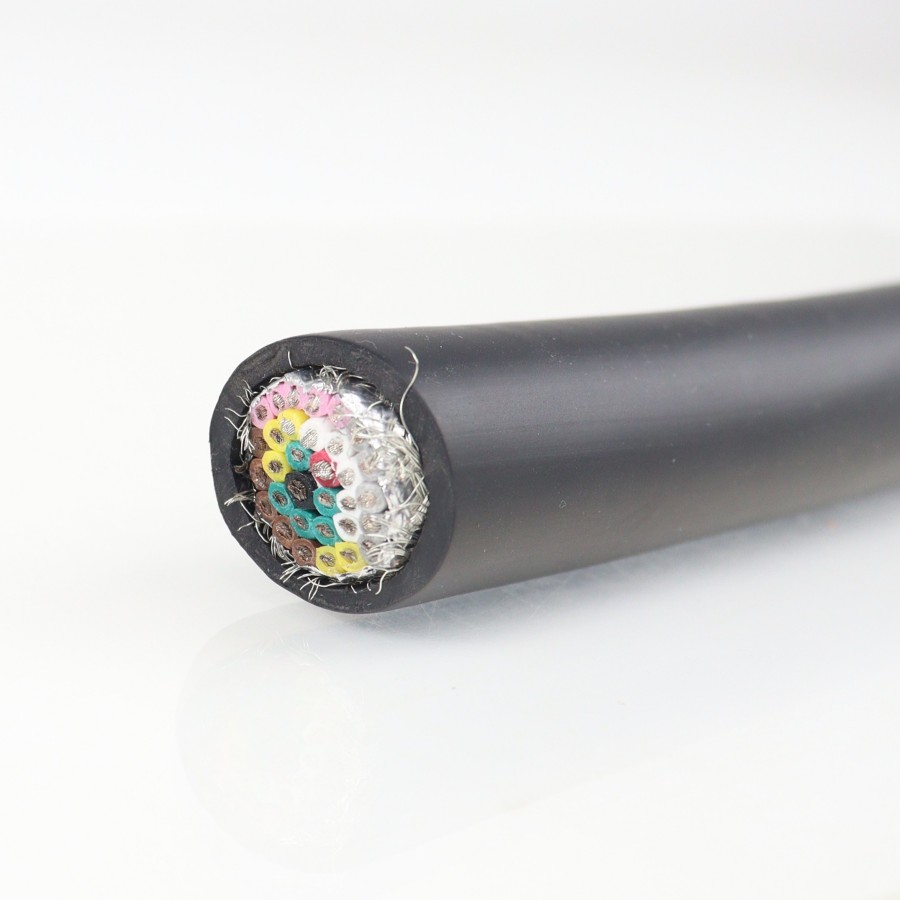
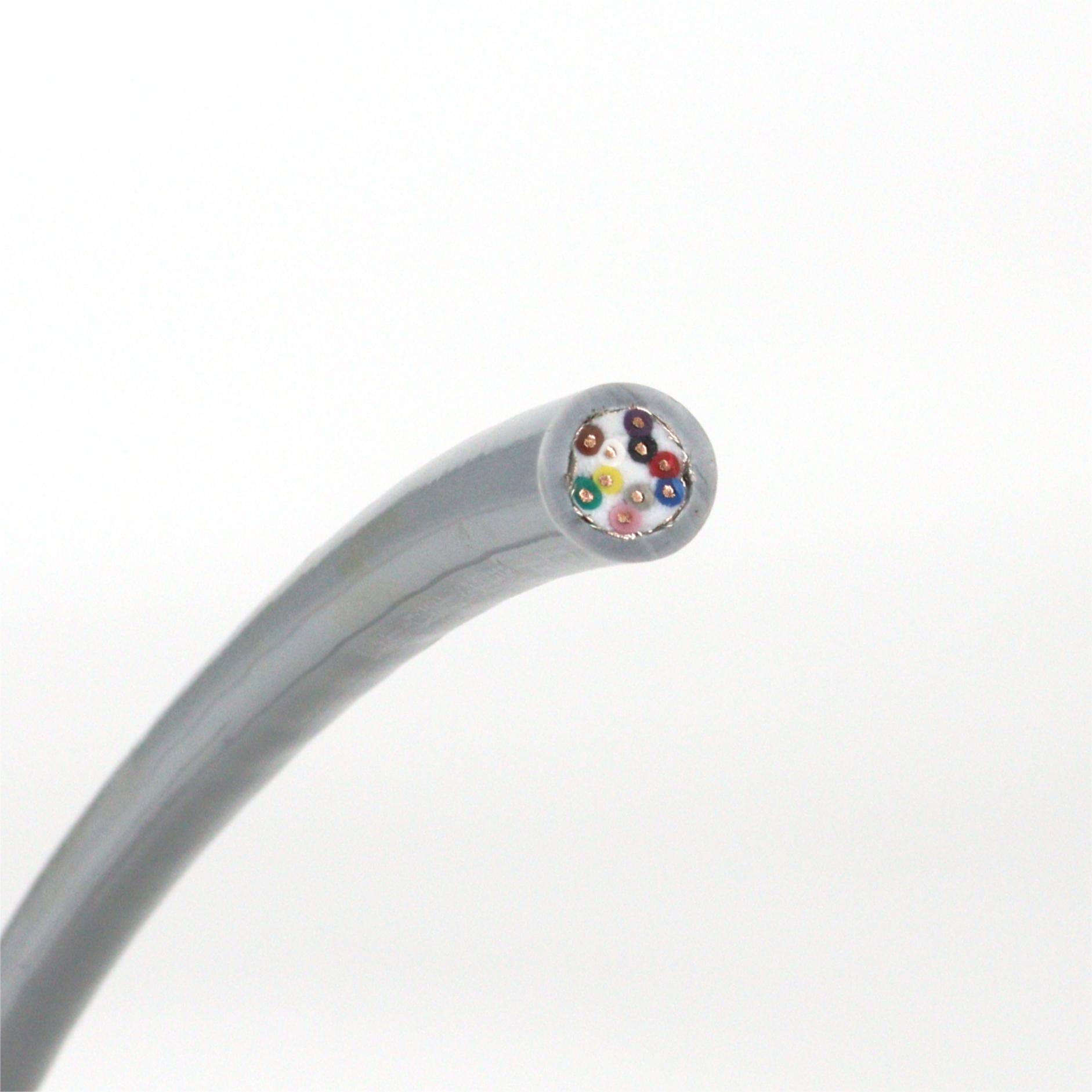
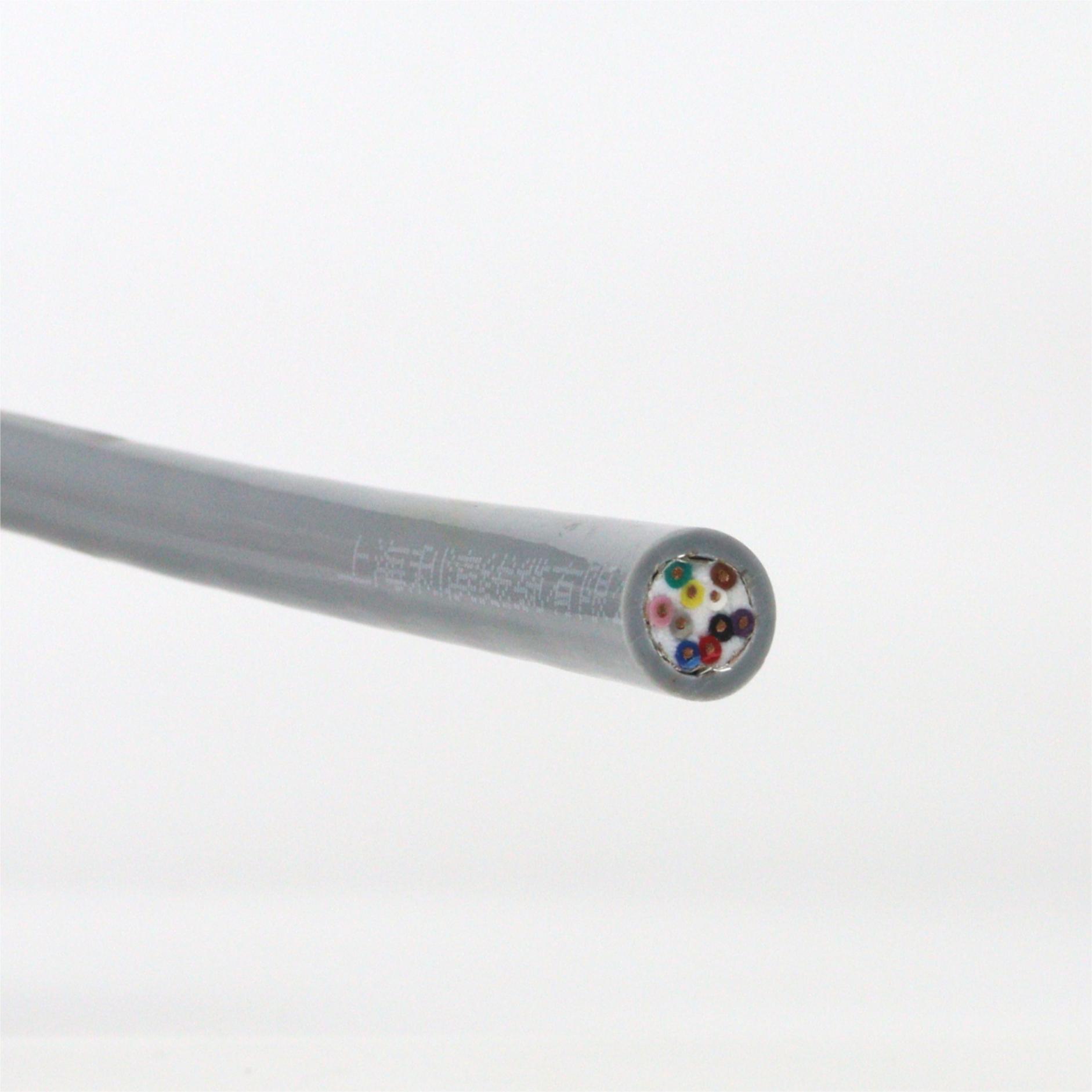
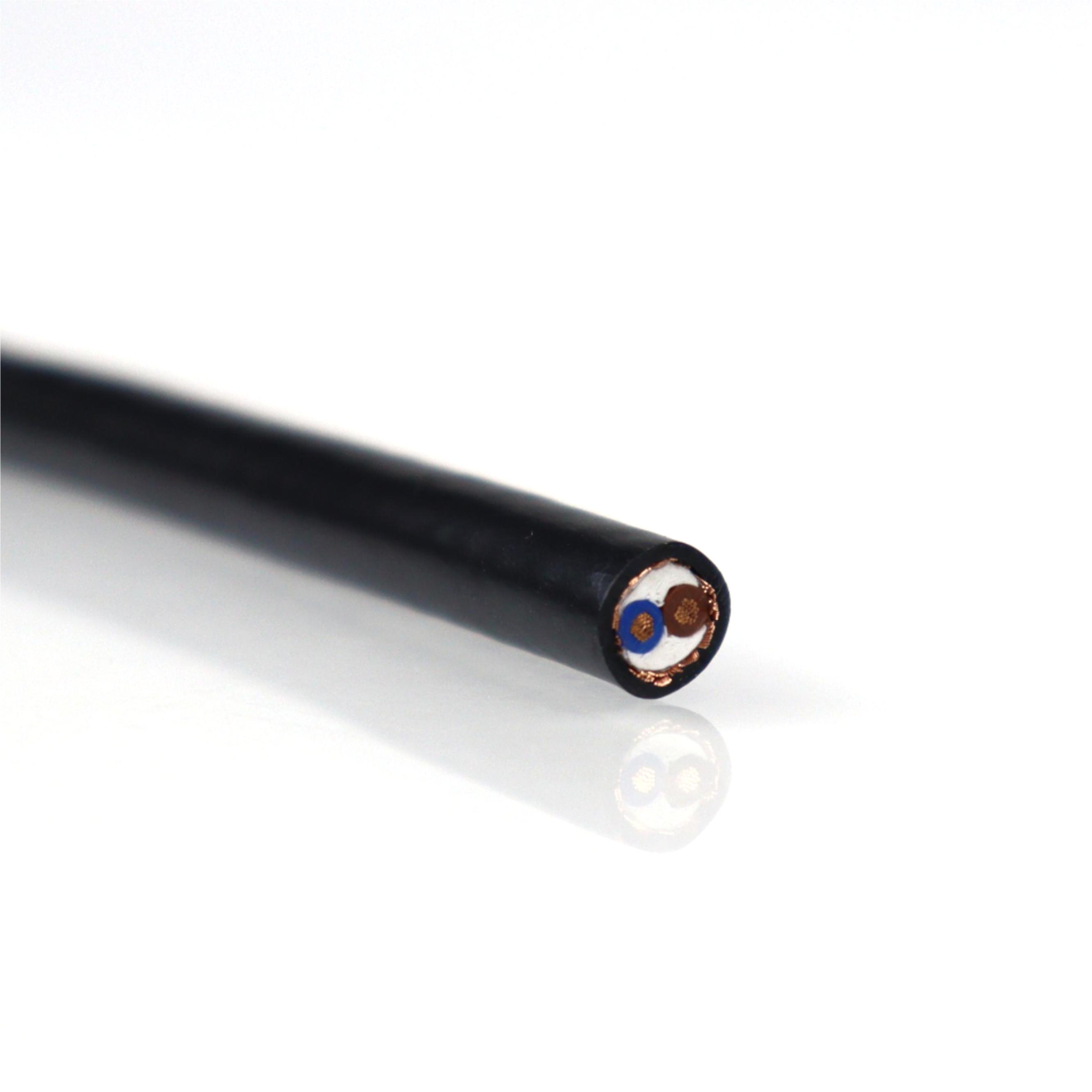
A twisted pair data cable is a network cable that carries digital information through pairs of copper wires twisted around each other. The twisting reduces electrical interference and helps maintain a stable signal over common cable runs. This twisted pair data cable supports Ethernet, telephone, voice, video, security, and automation connections in homes, offices, factories, and data rooms. A twisted pair data cable may use unshielded construction for affordable indoor networks or shielded construction for locations with heavy electrical noise. Common performance categories support different transmission speeds, bandwidth levels, and maximum distances. The twisted pair data cable normally ends with modular connectors, patch panels, keystone jacks, or industrial plugs, depending on the installation. Its main functions include sending data between computers, switches, routers, access points, cameras, servers, and other connected devices. A properly selected twisted pair data cable can support reliable communication while keeping installation simple and maintenance manageable. The twisted pair data cable also offers flexibility because installers can cut, terminate, label, and route it through walls, cabinets, trays, and conduits. For buyers, a twisted pair data cable provides a practical balance between cost, performance, and availability. Compared with fiber, it often costs less and is easier to terminate, although fiber remains better for very long distances and high electromagnetic exposure. In buildings, a twisted pair data cable can support structured cabling from a central network room to work areas. When installed according to its category and distance rating, the cable helps reduce packet loss and connection interruptions. A shielded twisted pair data cable adds protection where motors, power equipment, or radio signals may affect transmission. Overall, this cable remains a dependable choice for everyday wired connectivity.