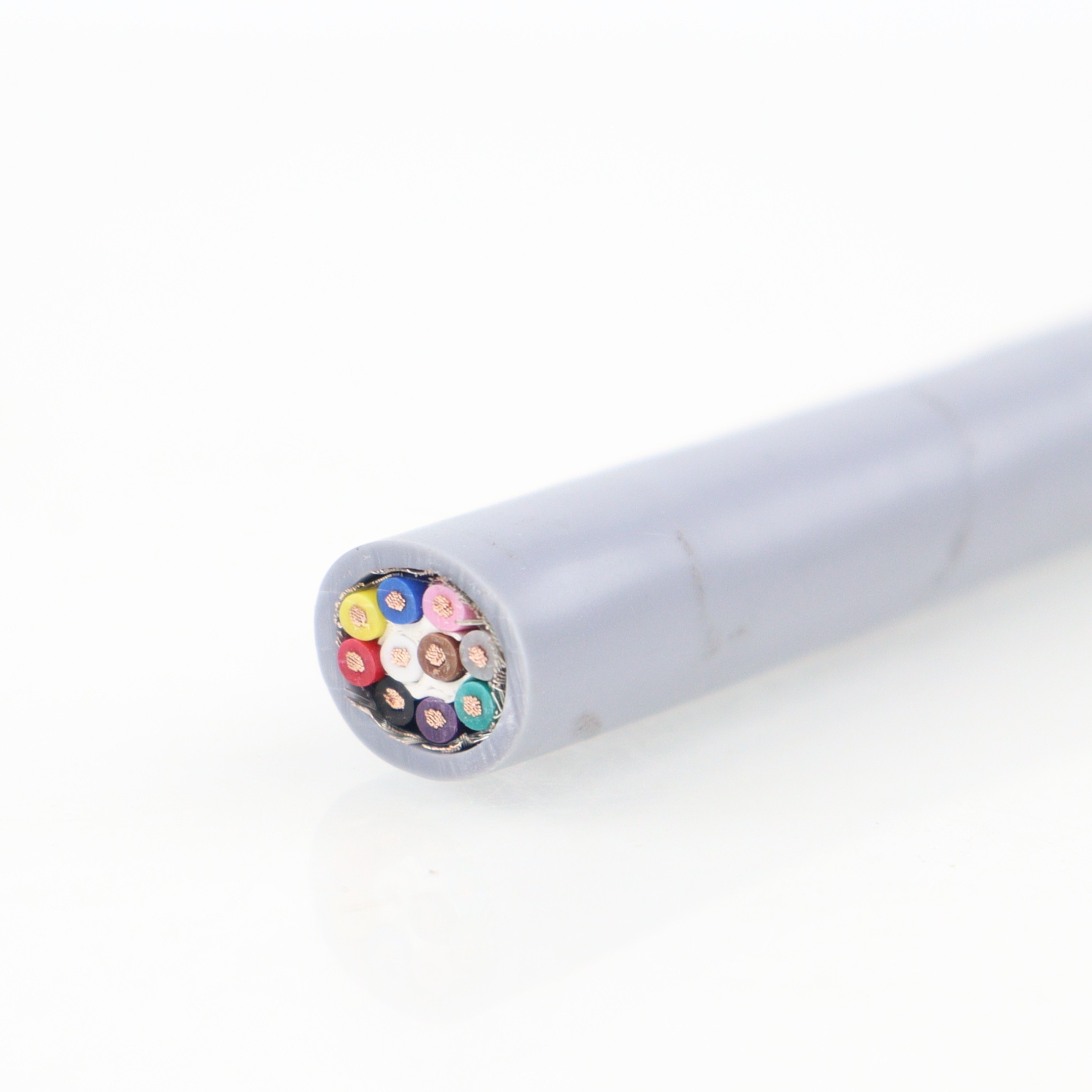
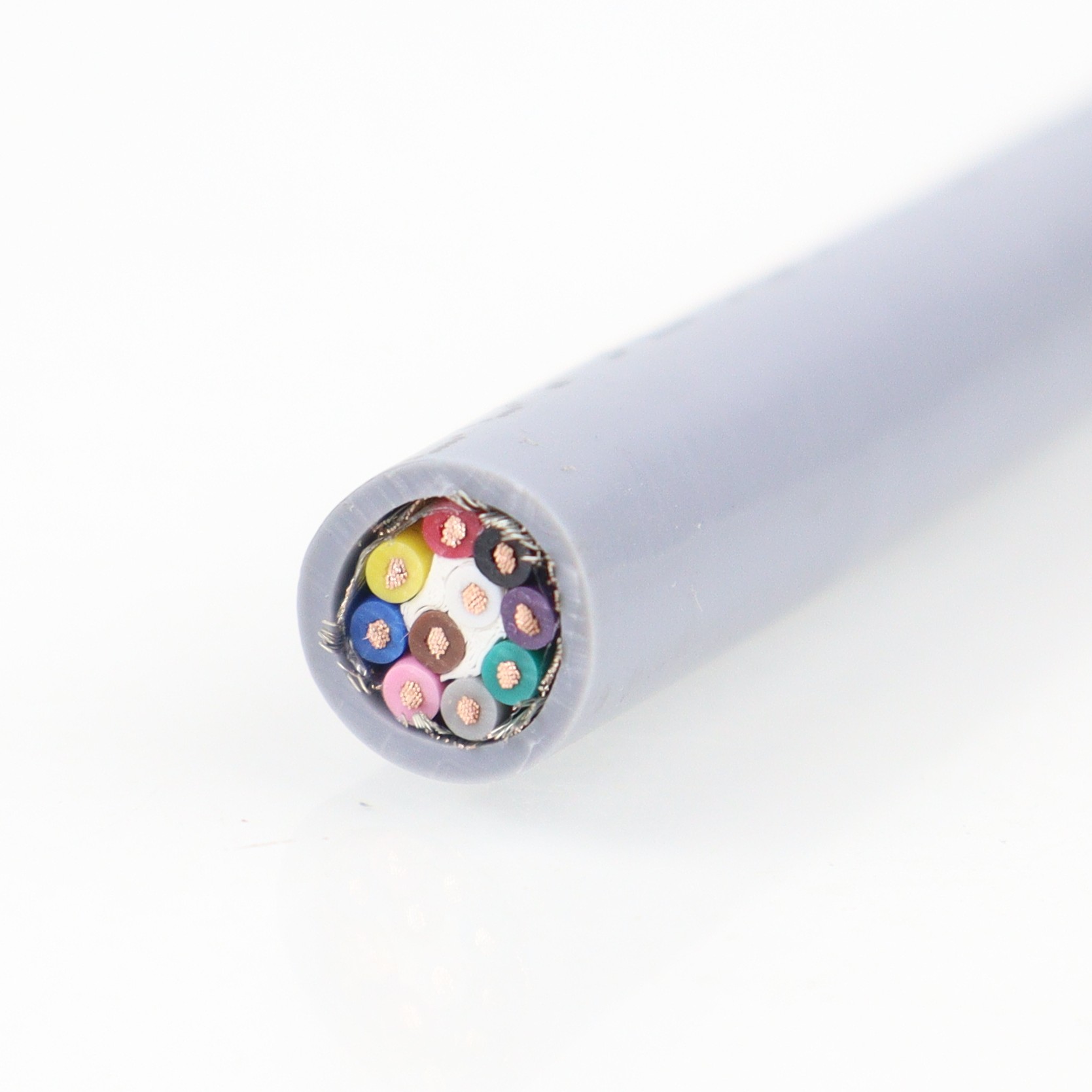
data transmission cable
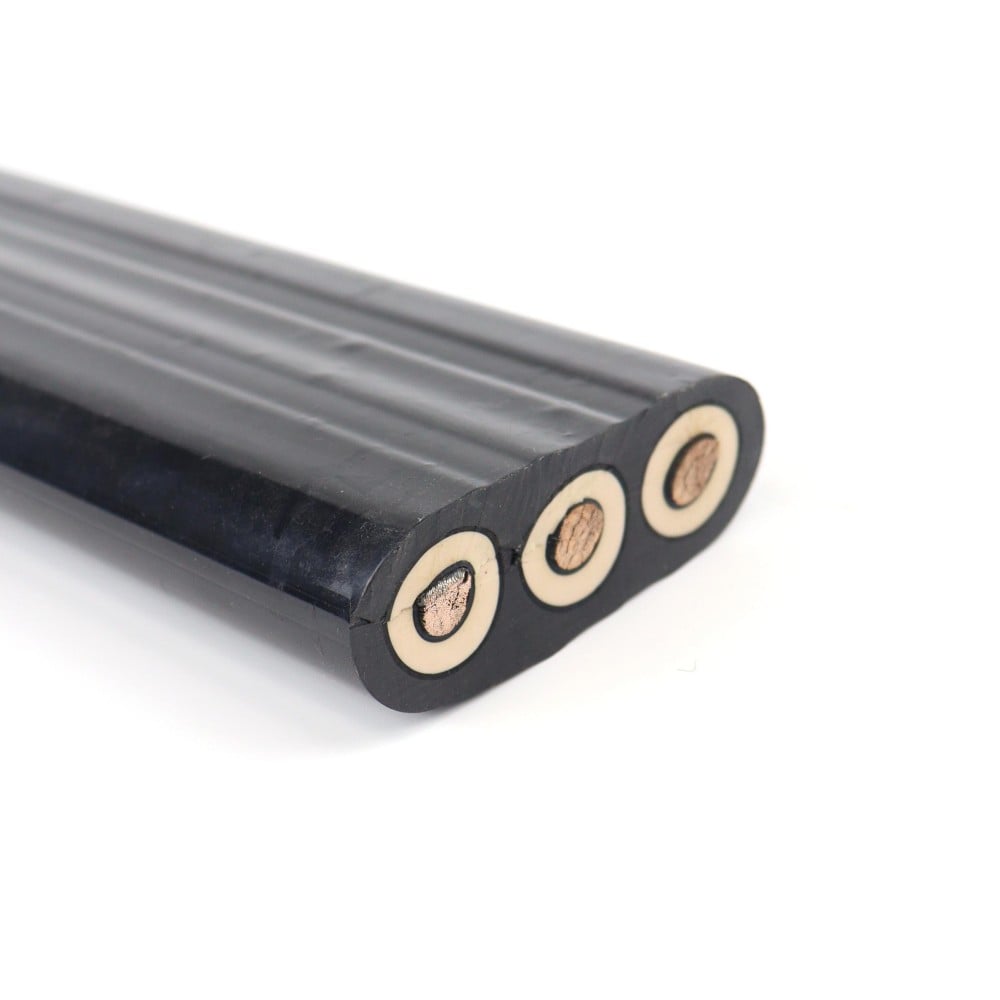
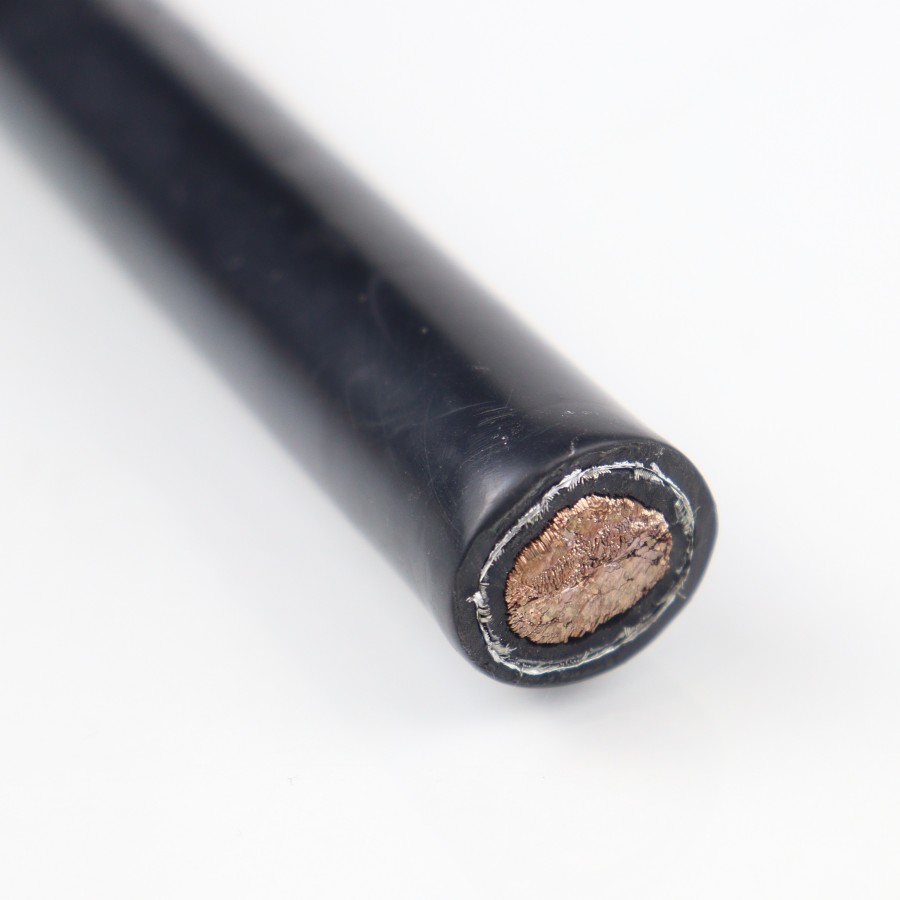
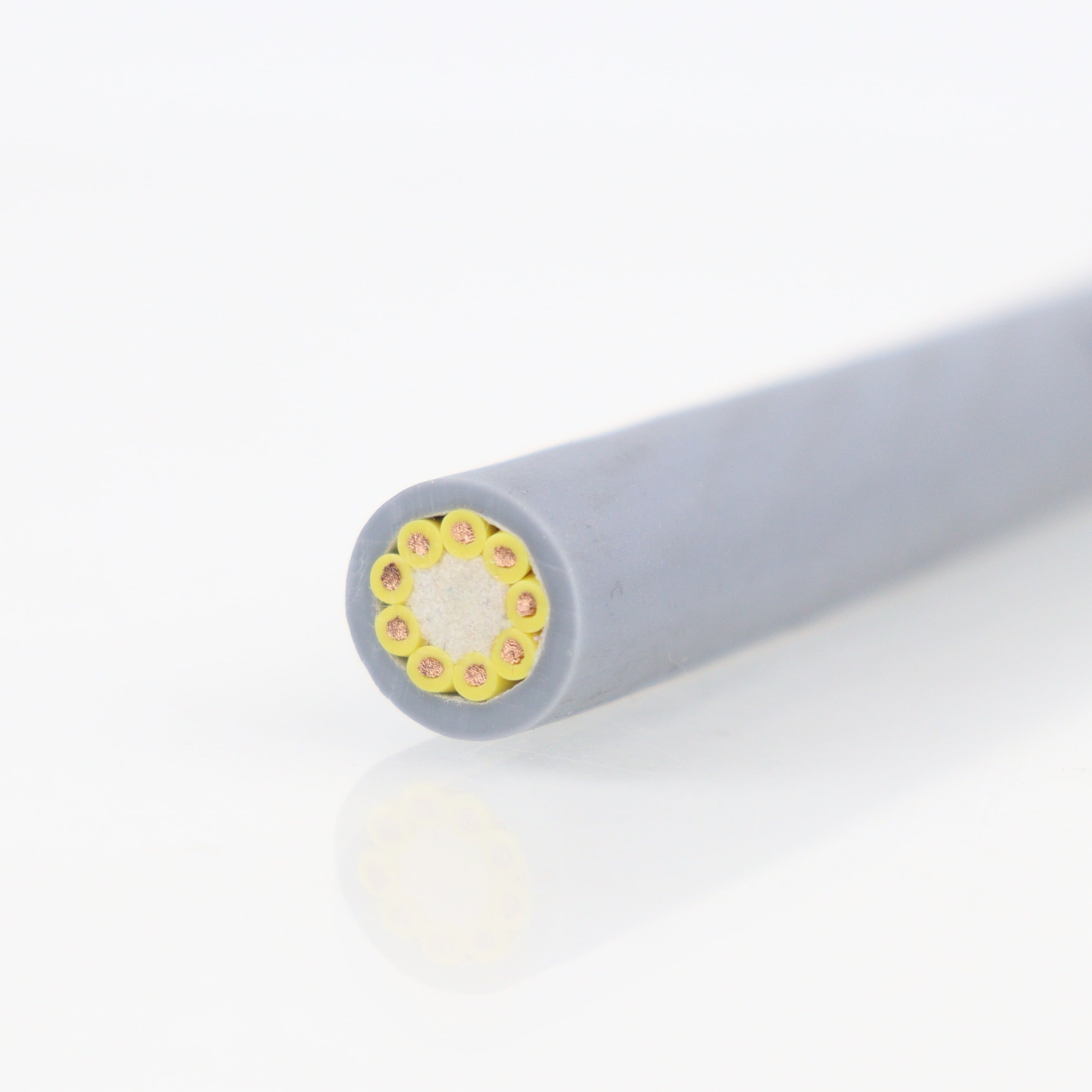
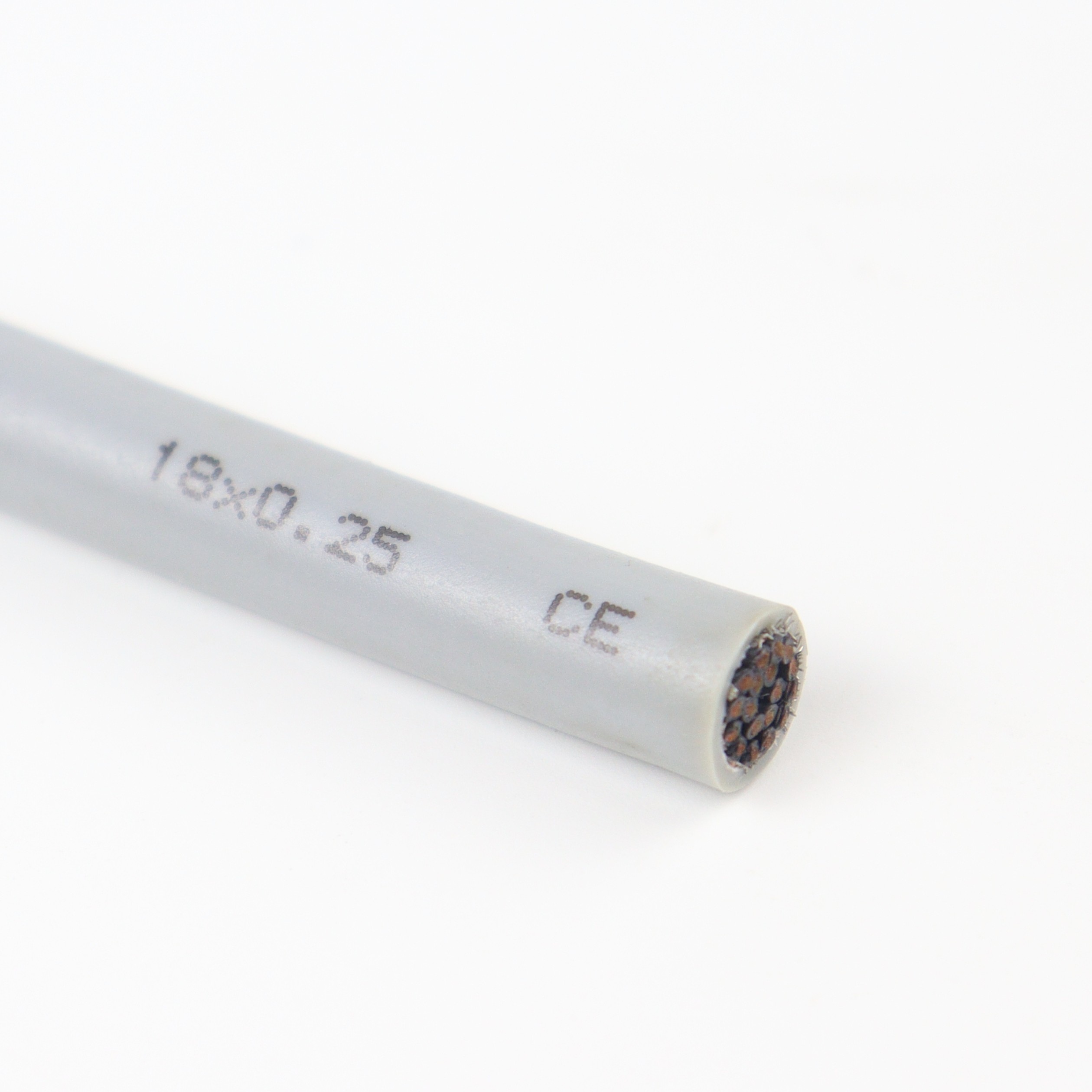
A data transmission cable is a physical connection designed to move digital information between devices, systems, and networks. It carries signals between computers, servers, switches, cameras, storage units, control equipment, and communication hardware. A data transmission cable supports stable movement of files, video, voice, sensor readings, and machine commands, making it a practical choice for homes, offices, factories, data centers, and transport facilities. Unlike wireless links, a data transmission cable creates a direct path that can reduce interference, improve consistency, and support predictable performance. Depending on the design, a data transmission cable may use copper conductors for electrical signaling or optical fibers for high-speed transmission over longer distances. Common versions include Ethernet cables, shielded industrial cables, fiber optic cables, and specialized control cables. Each data transmission cable can be selected according to speed, distance, environment, connector type, and installation method. Modern products often include multiple protective layers, flexible jackets, twisted conductors, shielding, and reinforced fiber structures. These features help a data transmission cable resist bending, moisture, heat, vibration, and electromagnetic noise. A properly matched data transmission cable also supports efficient network expansion and easier maintenance. Businesses use a data transmission cable to connect equipment, share information quickly, and maintain dependable communication. Choosing the right data transmission cable requires attention to bandwidth, transmission distance, signal quality, durability, and compatibility. When these factors match the application, the data transmission cable helps create a secure, organized, and responsive communication system.