Cost of Data Cable: Pricing and Buyer Guide

application/cost-of-data-cable, application/cost-of-data-cable, 
Inquiry
Inquiry

cost of data cable

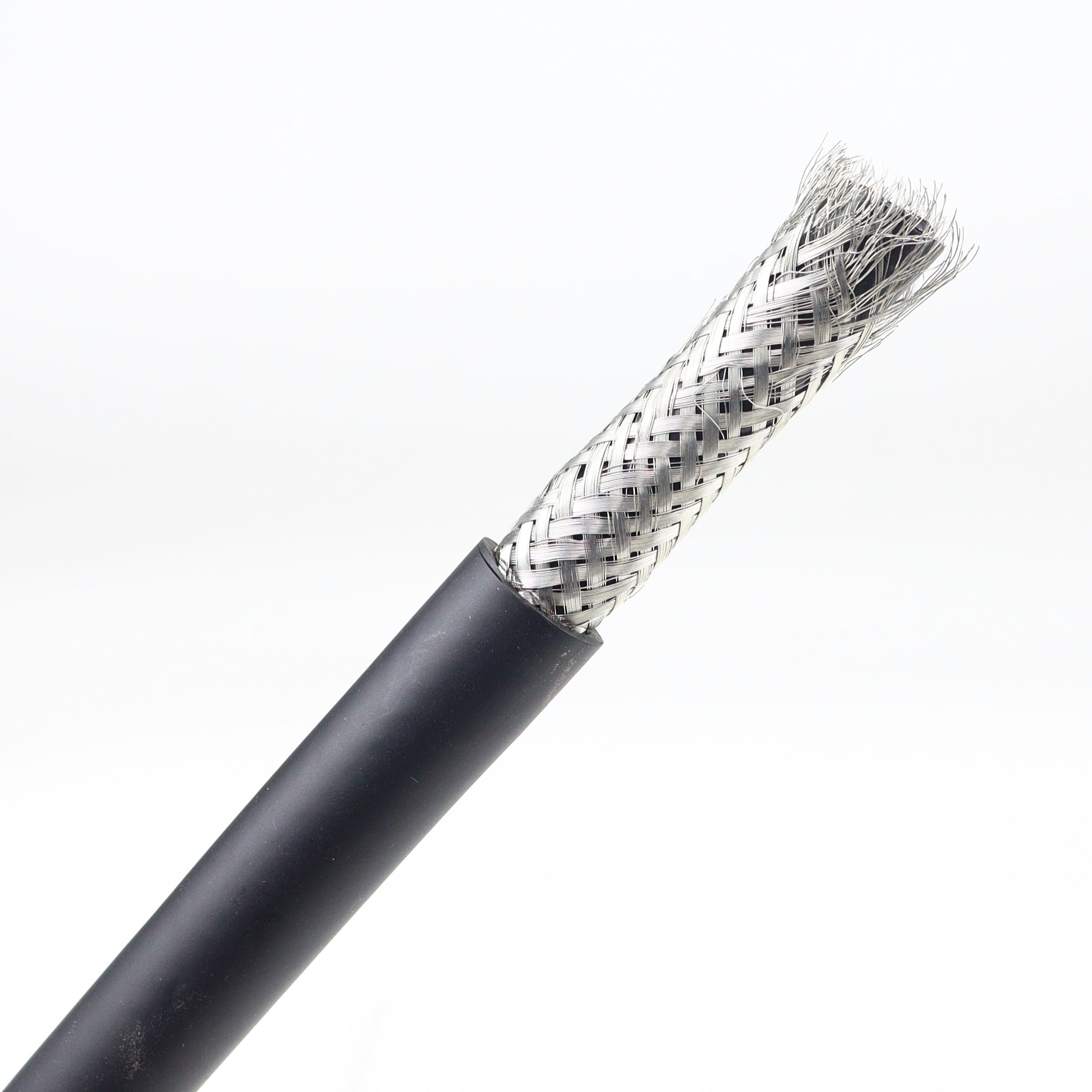
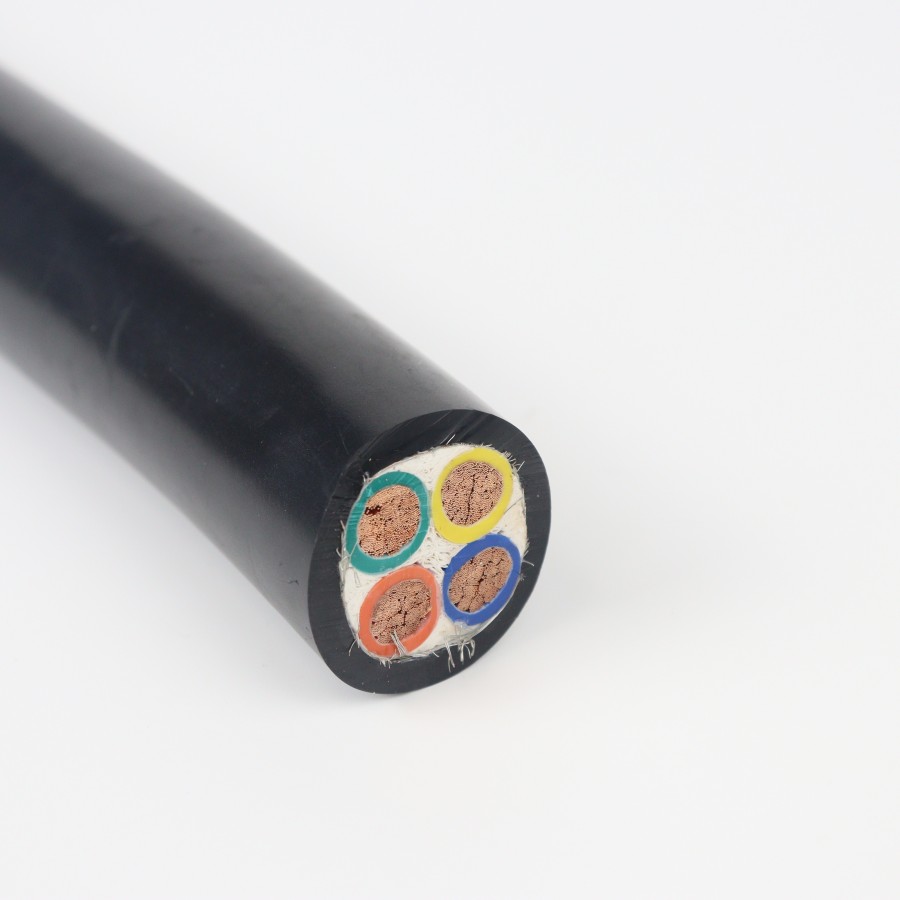
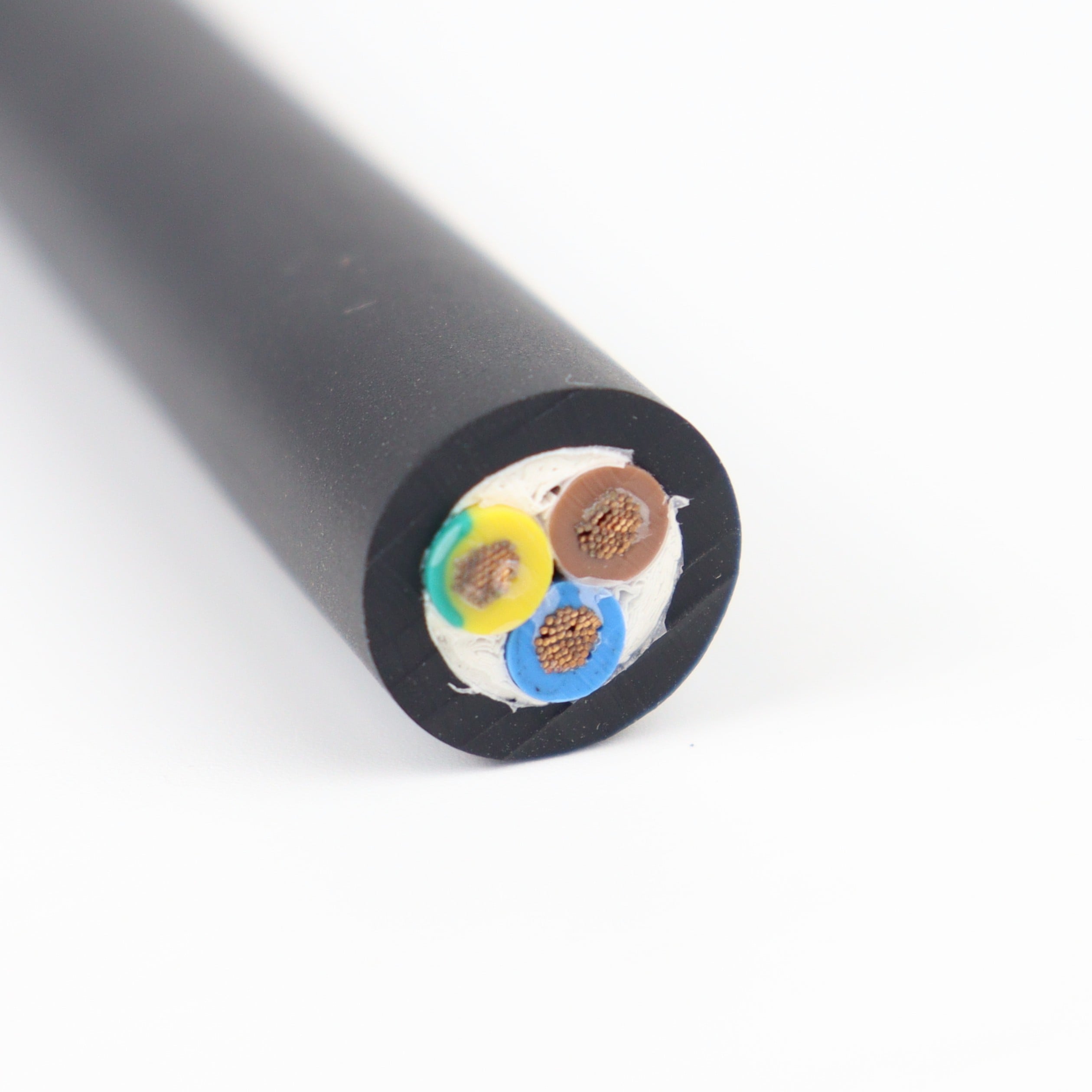
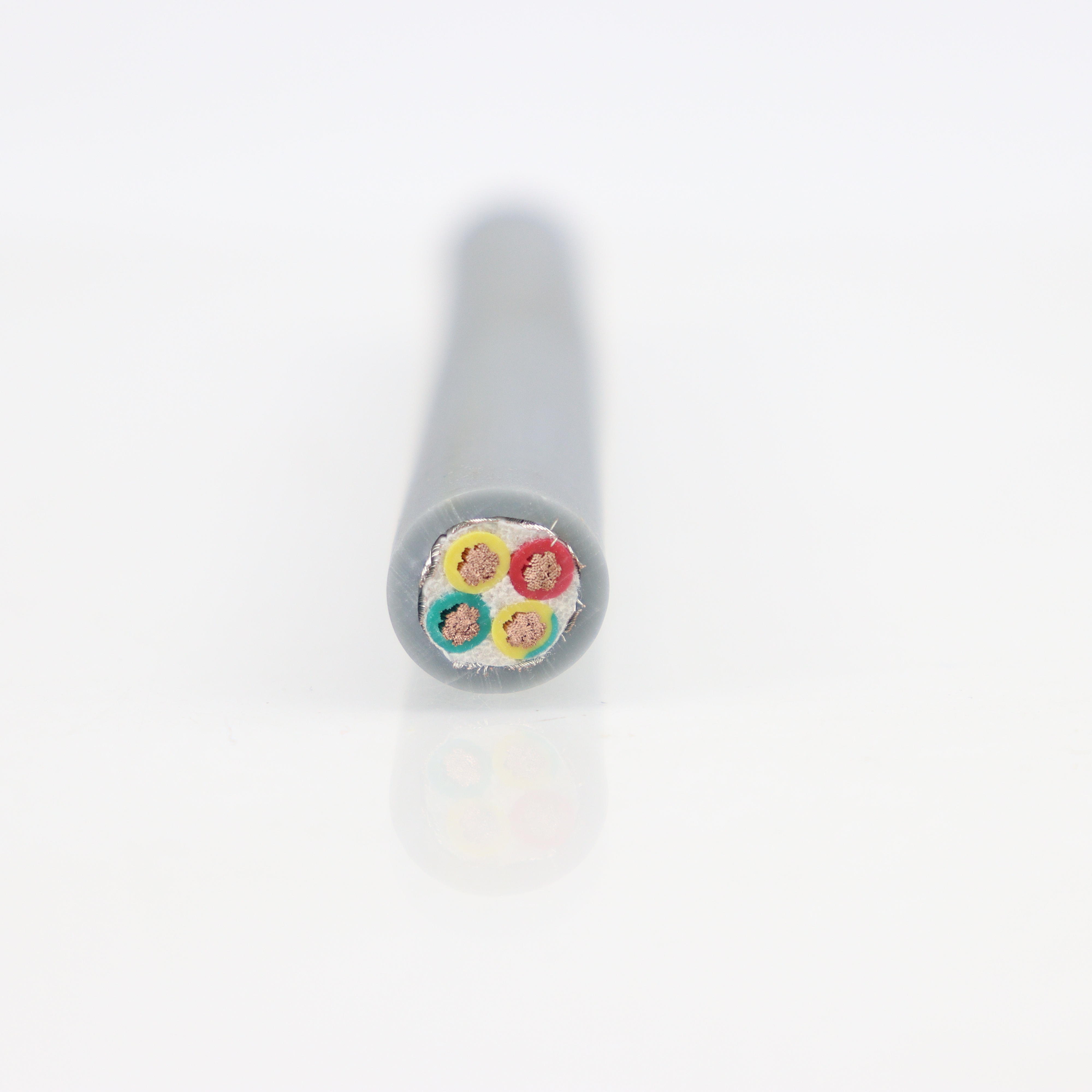
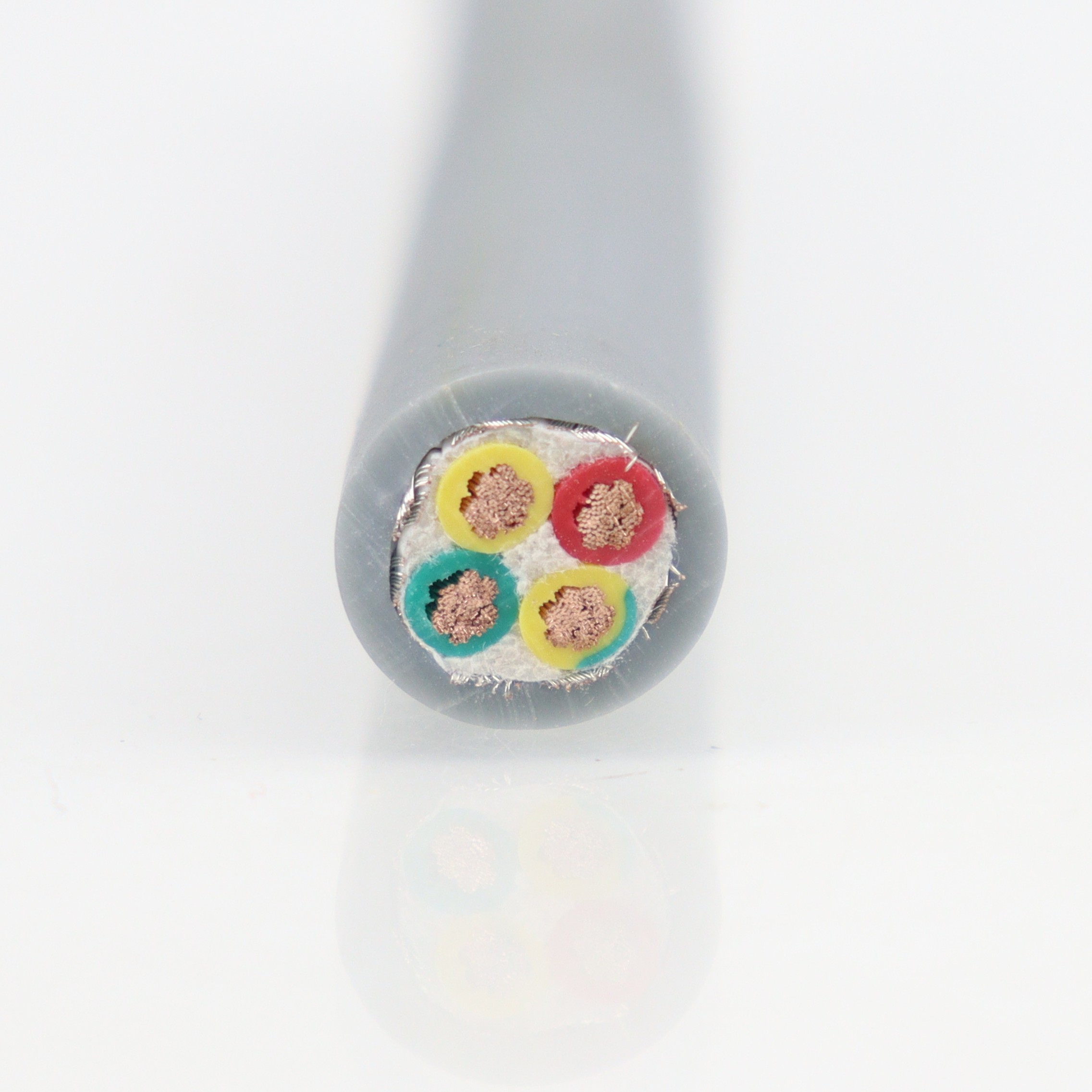
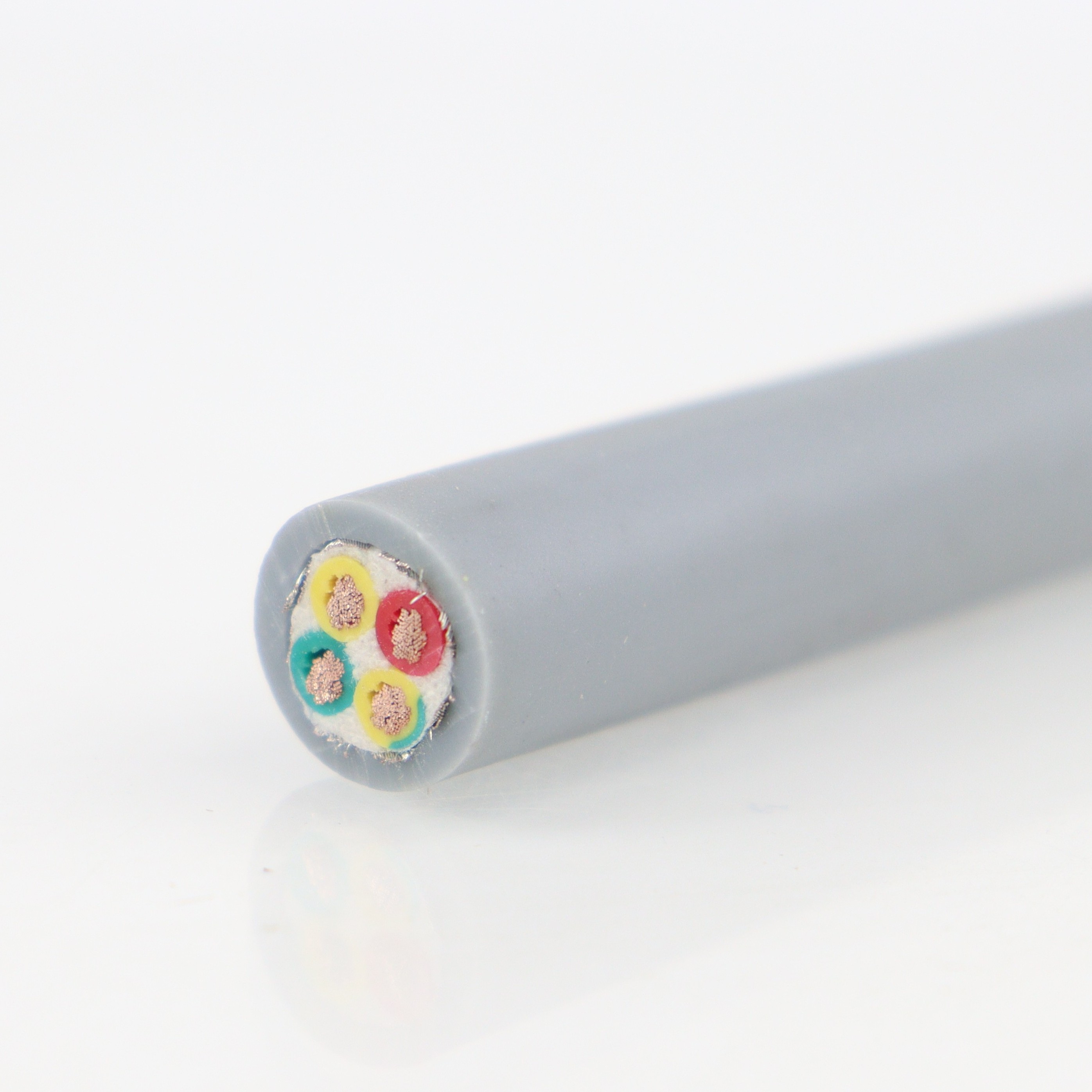
The cost of data cable depends on cable category, length, shielding, connector type, brand, and purchase volume. Buyers usually compare copper Ethernet cables, fiber optic cables, USB data leads, coaxial cables, and specialty industrial lines. Each option moves digital information, but its design determines speed, distance, durability, and installation needs. The cost of data cable often rises when a cable supports higher bandwidth, longer runs, stronger protection, or stricter testing. A useful cost of data cable comparison should therefore examine performance rather than price alone. Standard copper cable suits homes, offices, cameras, printers, and network switches. Fiber optic cable provides fast, stable transmission across long distances and areas affected by electrical interference. USB cables connect computers, storage devices, displays, and mobile equipment, while coaxial products support broadband, video, and signal distribution. The cost of data cable also reflects conductor quality, insulation, fire rating, bend resistance, and connector construction. A short indoor cable may have a low cost of data cable, while outdoor, armored, or water-resistant products cost more because they protect data in difficult conditions. For basic networking, the cost of data cable can remain modest when users select the correct length and speed. For demanding systems, the cost of data cable should include testing, installation, trays, patch panels, and replacement access. Buyers should check transmission speed, compatibility, warranty, and expected service life. A clear cost of data cable review helps customers avoid paying for features they will not use while preventing early upgrades. In short, cost of data cable is best judged by total performance, reliability, and application fit.
Understanding the cost of data cable helps buyers control budgets without sacrificing connection quality. The first advantage is clearer product selection. Instead of choosing the cheapest lead, customers can match cable speed and construction to the equipment they already own. A balanced cost of data cable gives a home user dependable streaming and gaming, while a business gains stable access between computers, servers, phones, and wireless equipment. The second advantage is lower operating risk. A correctly rated cable reduces dropped connections, slow transfers, signal loss, and repeated service calls. This makes the cost of data cable easier to justify because the purchase supports daily productivity rather than creating another maintenance task. Cable length also affects value. Buying the right length keeps installations neat, limits unnecessary material, and reduces trip hazards. The cost of data cable becomes more efficient when customers order standard lengths for routine work and reserve custom lengths for complex layouts. Application suitability provides another practical benefit. Indoor office cables can focus on flexibility and easy routing, while outdoor systems need weather protection. Factories, medical areas, data rooms, and security installations may need stronger jackets, better bend protection, or resistance to electrical noise. Comparing cost of data cable against these conditions prevents premature failure. Customers should also consider installation time. Easy-to-terminate cables and clear labeling can reduce labor costs, especially across large buildings. The cost of data cable should include connectors, testing tools, patch accessories, and future expansion space when planning a complete network. Bulk purchasing can lower the unit price, but buyers should avoid excess stock that becomes outdated. A sensible cost of data cable balances purchase price, service life, repair exposure, and performance. This approach gives customers dependable connectivity, predictable spending, and a product that fits the intended environment. It also supports easier upgrades because a suitable cable can handle expected equipment changes. In practical terms, cost of data cable is not simply a checkout figure; it is a decision about reliability, labor, and long-term value.

Tips And Tricks

Shanghai Libin Cable Showcases Robot and Automation Cable Solutions at CMES Shanghai Industrial Automation & Robotics Exhibition

16

Oct

Shanghai Libin Cable Showcases Robot and Automation Cable Solutions at CMES Shanghai Industrial Automation & Robotics Exhibition

View More
Shanghai Libin Cable Showcases Crane Cable Solutions at the 11th China (Changyuan) International Crane Equipment Expo

16

Oct

Shanghai Libin Cable Showcases Crane Cable Solutions at the 11th China (Changyuan) International Crane Equipment Expo

View More
Why Drag Chain Cables Fail: Four Common Causes and How to Select Correctly

16

Oct

Why Drag Chain Cables Fail: Four Common Causes and How to Select Correctly

View More
Industrial Robot Combination Cable: Routing Power and Signal Together in a Small-Bend-Radius Drag Chain

16

Oct

Industrial Robot Combination Cable: Routing Power and Signal Together in a Small-Bend-Radius Drag Chain

View More

Get a Free Quote

Our representative will contact you soon.
0/1000
Speed That Matches Real Equipment

Speed That Matches Real Equipment

The cost of data cable delivers the most value when it matches the speed of the connected devices. A basic cable can handle everyday browsing, printing, and simple file sharing, while a higher-rated product supports faster switches, storage systems, video traffic, and busy office networks. This prevents two common mistakes: overpaying for unused capacity or selecting a cable that limits an expensive device. Buyers can compare cost of data cable by checking the supported data rate, connector standard, and maximum recommended distance. Clear labeling makes future maintenance easier because staff can identify suitable replacements without guesswork. A correct match also reduces slow transfers and unstable connections during peak use. For households, that means smoother streaming and gaming. For companies, it means quicker access to shared files and cloud services. The cost of data cable becomes especially important during upgrades, since a low-priced old cable may force another purchase later. Choosing practical headroom gives customers reliable performance today and room for moderate growth tomorrow. This feature turns a simple cable purchase into a useful investment in equipment performance and user productivity.
Durability for Challenging Installations

Durability for Challenging Installations

A strong outer jacket is a major reason the cost of data cable varies. Indoor office routes may need a flexible jacket, but outdoor, factory, warehouse, and construction installations face moisture, sunlight, abrasion, bending, and temperature changes. The right construction protects internal conductors and keeps transmission stable for longer. Customers should compare cost of data cable with the environment where it will operate, not only with the product photograph or package price. Water-resistant designs help outdoor cameras and building links continue working through changing weather. Reinforced cables suit areas where equipment moves or people frequently handle the line. Better bend protection can prevent damage near racks, desks, and connectors. The cost of data cable may be higher for these features, yet replacement labor and downtime often cost more than the initial difference. Durable products also reduce waste because customers do not need to discard failed cables after a short service period. Buyers should confirm fire, temperature, and jacket ratings when local rules or building conditions require them. By selecting construction for the real location, customers gain safer routing, fewer interruptions, and more predictable ownership costs. This makes the cost of data cable a practical reliability decision rather than a narrow price comparison.
Flexible Options for Many Applications

Flexible Options for Many Applications

The cost of data cable supports a wide range of uses, from a single home connection to a large commercial network. Copper Ethernet cable offers familiar installation and works well for computers, access points, phones, cameras, and switches. Fiber optic cable suits long links, high traffic, and locations where electrical interference could weaken a signal. USB products serve direct connections between computers, drives, displays, and small devices, while coaxial cable remains useful for broadband and video distribution. This range lets customers select one solution for a defined job instead of forcing every project into the same format. Comparing cost of data cable by application also clarifies the accessories needed, such as adapters, transceivers, connectors, or patch panels. A suitable product simplifies installation and improves compatibility. The cost of data cable can be especially attractive when suppliers offer multiple lengths, colors, connector styles, and pack sizes. Buyers can standardize common items for easier inventory control while ordering specialized versions only where necessary. This approach supports homes, offices, schools, retail sites, security systems, and industrial facilities. The cost of data cable therefore provides value through choice, helping customers build connections that fit their distance, equipment, environment, and budget. It also makes future maintenance more organized because each cable type has a clear role.