shielded data cable
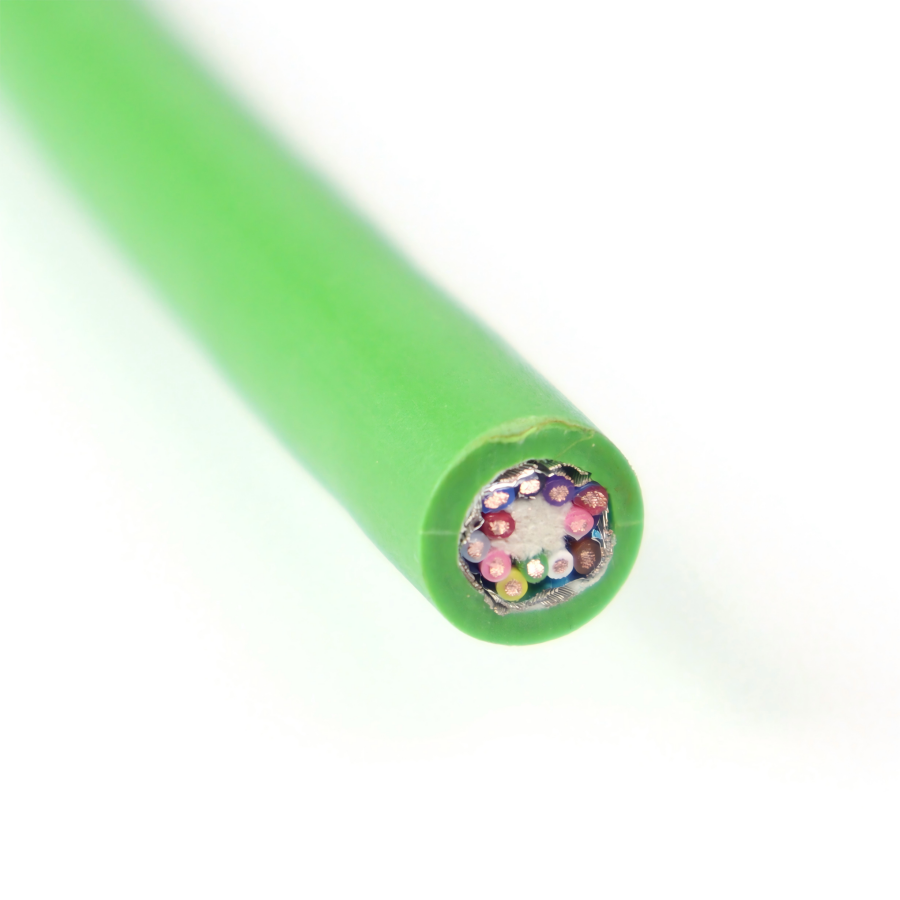
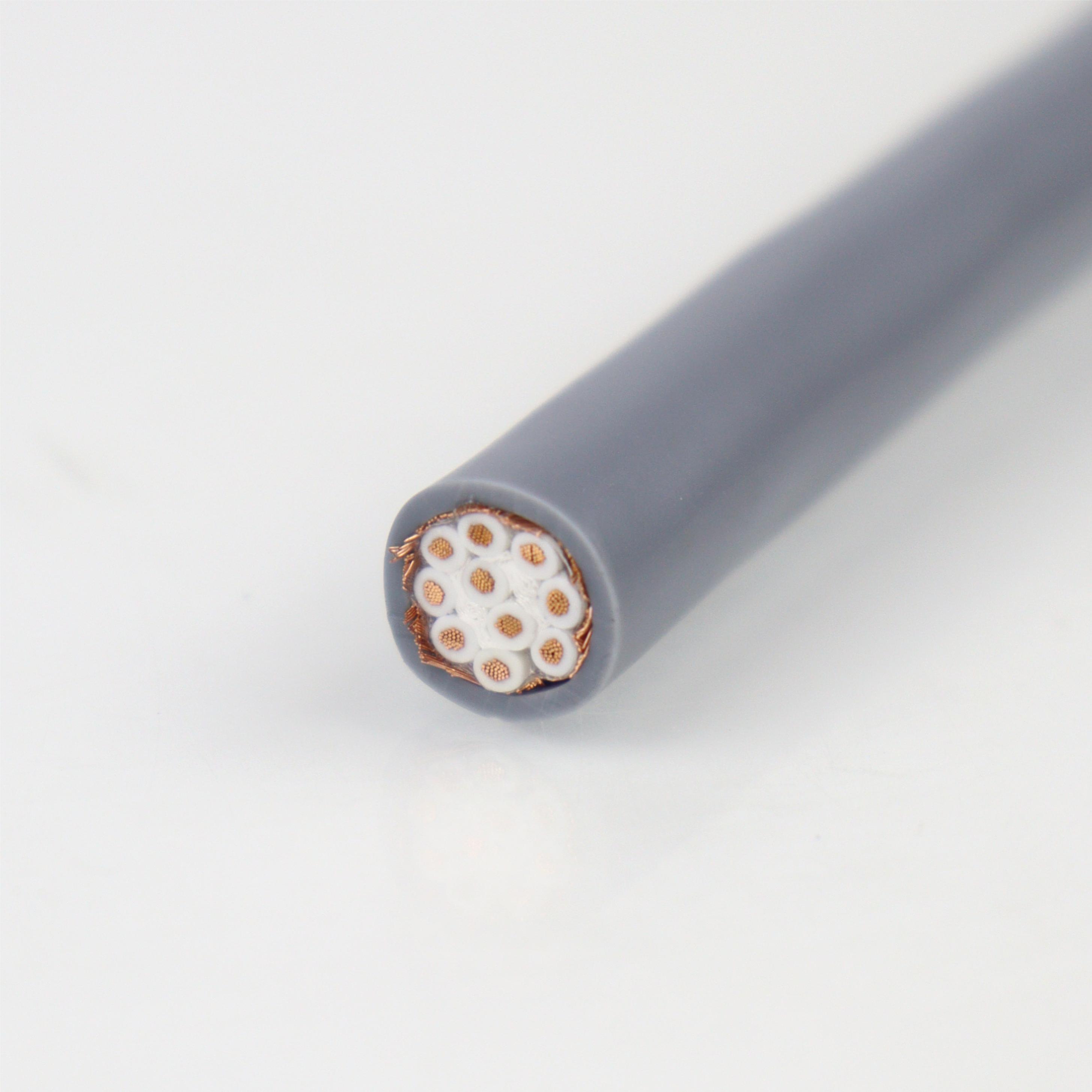
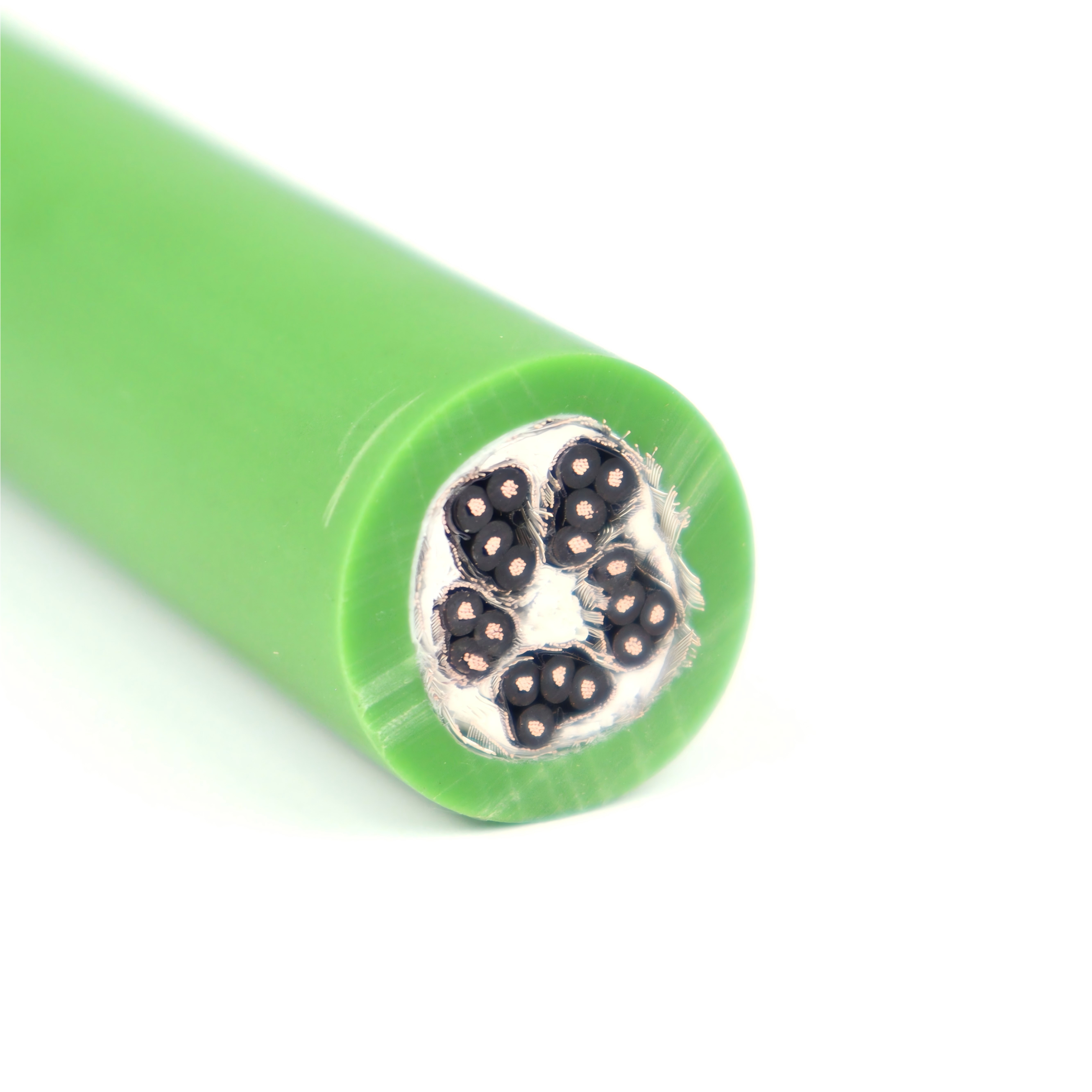
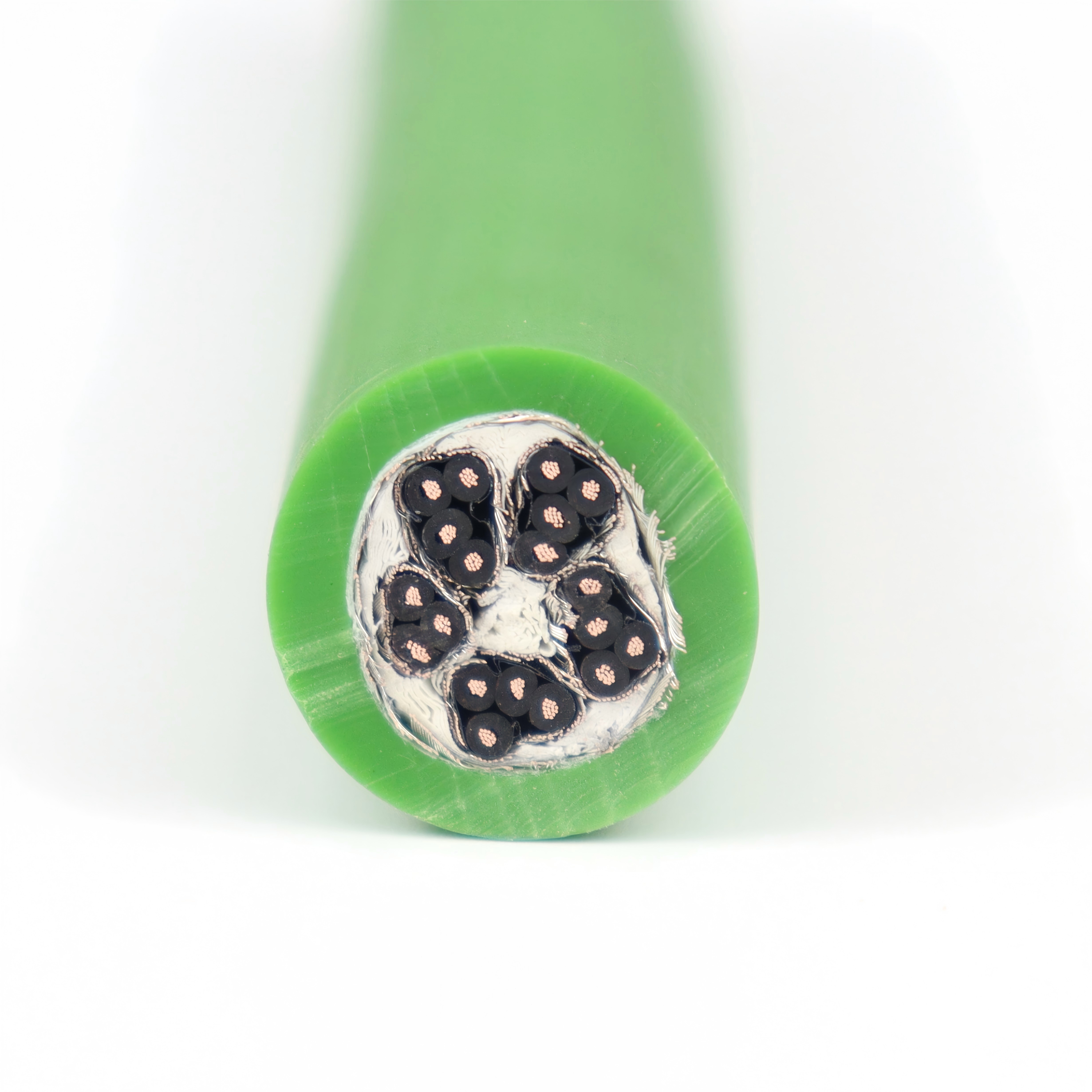
A shielded data cable is designed to carry digital signals while limiting interference from nearby electrical equipment. It combines one or more twisted copper pairs with a conductive layer, such as foil, braid, or both. This shield helps block electromagnetic noise and reduces signal leakage, making a shielded data cable a practical choice for reliable network and control connections. Unlike an unshielded design, a shielded data cable adds protection where motors, power lines, lighting systems, or radio devices may affect communication. The shielded data cable supports Ethernet, industrial networking, building automation, security systems, audio control, and other data applications. Depending on the model, a shielded data cable may use solid or stranded conductors, different conductor sizes, and insulation suited to indoor, outdoor, flexible, or fixed installation. A shielded data cable can also include a drain wire and metal connectors that maintain a continuous path to ground. This design helps preserve signal quality over suitable distances and supports stable transfer rates. A shielded data cable is available in categories and performance classes that match common network standards, so buyers can select the right option for speed, bandwidth, and installation conditions. Because the shielded data cable reduces unwanted electrical influence, it can help lower transmission errors, dropped connections, and maintenance calls. When a shielded data cable is correctly installed and grounded, it provides a dependable link for demanding environments. Overall, shielded data cable technology combines structured conductors, protective insulation, and interference control in one connection solution. It gives installers a clear way to improve communication reliability without replacing the complete network design.