Elevator Flat Cable for Reliable Lift Systems

application/elevator-flat-cable, application/elevator-flat-cable, 
Inquiry
Inquiry

elevator flat cable

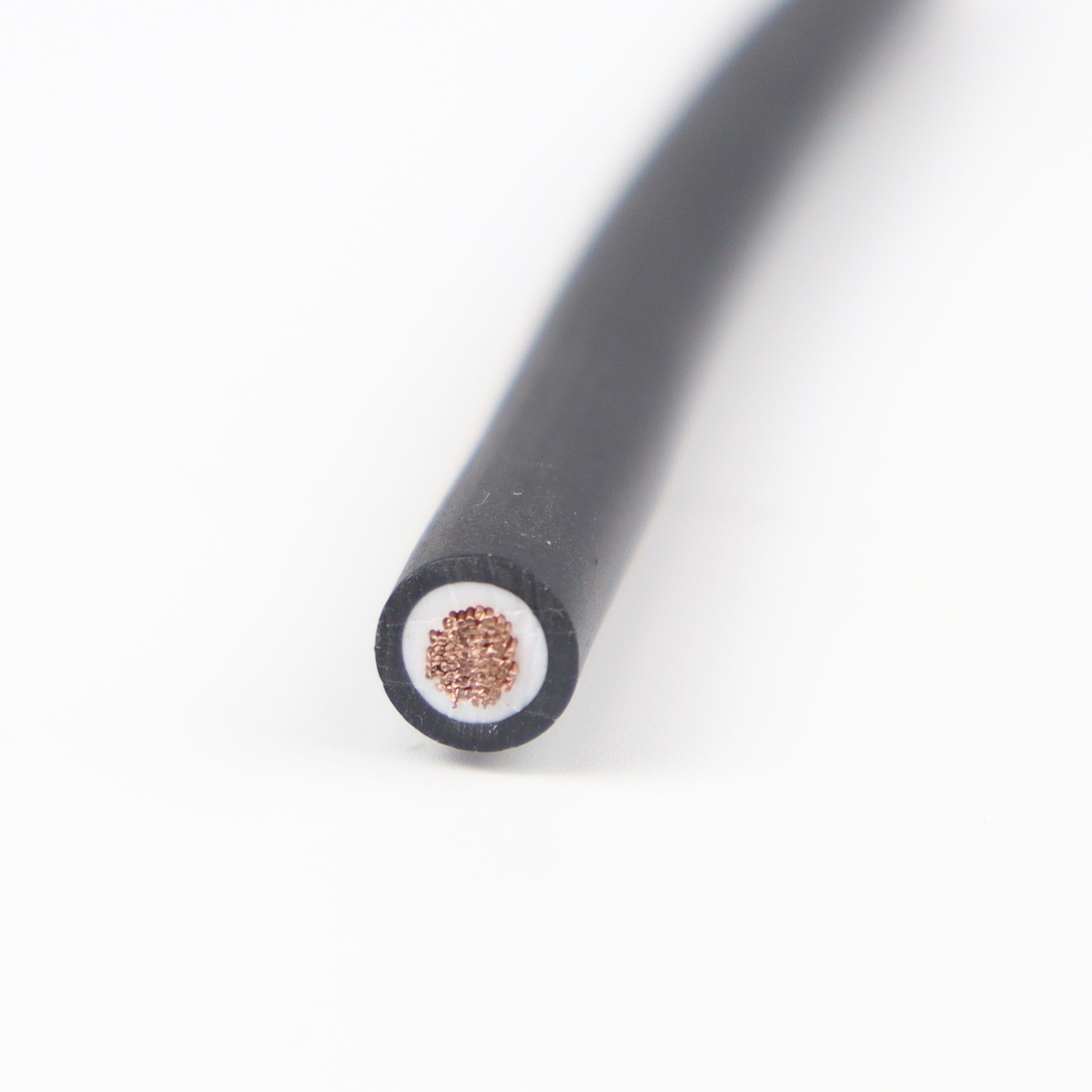
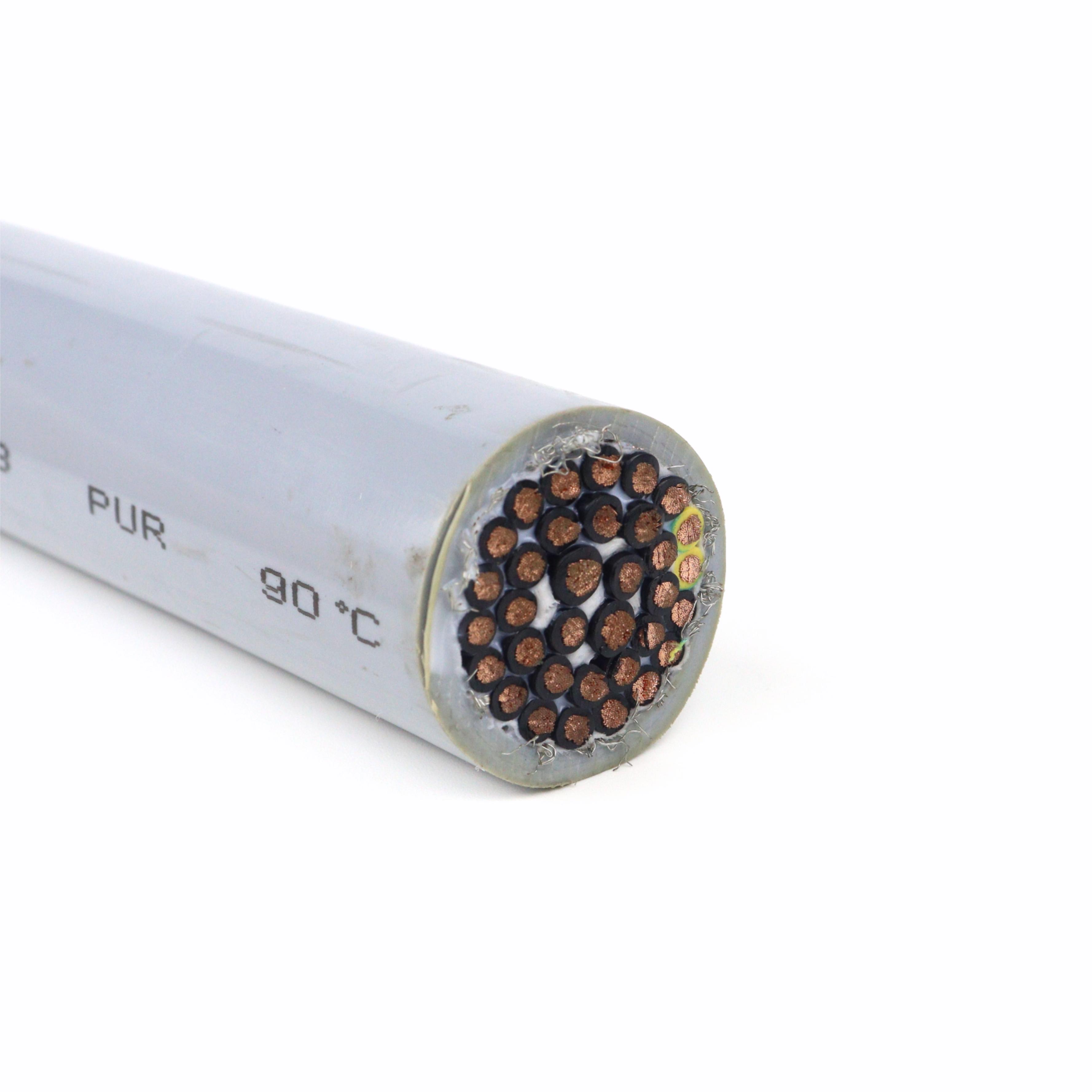
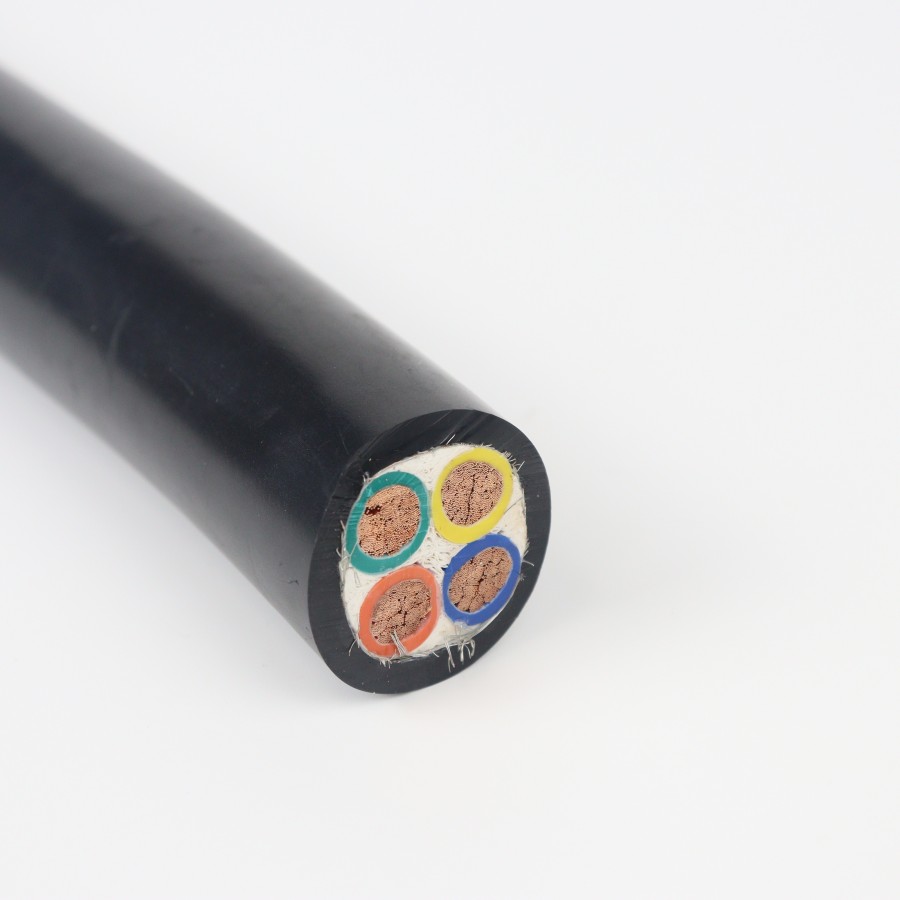
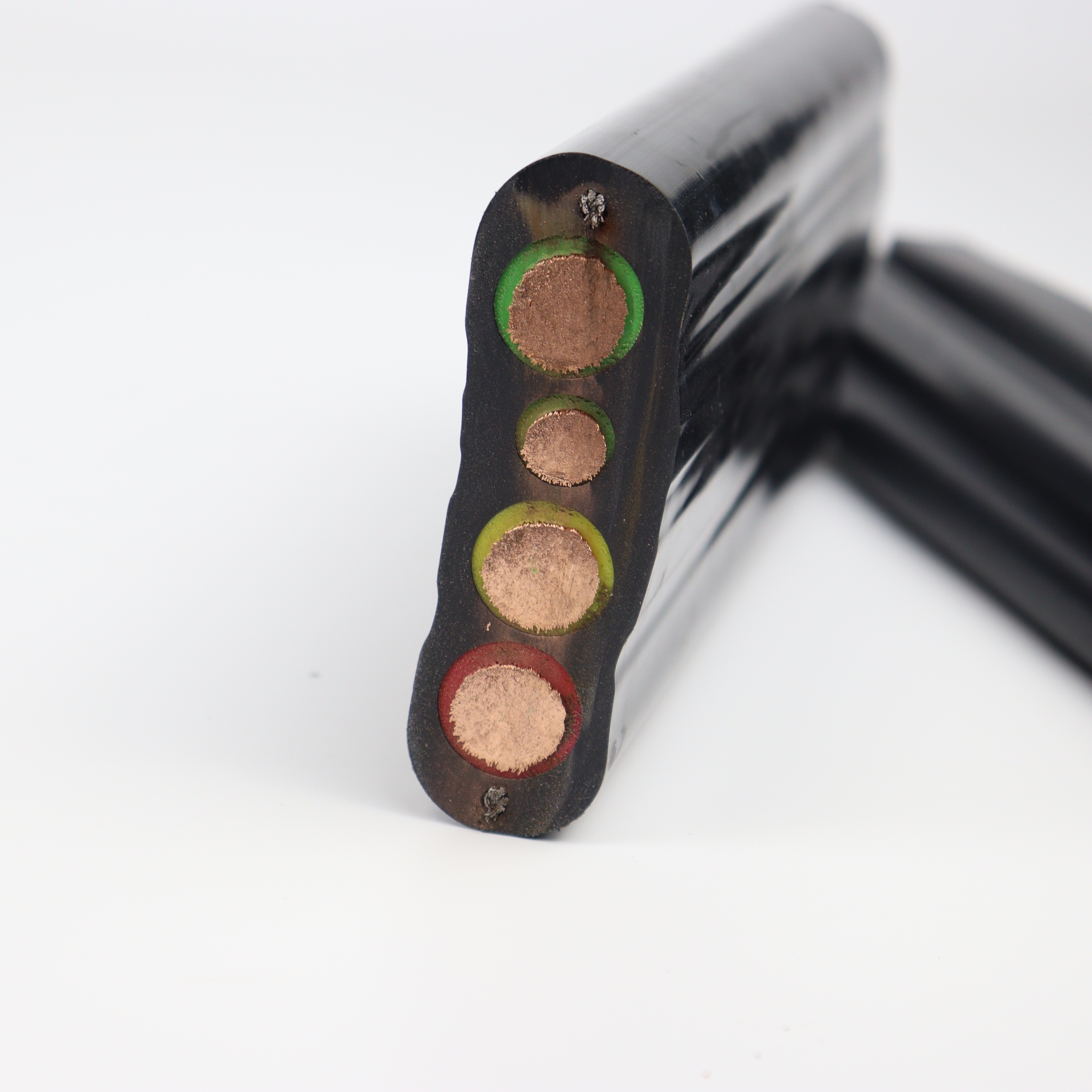
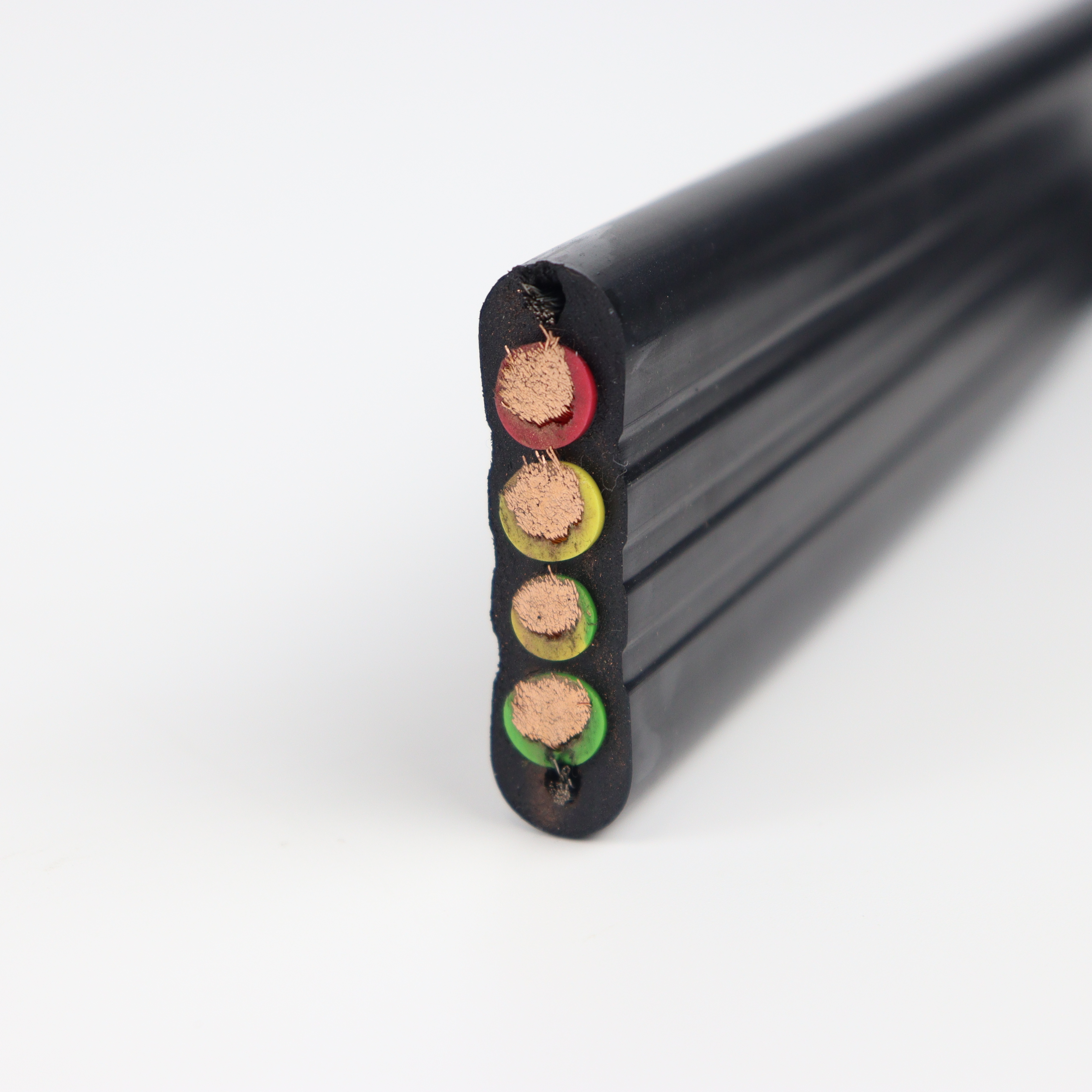
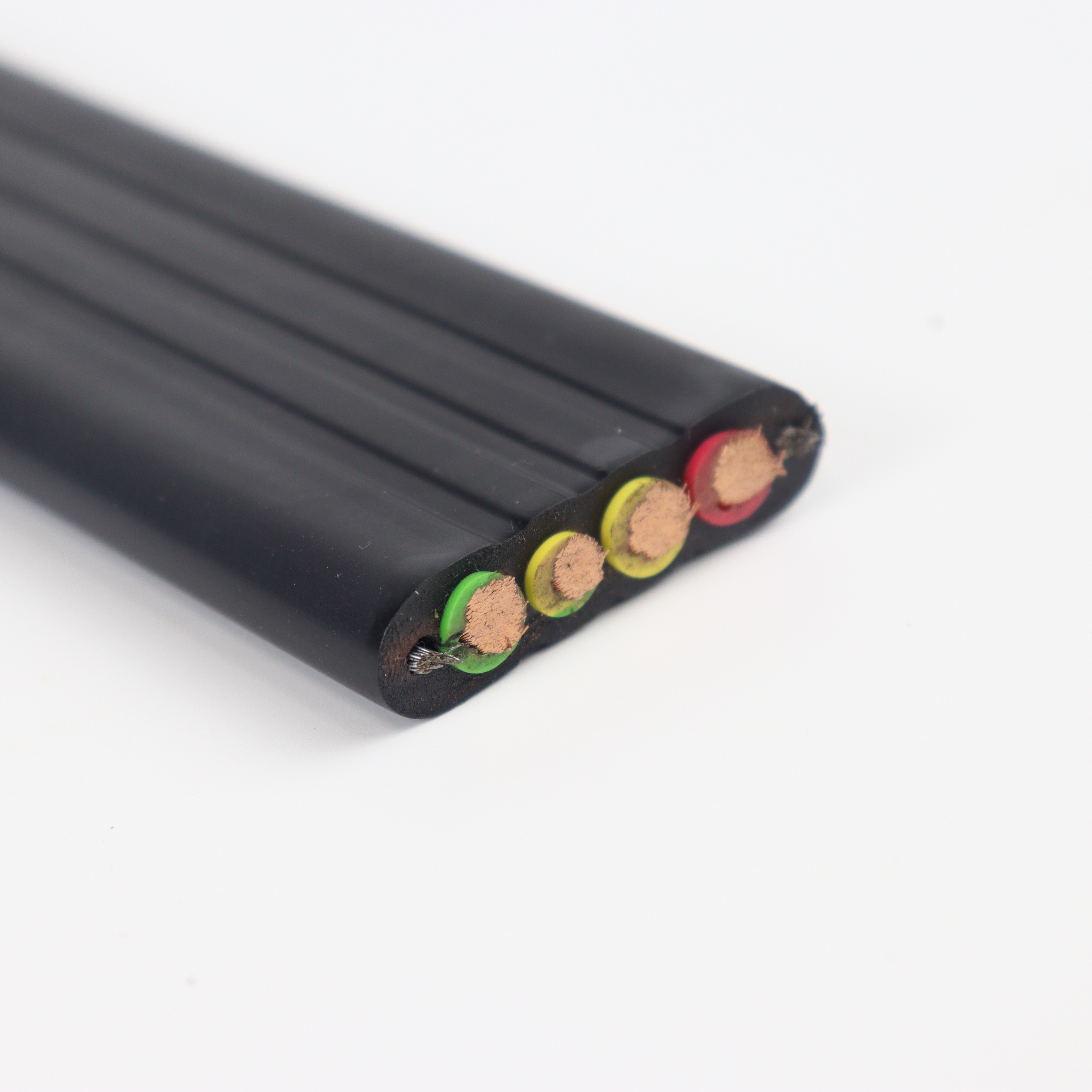
An elevator flat cable is a flexible electrical cable designed to move safely with an elevator car. Unlike fixed building wiring, an elevator flat cable bends, hangs, and travels repeatedly as the car rises and falls. It carries power, control signals, communication lines, safety circuits, and door equipment connections between the moving car and the elevator control system. An elevator flat cable usually combines several conductors in a flat, balanced profile, which helps it pass through limited shaft space and reduces twisting during travel. The elevator flat cable may include copper conductors, insulation, an outer jacket, shielding, drain wires, and support elements. These parts protect electrical performance while managing repeated movement. This elevator flat cable can be supplied in different conductor counts, voltage ratings, lengths, and sizes to match lift design requirements. An elevator flat cable also supports data communication for alarms, cameras, intercoms, sensors, and digital control devices. An elevator flat cable is suitable for passenger lifts, freight lifts, residential elevators, hospital lifts, and platform systems. The elevator flat cable must match the travel height, suspension method, operating speed, bend conditions, temperature range, and installation environment. For buyers, an elevator flat cable offers a purpose-built connection instead of adapting ordinary cable to a moving application. A well-made elevator flat cable helps maintain stable service through frequent cycles. The elevator flat cable can also simplify replacement because installers can select a defined construction for a known lift layout. Selecting an elevator flat cable with correct specifications supports safe, reliable, and efficient elevator operation.
The main advantage of an elevator flat cable is reliable movement. An elevator flat cable follows the car through repeated vertical travel without placing unnecessary stress on individual conductors. Its flat shape helps control the cable path, making it easier to install in a narrow shaft. The elevator flat cable can carry several functions at once, so one assembly may support power, controls, alarms, voice communication, lighting, and monitoring equipment. This reduces the need for separate hanging lines and helps keep the installation organized. A balanced elevator flat cable also resists unwanted twisting. Less twisting can reduce wear on the jacket and conductors, which supports longer service life and fewer unplanned repairs. For maintenance teams, an elevator flat cable makes inspection more straightforward because its conductors and functions follow a planned layout. The elevator flat cable can be selected with shielding when sensitive signals need protection from electrical interference. Buyers can also choose flame-resistant, oil-resistant, weather-resistant, or low-temperature materials when the site demands them. This flexibility makes the elevator flat cable suitable for indoor towers, exposed structures, industrial facilities, warehouses, and busy commercial buildings. A correct elevator flat cable helps keep signals stable while the car moves, supporting accurate door control, emergency communication, and safety feedback. It can reduce installation risk because the cable is made for dynamic travel rather than ordinary stationary wiring. The elevator flat cable also supports practical purchasing decisions: compare conductor count, cross-sectional area, voltage, travel length, jacket material, bend rating, and certification before ordering. When these details match the lift, an elevator flat cable can lower downtime, simplify stock planning, and improve service confidence. Its value comes from combining movement capability, electrical capacity, installation convenience, and dependable long-term performance in one purpose-designed product.

Tips And Tricks

Shanghai Libin Cable Showcases Robot and Automation Cable Solutions at CMES Shanghai Industrial Automation & Robotics Exhibition

16

Oct

Shanghai Libin Cable Showcases Robot and Automation Cable Solutions at CMES Shanghai Industrial Automation & Robotics Exhibition

View More
Shanghai Libin Cable Showcases Crane Cable Solutions at the 11th China (Changyuan) International Crane Equipment Expo

16

Oct

Shanghai Libin Cable Showcases Crane Cable Solutions at the 11th China (Changyuan) International Crane Equipment Expo

View More
Why Drag Chain Cables Fail: Four Common Causes and How to Select Correctly

16

Oct

Why Drag Chain Cables Fail: Four Common Causes and How to Select Correctly

View More
Industrial Robot Combination Cable: Routing Power and Signal Together in a Small-Bend-Radius Drag Chain

16

Oct

Industrial Robot Combination Cable: Routing Power and Signal Together in a Small-Bend-Radius Drag Chain

View More

Get a Free Quote

Our representative will contact you soon.
0/1000
Flexible Construction for Repeated Travel

Flexible Construction for Repeated Travel

A key strength of an elevator flat cable is its ability to handle continuous movement. Every lift cycle makes the cable travel, bend, and return, so a product designed for static wiring may wear too quickly. An elevator flat cable uses flexible conductor strands and a movement-ready jacket to manage this repeated action. Its flat profile helps the cable remain aligned as it passes through the shaft, while suitable support elements help control weight and travel direction. This design can reduce sharp bends, twisting, and rubbing against nearby parts. For building owners, that means more dependable operation and fewer cable-related service calls. For installers, the elevator flat cable is easier to route in restricted spaces than a bulky round bundle. Buyers should still confirm the required travel length, speed, suspension style, and minimum bend conditions. When those specifications match the project, an elevator flat cable delivers practical durability for passenger, freight, residential, and commercial lift systems.
One Cable for Power, Control, and Data

One Cable for Power, Control, and Data

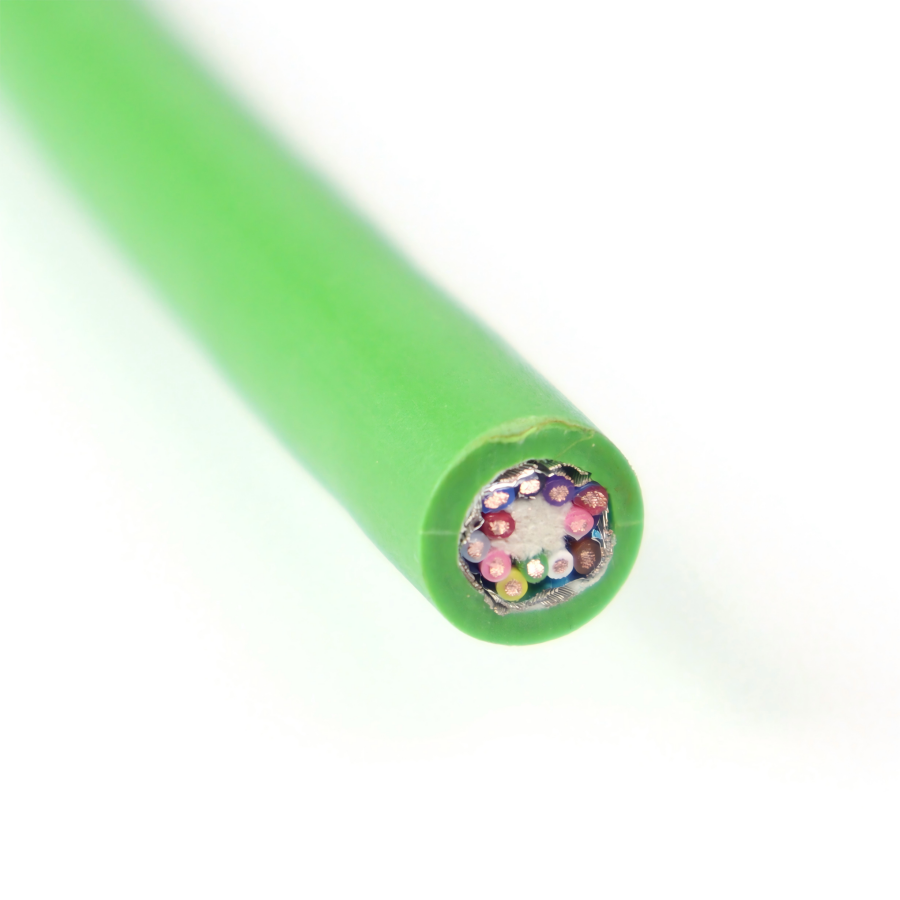
An elevator flat cable can combine many electrical functions in one organized assembly. Depending on the design, an elevator flat cable may include conductors for car lighting, door operators, alarms, emergency phones, inspection controls, sensors, cameras, and data networks. This integrated approach can reduce clutter inside the shaft and limit the number of separate lines that installers must support. The elevator flat cable keeps each circuit within a planned structure, making identification and maintenance easier. Options with shielding can help protect communication and control signals from nearby electrical noise, which supports clearer data transmission and more consistent equipment response. A suitable elevator flat cable can therefore support both basic lift functions and modern connected features. It gives buyers room to select the conductor count and electrical ratings required today while allowing practical upgrades later. Instead of purchasing unrelated wiring for every device, customers can use one purpose-built connection that improves layout, simplifies procurement, and supports dependable daily service.
Custom Options for Different Lift Environments

Custom Options for Different Lift Environments

Every elevator installation has different space, distance, and operating conditions, so a single cable design cannot suit every project. An elevator flat cable can be specified by conductor number, conductor size, voltage, length, jacket material, shielding, temperature range, and fire performance. This makes it easier to match the product with a short residential travel distance, a tall commercial building, or a demanding industrial lift. An elevator flat cable with a robust outer jacket can better handle moisture, oil, abrasion, or temperature changes where those risks exist. A low-smoke or flame-resistant version may support building safety requirements when the project calls for it. Customers can also request marking, connector preparation, or defined packaging to improve installation control. Selecting the right elevator flat cable prevents overbuying and reduces the chance of using an unsuitable product. The result is a more predictable installation, simpler maintenance planning, and reliable connection performance throughout the elevator's working life.