flexible data cable
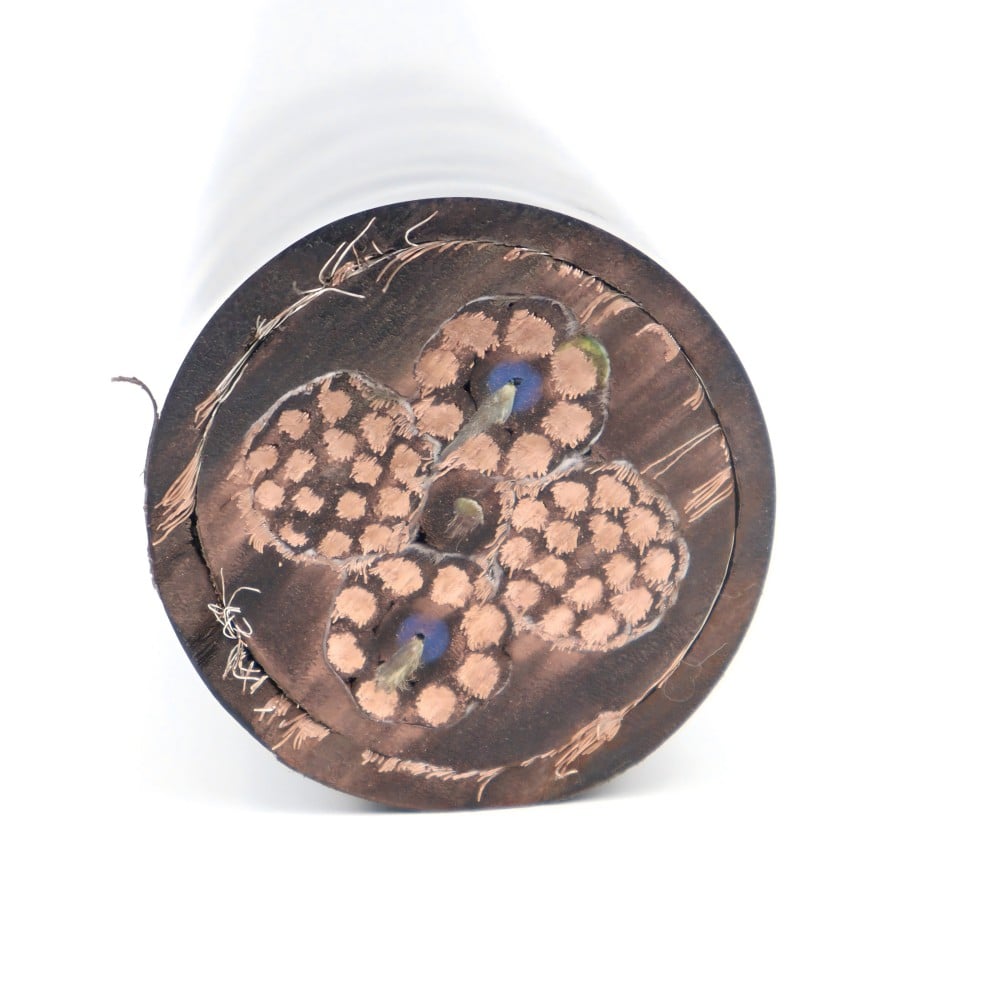
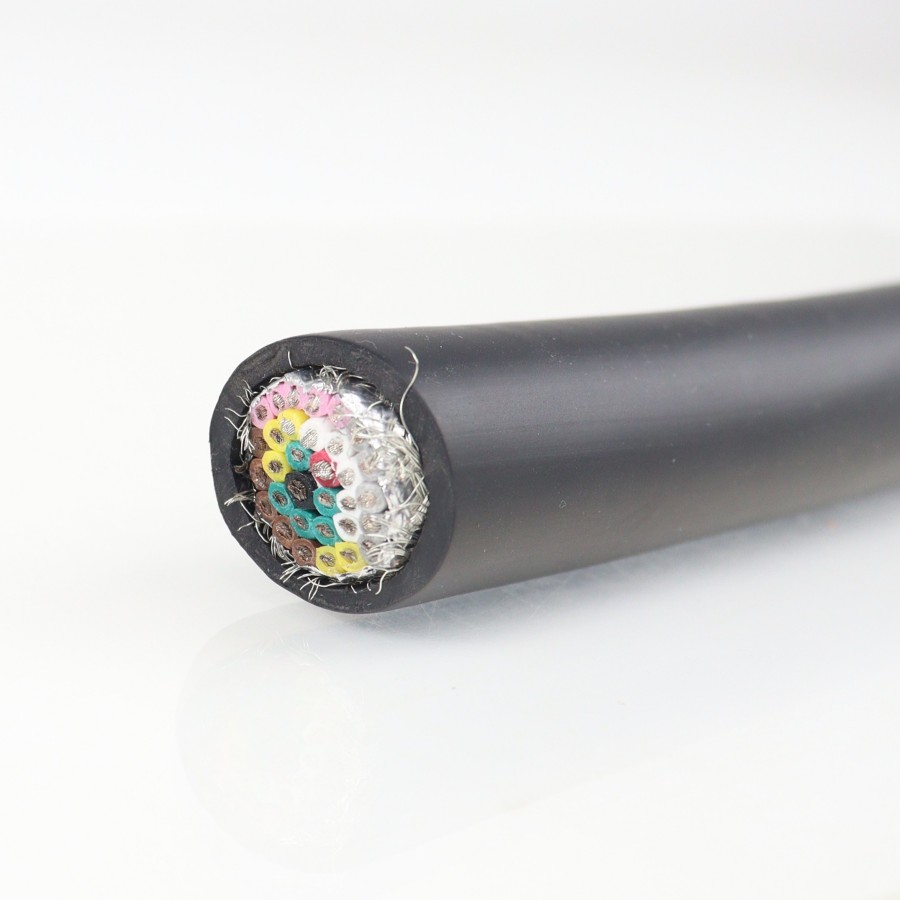
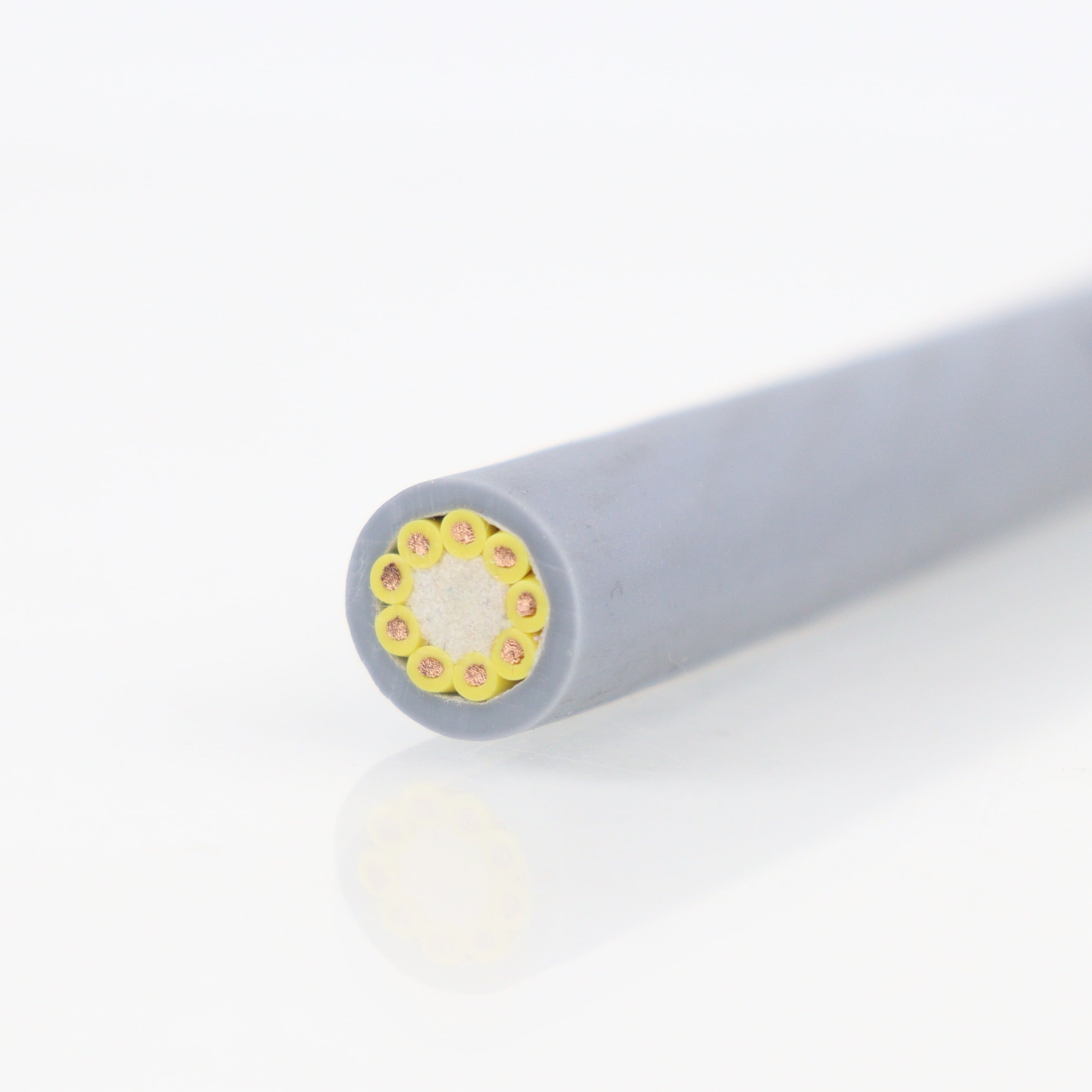
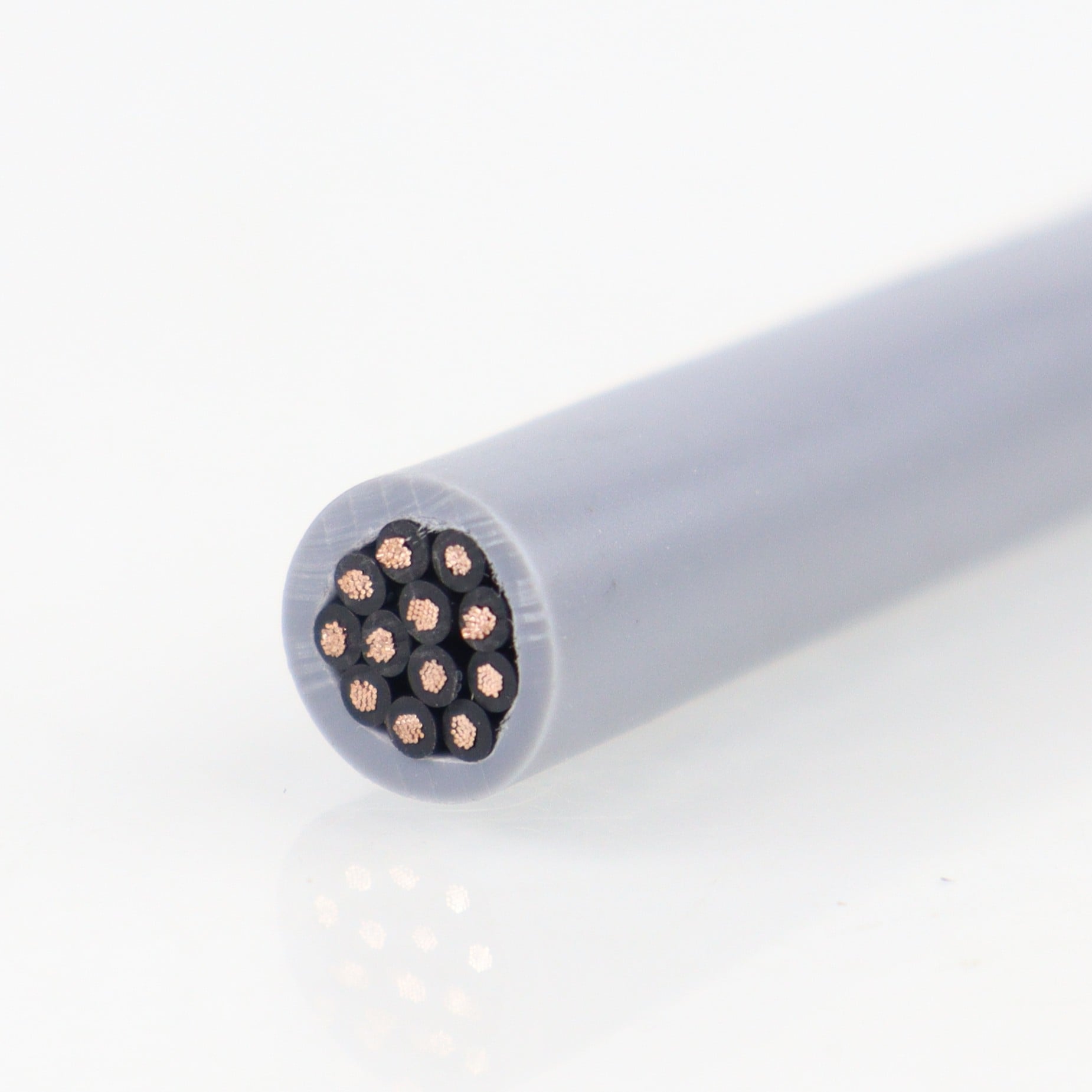
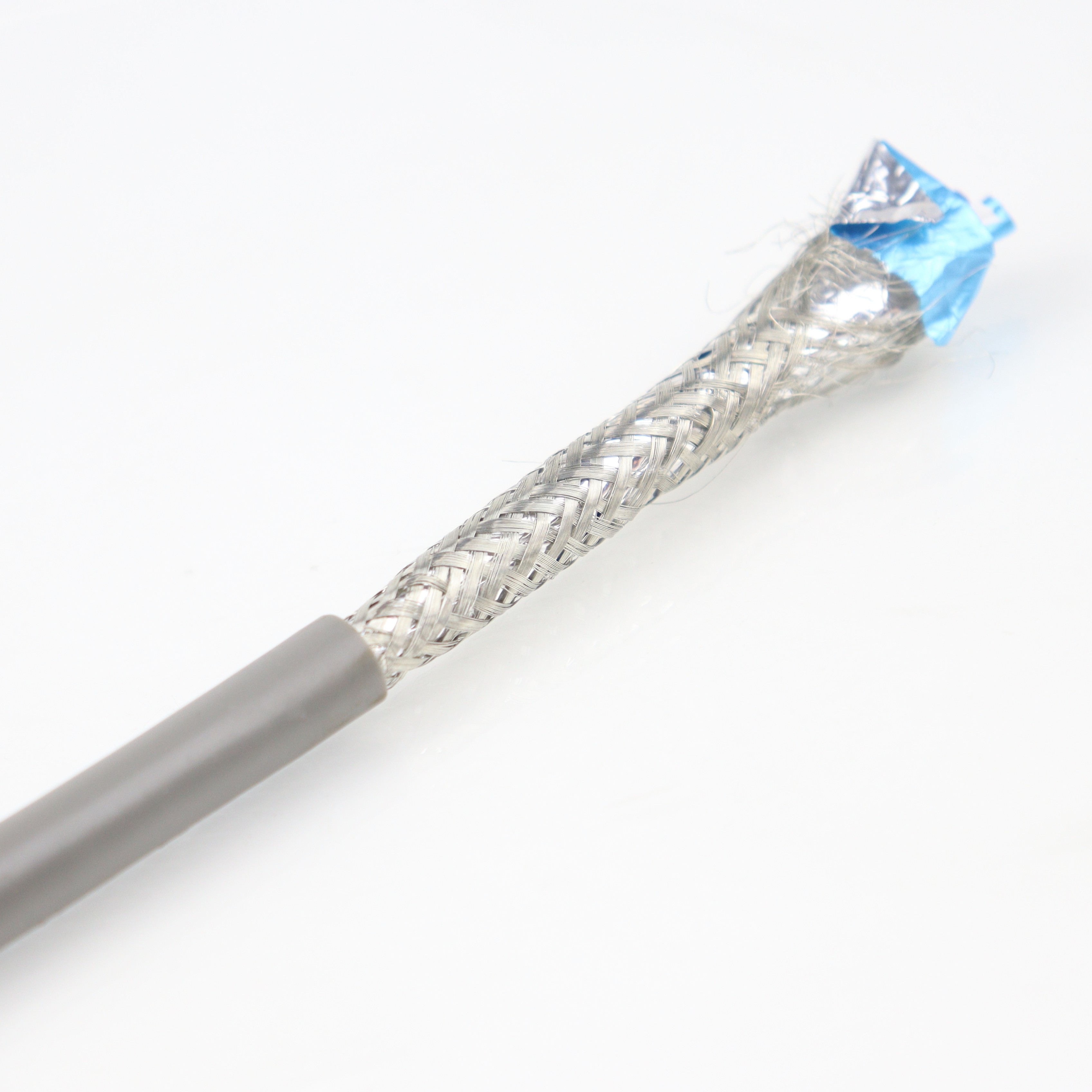
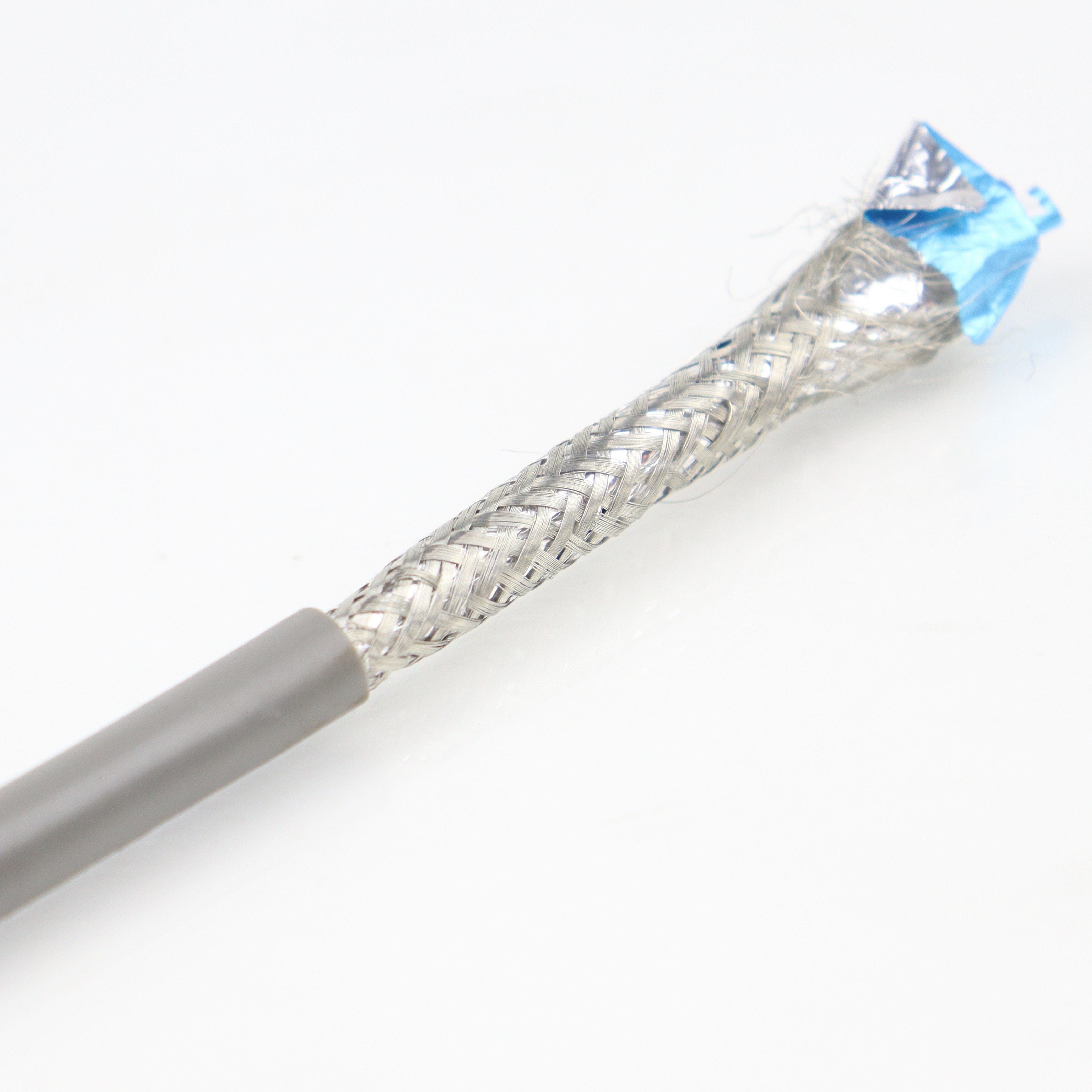
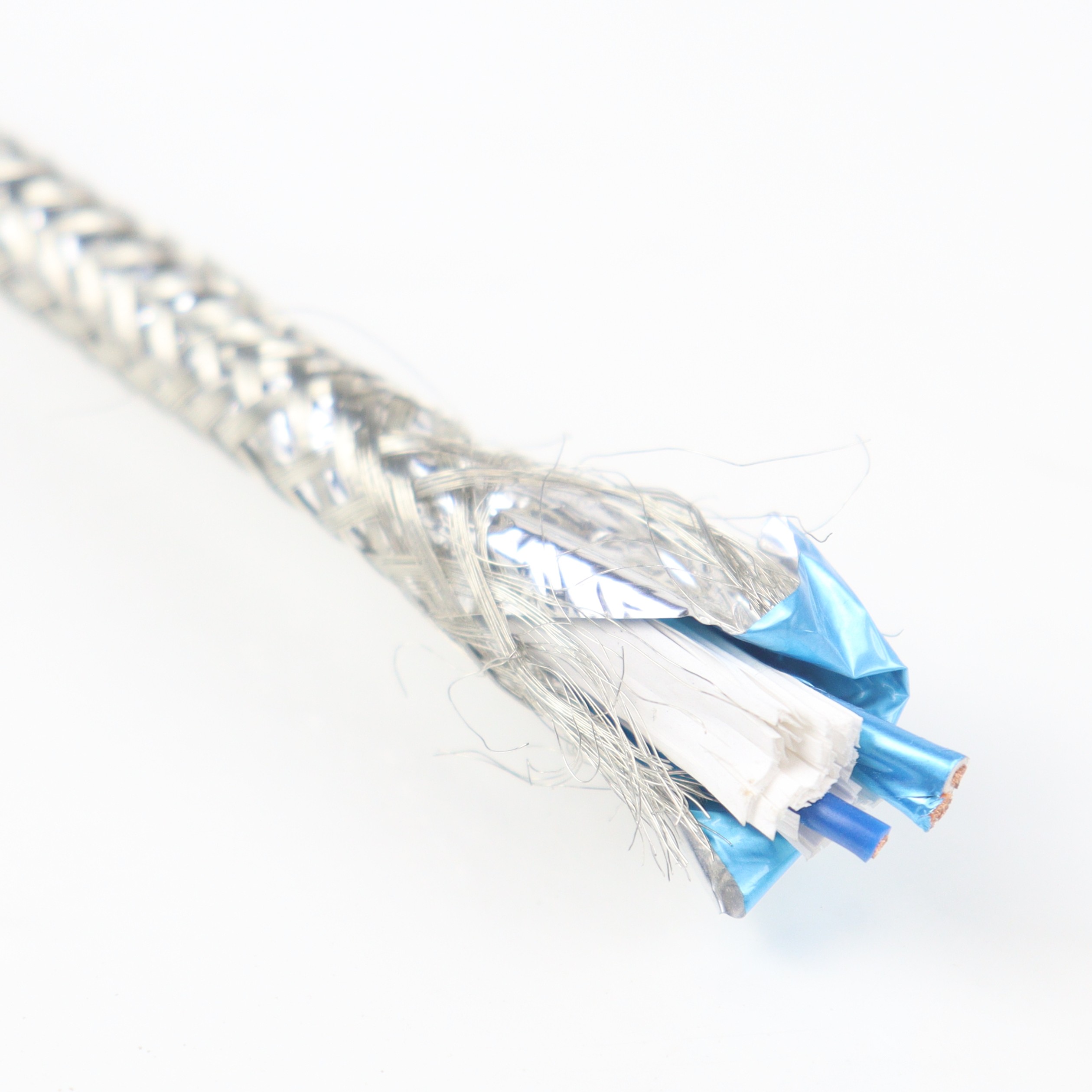
A flexible data cable is designed to carry digital signals while bending, twisting, and moving in demanding spaces. Unlike a rigid lead, a flexible data cable can follow tight routes around equipment, panels, robots, vehicles, and office devices without placing excessive stress on its conductors or connectors. It supports dependable communication between computers, sensors, controllers, displays, cameras, and network hardware. The flexible data cable helps transfer data, control information, and device signals with less installation difficulty and fewer routing limitations. Its main function is to maintain a stable connection while equipment moves or while the cable must pass through narrow, curved, or crowded areas. Common construction features include fine-stranded copper conductors, carefully insulated cores, shielding against electrical noise, and an outer jacket selected for the working environment. Many versions also use reinforced connector ends, oil-resistant materials, flame-retardant jackets, or abrasion-resistant surfaces. These features help the flexible data cable withstand repeated bending, vibration, light pulling, and regular handling. Customers can choose versions for Ethernet, USB, serial communication, industrial control, audio, video, or other signal needs. A flexible data cable may also support high-speed transmission, longer service life, and cleaner equipment layouts when its rating matches the system. Applications range from factory automation and packaging lines to medical equipment, security systems, vehicles, laboratories, retail displays, and home electronics. Selecting the correct length, data rate, connector, shielding level, bend rating, and jacket material ensures that the flexible data cable performs safely and consistently.