Industrial Data Cable for Smart Networks

application/industrial-data-cable, application/industrial-data-cable, 
Inquiry
Inquiry

industrial data cable

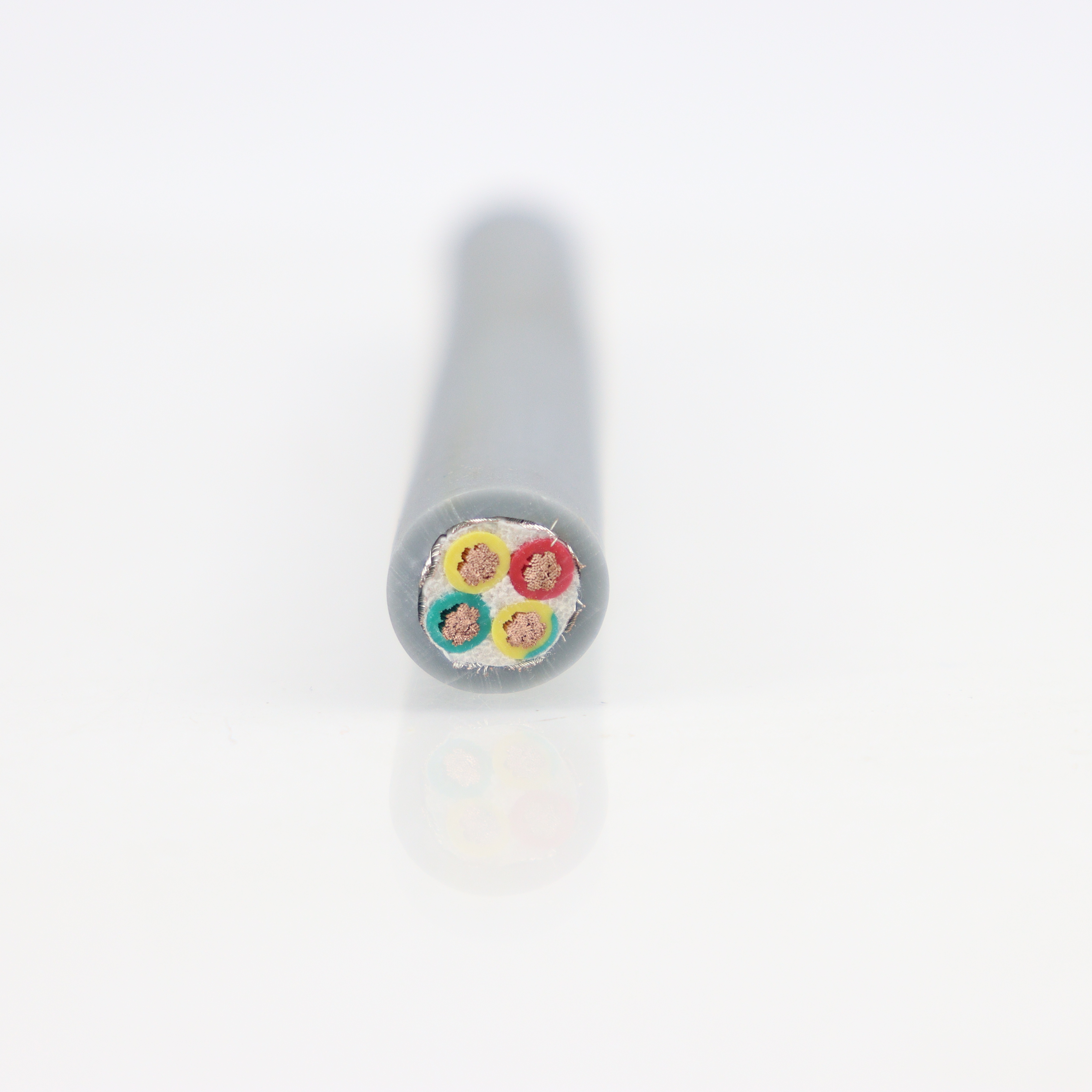
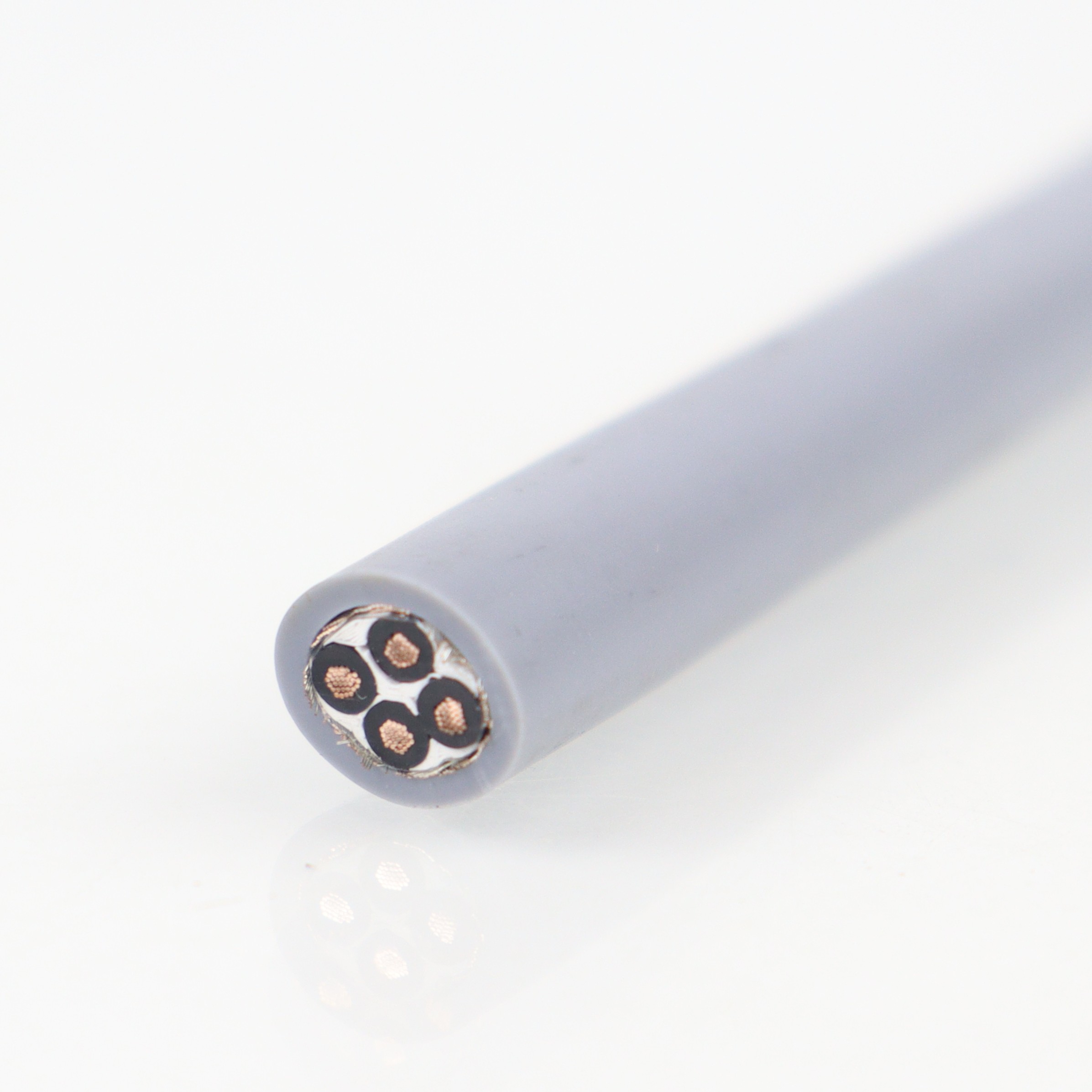
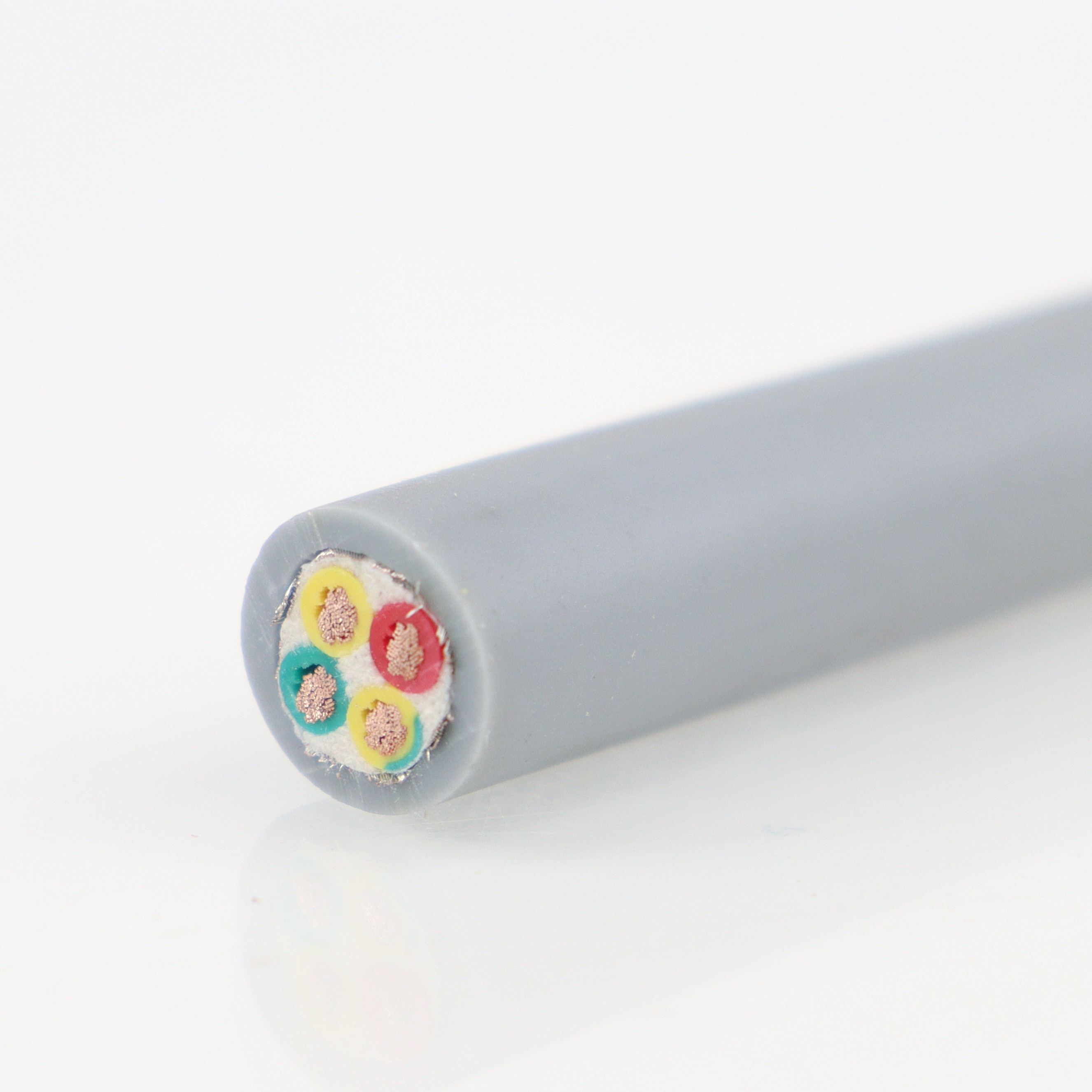
An industrial data cable is a purpose-built connection cable that moves digital information between machines, controllers, sensors, computers, and network equipment in demanding workplaces. Unlike an office cable, an industrial data cable is designed to keep communication stable around vibration, dust, moisture, temperature changes, electrical noise, and repeated movement. It supports reliable data exchange for factory automation, process control, machine monitoring, robotics, and building systems. An industrial data cable can carry Ethernet, fieldbus, serial, or other control signals, depending on its construction and connector design. Its main function is to link devices so they can share commands, measurements, status updates, and production information without unnecessary delays. Many industrial data cable designs use twisted conductors, shielding, strong insulation, and carefully controlled impedance to protect signal quality. Some versions also include flexible jackets for drag chains, oil resistance for machine areas, or outdoor protection for exposed installations. An industrial data cable may use copper conductors for practical network and control connections, while fiber options suit longer distances and locations with strong electromagnetic interference. Cable length, conductor size, bend radius, transmission speed, connector type, and installation environment all affect selection. The right industrial data cable helps equipment communicate continuously and gives operators dependable access to operating data. It also supports faster fault detection because controllers and monitoring software receive accurate information. From a single machine to a connected production line, an industrial data cable provides the physical communication path that modern automated systems need. Buyers should match the industrial data cable to the protocol, environment, movement pattern, and required service life before ordering.
Choosing an industrial data cable delivers practical value beyond simple device connection. First, an industrial data cable helps maintain stable communication when equipment operates near motors, drives, welding tools, and other sources of electrical interference. Reliable signals reduce lost messages, unexpected stops, and time spent tracing communication faults. A suitable industrial data cable also supports consistent production because controllers can receive sensor readings and issue commands without repeated retries. This makes the product useful for automated assembly, packaging, material handling, water treatment, energy equipment, and machine tools. Durability is another clear benefit. Many industrial data cable products use tough outer jackets that resist abrasion, oil, chemicals, moisture, and temperature changes. Buyers can therefore avoid replacing ordinary office cable after early damage. For moving machinery, a flexible industrial data cable can tolerate repeated bending in a drag chain or robotic arm, helping extend service life and reduce maintenance visits. Shielding and reliable termination further improve confidence in noisy production areas. The industrial data cable can also simplify expansion. When its performance matches the network speed and protocol, it allows new sensors, drives, cameras, and controllers to join an existing system without redesigning the entire installation. Correct length and connector choices reduce clutter and speed commissioning. Customers should still review bend radius, fixed or continuous motion, temperature range, jacket material, data rate, and connector sealing before purchase. An industrial data cable rated for the actual site gives better value than a cheaper general-purpose option that fails early. The result is clearer machine status, fewer interruptions, easier troubleshooting, and a more predictable operating budget. For system builders, an industrial data cable also supports repeatable panel layouts and simpler spare-parts planning across multiple machines. Its application suitability comes from matching construction with real working conditions, not from a universal claim that one cable fits every project.

Tips And Tricks

Shanghai Libin Cable Showcases Robot and Automation Cable Solutions at CMES Shanghai Industrial Automation & Robotics Exhibition

16

Oct

Shanghai Libin Cable Showcases Robot and Automation Cable Solutions at CMES Shanghai Industrial Automation & Robotics Exhibition

View More
Shanghai Libin Cable Showcases Crane Cable Solutions at the 11th China (Changyuan) International Crane Equipment Expo

16

Oct

Shanghai Libin Cable Showcases Crane Cable Solutions at the 11th China (Changyuan) International Crane Equipment Expo

View More
Why Drag Chain Cables Fail: Four Common Causes and How to Select Correctly

16

Oct

Why Drag Chain Cables Fail: Four Common Causes and How to Select Correctly

View More
Industrial Robot Combination Cable: Routing Power and Signal Together in a Small-Bend-Radius Drag Chain

16

Oct

Industrial Robot Combination Cable: Routing Power and Signal Together in a Small-Bend-Radius Drag Chain

View More

Get a Free Quote

Our representative will contact you soon.
0/1000
Reliable Signals in Electrically Noisy Areas

Reliable Signals in Electrically Noisy Areas

A major strength of an industrial data cable is its ability to protect communication where electrical equipment can disrupt weak signals. Motors, variable-frequency drives, welders, and switching devices may create interference that causes errors or delayed messages. A well-designed industrial data cable uses twisted pairs, shielding, and controlled construction to preserve signal quality between connected devices. This helps controllers receive accurate sensor readings and deliver commands at the expected time. For customers, the benefit is practical: fewer network alarms, less production downtime, and faster fault finding. The industrial data cable is especially suitable for control cabinets, assembly lines, packaging equipment, and power-related installations. Stable communication also helps monitoring software show trustworthy machine conditions, allowing teams to respond before a small issue becomes a costly stoppage. Buyers should confirm the required protocol, transmission rate, grounding method, and connector arrangement before selection. When those details match, an industrial data cable creates a dependable communication path that supports smoother automation and more confident daily operation.
Built for Movement and Harsh Conditions

Built for Movement and Harsh Conditions

Industrial equipment often moves, vibrates, heats, cools, or works around oil and moisture. A standard office lead may crack, flatten, or lose performance under these conditions, while an industrial data cable is made for a more demanding service life. Strong jackets, flexible materials, strain relief, and suitable bend ratings help the cable survive repeated motion in robots, drag chains, gantries, and automated storage equipment. Other constructions resist abrasion, coolant, sunlight, chemicals, or water ingress for fixed and exposed routes. This protection reduces unplanned cable changes and helps maintenance teams avoid frequent production interruptions. The industrial data cable can therefore serve machine builders and plant operators that need dependable connections in real working environments, not just clean indoor rooms. Before purchasing, customers should identify whether the route is static or moving, the minimum bend radius, temperature limits, exposure risks, and expected cycle count. Selecting the right industrial data cable from the start improves service life, lowers replacement labor, and keeps connected machinery available for longer.
Flexible Options for Different Systems

Flexible Options for Different Systems

A useful industrial data cable range gives buyers choices for communication standards, distances, speeds, and installation layouts. Copper versions offer a practical solution for many machine networks, control links, sensors, and short to medium runs. Fiber versions can support longer distances and strong immunity to electrical interference where copper is less suitable. Customers may also choose fixed-installation cable, continuous-flex cable, outdoor designs, shielded models, or pre-terminated assemblies. This flexibility helps system designers match the connection to the application instead of overpaying for unsuitable construction. The industrial data cable can connect programmable controllers, switches, drives, cameras, remote input units, and supervisory computers within one coordinated system. Correct connector selection can further reduce installation time and prevent wiring mistakes. A project team should compare data rate, protocol compatibility, cable length, bend needs, environmental rating, and future expansion plans. The right industrial data cable supports a cleaner installation, easier servicing, and dependable upgrades as production requirements change. This makes it a sound choice for both new equipment and modernization projects.