Data Center Cable for Fast, Reliable Links

application/data-center-cable, application/data-center-cable, 
Inquiry
Inquiry

data center cable

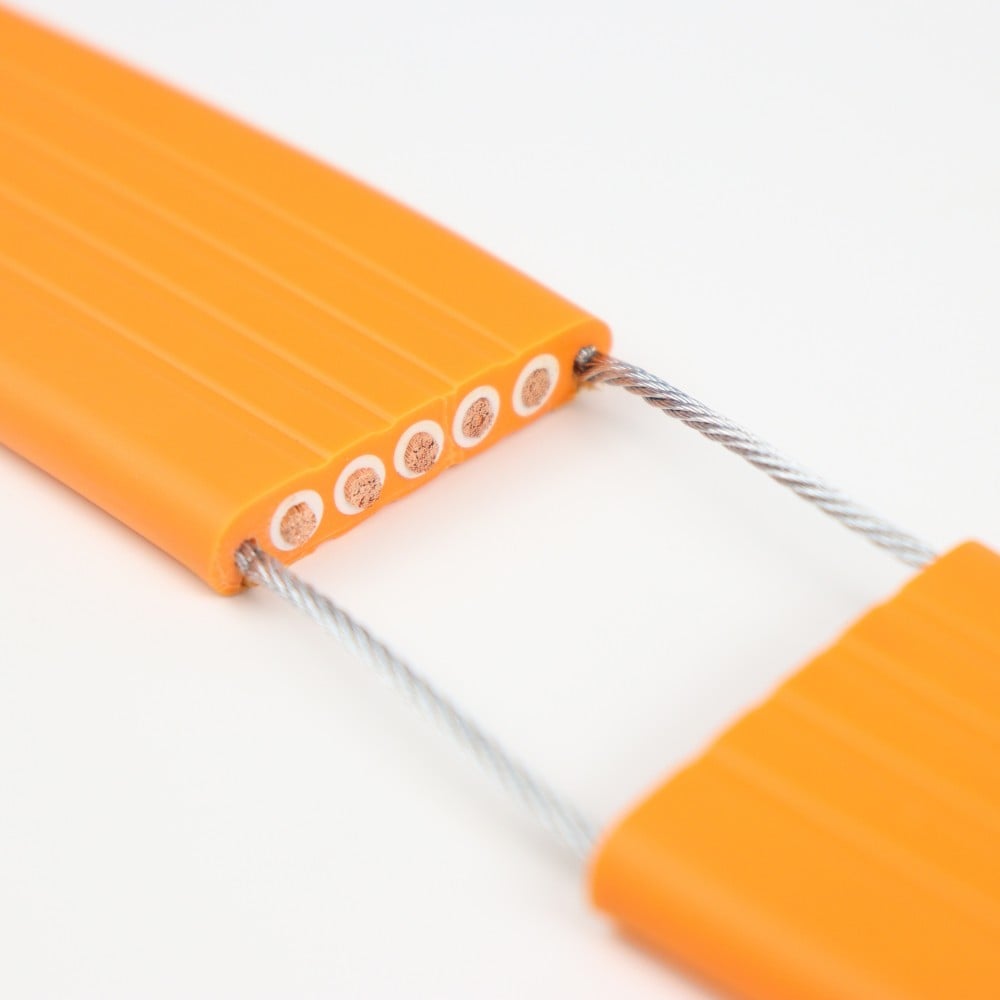
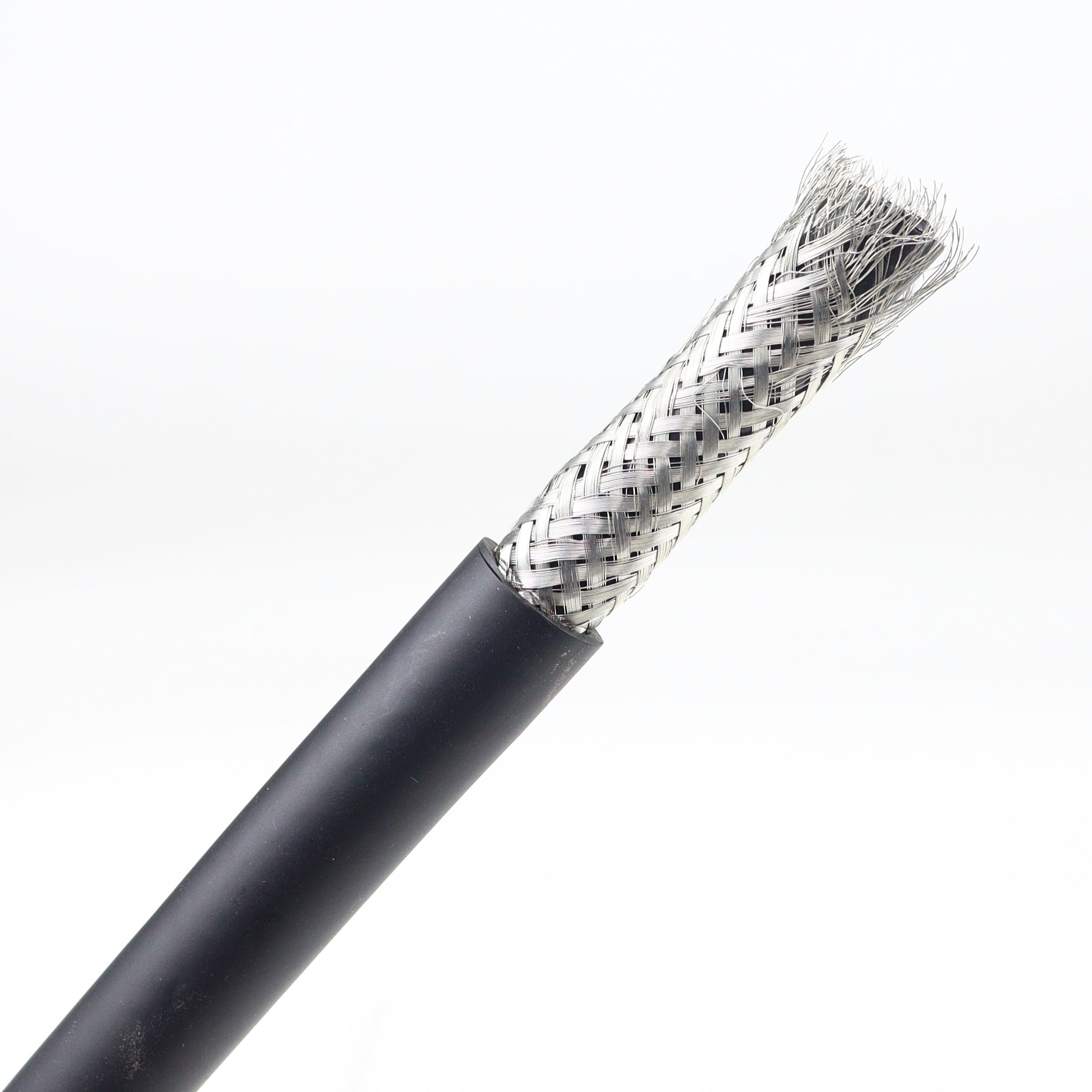
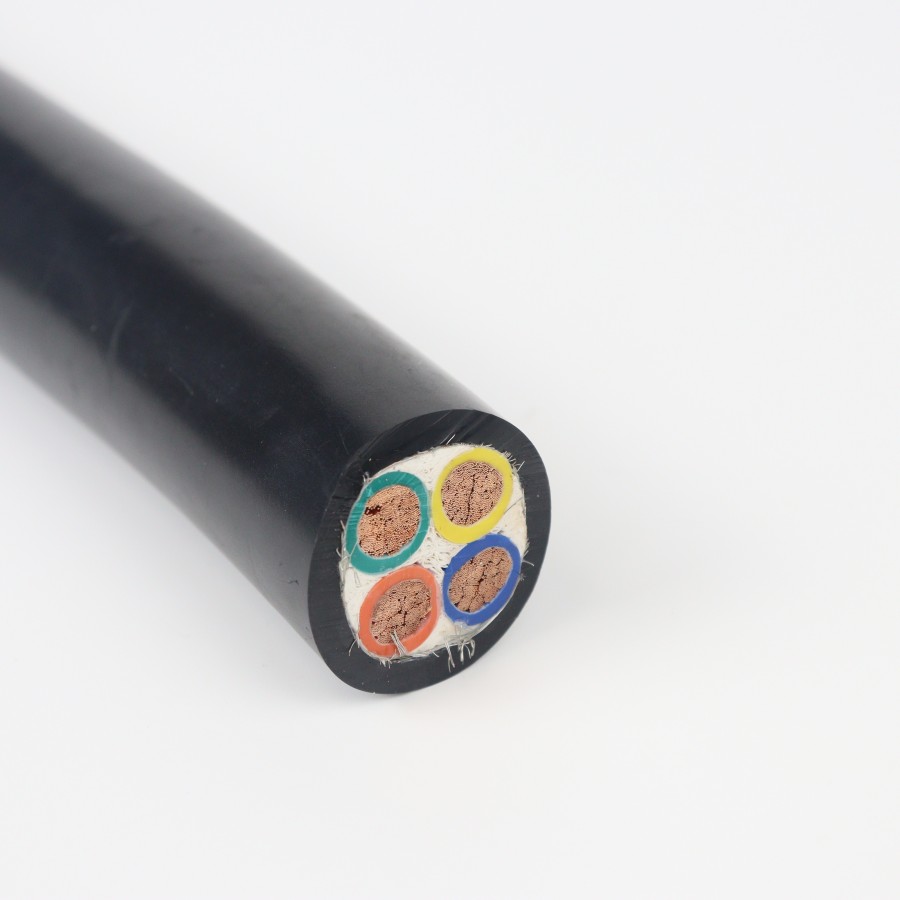
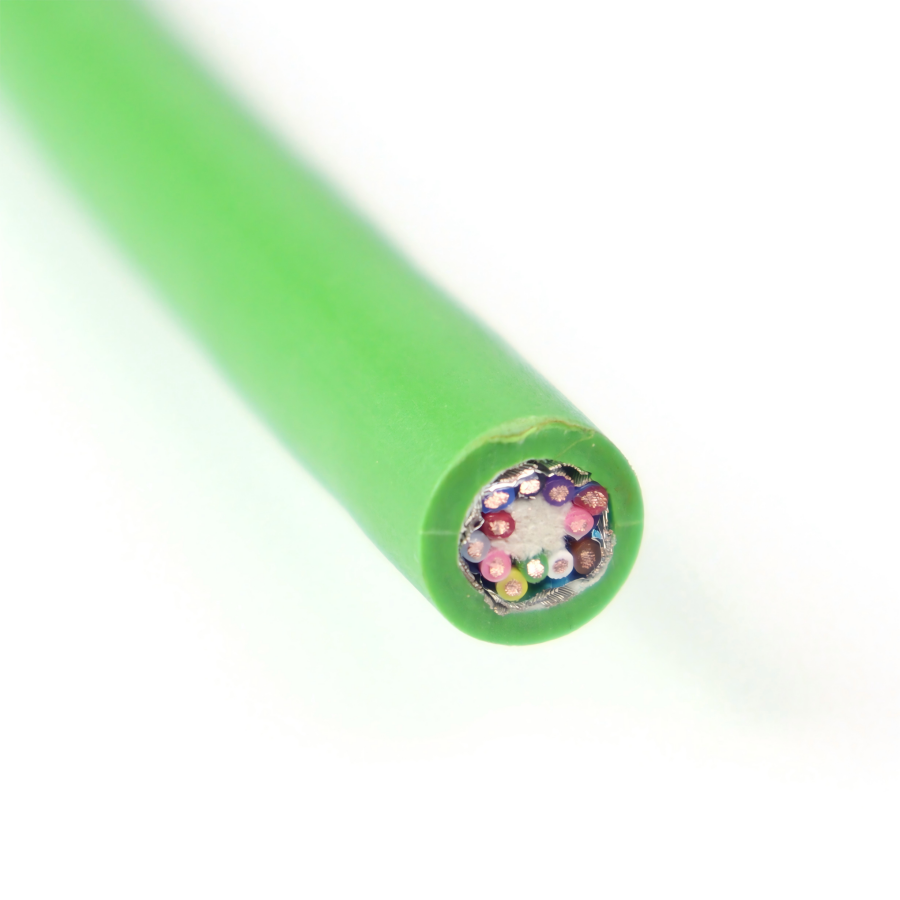
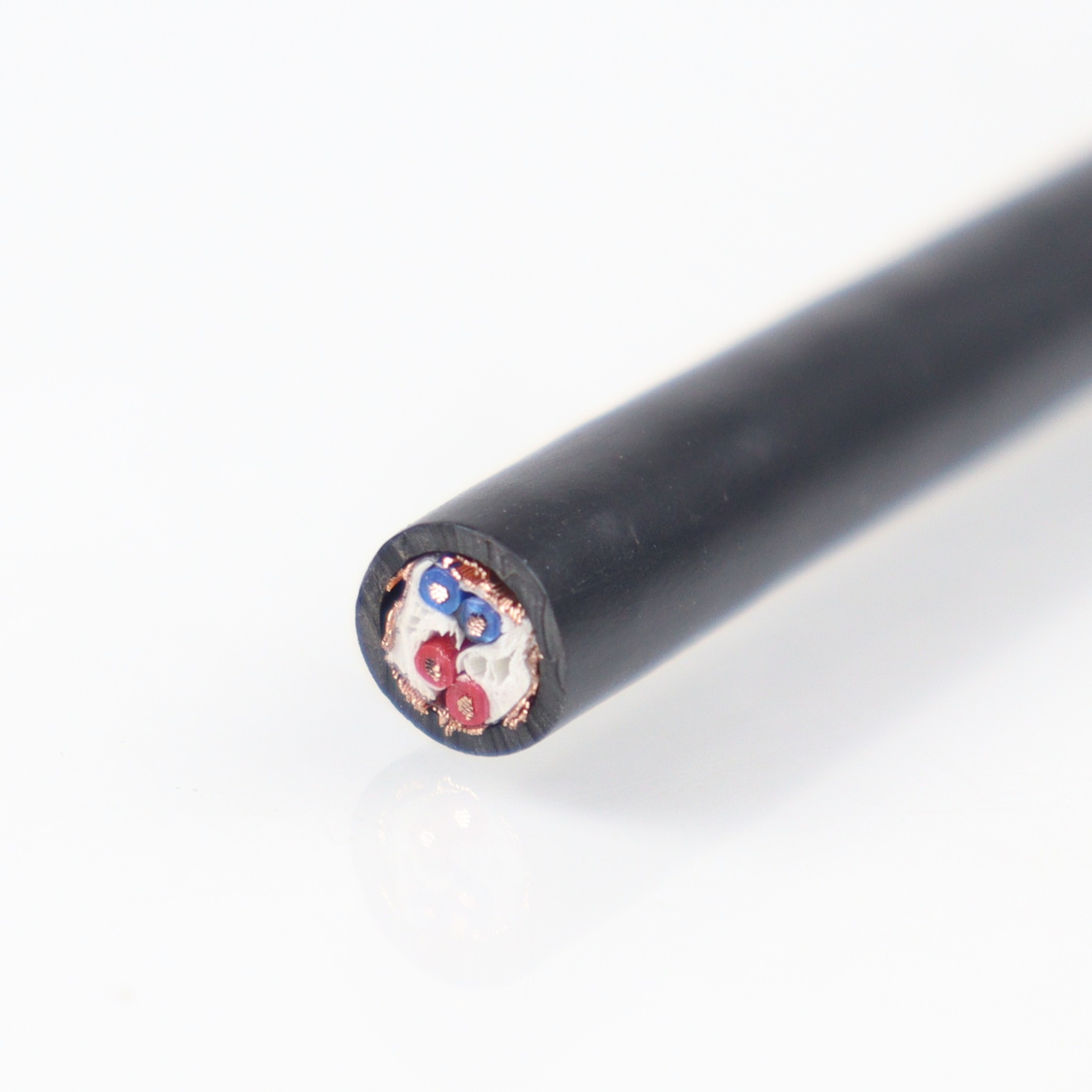
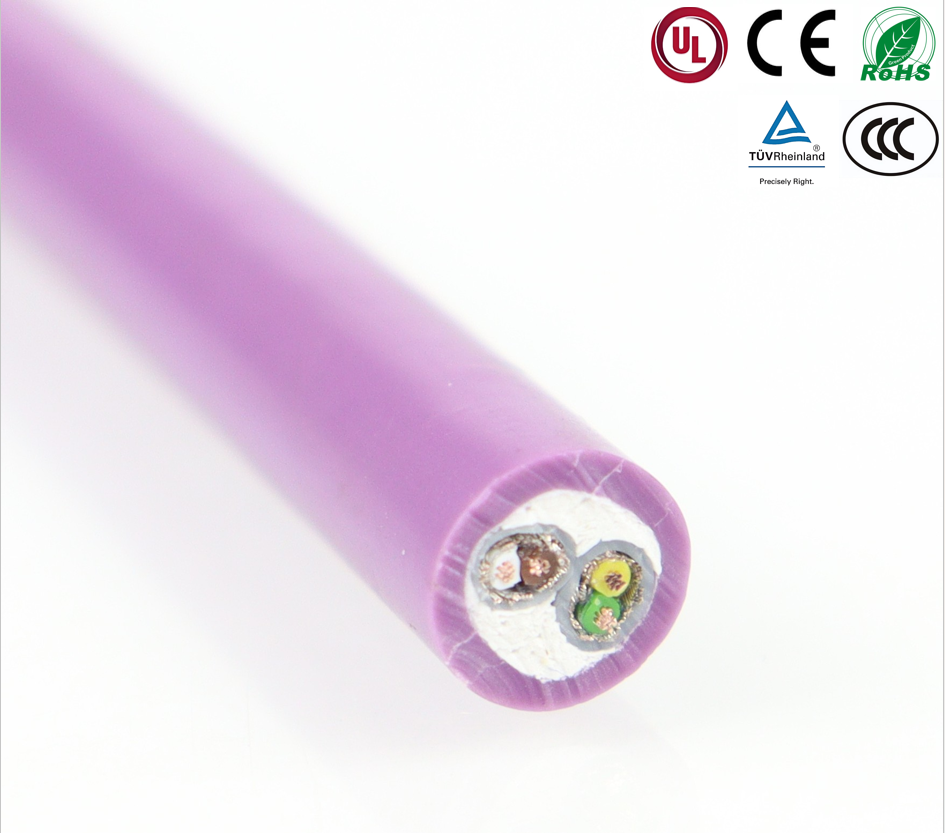
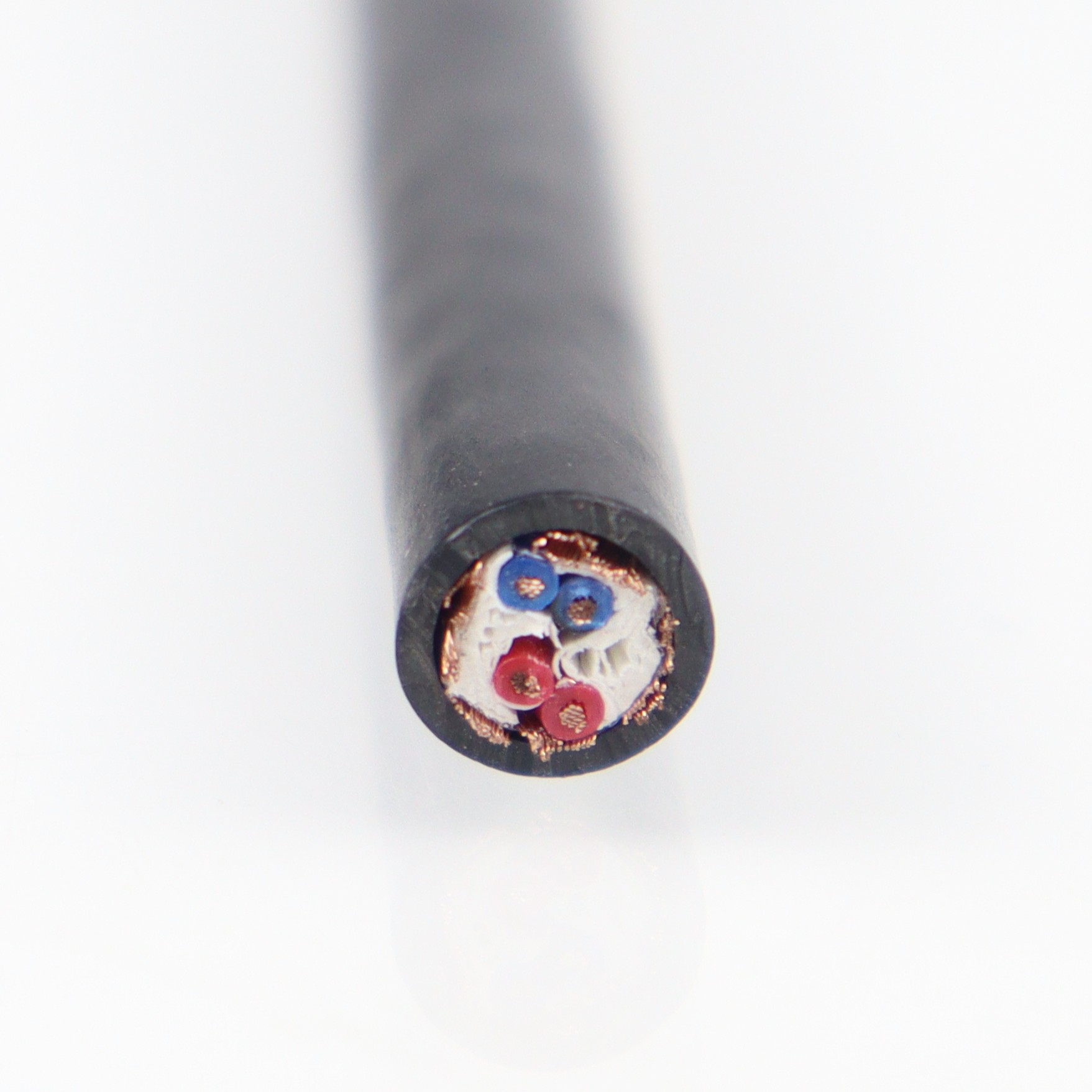
A data center cable is a purpose-built connection used to move data between servers, switches, storage systems, routers, and other network equipment. It supports the fast, stable communication that modern facilities need for cloud services, business applications, online platforms, and secure data storage. Unlike ordinary office wiring, a data center cable must handle high traffic levels, tight equipment spacing, continuous operation, and frequent upgrades. A data center cable may use copper conductors for short links or fiber strands for longer distances and higher bandwidth. Fiber options include single-mode and multimode designs, while copper options commonly support Ethernet connections over short runs. The selected data center cable can include shielded construction, strong outer jackets, low-smoke materials, pre-terminated connectors, and color coding for easier management. A data center cable also comes in different categories and transmission ratings, allowing buyers to match the link to present and future network speeds. The right data center cable reduces signal loss, limits interference, and keeps connections organized inside racks, cabinets, trays, and overhead pathways. Each data center cable can be supplied in various lengths, connector styles, and installation formats to suit new builds or expansion work. This data center cable is suitable for server-to-switch links, switch-to-switch connections, storage area networks, backbone routes, and equipment replacement projects. When planning a data center cable installation, users should consider distance, speed, connector type, bend space, heat, airflow, and expected growth. A well selected data center cable provides a dependable physical foundation for efficient data movement and simpler network maintenance.
The main advantage of a data center cable is dependable connectivity under demanding working conditions. It helps equipment exchange information quickly, so applications respond faster and users experience fewer delays. A suitable data center cable also supports steady service during long operating hours, which matters for facilities that cannot tolerate unexpected downtime. Buyers can choose copper for economical short connections or fiber for greater distance, higher speed, and reduced electrical interference. This choice helps control project cost without sacrificing the performance required by each link. Another practical benefit is easier installation. A data center cable can arrive pre-terminated, labeled, and cut to a required length, reducing preparation time and lowering the chance of wiring mistakes. Clear jacket colors and consistent connector options make it easier for technicians to trace routes, identify ports, and complete changes safely. A data center cable with a durable jacket can resist pulling, bending, abrasion, and everyday handling during installation. Low-smoke materials can also support safer building conditions if a fire occurs. For crowded racks, flexible designs improve airflow and make it easier to maintain equipment without disturbing nearby connections. The right data center cable supports current network standards while leaving room for higher speeds and additional devices. That makes it a useful investment for growing server rooms, cloud facilities, colocation sites, and enterprise networks. Customers should compare transmission speed, link distance, connector format, jacket rating, shielding, and bend requirements before buying. This decision prevents compatibility problems and avoids paying for features that the installation does not need. A properly matched data center cable can reduce service calls, shorten installation work, simplify inventory, and protect network performance. It also gives operations teams a clearer path for planned upgrades, because organized links are easier to test, replace, and document. In practical terms, the product delivers reliable connections, predictable installation, and better long-term control of network infrastructure.

Latest News

Shanghai Libin Cable Showcases Robot and Automation Cable Solutions at CMES Shanghai Industrial Automation & Robotics Exhibition

16

Oct

Shanghai Libin Cable Showcases Robot and Automation Cable Solutions at CMES Shanghai Industrial Automation & Robotics Exhibition

View More
Shanghai Libin Cable Showcases Crane Cable Solutions at the 11th China (Changyuan) International Crane Equipment Expo

16

Oct

Shanghai Libin Cable Showcases Crane Cable Solutions at the 11th China (Changyuan) International Crane Equipment Expo

View More
Why Drag Chain Cables Fail: Four Common Causes and How to Select Correctly

16

Oct

Why Drag Chain Cables Fail: Four Common Causes and How to Select Correctly

View More
Industrial Robot Combination Cable: Routing Power and Signal Together in a Small-Bend-Radius Drag Chain

16

Oct

Industrial Robot Combination Cable: Routing Power and Signal Together in a Small-Bend-Radius Drag Chain

View More

Get a Free Quote

Our representative will contact you soon.
0/1000
High-Speed, Stable Data Transfer

High-Speed, Stable Data Transfer

A high-performance data center cable helps move large volumes of information between servers, switches, storage devices, and network controls without unnecessary delay. Fiber versions offer strong bandwidth over longer routes and remain less affected by electrical noise from power equipment. Copper versions provide an efficient option for short rack connections where cost and simple termination matter. This data center cable supports demanding workloads such as virtualization, video processing, database access, artificial intelligence, and cloud computing. Stable signal delivery helps reduce retransmissions, slow application responses, and interruptions that can affect users or internal teams. A data center cable selected for the required speed also gives buyers more confidence when adding servers or upgrading switch ports. Instead of replacing the complete pathway after a technology change, customers can select a design that supports planned growth. That improves the value of the original installation and helps maintain consistent performance across the facility. The result is faster communication, smoother application access, and a stronger physical link between critical systems.
Organized, Efficient Installation

Organized, Efficient Installation

A well-designed data center cable makes installation and service work more manageable. Pre-terminated lengths can reduce field preparation, while labeled connectors help technicians identify each route quickly. Color choices, compact construction, and flexible jackets support cleaner rack layouts without placing unnecessary strain on ports or blocking airflow. This data center cable can be routed through cabinets, trays, overhead systems, and floor pathways according to the facility plan. Neater routing improves visibility, making it easier to find a connection during testing, repairs, or equipment changes. A data center cable supplied in the correct length also limits excess slack, lowers clutter, and reduces the risk of accidental disconnection. These details create practical value for buyers because labor time often forms a major part of a network project. Faster installation can help a new room become operational sooner and can reduce disruption during upgrades. Better organization also supports accurate records, simpler inspections, and safer future expansion. For maintenance teams, a clear physical layout turns routine work into a more predictable task.
Durable and Future-Ready Design

Durable and Future-Ready Design

A durable data center cable protects network links from the physical demands of installation and continuous operation. Strong jackets help resist pulling, abrasion, and repeated movement, while suitable bend performance protects the internal conductors or fiber strands. Shielded options can reduce interference in areas near motors, power supplies, or other sources of electrical noise. This data center cable can also use low-smoke materials and clear rating information to match building safety requirements. Buyers benefit from choosing a construction suited to the route, temperature, handling conditions, and local installation rules. A data center cable built for current network speeds can also support planned upgrades when its rating and connector type match the roadmap. That reduces the need for disruptive replacement work and protects the value of the original cabling investment. Durable links help lower faults caused by handling, which can reduce troubleshooting time and replacement expense. For enterprise rooms, colocation facilities, and large cloud sites, this reliability supports predictable operations, better service continuity, and a more controlled approach to long-term capacity growth.