Flex Cable Price Guide for Smart Buying

application/flex-cable-price, application/flex-cable-price, 
Inquiry
Inquiry

flex cable price

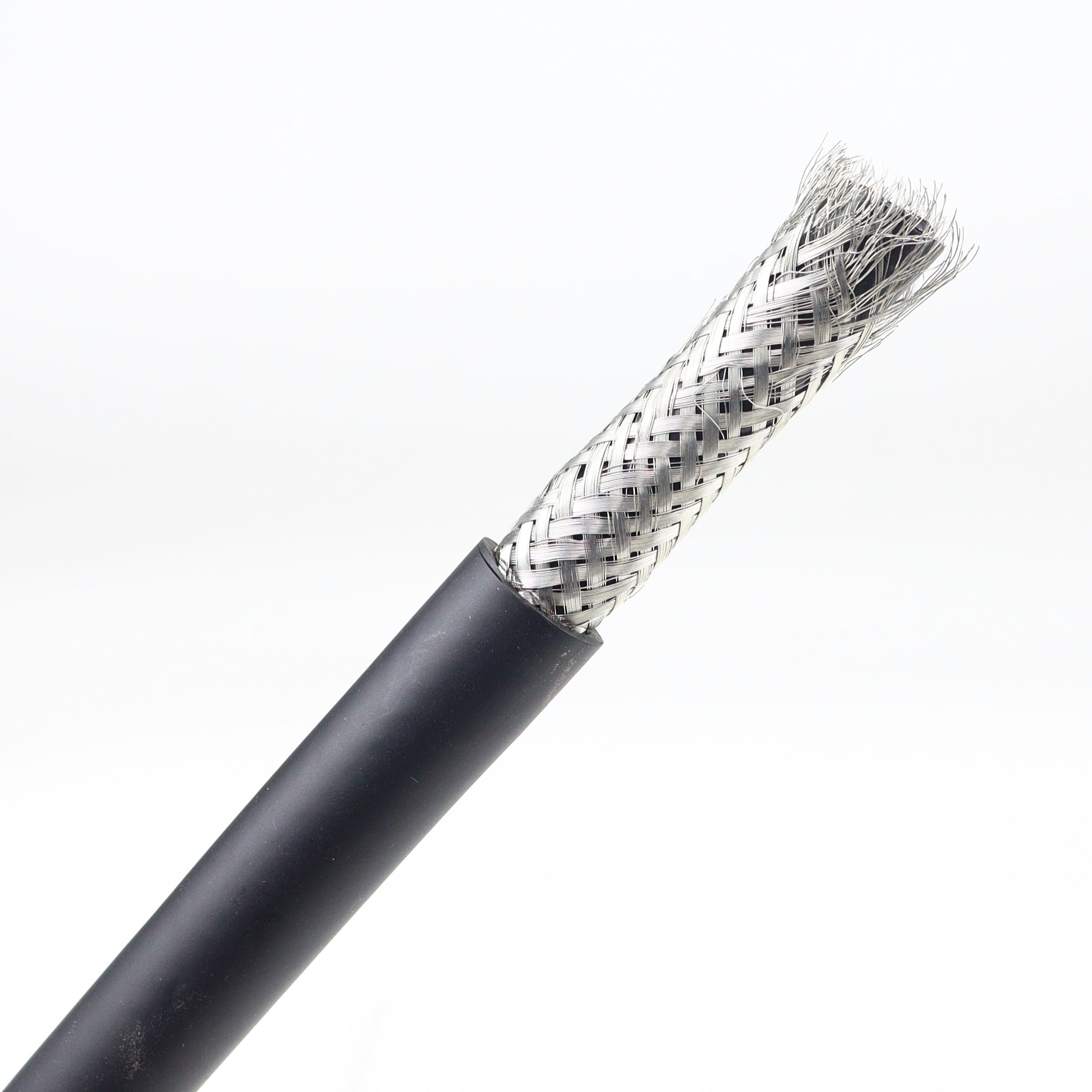
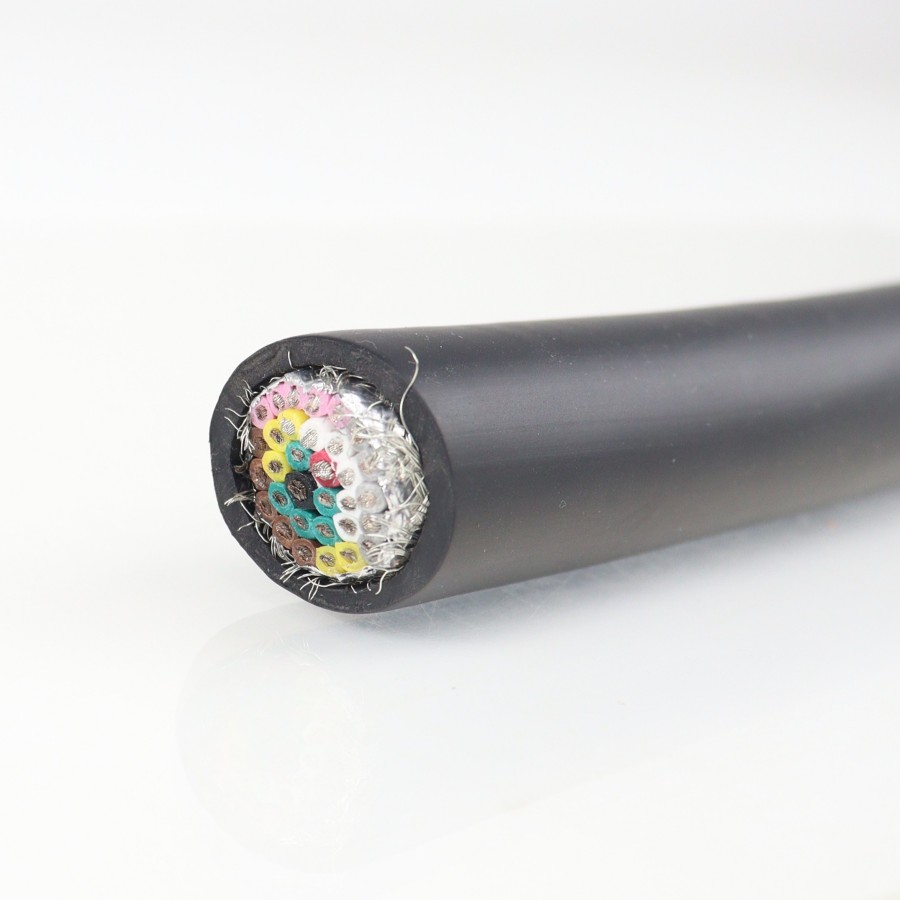
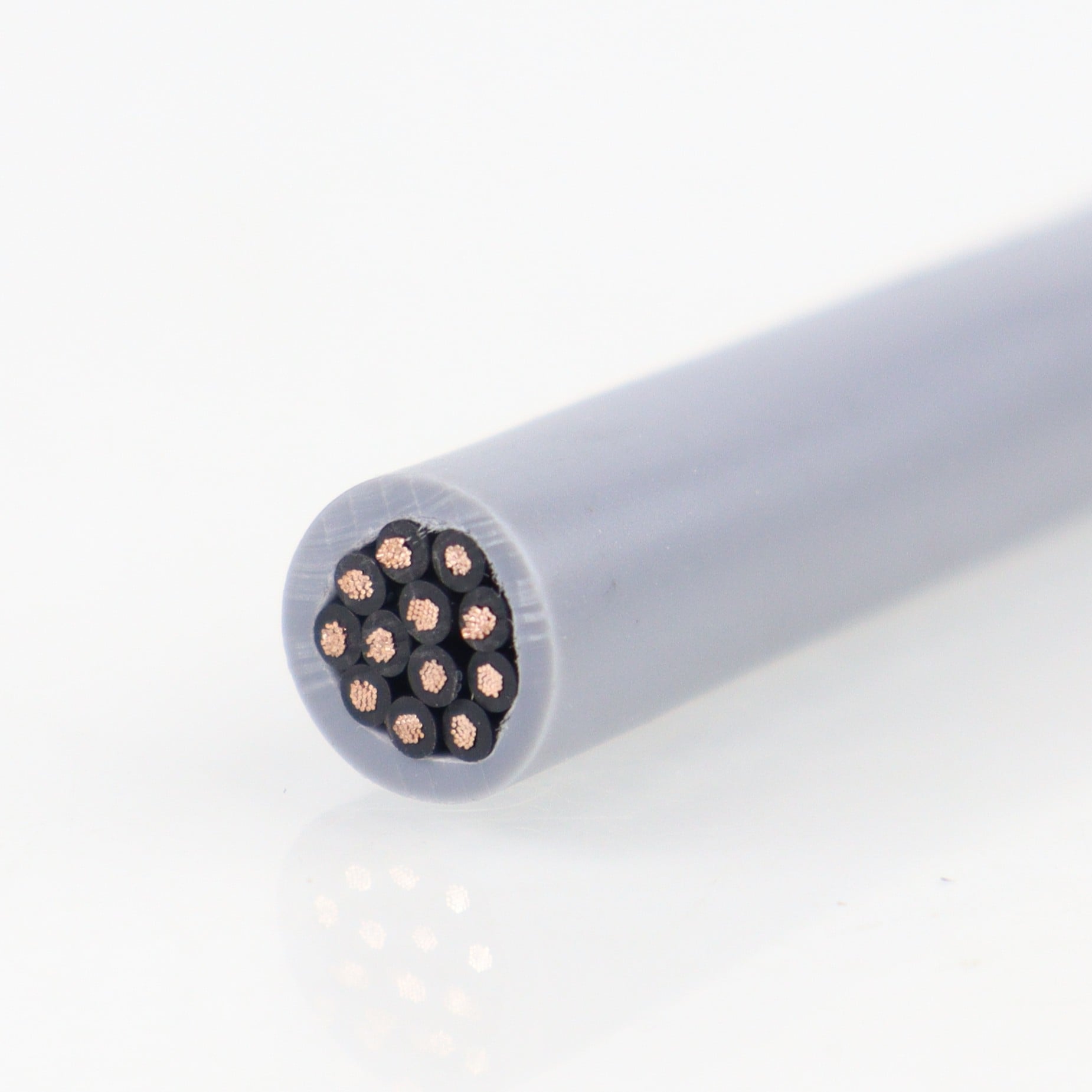
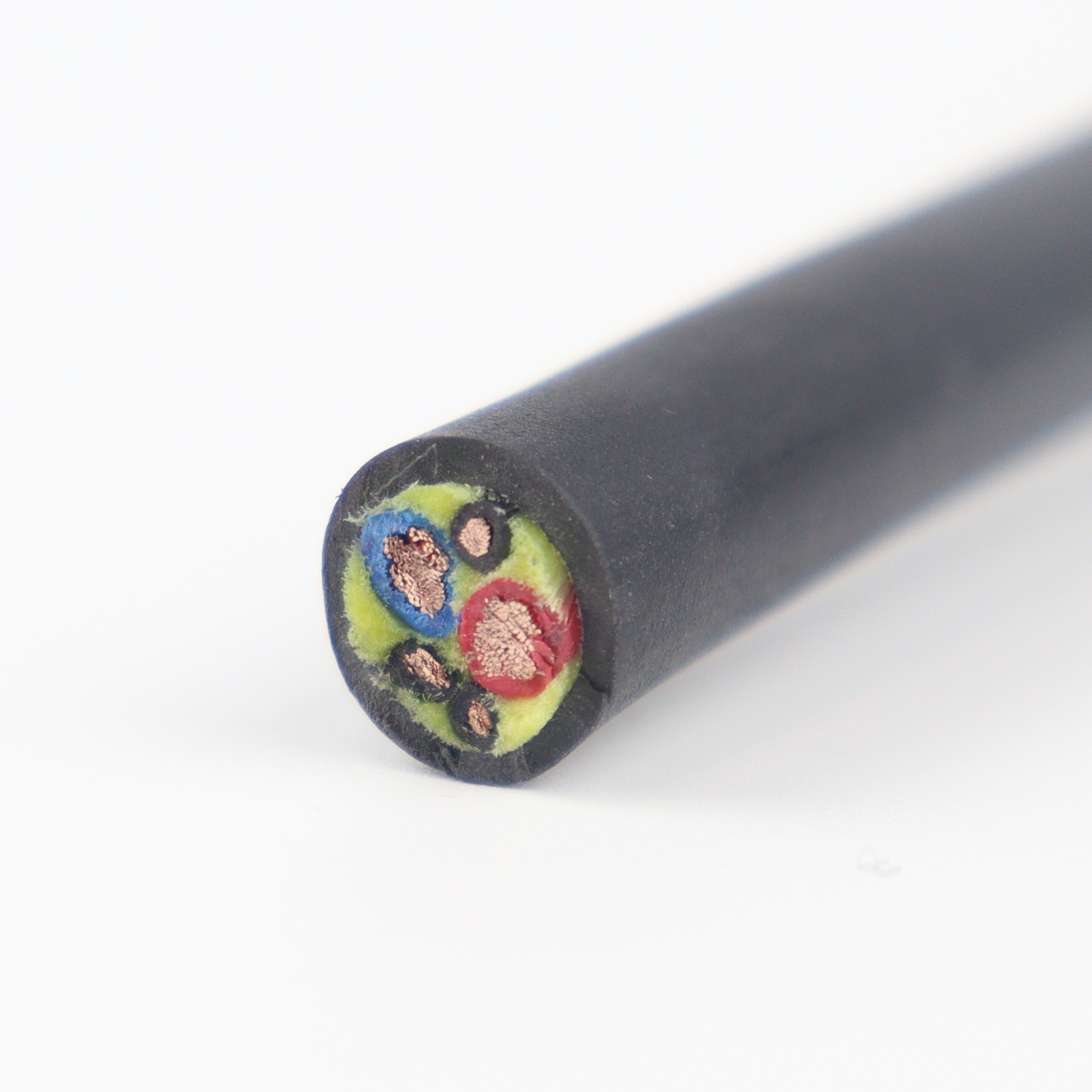
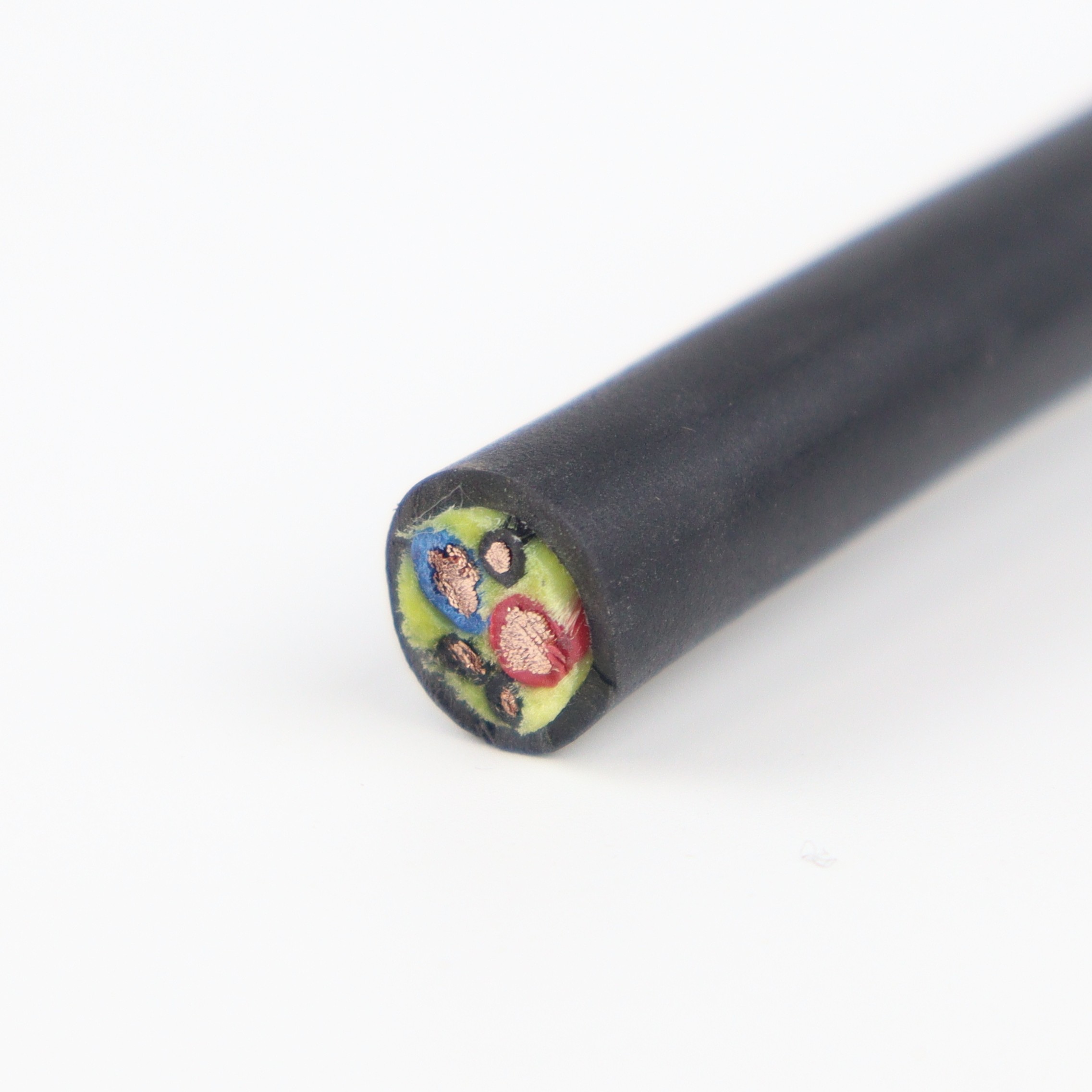
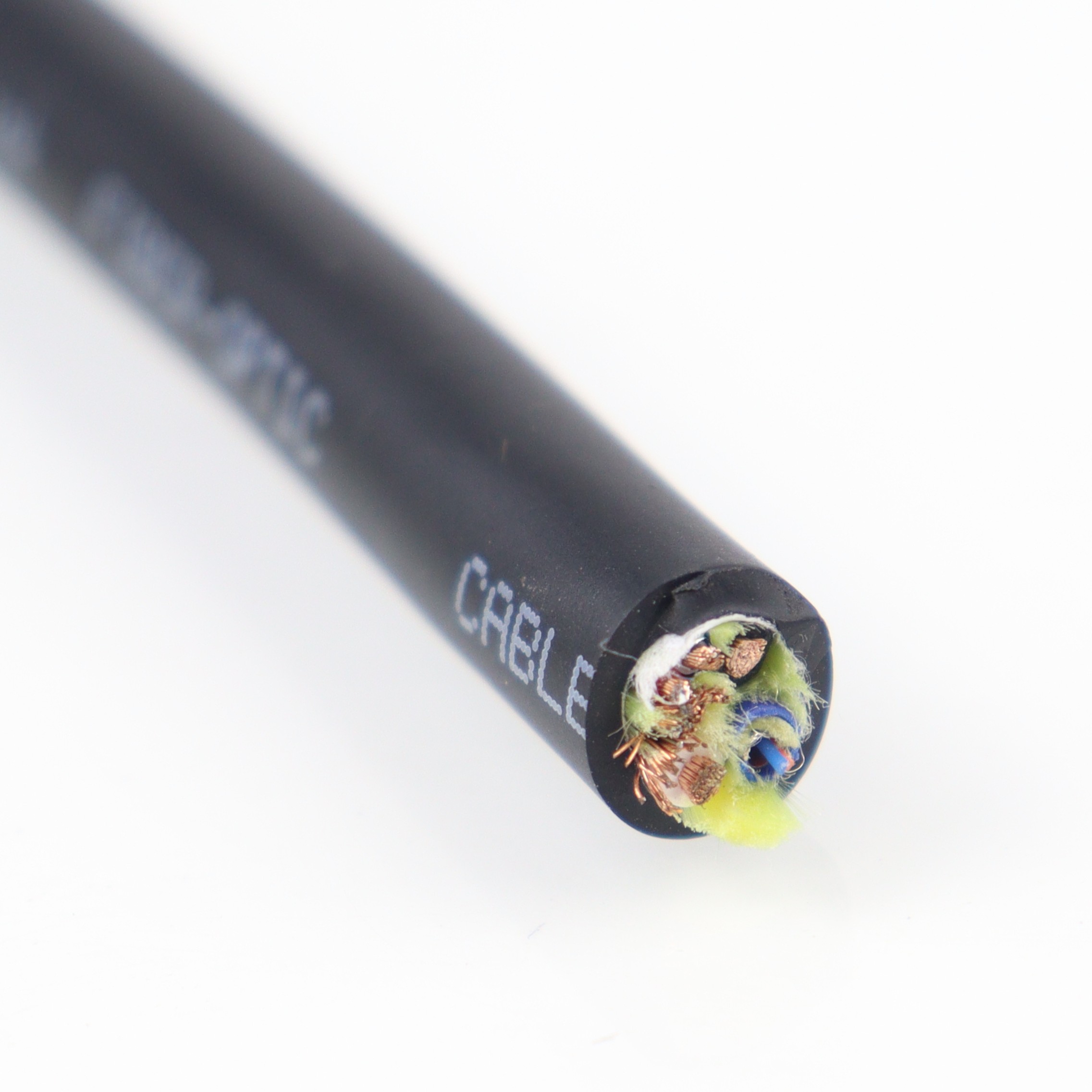
A clear understanding of flex cable price helps buyers compare products before selecting wiring for a new design, repair, or production order. The flex cable price usually reflects conductor material, cable length, width, thickness, shielding, connector type, insulation, and order volume. A basic flat cable may cost less, while a custom assembly with molded plugs, special insulation, or strict testing will raise the flex cable price. The flex cable price also changes with copper content, contact plating, bend-cycle rating, and manufacturing tolerance. Buyers should therefore compare complete specifications rather than judge the flex cable price from length alone. A modern flexible cable carries power, signals, data, or control commands through compact equipment. Its flat or ribbon structure saves space and supports neat routing where rigid wires would create pressure or clutter. Many models use fine copper conductors, durable polymer insulation, color coding, and reinforced connector ends. Some include shielding to reduce interference in sensitive electronic systems. When estimating flex cable price, customers should check operating voltage, current capacity, pitch, temperature range, bending direction, and minimum bend radius. These details confirm whether the cable fits the intended equipment and avoids early failure. Common uses include laptops, displays, printers, scanners, cameras, medical devices, automotive controls, industrial sensors, battery systems, and consumer electronics. For short runs, standard stock items often offer the lowest flex cable price and fastest delivery. For demanding installations, a higher flex cable price may provide better reliability, longer service life, and lower replacement costs. Comparing supplier quality, sample approval, warranty, and volume terms makes flex cable price easier to evaluate. The best flex cable price is not always the lowest quote; it is the price that matches performance, fit, delivery, and total ownership needs.
The main advantage of reviewing flex cable price before purchase is better budget control. A buyer can match cable performance to the application instead of paying for features that provide no practical benefit. Comparing flex cable price across standard and custom options also reveals whether a ready-made part can meet the need. This can shorten sourcing time and reduce engineering work. A well-chosen product keeps devices compact because it bends around hinges, corners, and moving parts. That flexibility supports thinner products, cleaner internal layouts, and easier assembly. When flex cable price includes tested connectors and finished ends, installation becomes faster and lowers the chance of wiring mistakes. Flexible cable also reduces strain on solder joints and circuit boards when equipment moves or opens repeatedly. For this reason, a carefully selected flex cable price can support reliable operation in laptops, touch panels, printers, instruments, vehicles, and factory equipment. Customers should compare flex cable price with the expected bend cycles, temperature exposure, electrical load, and movement speed. A low quote may appear attractive, but it may not suit continuous motion, oil exposure, vibration, or high heat. Paying a little more for stronger insulation, better contacts, or shielding can prevent service interruptions. The right flex cable price can therefore lower maintenance labor, replacement shipping, and production downtime. Standard sizes usually make the flex cable price more predictable and allow quick replenishment. Custom lengths, connector positions, and printed markings improve fit but may involve tooling or setup fees. Asking for samples lets buyers check dimensions, connector engagement, bend behavior, and signal performance before placing a larger order. Volume purchasing may reduce flex cable price, while small orders may carry higher unit costs. A useful buying decision considers unit price, delivery, quality records, technical support, and expected service life together. This approach gives customers clear value and helps them choose a cable that works safely in its actual environment.

Latest News

Shanghai Libin Cable Showcases Robot and Automation Cable Solutions at CMES Shanghai Industrial Automation & Robotics Exhibition

16

Oct

Shanghai Libin Cable Showcases Robot and Automation Cable Solutions at CMES Shanghai Industrial Automation & Robotics Exhibition

View More
Shanghai Libin Cable Showcases Crane Cable Solutions at the 11th China (Changyuan) International Crane Equipment Expo

16

Oct

Shanghai Libin Cable Showcases Crane Cable Solutions at the 11th China (Changyuan) International Crane Equipment Expo

View More
Why Drag Chain Cables Fail: Four Common Causes and How to Select Correctly

16

Oct

Why Drag Chain Cables Fail: Four Common Causes and How to Select Correctly

View More
Industrial Robot Combination Cable: Routing Power and Signal Together in a Small-Bend-Radius Drag Chain

16

Oct

Industrial Robot Combination Cable: Routing Power and Signal Together in a Small-Bend-Radius Drag Chain

View More

Get a Free Quote

Our representative will contact you soon.
0/1000
Space-Saving Design for Compact Equipment

Space-Saving Design for Compact Equipment

One important reason to examine flex cable price is the space-saving design offered by flat, thin wiring. A flexible cable can pass through narrow gaps and follow curved surfaces without the bulky loops created by separate round wires. This benefit supports slim laptops, folding displays, camera modules, medical tools, and dashboard controls. A suitable flex cable price can also reduce assembly time because technicians route one organized strip instead of many individual conductors. The flat shape improves identification when contacts use a defined pitch or printed layout, helping reduce connection errors. Buyers should confirm width, thickness, contact direction, and connector compatibility before comparing flex cable price between suppliers. A low-cost item that needs trimming or modification may create extra labor and risk. The right product gives designers more freedom, keeps internal parts orderly, and helps equipment meet a smaller size target. In practical terms, flex cable price becomes an investment in simpler construction, cleaner service access, and more efficient use of available space.
Reliable Performance During Repeated Movement

Reliable Performance During Repeated Movement

A major value point behind flex cable price is reliable performance in equipment that opens, closes, slides, or vibrates. Flexible conductors and durable insulation allow the cable to move without placing excessive stress on contacts or board connections. This makes the product suitable for notebook hinges, printer heads, robotic assemblies, vehicle controls, and adjustable instruments. When comparing flex cable price, buyers should ask about bend direction, minimum bend radius, movement frequency, and tested cycle life. These facts help prevent a mismatch between a light-duty cable and a demanding mechanism. A slightly higher flex cable price may include stronger copper, reinforced edges, better strain relief, or verified motion testing. Those features can reduce intermittent faults, service calls, and unexpected equipment stoppage. Correct routing remains important, since sharp folds and excessive pulling can damage any cable. Choosing a model with the right movement rating gives customers dependable signal or power transfer while supporting longer product life. The best flex cable price balances purchase cost with the cost of failure and maintenance.
Flexible Options for Standard and Custom Projects

Flexible Options for Standard and Custom Projects

Another strong selling point reflected in flex cable price is the wide range of available configurations. Buyers can select different lengths, widths, conductor counts, pitches, insulation materials, shields, and connector styles. Standard parts often provide a competitive flex cable price, quick shipment, and simple replacement planning. Custom versions can match an exact enclosure, board layout, or connector position, reducing installation changes and improving production consistency. During evaluation, customers should provide drawings, samples, electrical requirements, and yearly demand so suppliers can quote the correct flex cable price. Clear specifications also prevent hidden changes in material or connector quality. Some projects need heat resistance, chemical protection, high-speed data support, or special contact plating, while others need only basic internal wiring. Selecting only the features required keeps the flex cable price under control without weakening performance. This adaptability makes flexible cable useful across consumer devices, industrial controls, automotive systems, test equipment, and medical products. A thoughtful specification delivers better fit, easier assembly, dependable supply, and stronger long-term value.