data communication cable
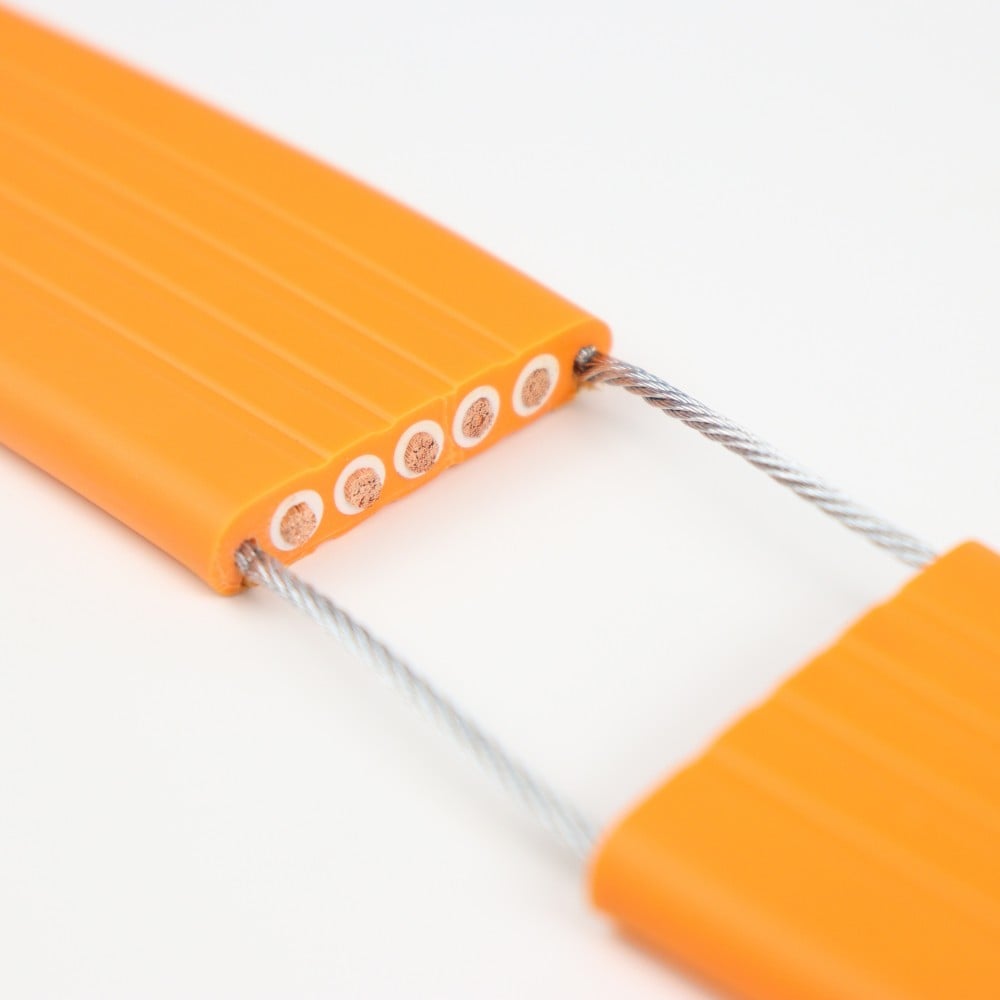
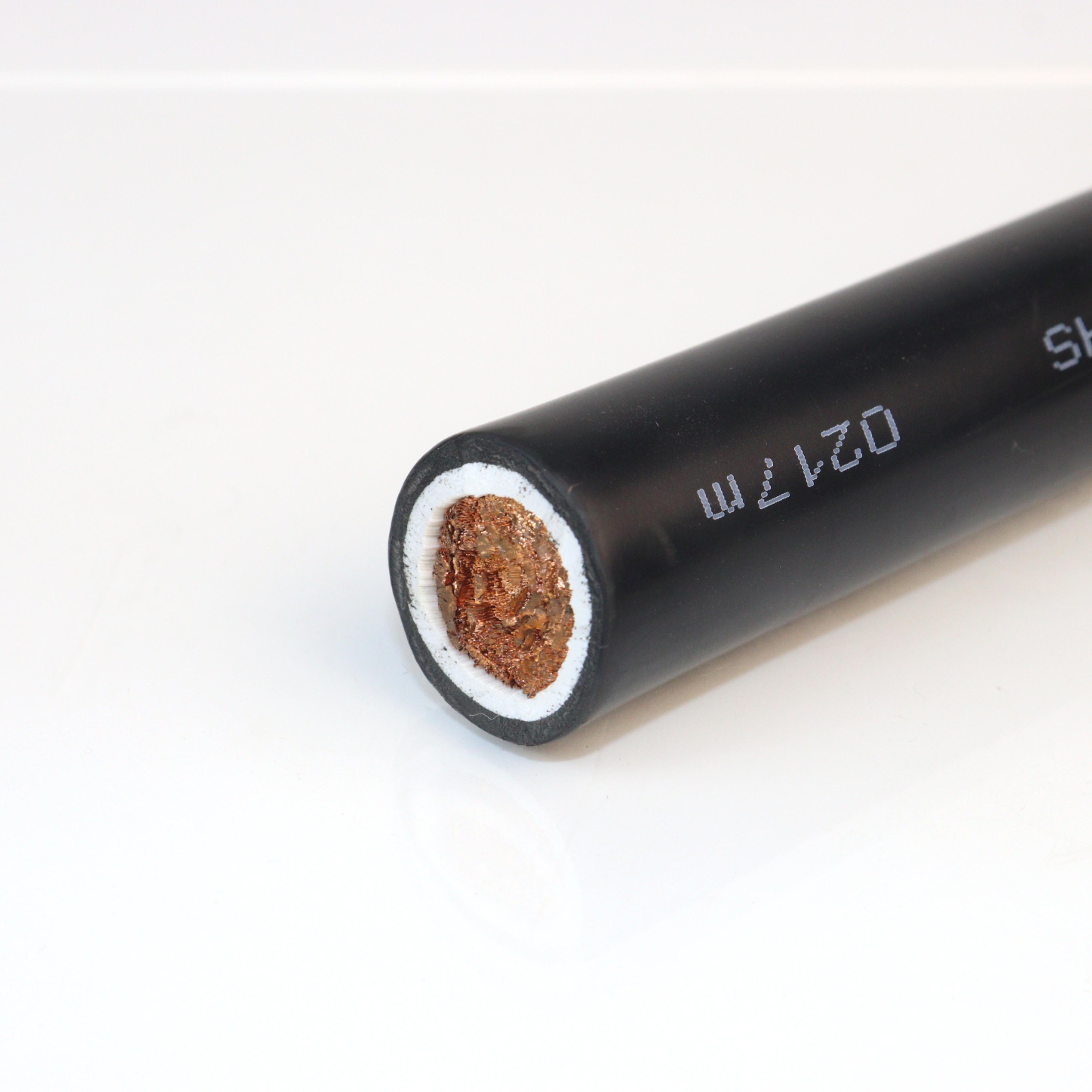
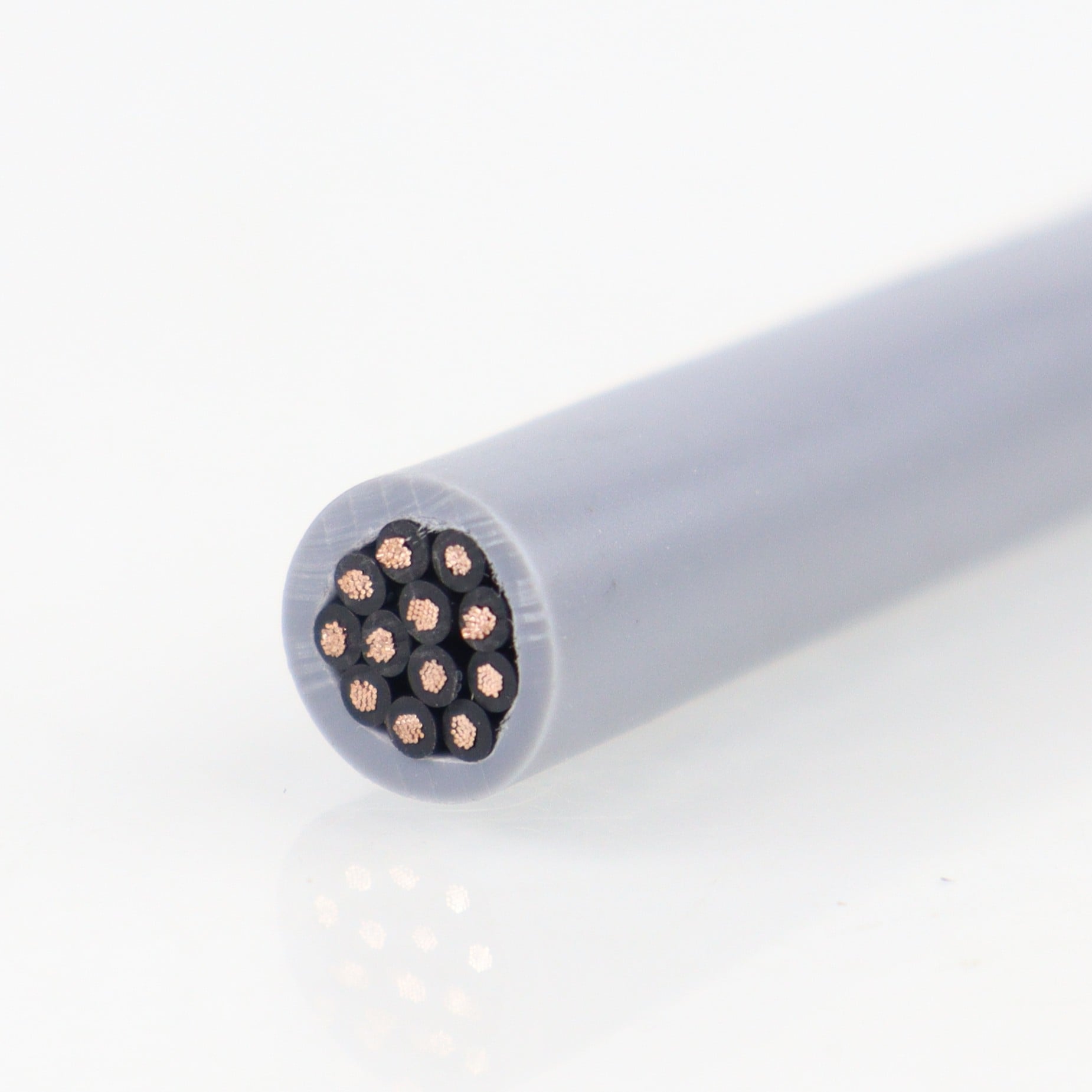
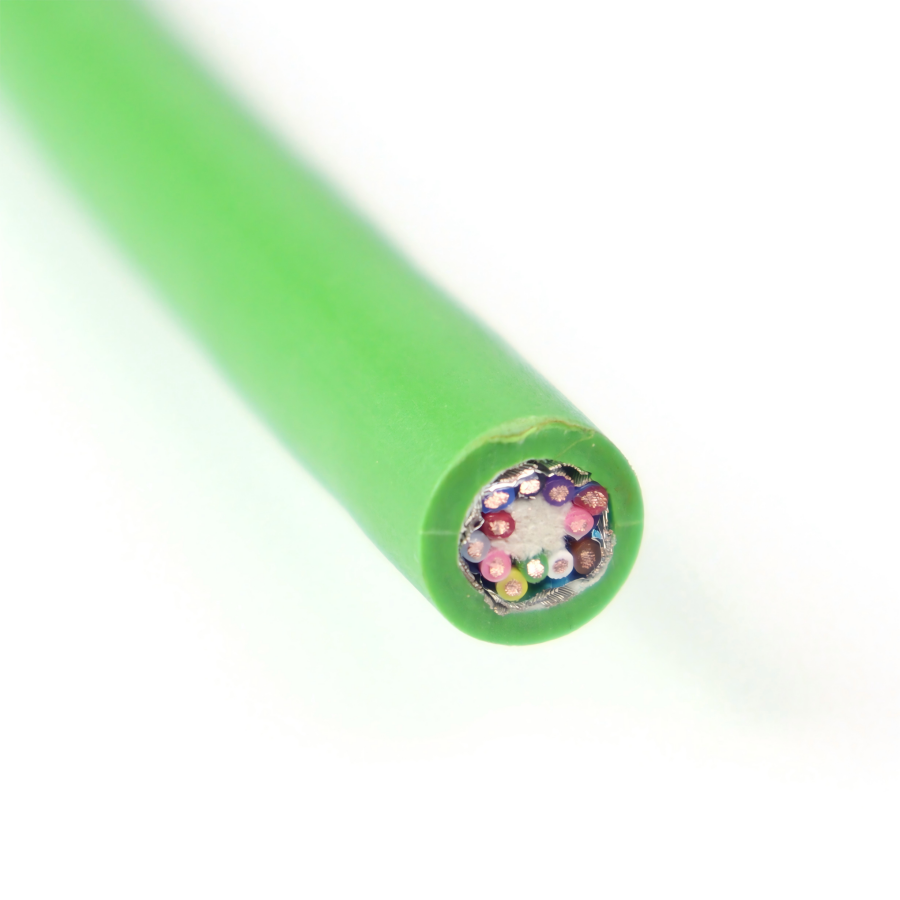
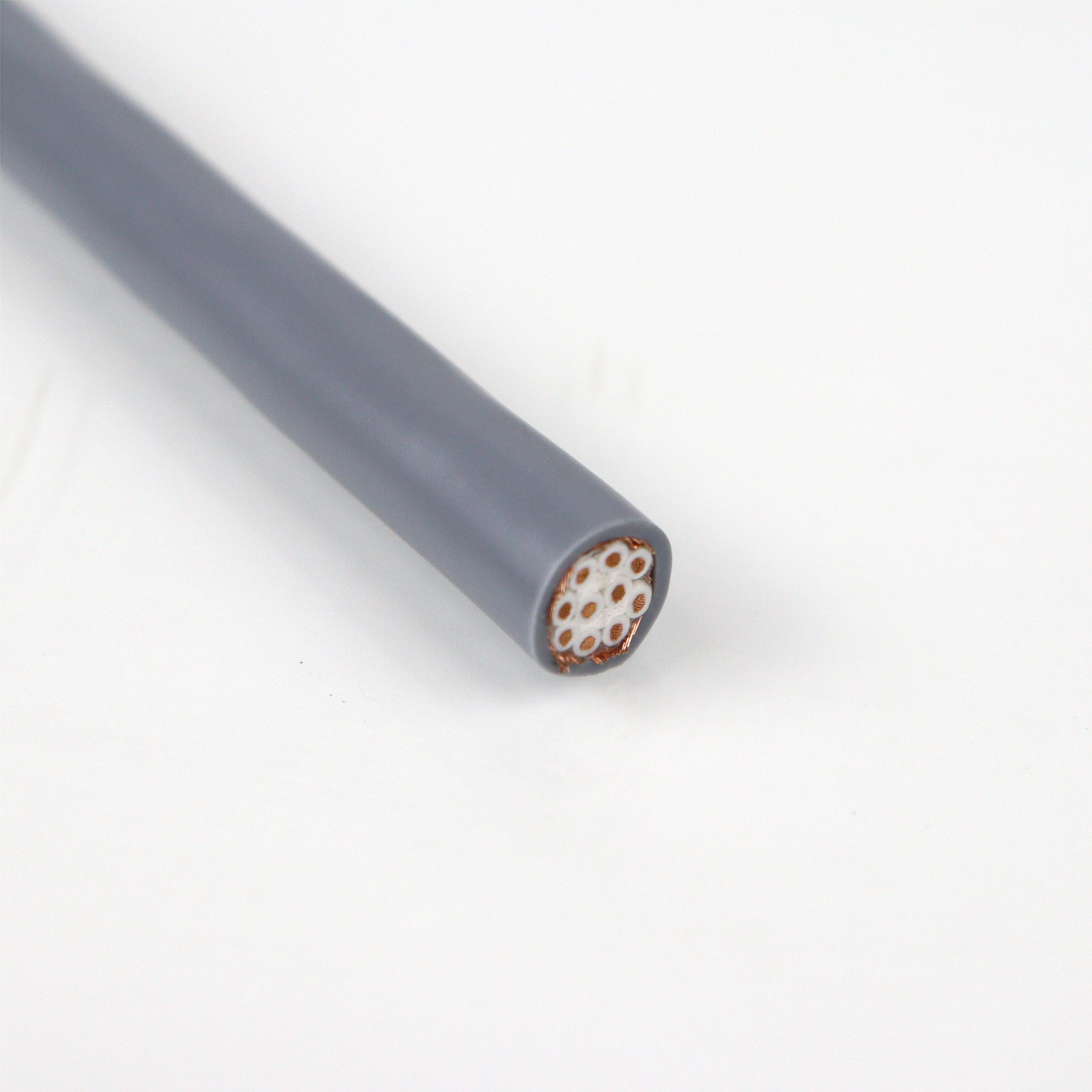
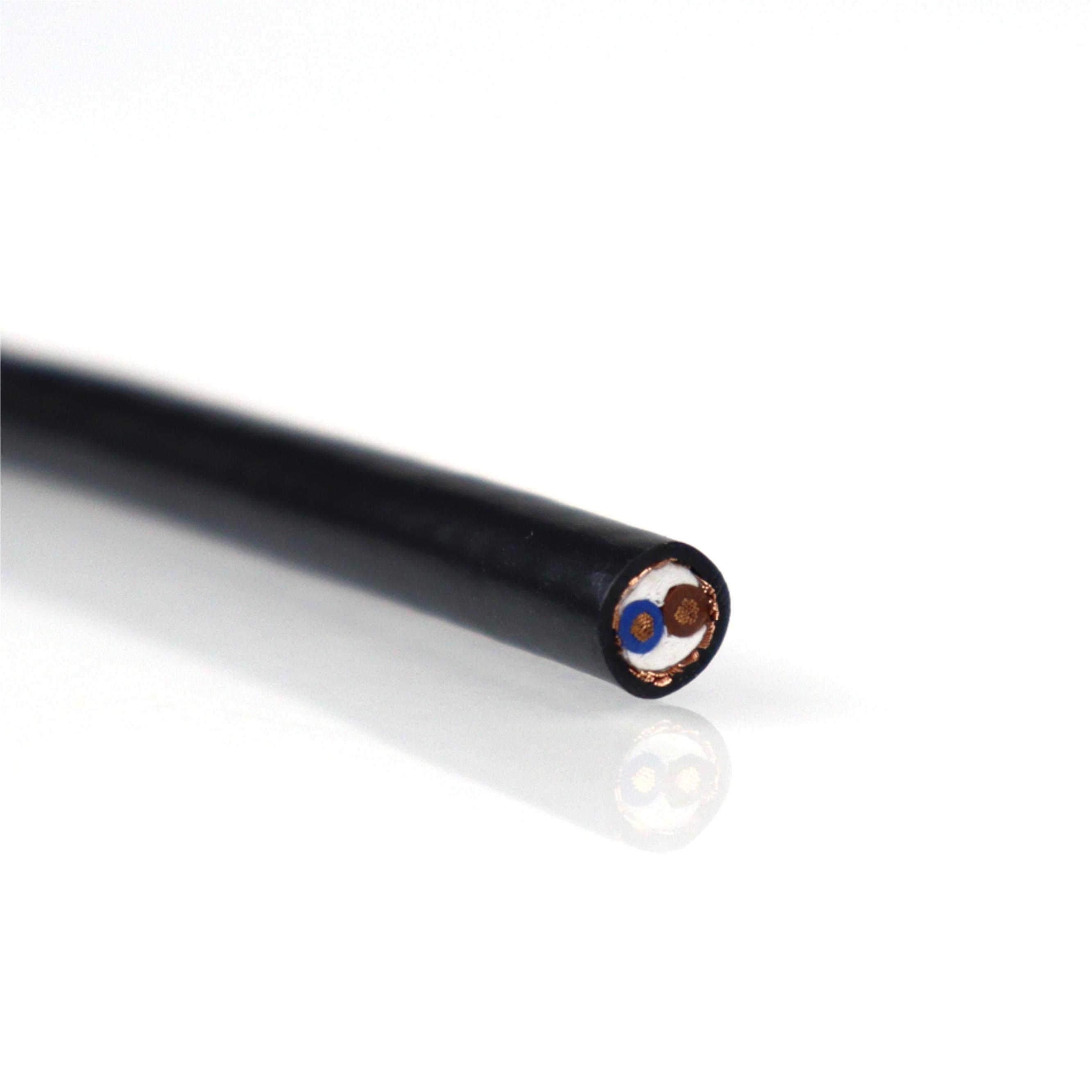
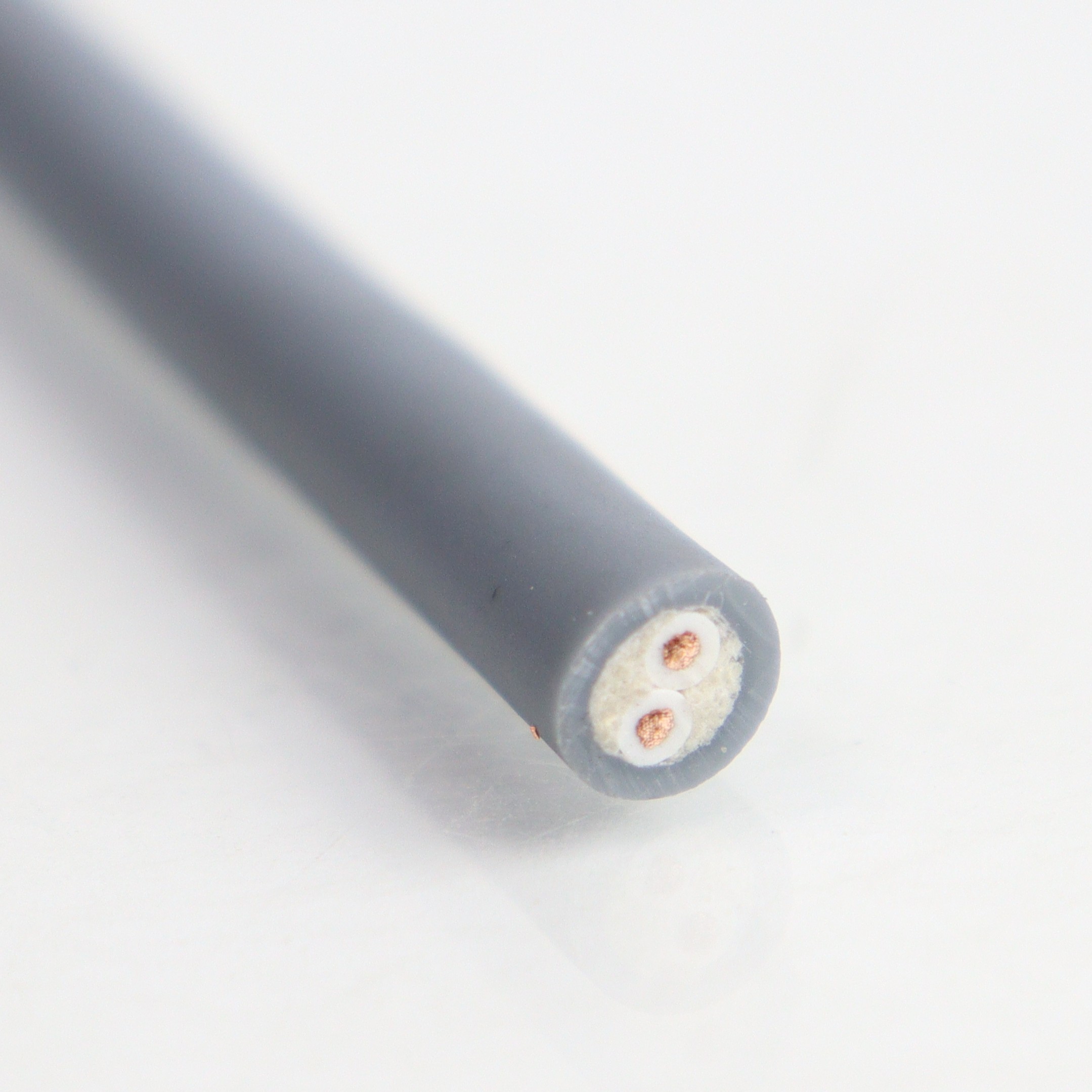
A data communication cable is a physical connection that carries digital information between computers, switches, routers, cameras, sensors, servers, and other network devices. It supports the dependable transfer of voice, video, files, control signals, and internet traffic across homes, offices, factories, data centers, and public facilities. Unlike wireless links, a data communication cable provides a dedicated path that does not depend on radio coverage, battery power, or changing air conditions. The data communication cable uses copper conductors, shielding, insulation, and protective jacketing to move signals accurately while reducing interference. Some models use twisted copper pairs to limit signal overlap, while fiber versions use light to deliver high speed over long distances. A suitable data communication cable can support different transmission rates, distances, connector types, and installation environments. Key technical features may include category rating, conductor size, bandwidth, shielding design, bend performance, fire rating, water resistance, and operating temperature. The data communication cable can also support Power over Ethernet, allowing one cable to carry both network data and electrical power to compatible devices. During installation, the data communication cable connects with patch panels, wall outlets, plugs, cabinets, and active network equipment. Its main function remains simple: preserve signal quality from one endpoint to another. Choosing the correct data communication cable helps reduce packet loss, connection delays, maintenance work, and future replacement costs. For buyers, the right data communication cable creates a stable foundation for fast, organized, and scalable communication infrastructure.