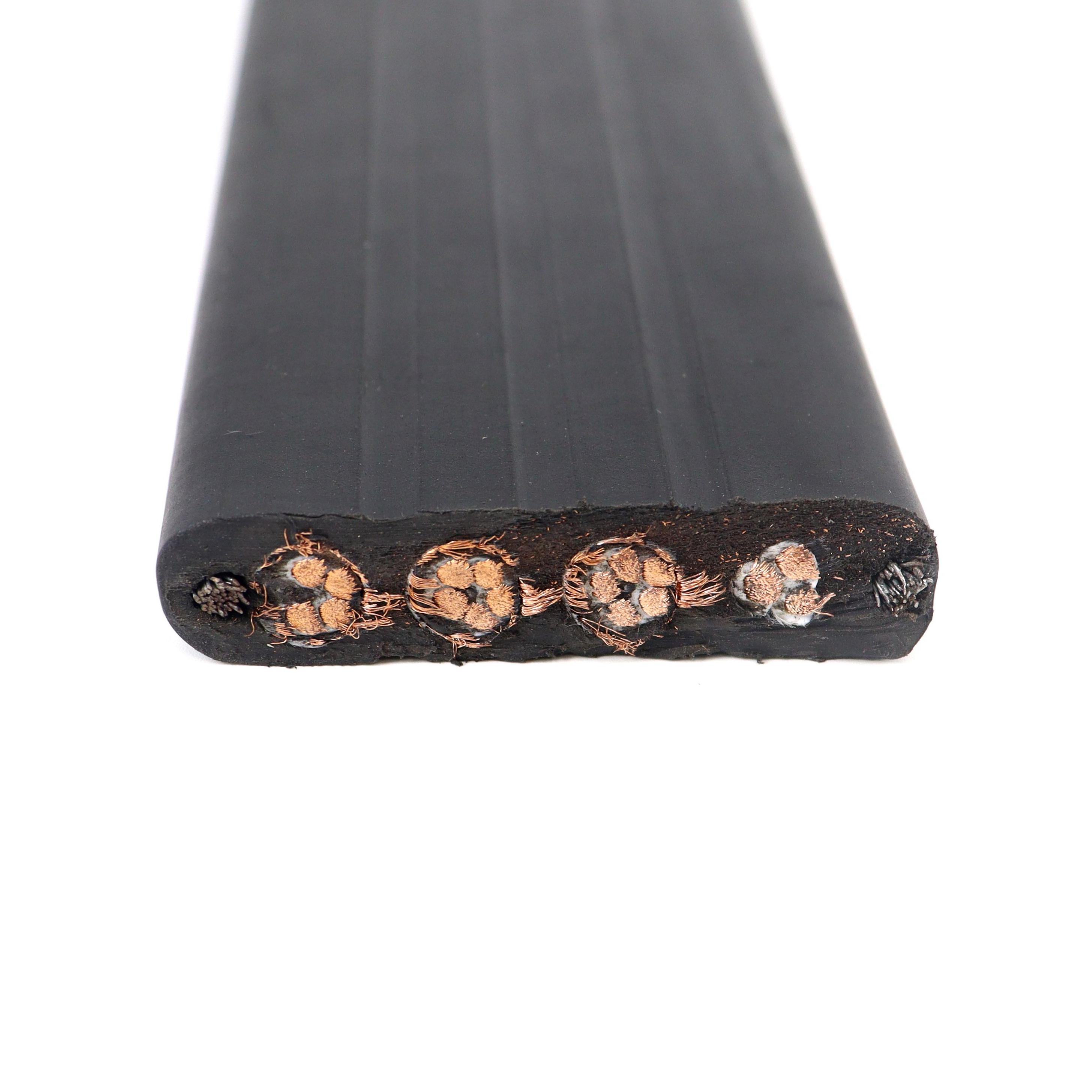
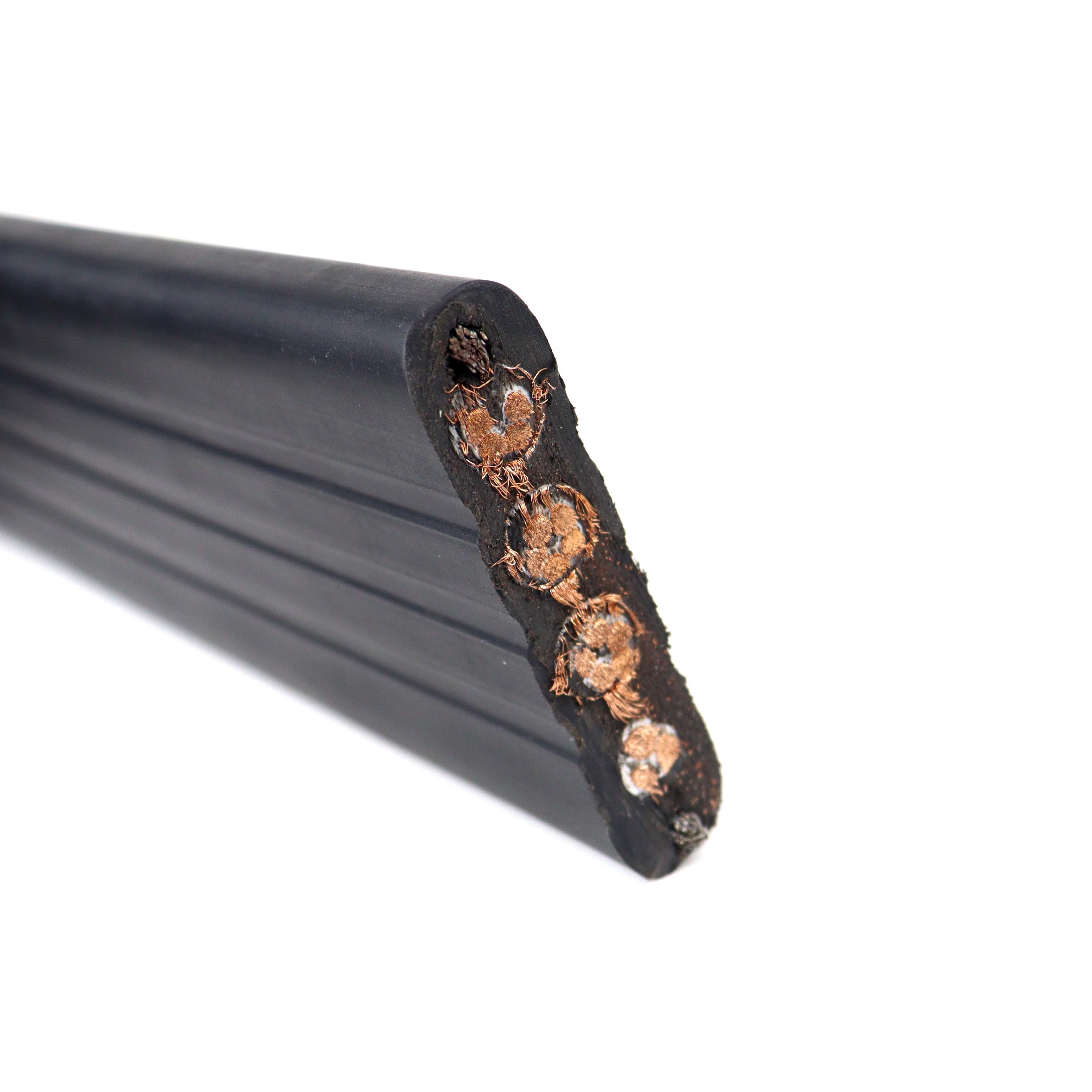
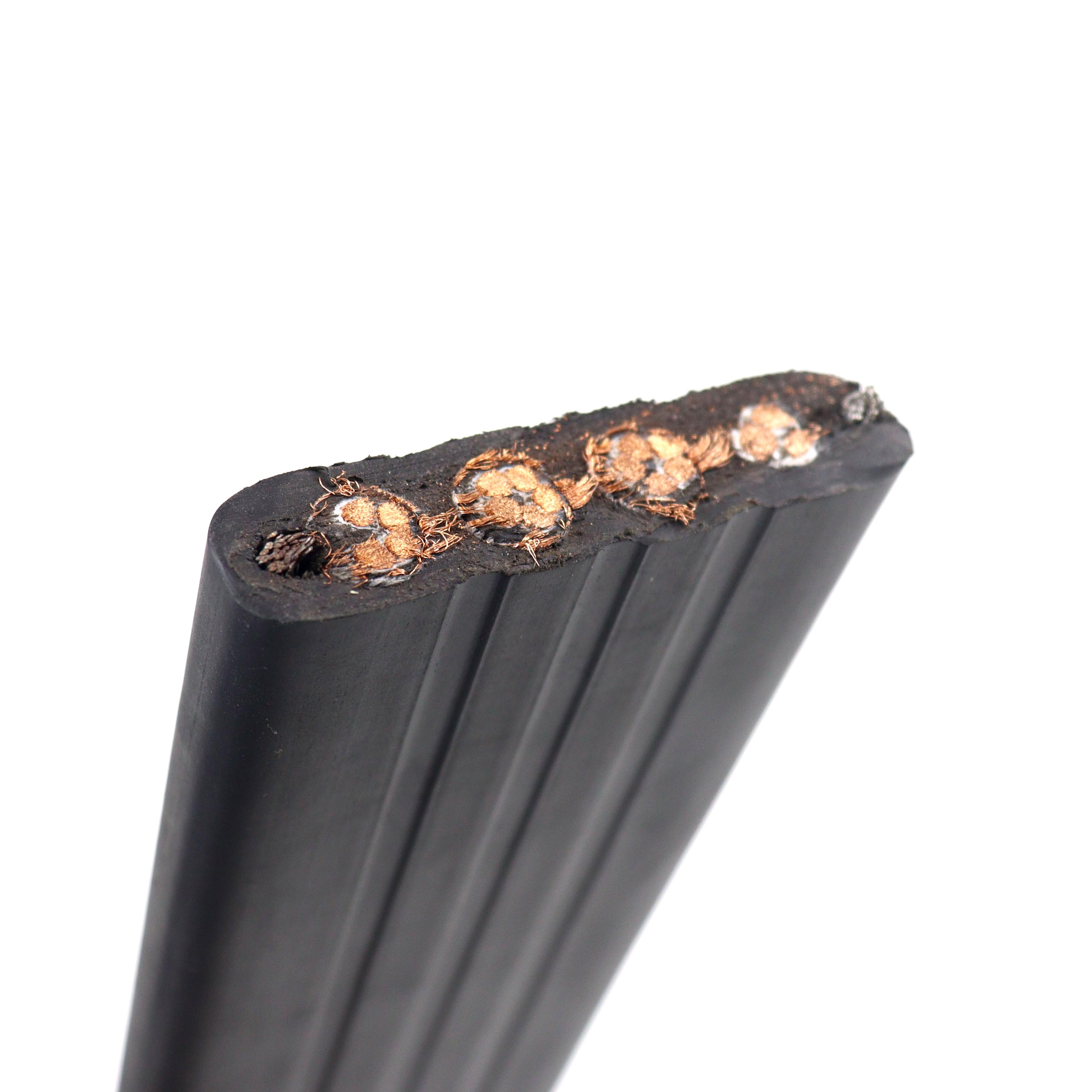
Flat Copper Wire for Efficient Power Systems

application/flat-copper-wire, application/flat-copper-wire, 
Inquiry
Inquiry

flat copper wire

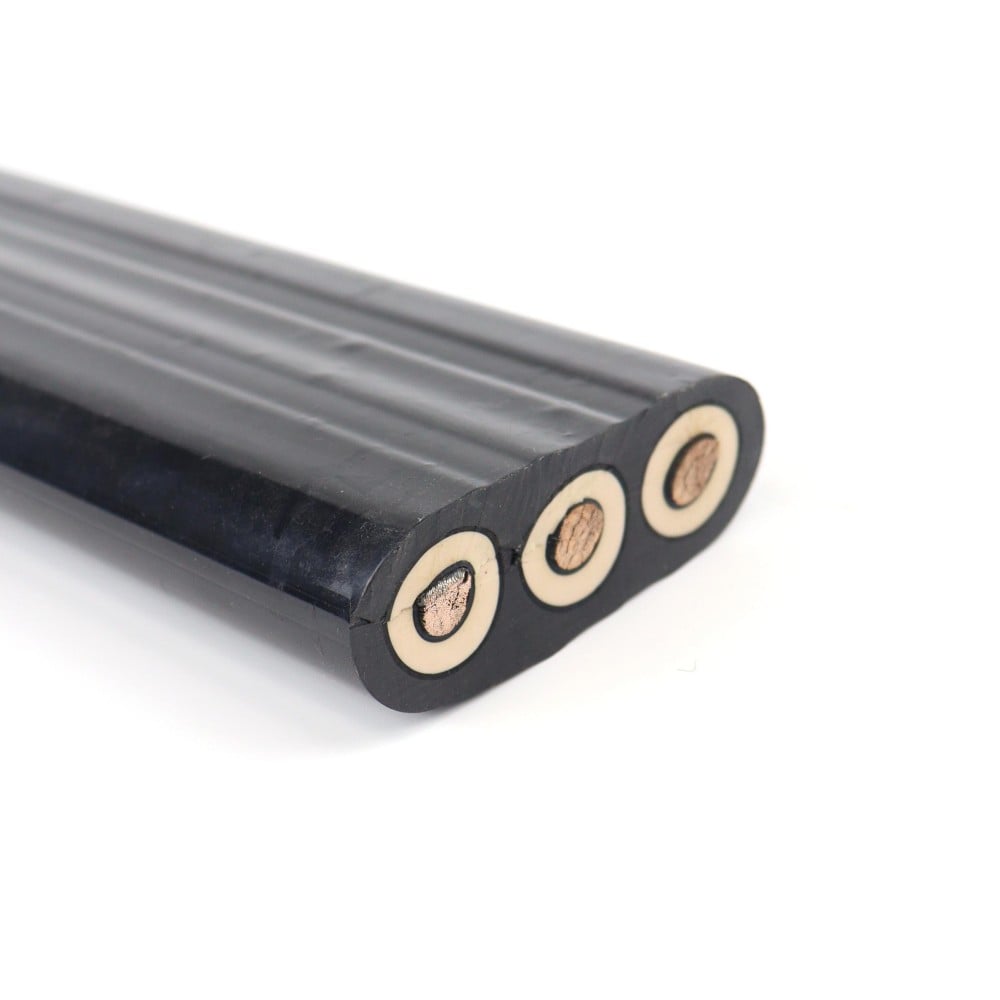
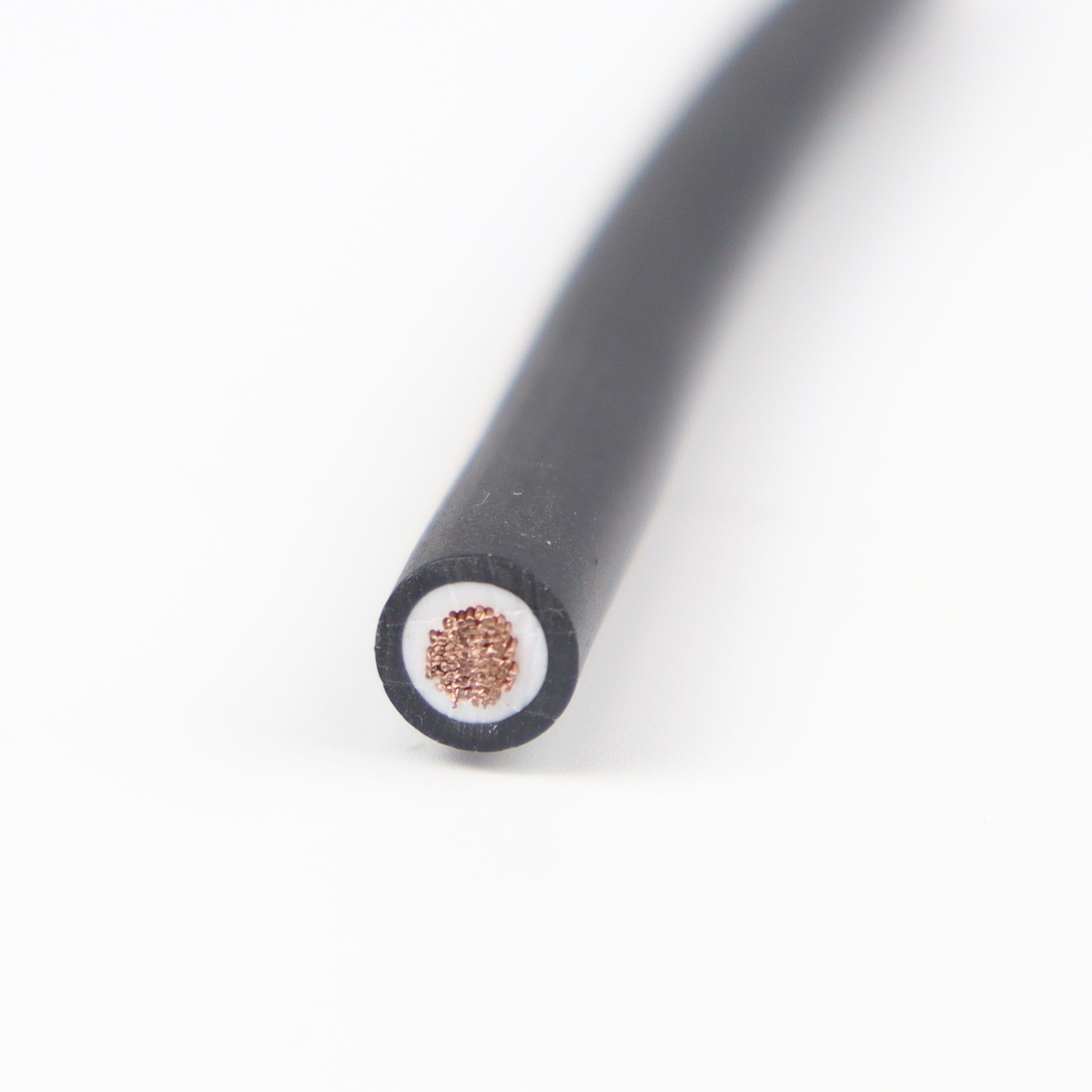
Flat copper wire is a thin, broad conductor made from high-purity copper and shaped into a rectangular or ribbon-like profile. Unlike round wire, flat copper wire uses width and a low height to fit efficiently into narrow spaces. It carries electrical current between components while also supporting heat transfer and controlled winding in compact equipment. Manufacturers can supply flat copper wire as bare copper or with enamel, film, paper, or other insulation, depending on voltage, temperature, and installation needs. Flat copper wire may also receive tin, nickel, or silver plating when the product must resist corrosion or improve connection performance. The wide surface of flat copper wire helps create stable contact with terminals, busbars, coils, and laminated parts. Its geometry also allows tighter, more orderly winding, which can reduce unused space inside a motor, transformer, generator, or power module. Depending on the design, flat copper wire can have rounded edges, sharp corners, flexible temper, or a rigid form for easy assembly. Production controls commonly cover width, thickness, surface quality, insulation coverage, and dimensional consistency. These controls help flat copper wire meet repeatable electrical and mechanical requirements across large production runs. The material offers high conductivity, low resistance, and good heat handling, while copper remains easy to form and join. Customers can select flat copper wire in custom sizes, lengths, insulation systems, and delivery conditions. Common applications include electric vehicle motors, traction systems, transformers, inductors, generators, renewable energy equipment, switchgear, battery connections, and high-frequency electrical assemblies. For buyers, flat copper wire provides a practical balance of current capacity, compact construction, manufacturing efficiency, and long service life.
The main advantage of flat copper wire is that it makes better use of limited installation space. Its broad, low profile can sit close to other conductors and components, so designers can build smaller coils, motors, transformers, and power assemblies. Flat copper wire can also create a larger contact area than a similar round conductor. This can support dependable connections, reduce hot spots, and make joining easier when terminals or busbars have a flat interface. Because copper conducts electricity efficiently, flat copper wire helps limit energy loss during operation. Lower resistance can support better efficiency, lower operating temperatures, and reduced cooling demand. These benefits may improve equipment performance while helping control lifetime energy costs. Flat copper wire also supports neat, repeatable winding. Its consistent shape can reduce gaps between turns, improve packing density, and help manufacturers achieve the same electrical result from one unit to the next. This is valuable for automated production, where predictable dimensions reduce adjustment time and material waste. Insulation options give flat copper wire wider application suitability. Enamelled versions suit compact windings, while film or paper insulation can support different voltage, temperature, and mechanical requirements. Buyers can also request plating or surface treatment where moisture, oxidation, soldering, or connection reliability matters. Another practical benefit is design flexibility. Flat copper wire can be specified in different widths, thicknesses, tempers, edge shapes, and cut lengths. That flexibility helps engineers match the conductor to available space, current demand, bending limits, and assembly method instead of redesigning the whole product around a standard size. Flat copper wire can simplify assembly because its shape helps guide placement and maintain alignment. It may also reduce the need for multiple parallel round wires, lowering part count and making inspection easier. For demanding equipment, flat copper wire offers a useful combination of electrical capacity, heat control, compactness, and durable copper construction. Customers should compare conductor dimensions, insulation class, allowable temperature, surface finish, tolerance, and compliance documents before ordering. This decision context helps ensure the selected flat copper wire fits both the electrical design and the production process.

Practical Tips

Shanghai Libin Cable Showcases Robot and Automation Cable Solutions at CMES Shanghai Industrial Automation & Robotics Exhibition

16

Oct

Shanghai Libin Cable Showcases Robot and Automation Cable Solutions at CMES Shanghai Industrial Automation & Robotics Exhibition

View More
Shanghai Libin Cable Showcases Crane Cable Solutions at the 11th China (Changyuan) International Crane Equipment Expo

16

Oct

Shanghai Libin Cable Showcases Crane Cable Solutions at the 11th China (Changyuan) International Crane Equipment Expo

View More
Why Drag Chain Cables Fail: Four Common Causes and How to Select Correctly

16

Oct

Why Drag Chain Cables Fail: Four Common Causes and How to Select Correctly

View More
Industrial Robot Combination Cable: Routing Power and Signal Together in a Small-Bend-Radius Drag Chain

16

Oct

Industrial Robot Combination Cable: Routing Power and Signal Together in a Small-Bend-Radius Drag Chain

View More

Get a Free Quote

Our representative will contact you soon.
0/1000
Compact Geometry for Higher Design Freedom

Compact Geometry for Higher Design Freedom

The low, wide shape of flat copper wire helps engineers place more conductor into a restricted area. In a motor or transformer, flat copper wire can follow a controlled winding path and fill available space more effectively than round wire. This improved packing can support stronger magnetic performance without increasing the overall enclosure size. It can also leave more room for insulation, cooling channels, sensors, or other components. For battery packs, inverters, and busbar assemblies, flat copper wire can sit close to flat terminals and reduce awkward bends. The result is a cleaner layout that can simplify assembly and improve service access. Flat copper wire is especially useful when a product must remain thin, light, or highly integrated. Buyers gain greater freedom to optimize the complete system rather than accepting excess space around a conventional conductor. Correct width, thickness, edge design, and bend radius remain important, so suppliers should provide clear dimensional data and samples for design approval.
Efficient Current Flow and Heat Management

Efficient Current Flow and Heat Management

Copper combines strong electrical conductivity with dependable heat transfer, making flat copper wire suitable for equipment that carries substantial current. Its broad profile can provide a large cooling surface and a short, direct path through a coil or connection. When the design uses the correct size, flat copper wire can help limit resistance, electrical loss, and unwanted temperature rise. Better heat control may protect insulation, stabilize output, and reduce stress on nearby parts. This benefit supports motors, generators, transformers, charging equipment, renewable energy converters, and industrial power supplies. Flat copper wire can also make thermal design easier because its position and surface area are more predictable within a winding or assembly. Customers should still evaluate current, frequency, duty cycle, ambient temperature, insulation rating, and cooling method before selection. A properly specified flat copper wire offers practical operating value: efficient power transfer, reliable temperature control, and improved potential for continuous service under demanding loads.
Custom Options for Reliable Production

Custom Options for Reliable Production

A major selling point of flat copper wire is the range of options available for different electrical and manufacturing requirements. Suppliers can produce flat copper wire in tailored widths, thicknesses, lengths, insulation types, and surface finishes. Enamel insulation can support compact coils, while film, paper, or composite systems may suit higher mechanical protection or specific temperature conditions. Plated surfaces can improve corrosion resistance and connection behavior in challenging environments. Edge treatment, temper, and dimensional tolerance also affect how easily flat copper wire bends, winds, cuts, or joins during production. These choices allow buyers to match the conductor to an existing machine, tooling setup, or assembly sequence. Consistent sizing is equally important because it supports repeatable winding, automated handling, and dependable final inspection. Before placing an order, customers should confirm drawings, test standards, insulation performance, delivery format, and quality records. The right flat copper wire can reduce rework, protect product consistency, and provide a more dependable path from prototype to volume manufacturing.