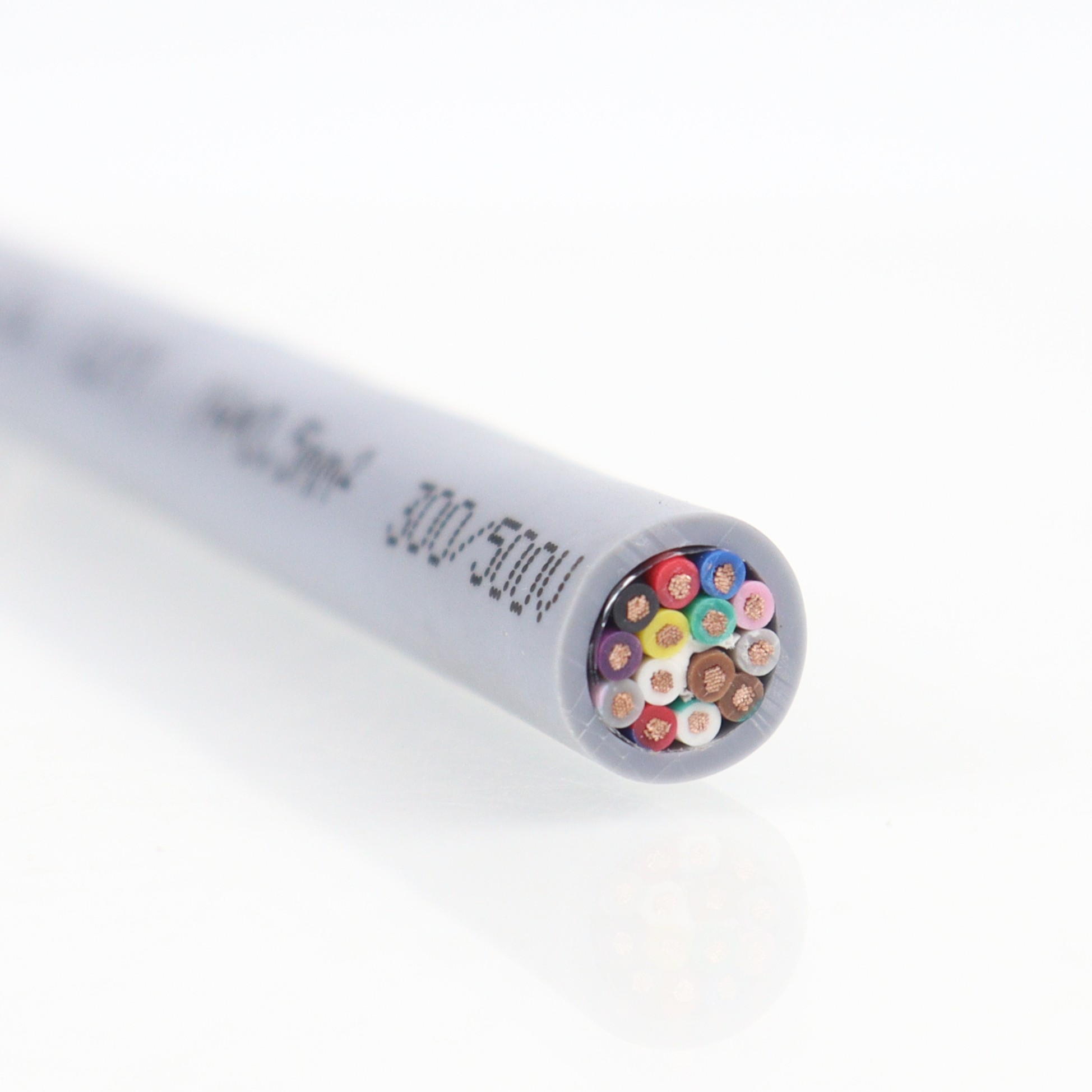
When sonar returns become noisy, intermittent, or unexpectedly weak, the cable termination deserves attention alongside the transducer and display. A Shielded Cable carries a sensitive signal through an electrically busy environment, and the way its screen ends can help explain whether sonar transducer leads are exposed to unwanted coupling. Understanding sealed shield termination also gives technicians a practical way to narrow echo interference causes without treating every distorted return as a transducer failure.
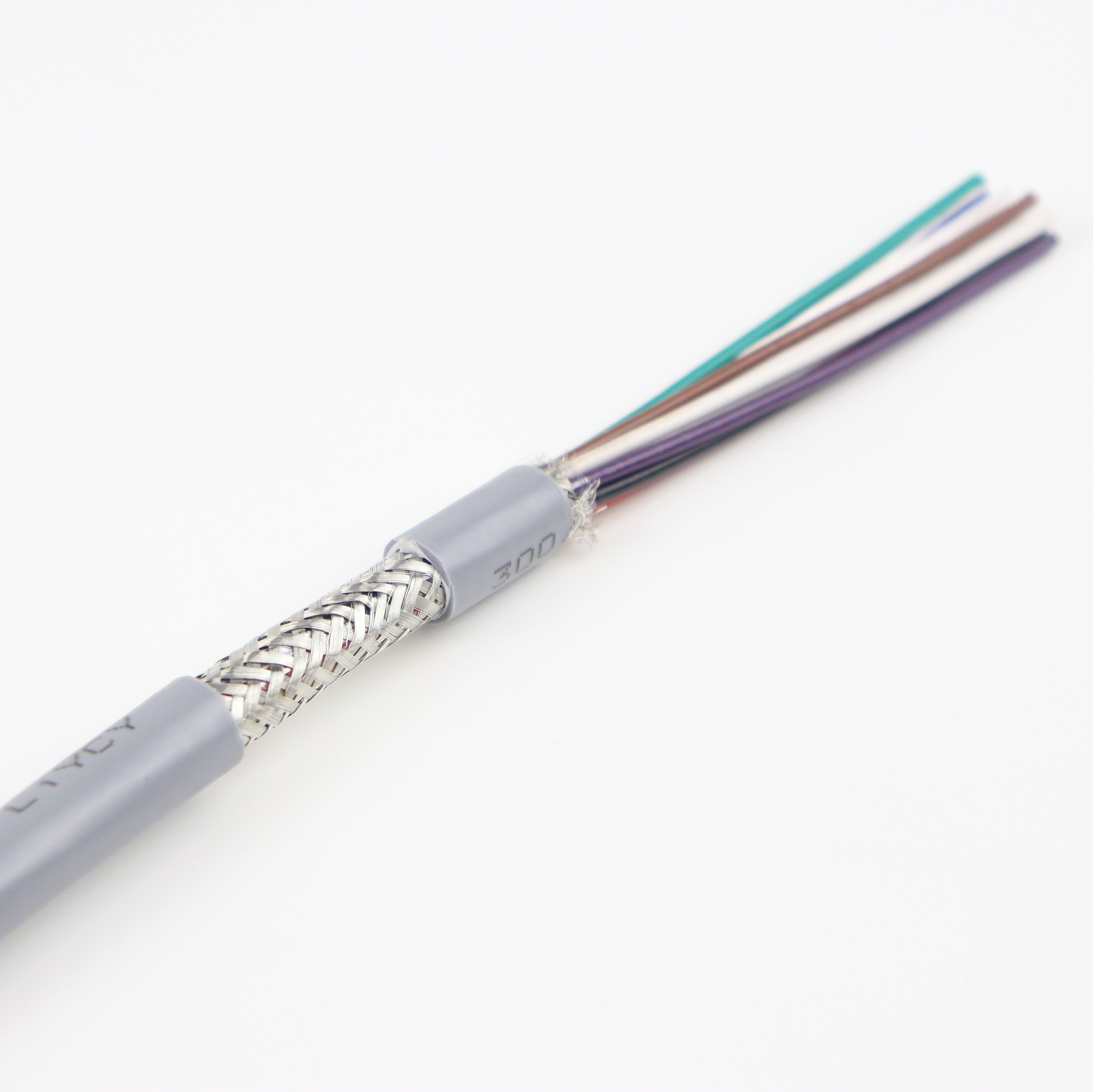
The termination is not a cure-all; it is one part of the signal path that can either preserve the screen’s intended function or leave a vulnerable transition. During troubleshooting, compare the cable route, connector condition, grounding arrangement, and operating conditions. That evidence helps separate problems at sonar transducer leads from noise created elsewhere, while making sealed shield termination a testable factor in tracing echo interference causes.
How the shield termination affects sonar diagnosis
Maintaining a continuous screen at the connection
A cable shield intercepts electrical disturbance around the conductors and provides a path for that disturbance to be managed by the system design. At the connector, however, the screen must transition to the equipment enclosure or designated grounding point. If that transition is loose, discontinuous, or poorly matched to the installation, sonar transducer leads may become more susceptible to coupled noise. This is why sealed shield termination merits inspection when tracing echo interference causes.
A sealed transition can protect the termination from moisture, dirt, and mechanical movement, while a properly completed electrical connection preserves screen continuity. These are related but distinct functions: sealing alone does not establish a low-impedance electrical bond, and a sound bond does not automatically prevent environmental ingress. Check both conditions at the interface. A Shielded Cable should be evaluated as a complete assembly, including its connector and the way the screen is handled at each end.
Recognizing symptoms without assuming a cause
Interference may appear as speckling, repeated bands, unstable depth readings, or noise that changes when nearby equipment starts. Such symptoms can point toward pickup on sonar transducer leads, but they are not proof of a failed screen. Record what changes with vessel speed, equipment load, cable movement, or connector handling. This repeatable observation makes sealed shield termination one diagnostic checkpoint among several when investigating echo interference causes.
A useful distinction is whether the disturbance follows the cable or follows an operating condition. If gentle, safe movement near a connector changes the display, inspect strain relief, contact stability, and evidence of corrosion. If the pattern appears only when a motor or switching load operates, look for shared routing or grounding paths as well. Observations from sonar transducer leads can guide the next test, rather than prompting an unsupported cable replacement.
Tracing interference through the cable path
Inspecting routing, connectors, and environmental exposure
Start with a visual route inspection from the transducer connection toward the display or processing unit. Note long parallel runs beside power conductors, tight bends, abrasion, crushed sections, and places where the cable passes through wet or exposed spaces. These conditions can affect Shielded Cable integrity or its surroundings. Inspect sonar transducer leads for damaged jackets and connector movement, then assess whether sealed shield termination remains intact at accessible interfaces.
A weather-tight exterior can conceal an electrical discontinuity, so examine the connector according to the equipment’s service procedure rather than relying on appearance. Look for loose backshells, compromised seals, exposed braid, or a screen folded in a way that prevents reliable contact. Record findings before disturbing the assembly. That preserves useful evidence and helps distinguish mechanical damage from other echo interference causes, including equipment emissions or an unsuitable grounding arrangement.
Using controlled checks to isolate the source
Change one condition at a time where safe and operationally appropriate. Compare the display with nearby loads switched off and on, observe whether noise follows a particular cable position, and check connections only with the system handled according to its instructions. If sonar transducer leads respond to a controlled routing change, that is evidence worth pursuing, not a final diagnosis. Recheck sealed shield termination and the intended screen-bond path before concluding that the transducer itself is defective.
Electrical tests should follow the manufacturer’s limits and use suitable instruments; indiscriminate probing can damage sensitive electronics or create misleading readings. A continuity check may reveal an open screen, but it does not by itself establish how effectively a connection behaves at operating frequencies. Combine measurements with observed symptoms and installation records. This keeps echo interference causes tied to evidence and avoids confusing a simple connection fault with broader system noise.
Applying findings to repair and verification
Choosing a correction that matches the evidence
If inspection identifies a loose or damaged interface, correct the connector or termination using the specified parts and method. Restore sealing, strain relief, and screen continuity rather than addressing only the visible symptom. When a cable section is damaged, confirm that any replacement suits the signal, flexibility, environment, and equipment requirements. A Shielded Cable with suitable construction still depends on a sound installation, and sonar transducer leads need protection throughout their route.
Avoid adding an improvised bond or grounding point simply because the display is noisy. Shield connection practices depend on system architecture; an unintended connection can create a new current path or ground loop. Verify the design intent before altering it. In this context, sealed shield termination is valuable because it describes a connection to inspect, not a universal wiring prescription. Match the repair to the measured fault and the equipment documentation.
Confirming the result under real operating conditions
After repair, repeat the same observations used to identify the problem: comparable operating modes, nearby equipment states, and cable positions. Confirm that the connector remains secure and that the seal has not been compromised during service. If sonar transducer leads still show noise, expand the investigation to transducer condition, power quality, grounding, and other signal paths. Do not treat one improved test as proof that every echo interference cause has been removed.
A concise service record should note the original symptom, tests performed, connection condition, corrective action, and verification result. This makes recurring faults easier to compare and helps teams distinguish an intermittent installation issue from a developing component problem. Include the observed state of sealed shield termination and any changes in the noise pattern. When the evidence does not isolate the fault, escalate testing rather than assuming a cable screen is the only explanation.
FAQ
Can a poor termination create sonar display noise?
Yes, an interrupted or unstable screen connection can make a signal path more vulnerable to electrical coupling, depending on the system. Inspect sonar transducer leads and connector condition, then verify sealed shield termination against the equipment’s grounding design. The symptom alone does not establish the cause, so compare operating conditions and investigate other echo interference causes before replacing parts.
Does a sealed connection guarantee interference-free operation?
No. Sealing helps limit environmental exposure, but it does not guarantee electrical continuity, correct grounding, suitable routing, or freedom from external noise. Check the electrical bond and the physical seal separately. A Shielded Cable installation should be assessed end to end, including sonar transducer leads, because echo interference causes may originate outside the termination itself.
What should technicians check first when returns become noisy?
Document when the noise occurs, inspect accessible cable routing and connectors, and compare behavior with nearby electrical loads operating. Look for damage or movement at sonar transducer leads, then verify sealed shield termination using approved procedures. These steps help identify likely echo interference causes while preserving evidence and avoiding unnecessary changes to a functioning system.

 EN