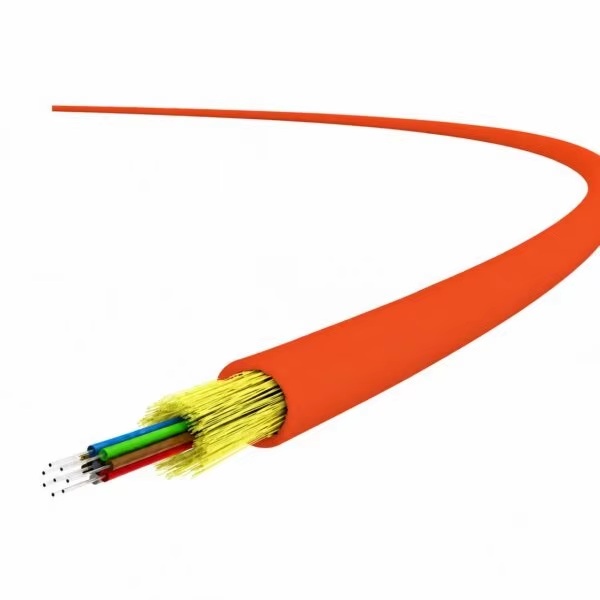
When specifying Flat Cable for custom flat assemblies, overlooking conductor quantity or available width can create problems that are difficult to correct after installation. The cable may fail to fit the route, support the required circuits, or move reliably through the equipment’s full travel.
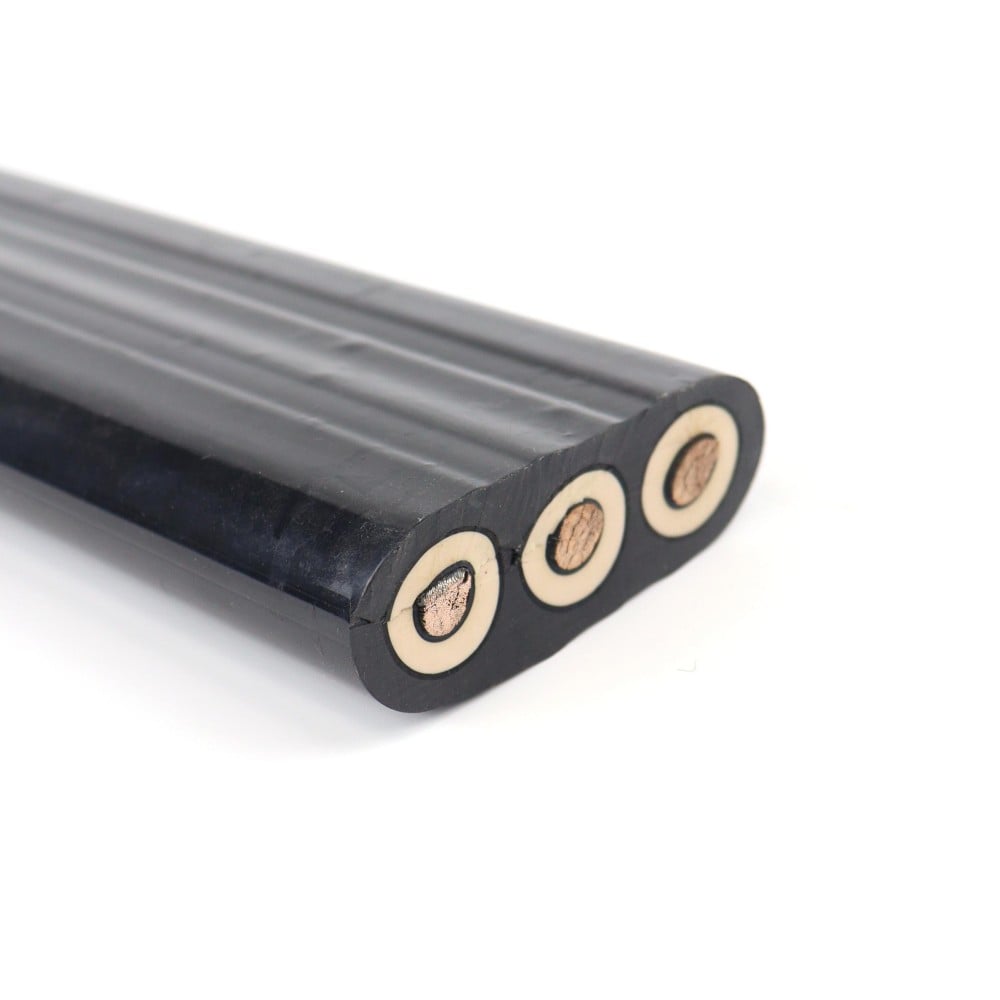
These risks are connected: core count affects the cable’s construction, while width limitation constrains how conductors and insulation can be arranged. A sound review of custom flat assemblies therefore considers electrical needs, mechanical movement, installation space, and service access together, rather than treating cable dimensions as a late purchasing detail.
Problems caused by an incorrect core count
Missing circuits and crowded conductors
The core count defines how many separate conductors are available for power, control, grounding, or signal functions. If it is set too low, custom flat assemblies may require extra wiring, field splices, or a revised cable after the machine design is already underway. Each workaround adds coordination and can complicate installation.
A count that is too high is not automatically safer. Additional conductors need space and may increase the finished cable width, bend stiffness, and termination complexity. When width limitation is already tight, unused cores can consume room needed for adequate insulation, separation, or a practical movement profile.
Review the circuit schedule against the actual equipment functions before freezing the core count. Include spare capacity only when its purpose is clear, such as a planned future control point or a maintainable replacement strategy. This keeps custom flat assemblies adaptable without adding conductors that create unnecessary bulk.
The review should also distinguish conductors that share a reference from circuits that require separation. Control signals, power feeds, and protective conductors may have different routing or termination needs. A simple total can conceal those distinctions, so confirm the function and destination of each core with the electrical and mechanical design teams.
Documenting the approved count helps prevent a drawing, cable schedule, and procurement specification from drifting apart. Identify any reserved cores and show how they are terminated or isolated. That record gives installers and maintenance staff a dependable reference when custom flat assemblies are inspected, modified, or replaced.
Problems created by width limitation
Fit conflicts along the cable route
A width limitation can be imposed by a guide, carrier, enclosure opening, clamp, or moving machine element. If the proposed cable exceeds that envelope, it may rub, fold unevenly, or fail to sit correctly in its guide. For custom flat assemblies, verify the route at every restriction, not only at the widest visible section.
The relationship between core count and width limitation deserves early attention. More conductors can require a broader layout, while a narrow envelope may restrict conductor spacing and construction options. Confirm the cable’s finished dimensions with insulation and jacket included, then compare those dimensions with the usable space after installation tolerances.
Mechanical stress and electrical consequences
A cable forced into less space than its design allows can experience pinching, edge pressure, or an unfavorable bend. Repeated motion may then concentrate stress at a guide exit or termination. These conditions can contribute to wear, intermittent connections, or insulation damage, even when a stationary fit appears acceptable.
Check whether the cable can travel freely through the full operating range and whether nearby parts can shift under load or vibration. Custom flat assemblies should be evaluated in their actual mounting orientation because a nominal width limitation does not reveal how the cable behaves when moving. Physical clearance checks can expose interference before commissioning.
Preventing redesign through coordinated review
Failure modes in custom flat assemblies
When core count and width are reviewed separately, a design can pass one check and fail another. A cable may contain every required circuit yet exceed the route envelope, or fit the opening while omitting a necessary function. In custom flat assemblies, this mismatch can trigger drawing changes, delayed installation, and replacement work.
Late changes also affect more than the cable itself. Mounting hardware, connector placement, strain relief, and access for maintenance may need adjustment. A width limitation discovered after these interfaces are fixed can force compromises elsewhere, while an incorrect core count can lead to extra connections or a second cable route.
Design controls for width limitation
Start with a shared requirements review that connects the circuit schedule to the physical route. Confirm the core count, conductor functions, finished width, installation clearance, bend conditions, and movement profile in the same design discussion. For custom flat assemblies, this makes trade-offs visible while layout changes are still manageable.
Next, verify the proposed dimensions against drawings and, where practical, a representative route or installation mock-up. Allow for tolerances, clamps, neighboring cables, and maintenance access rather than designing to the absolute opening width. Recheck width limitation whenever the conductor arrangement or insulation construction changes, since those changes can alter the finished profile.
Finally, control revisions across engineering, procurement, and installation documents. State the approved core count and dimensional envelope clearly, and require review before substitutions or routing changes. This process does not eliminate every field condition, but it gives custom flat assemblies a defined basis for checking fit, function, and serviceability.
FAQ
What happens when the core count is too low?
A low core count can leave circuits without a dedicated conductor, prompting added wiring, splices, or redesign. Confirm each function and destination before releasing custom flat assemblies for production, and document any intentional spare capacity.
Can a cable fit electrically but still fail because of width limitation?
Yes. A suitable core count does not guarantee that the finished cable will fit its guide or move freely. Check width limitation against the full route, mounting details, movement, and installation tolerances before approving the design.
When should these dimensions be confirmed?
Confirm them during initial layout and revisit them whenever circuit needs, cable construction, or routing changes. Coordinating core count and width limitation early helps custom flat assemblies avoid preventable fit issues and late revisions.

 EN