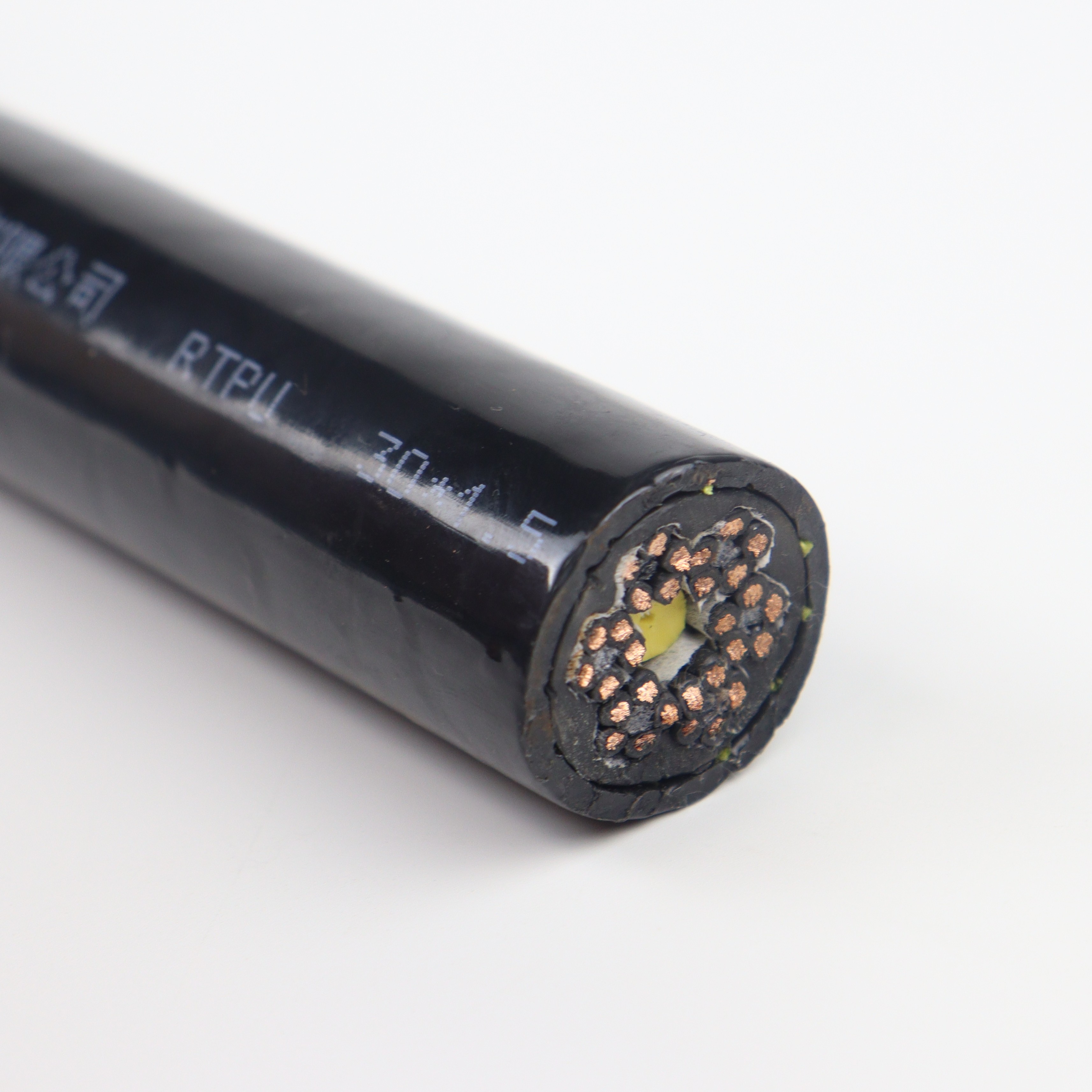
In compact machine routing, a cable that fits the available space on a drawing may still interfere with moving parts or strain at a turn. Checking Flat Cable placement means reviewing the route, bend direction, clearances, and motion together, rather than treating the cable as a static line. A sound space saving design preserves room for the cable to move without forcing a tight path.
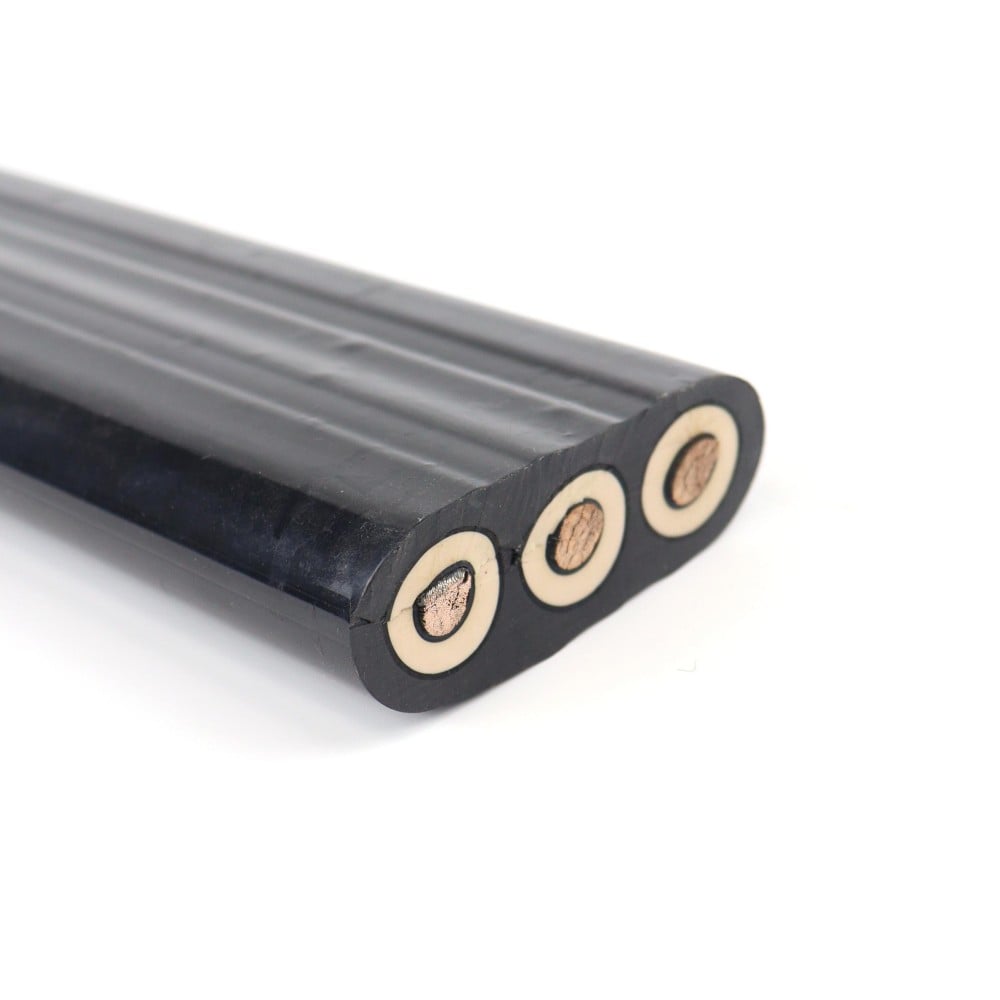
Start with the machine’s real operating envelope: identify moving axes, fixed structures, service access, and expected travel. In compact machine routing, these details show where the cable can pass safely and where it needs support. Confirm bend direction early, because an orientation chosen for a convenient connection may conflict with the machine’s motion. A useful space saving design removes unnecessary detours without squeezing the cable into the smallest possible gap.
Map the Route Before Setting Cable Orientation
Read the machine envelope and movement
Record the start and end points, the full travel of connected equipment, and the obstacles that define the cable corridor. For compact machine routing, include both the machine’s parked position and its farthest operating position; a route that clears the frame at rest can be pinched during travel. Mark brackets, guards, doors, and maintenance access on the same layout. This makes the space saving design a practical routing decision rather than a drawing exercise. Allow for the cable’s actual width and thickness, adjacent cables, and installation tolerances instead of measuring only the centerline.
Next, note the intended bend direction at each turn and the plane in which the cable will flex. A Flat Cable usually needs consistent orientation along a moving span, so avoid twisting it to resolve a routing conflict. In compact machine routing, distinguish a planned bend from an accidental twist created by an offset connector or reversed support. Check bend direction against the cable specification and the actual assembly geometry; do not assume that a flat profile can turn equally well in every direction. The result should preserve a clear path through the complete cycle.
Set the orientation at connection points
Connection points often determine how the cable approaches its route. Before fixing brackets, inspect connector exit direction, terminal access, and the space needed to remove or replace the cable. A space saving design should keep those tasks possible instead of hiding a connection behind a moving assembly. Confirm bend direction where the cable leaves each connector, since a sharp change close to a termination may concentrate movement in a short length. Make orientation visible in the drawing with a clear reference edge, so installers can follow the same arrangement throughout compact machine routing.
If the path requires a turn, sketch the turn in three dimensions and compare it with the cable’s flat orientation. This simple check can reveal a route that appears short in plan view but requires twisting around a bracket in the real machine. Keep the Flat Cable aligned through the moving section and use supports that guide, rather than clamp, its intended path. Recheck bend direction after choosing the connector position, because a small connection change may reverse the cable face. Document the agreed orientation before fabrication to avoid correction work during assembly.
Check Clearances and the Moving Cable Path
Preserve room for cable movement
A static clearance check is not enough when the cable travels with an axis or carriage. Review the route at several points through the stroke, including transitions near end positions, to identify contact with guards, rails, or other services. In compact machine routing, clearance must account for the cable’s changing shape, not just the space it occupies at one moment. Keep the space saving design focused on removing dead space while retaining room for movement. Check bend direction along the full flexing section and make sure supports do not force a reverse bend as the assembly moves.
Look for pinch points at joints, access doors, and places where two structures approach one another. Consider whether nearby hoses or wires could push the cable into an unintended path during operation. A controlled corridor can make compact machine routing easier to inspect and maintain, especially when several services share a narrow enclosure. Set support locations to guide the cable smoothly, while leaving enough freedom for its intended travel. If the available clearance is marginal, revise the route or support arrangement rather than assuming that a tighter space saving design will remain safe in use.
Review motion through a full cycle
Test the planned movement from one limit to the other, then repeat the check with the machine in intermediate positions. Watch for rubbing, snagging, tension, and loops that approach moving edges. Confirm that bend direction remains consistent during the cycle and that no section is dragged sideways by a support. This review is especially useful in compact machine routing because small dimensional changes can create a different path once the machine moves. Record any tight locations and adjust the route before final installation, rather than relying on an operator to notice interference later.
Where a physical mock-up is practical, use it to compare the drawn path with the cable’s behavior under actual movement. Move the assembly slowly and observe both faces of the cable, including areas hidden behind covers. Verify that clips and guides retain the intended position without flattening or twisting the cable. A space saving design should be evaluated at full travel, not judged only by how neatly the cable sits when stationary. If motion changes the bend direction or causes contact, revise the guide positions and repeat the cycle check before approving the layout.
Verify the Installation and Record the Design
Inspect supports, clearances, and cable condition
During installation, compare the finished route with the approved drawing and inspect every support, transition, and connection. Check that the cable lies in its specified orientation and that fasteners do not create pressure points. In compact machine routing, small installation deviations can remove the clearance confirmed during design, so verify the route with covers and adjacent equipment in their operating positions. Recheck bend direction at terminations and moving transitions. Look for twisting, abrasion, sharp edges, and unexpected tension before the machine is released for operation.
Also confirm that the route remains accessible for inspection and replacement. A space saving design should not require dismantling unrelated assemblies for routine cable service unless the machine’s maintenance plan explicitly allows it. Make sure labels or orientation marks remain visible where technicians need them. If the installed Flat Cable differs from the drawing, update the record and repeat the clearance review. The goal is a consistent arrangement that preserves the intended path, not merely a tidy appearance during initial assembly.
Document acceptance criteria for repeatable checks
Capture the route, connector orientation, support locations, and clearance points in an installation record. State which machine positions were checked and what signs of interference or twisting require correction. For compact machine routing, such documentation helps production and maintenance teams reproduce the same arrangement after service. Include the approved bend direction and any restrictions from the cable specification, so a later adjustment does not introduce an unsuitable turn. Clear acceptance criteria make the space saving design easier to review across drawing, assembly, and commissioning stages.
Finally, treat any change to stroke, bracket position, or connector location as a reason to revisit the route. Even a modest change can alter the cable’s swept path and available clearance. During commissioning, observe repeated movement and check for contact or cable migration; investigate any change rather than tightening supports indiscriminately. A successful check combines the drawing review, installation inspection, and motion test. When all three agree, the route is more likely to retain its intended orientation and provide dependable access for future maintenance.
FAQ
Why check bend direction before installation?
Checking bend direction before installation helps prevent twisting and identifies conflicts between connector orientation and the moving path. Confirm it against the cable specification and the machine layout.
How can compact machine routing retain service access?
Plan the path around inspection and replacement needs, not only the smallest available envelope. A practical space saving design leaves usable access to supports and connections.
What should be watched during a motion test?
Move the mechanism through its full cycle and watch for rubbing, pinching, tension, or a change in bend direction. Check the cable at intermediate positions as well as both travel limits.

 EN