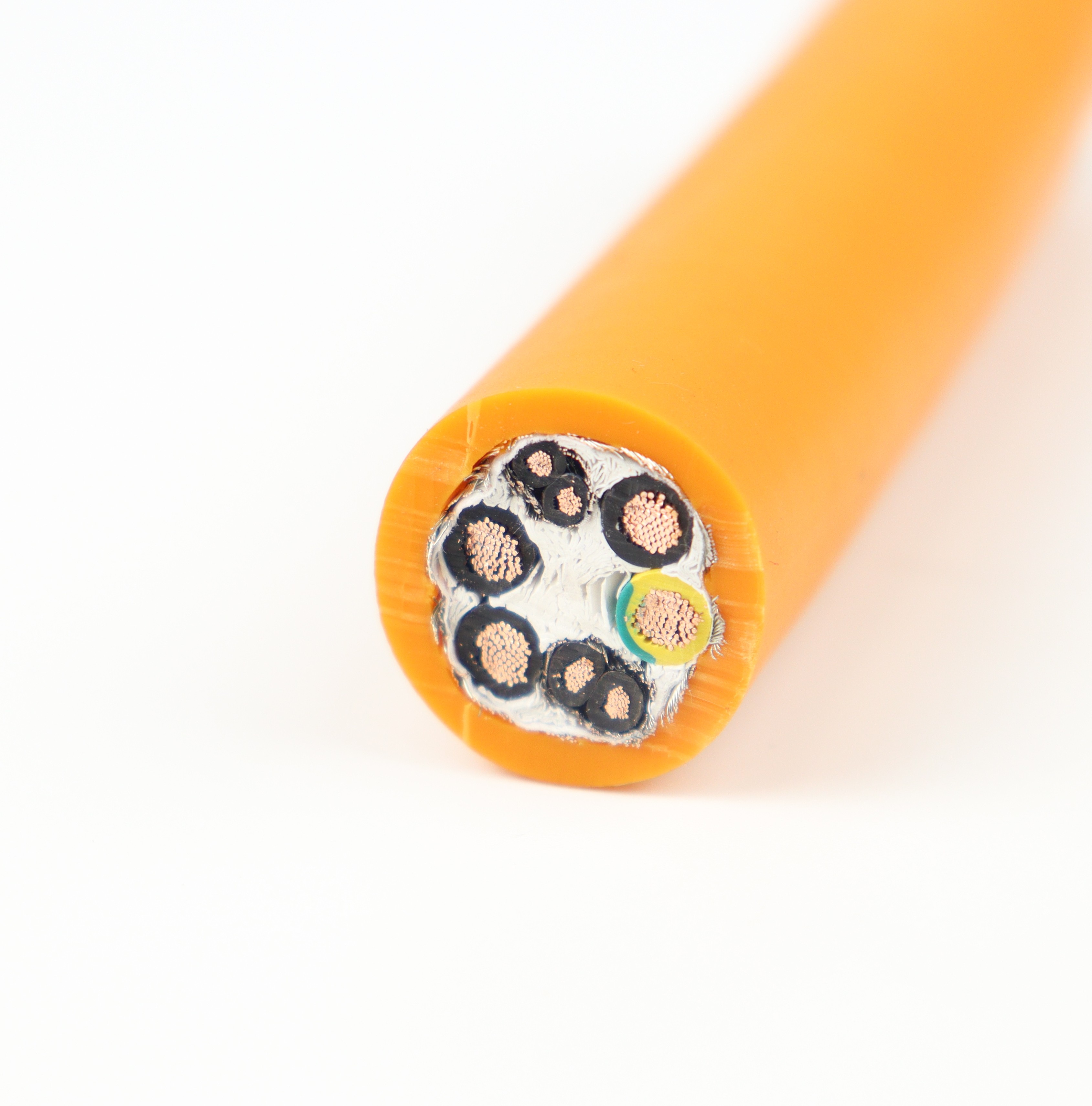
Specifying Flat Cable for a moving installation requires more than matching voltage and conductor size. In festoon cable systems, the physical relationship between conductors and the path of the carriers influences how the cable bends, hangs, and travels. Evaluating core arrangement and trolley movement together helps engineers identify fit, prevent avoidable mechanical stress, and establish useful requirements before purchasing.
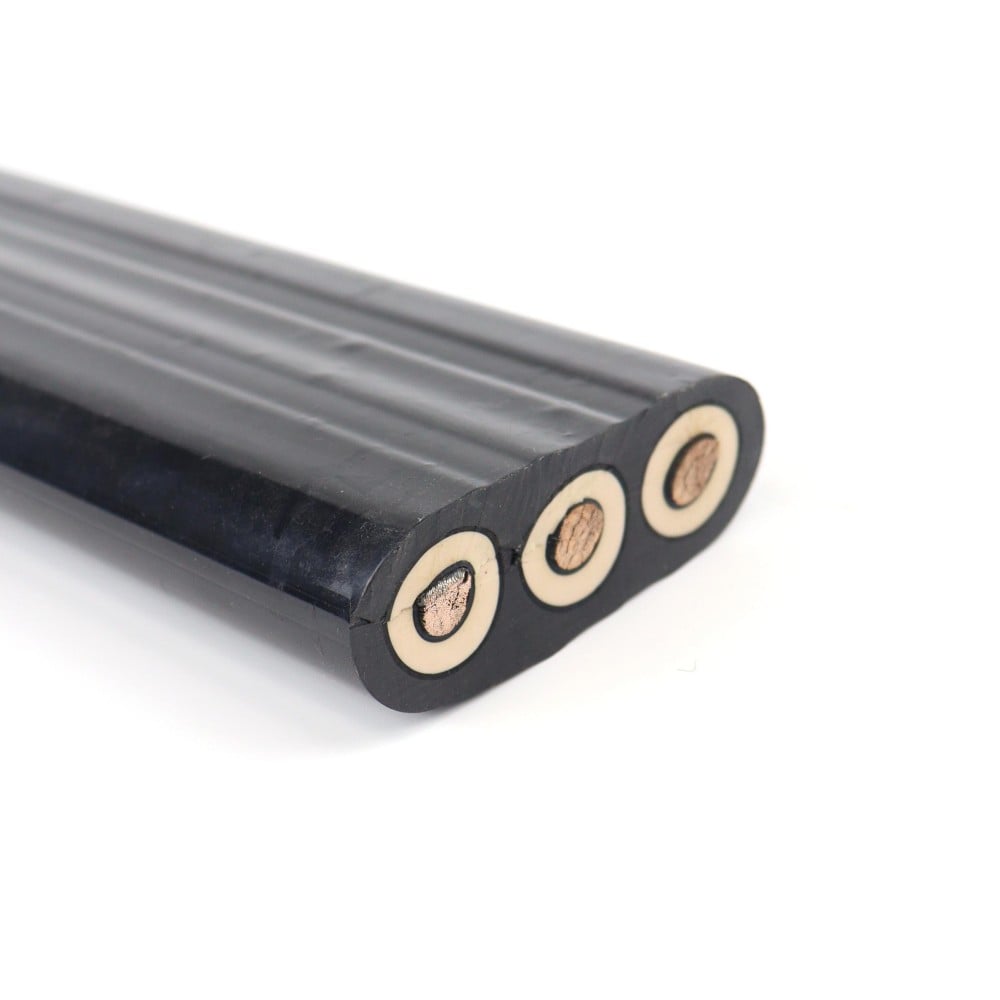
The practical goal is to select a cable configuration suited to the actual travel distance, carrier spacing, and operating cycle. A Flat Cable can be considered when its geometry matches the installation, but a flat profile alone does not confirm suitability. Review core arrangement, trolley movement, and the complete route as connected design inputs, then verify the selected construction against the equipment and site conditions.
Translate the installation into cable requirements
Map the route and operating envelope
Begin with the full route, including the fixed connection, moving carriers, end positions, and any transitions around machinery. In festoon cable systems, measure the working travel and identify the available hanging depth at both travel limits. Documenting these details makes festoon cable systems easier to assess because cable length and loop shape can be checked against real geometry rather than an assumed straight run. Record speed, acceleration, duty pattern, and likely starts or stops, too. These operating details matter because trolley movement determines how frequently the cable flexes and whether the loops remain orderly throughout a shift. The route assessment should also note obstructions, nearby equipment, and environmental exposure so the cable specification reflects the installation rather than a generic application.
Define electrical and mechanical needs together
Electrical requirements establish conductor count, cross-section, voltage, and any control or signal cores needed by the machine. Mechanical requirements establish flexibility, dimensions, support, and acceptable bend geometry. Treating core arrangement as a mechanical consideration as well as an electrical one is essential: the position and grouping of cores affect the cable’s overall shape during flexing. In festoon cable systems, confirm that the chosen construction fits the carrier opening and the available space without being squeezed or twisted. Also assess trolley movement at the expected operating rate, since repeated travel can expose a mismatch that is not apparent during a stationary inspection. A clear specification records both sets of requirements and identifies which details need confirmation with the equipment design.
Assess core layout against repeated flexing
Check conductor placement and cable profile
A useful core arrangement keeps required conductors in a profile that can move consistently through the carrier route. Review how power, control, and grounding conductors are grouped, and compare the finished cable dimensions with the carrier’s usable width and height. In festoon cable systems, adequate clearance helps avoid pinching and reduces the chance that the cable will rub against edges as it travels. The core arrangement should also be considered with the intended bend direction; a cable that is repeatedly forced to roll or twist may not behave as the designer expects. Inspect drawings or samples where possible, and ask for construction details when the routing envelope is tight. This turns a broad cable description into a checkable physical requirement.
Confirm bend behavior through the full cycle
Assess the cable at the tightest and loosest loop conditions, not only when carriers are parked. Establish the minimum bend guidance for the selected construction and compare it with the actual loop radius throughout travel. A stable core arrangement supports predictable flexing, while an unsuitable geometry can encourage bunching or uneven loading. Trolley movement changes the location and shape of each loop, so review the full carrier sequence and verify that adjacent loops do not collide. In festoon cable systems, the cable must have enough free space to form its intended shape without dragging on structures. If the design depends on a particular orientation, make that orientation explicit in the installation notes and inspection criteria.
Verify trolley travel and installation fit
Review carrier spacing, speed, and clearance
Carrier spacing affects how much cable is supported and how each loop changes as the system extends or retracts. Check spacing against cable diameter, loop depth, and the physical arrangement of the carriers. Trolley movement should be assessed at normal operation and at the limits of travel, with attention to smooth movement, alignment, and potential interference. In festoon cable systems, a mismatch between cable length and carrier spacing can leave loops too tight or create excess slack. Evaluate the selected core arrangement within the same moving envelope, since cable width and orientation influence clearance. Confirm that travel speed and operating frequency reflect actual use rather than a nominal design case, and consult equipment requirements where motion limits are specified.
Set commissioning checks and review triggers
Before release, confirm cable length, terminations, carrier fit, and routing direction against the approved layout. During commissioning, observe a complete travel cycle and look for twisting, snagging, uneven loop formation, or contact with surrounding structures. These observations test whether trolley movement follows the assumptions used during specification. In festoon cable systems, establish a baseline inspection record that notes cable position, visible wear, and any change in loop shape. Revisit the core arrangement and routing decision if the equipment is modified, the duty pattern changes, or new conductors are added. A specification is most useful when it includes measurable acceptance checks and clear review triggers, allowing maintenance and engineering teams to respond to changed conditions before they become recurring interruptions.
FAQ
What information should be collected before choosing a cable?
Record route length, travel limits, carrier spacing, speed, duty cycle, electrical requirements, and available clearance. For festoon cable systems, those details provide a practical basis for confirming dimensions and cable behavior with the equipment documentation.
Why does conductor layout matter in a moving cable?
Core arrangement influences the cable profile and how it flexes through a route. It should fit the carrier and bend path while meeting electrical needs; check the actual construction rather than relying on conductor count alone.
How can trolley travel be checked during commissioning?
Run the carriers through the full operating range and observe loop formation, clearance, and any twisting or snagging. Compare trolley movement with the design assumptions and document any deviation for engineering review.

 EN