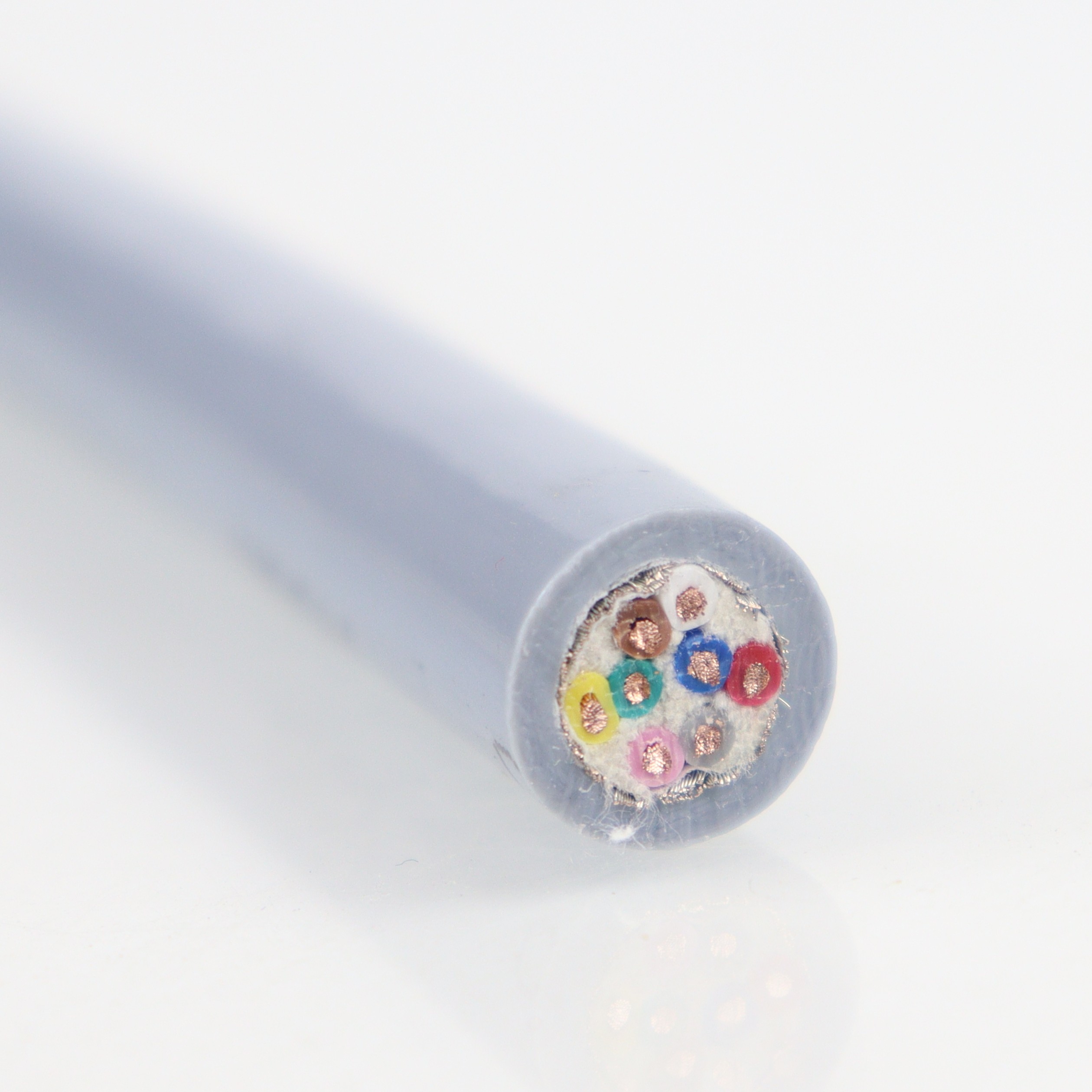
EV charging can increase a site’s grid demand even when rooftop generation is available, because production and vehicle charging rarely align perfectly. Integrating an EV cable with solar surplus charging and dynamic current modulation helps coordinate those changing conditions. The practical effect on grid import reduction depends on control settings, charging limits, and the amount of usable solar power.

The key is not the cable alone, but how it fits into a controlled charging system. An appropriately specified EV cable carries power between charging equipment and the vehicle, while the charger and energy management system determine when and how much power flows. This coordination can make solar surplus charging more responsive, apply dynamic current modulation within safe limits, and support measurable grid import reduction.
How the charging connection shapes energy flow
Matching solar output to vehicle demand
Solar surplus charging directs available generation to a vehicle rather than treating charging as a fixed load. The system compares site generation with other demand, then adjusts the charging allowance as the surplus changes. Solar surplus charging therefore works best when measurements are current and the charger can act on them promptly. Dynamic current modulation translates those changing instructions into a permitted charging current, while grid import reduction depends on avoiding unnecessary power from the network.
An EV cable is part of the electrical path, not an independent energy controller. Its current rating, temperature limits, connector condition, and compatibility with the charger all affect whether the requested operating level is suitable. For solar surplus charging, a control system must also account for the minimum current required by the vehicle and charger. When available generation falls below that threshold, dynamic current modulation may need to reduce charging or pause it, limiting avoidable imports.
Respecting electrical and vehicle limits
The charging system must follow the lowest applicable limit across the vehicle, charger, cable assembly, and site supply. Dynamic current modulation cannot make an underspecified component safe, nor can it override a vehicle’s acceptance limit. Good integration uses verified equipment ratings and correctly configured protection. Solar surplus charging then operates inside the permitted envelope, and grid import reduction is pursued without compromising electrical safety or charging reliability.
A site should distinguish between a cable’s rated capacity and the current actually commanded during a charging session. The EV cable must remain suitable for the intended installation and operating environment, including repeated use and expected temperature conditions. Controls can lower the current as supply conditions change, but they cannot compensate for damaged connectors or poor installation. These checks ensure dynamic current modulation remains a control function rather than a substitute for sound electrical design.
How dynamic control changes grid demand
Using live measurements and control signals
A meter or energy management system tracks import, export, and site consumption. If generation exceeds other loads, solar surplus charging can increase vehicle demand to use some of that excess. If a production cloud or building load reduces the surplus, dynamic current modulation can trim the charging current. This response helps grid import reduction because the charger can follow available energy instead of drawing at a constant, preset rate.
Measurement location matters. A controller needs a useful view of the site’s net power flow, not only the output of the solar inverter or the charger itself. Inaccurate readings, communication delays, or poorly chosen response intervals can cause overshoot: the charger may draw more than the current surplus and briefly increase imports. Solar surplus charging should therefore be commissioned against real site conditions, while dynamic current modulation settings are checked for stable response.
Balancing solar use with charging needs
Drivers and fleet operators may need a vehicle ready by a particular departure time, so maximizing solar use is not always the only objective. A control policy can prioritize a required energy target while using solar surplus charging whenever it is available. Dynamic current modulation can then balance the preferred charging window with the vehicle’s requested charge. Grid import reduction is strongest when solar availability, parking duration, and required departure charge leave enough flexibility.
For a workplace fleet, vehicles parked through midday may provide a longer opportunity to absorb solar production than vehicles arriving near closing time. A depot with short turnaround periods may instead need a minimum charging level, even when generation is low. In both cases, the same control principles apply, but their settings differ. Coordinated solar surplus charging and dynamic current modulation should reflect operating schedules, so grid import reduction does not come at the cost of missed vehicle availability.
How to assess the effect at a site
Establishing a useful baseline
Evaluate performance against a baseline that records site imports, solar production, vehicle charging, and relevant operating schedules. Compare similar time periods and note changes in occupancy, weather, and building demand. This helps separate the effect of solar surplus charging from unrelated variation. Grid import reduction should be assessed at the site boundary and over a meaningful interval, because a short-term reduction during one charging session may not represent the whole day.
The data should also show when charging was limited by vehicle readiness, charger capability, or a minimum current threshold. Dynamic current modulation may lower imports during one interval but shift charging to a later period if the vehicle still needs energy. That shift is not necessarily a failure; it is a trade-off to interpret against operating requirements. Tracking the EV cable and charger configuration alongside energy readings makes results easier to reproduce after maintenance or system changes.
Designing for repeatable operation
Before deployment, confirm that the charger supports the intended control method and that its communication with the energy management system is dependable. Verify the EV cable assembly, connectors, protection, and installation for the planned duty. Then test solar surplus charging under changing generation, including a fall in output while a vehicle is connected. Dynamic current modulation should respond within configured limits, and the resulting grid import reduction should be visible in recorded measurements.
Commissioning should include realistic operating scenarios rather than a single demonstration at steady output. Check how the system behaves when other site loads switch on, when solar production fluctuates, and when a vehicle reaches its charging limit. Record the control settings and confirm that charging resumes appropriately when surplus returns. With these steps, solar surplus charging becomes a repeatable operating mode, dynamic current modulation remains predictable, and grid import reduction can be judged using evidence rather than assumptions.
FAQ
Does the EV cable itself reduce grid imports?
No. The EV cable provides the electrical connection, while metering, charger controls, and site configuration manage power flow. A suitable cable supports safe operation, but grid import reduction comes from coordinating charging with available generation and demand.
What happens when solar output changes during charging?
If the control system receives current measurements, dynamic current modulation can adjust charging within equipment and vehicle limits. The charger may reduce power or pause when the surplus is insufficient, helping avoid unplanned imports.
Can every site use solar surplus charging?
Suitability depends on solar availability, vehicle parking duration, charger controls, metering, and required departure charge. A site assessment can determine whether solar surplus charging can contribute to grid import reduction without conflicting with operational needs.

 EN